
26-03-2026 15:31
 Åke Widgren
Hello,I found this one in October last year, on r
27-03-2026 15:23
Gernot FriebesHi,this Trichopezizella deviates from typical T. b
25-03-2026 10:35
Hulda Caroline HolteHello,I collected this species growing on a dead b
27-03-2026 15:08
Gernot FriebesHi,I'm looking for help with this coelomycete on C
27-03-2026 10:47
Åge OterhalsI have tentatively identified this Stictis to S. f
24-03-2026 21:37
Elisabeth StöckliBonsoir,Sur bois (tronc) très pourri de conifère


25-03-2026 22:23
 Marc Detollenaere
Dear Forum,On a debarked stem of Tilia, we found s
24-03-2026 15:44
Åge OterhalsI hope someone can confirm the name of this collec
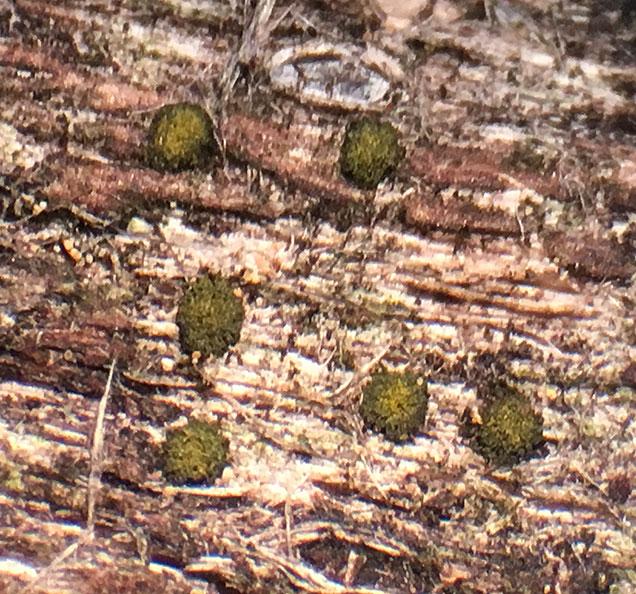
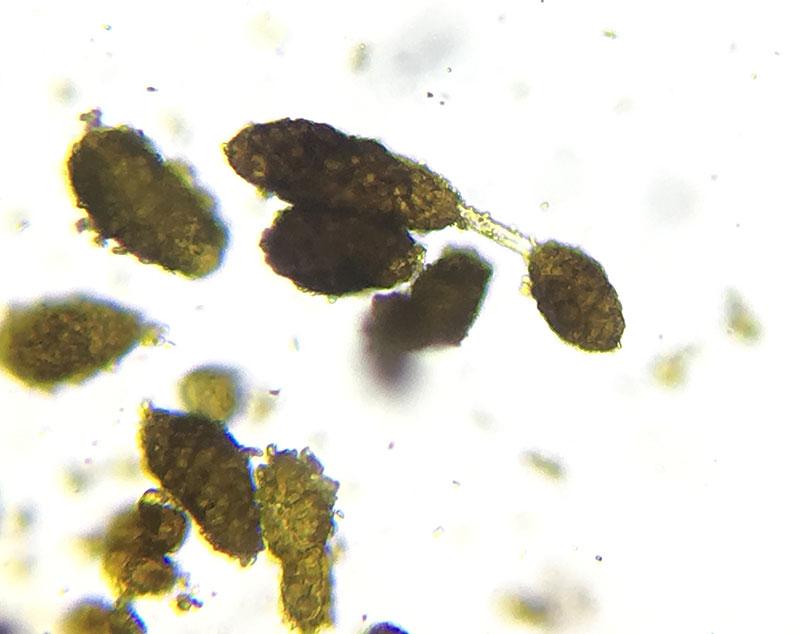
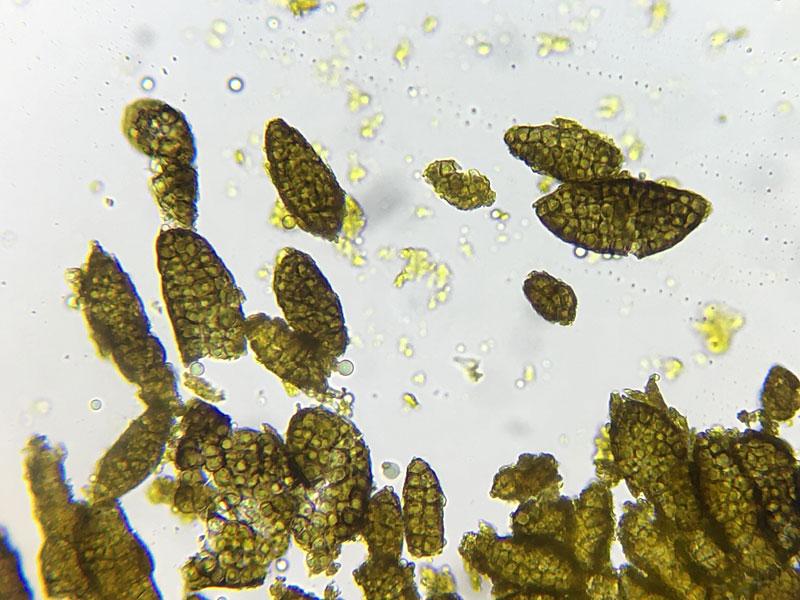
Berkleasmium conglobatum (?)
Ethan Crenson,
11-08-2017 17:19
Hans-Otto Baral,
11-08-2017 19:14

Re : Berkleasmium conglobatum (?)
I have seen a similar fungus on dead wood of Acacia in arid Australia, but the conidia were max. 30 µm long. I noticed in this species a strong ionomidotic reaction of the conidia in KOH (orange stain extruding in the medium). Did you test that?
Zotto
Zotto
Jason Karakehian,
11-08-2017 19:50

Re : Berkleasmium conglobatum (?)
Hi Ethan, I posted this species to our Facebook group in June and I just sent you a message with the link to that post. Here is a link to my post in Mycoportal:
http://mycoportal.org/portal/collections/individual/index.php?occid=4622329
I think your determination is correct. The conidia seem to darken in age to nearly opaque black. The farinaceous or flaky condition of the surface of the conidia is consistent with my observations. Also, you will see nearly black sporodochia in a collection and also these yellow-green sporodochia. These are younger sporodochia that have had the tops rubbed away and you see this yellow tissue (hyphae and conidiogenous cells) beneath. Best - Jason
http://mycoportal.org/portal/collections/individual/index.php?occid=4622329
I think your determination is correct. The conidia seem to darken in age to nearly opaque black. The farinaceous or flaky condition of the surface of the conidia is consistent with my observations. Also, you will see nearly black sporodochia in a collection and also these yellow-green sporodochia. These are younger sporodochia that have had the tops rubbed away and you see this yellow tissue (hyphae and conidiogenous cells) beneath. Best - Jason