24-03-2026 19:59
 William Slosse
Hello everyone,On 23/03/26, I found the following
21-03-2026 15:13
Lepista ZacariasHello everyone, Does any one know of any literatu
24-03-2026 21:37
Elisabeth StöckliBonsoir,Sur bois (tronc) très pourri de conifère
24-03-2026 21:07
Ethan CrensonHello all, A friend collected this asco in a wood
23-03-2026 20:16
 Miguel Ángel Ribes
Good eveningI'm unable to identify this Coprotus o
24-03-2026 15:44
Åge OterhalsI hope someone can confirm the name of this collec

20-10-2017 09:23
Garcia SusanaEste otro crecía en el mismo trocito de madera qu
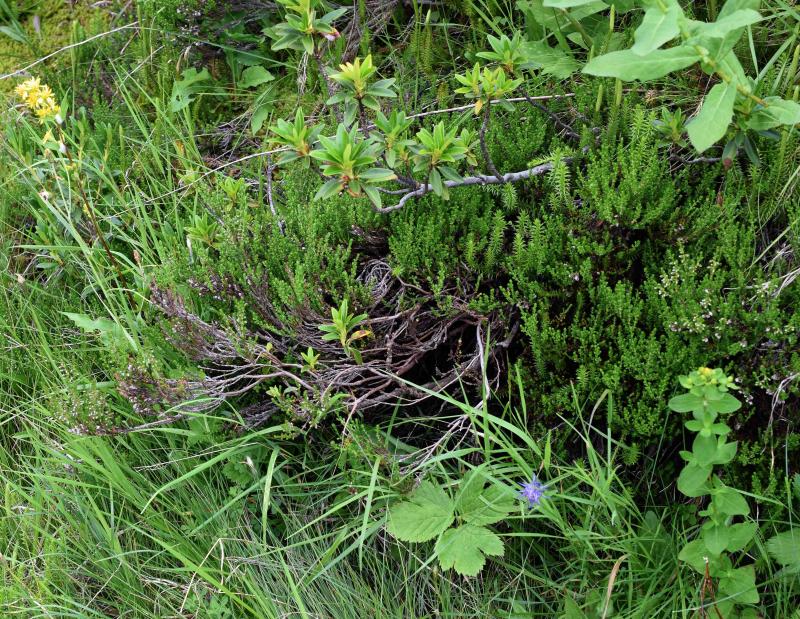
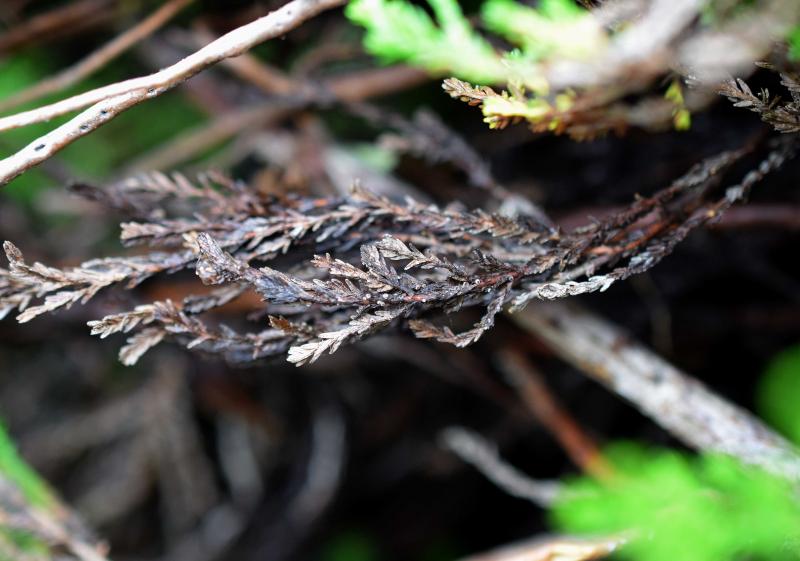
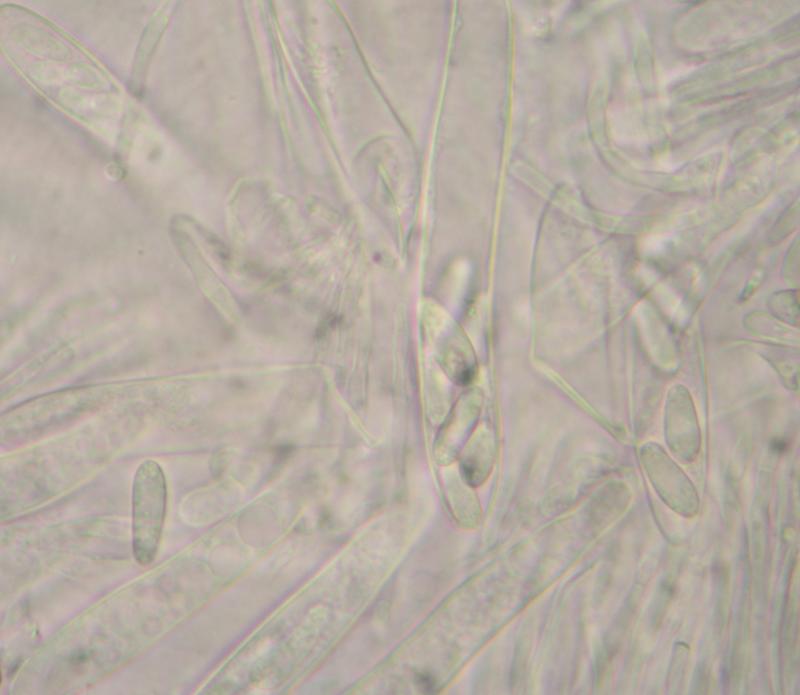
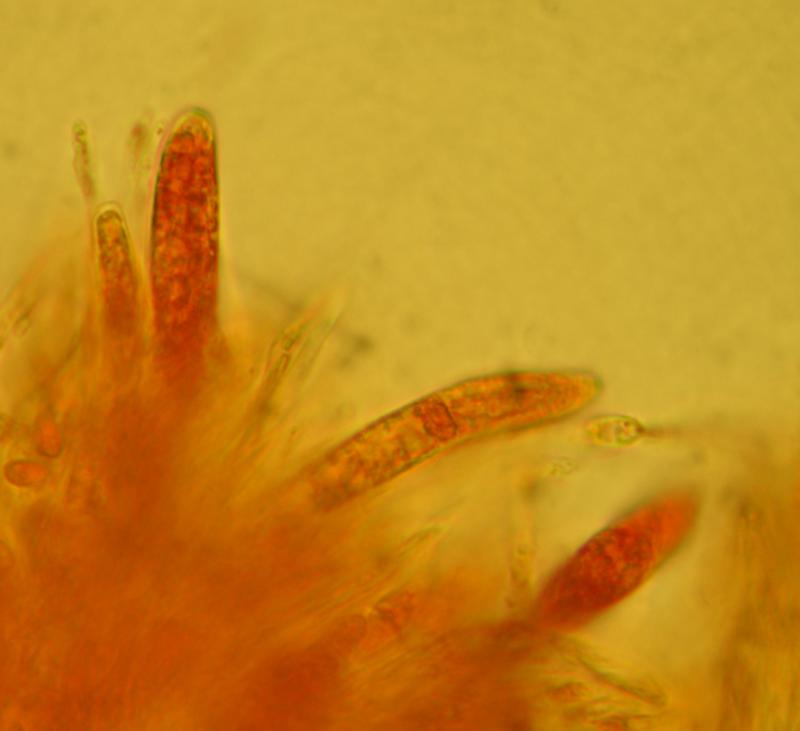
Sur bois mortes de Calluna vulgaris (Lande subalpine, sol acide à 1'750m), apothécies 0.4-0.7mm de diamètre, cupuliforme, surface externe et marge couvertes de longs poils blanc, hyménium beige, asques 60-75x7.5-8µm, octosporés, IKI+, spores 8-11x3-3.5µm, lisses, hyalines, paraphyses filiformes et septées, poils réfringents, à parois epaisses, KOH 3% aucun changement.
Merci d'avance pour votre avis.
Elisabeth
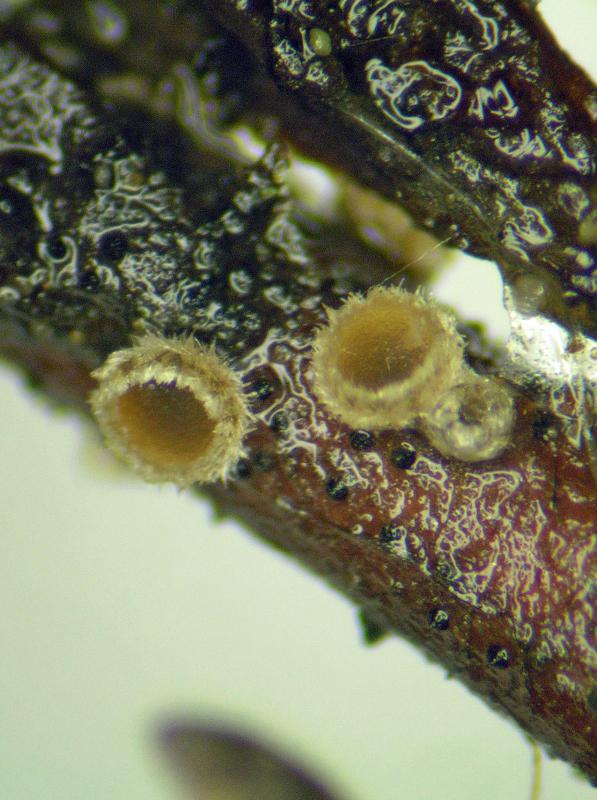
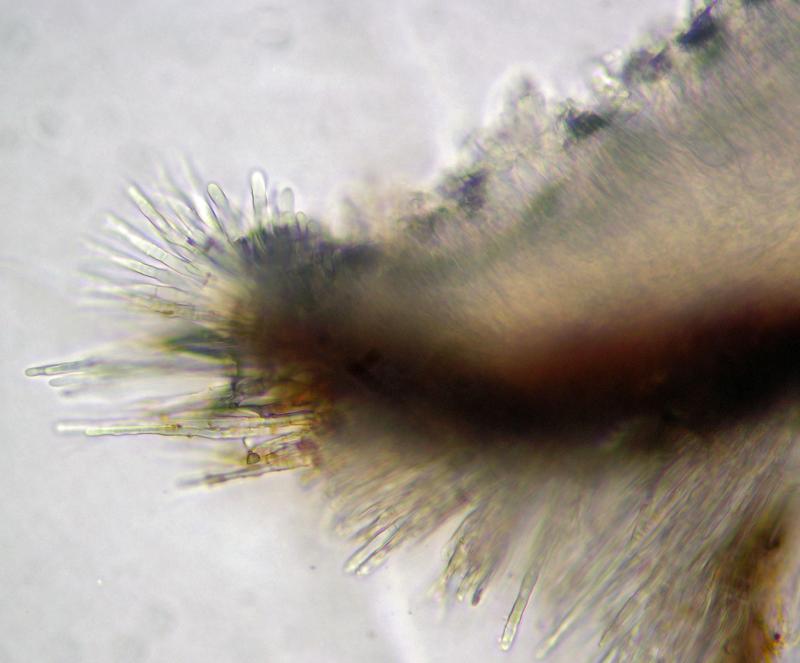
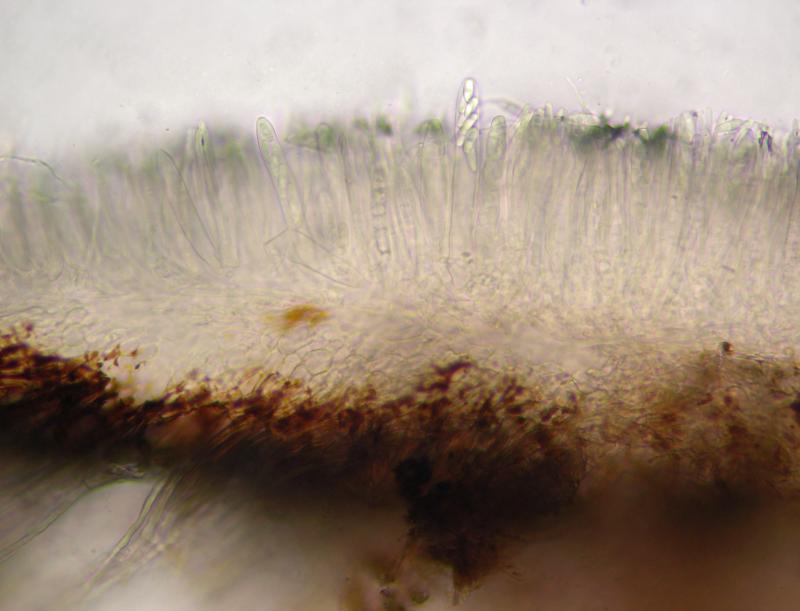
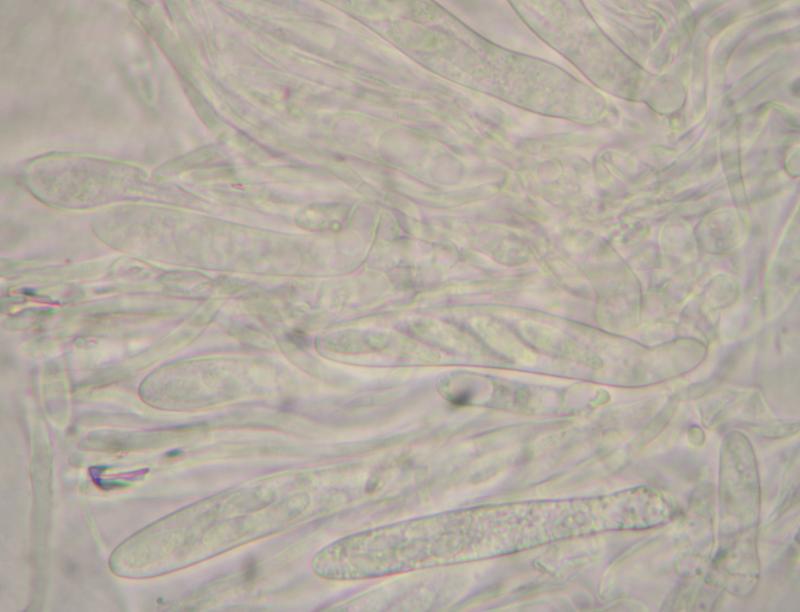
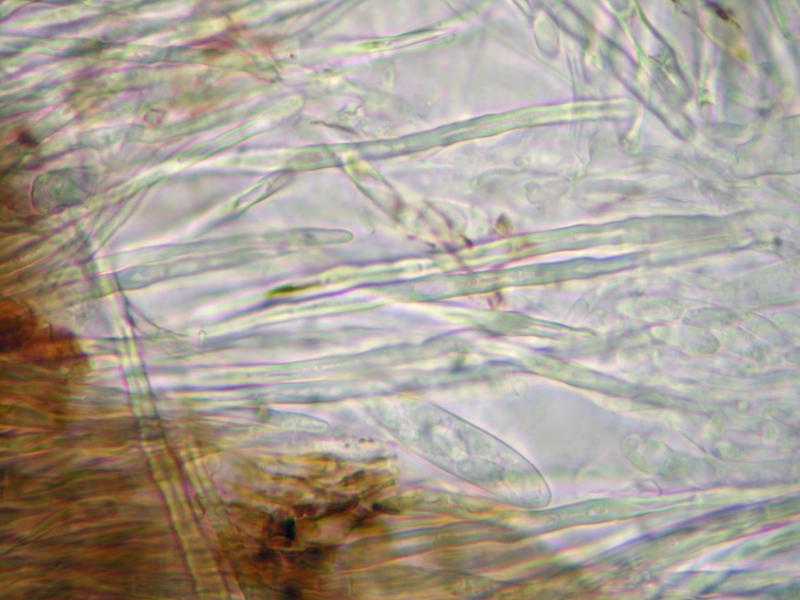

there is no species I can find that fits to your collection, probably another undescribed one. To me it looks like a species related to H. corticicola and alni. the ones with a brown coloured excipilum seems to be genetically unrelated to the hyaline ones and cluster with the Hyphodiscus clade. H. pygmea is placed into a new genus Hyphopeziza that fits there too.
Perhaps Zotto has a idea aboutthe species.
Herzlich,
Stip

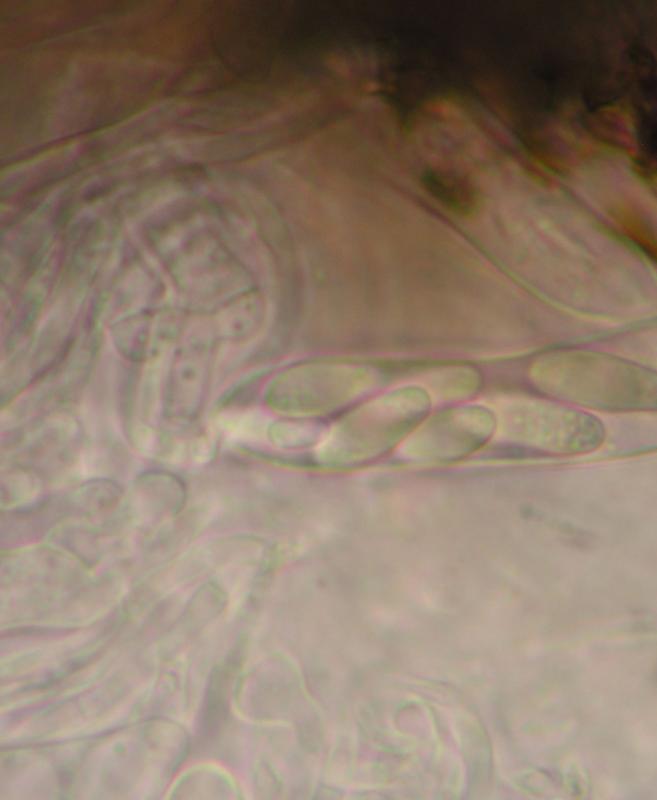
Valuable would be to make clear if the asci arise from croziers. I see a young ascus on the lower right of one image which looks like H+. This would mean that only H. alni remains out of these three. But that species has hairs 100-200 µm long, and I believe yours are shorter than 100.
Zotto
Haare bis 100µm lang, Haken+
Elisabeth
Zotto
Elisabeth