08-04-2026 20:33
 Vasileios Kaounas
Found 07-04-26, in Abies cephalonica. Diameter 1,
08-04-2026 10:39
FRANCIS FOUCHIERBonjour , je recherche en pdf cet article: KORF R

06-04-2026 21:36
 Viktorie Halasu
Hello, could anyone please send me the article wi
06-04-2026 19:40
 David Gibbs
Help with this one much appreciated, on rotting Fa
06-04-2026 11:07
Louis DENYBonjour forum, Trouvé sur bois de feuillu très d
06-04-2026 16:24
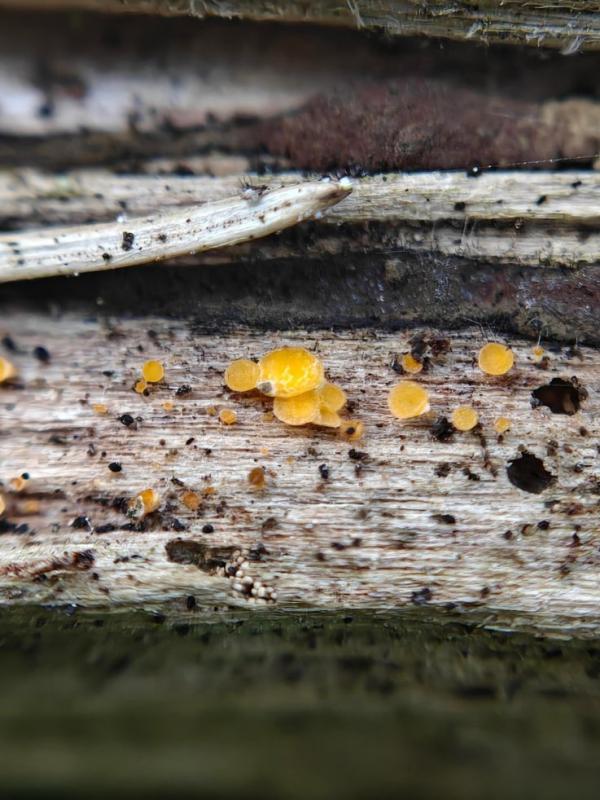
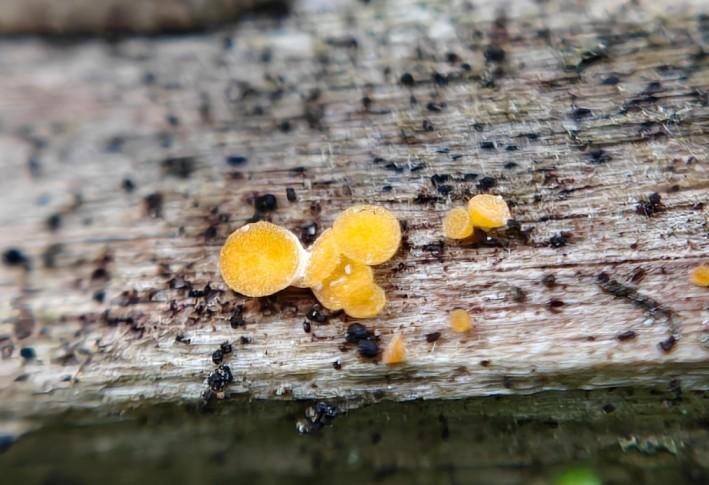
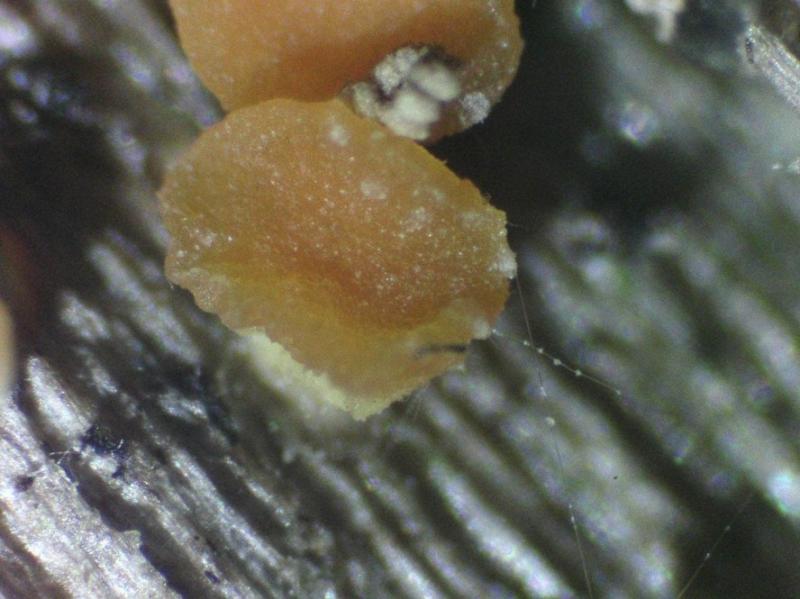
Juuso ÄikäsLast Tuesday I found some tiny white Helotiales gr
could anyone help me identify this, I suspect Phaeohelotium or maybe Hymenoscyphus? I was thinking something along the lines of Leptodontidium (/P.) trabinellum or P. fulvidulum but I couldn't get the asci or spore size to fit.
- On rotten, decorticated deciduous wood (Betula or Populus), damp mixed forest, Southwest Finland (Turku), December 2025.
- Diameter approx. 1.5 mm, growing gregariously in a 20 cm area, almost sessile.
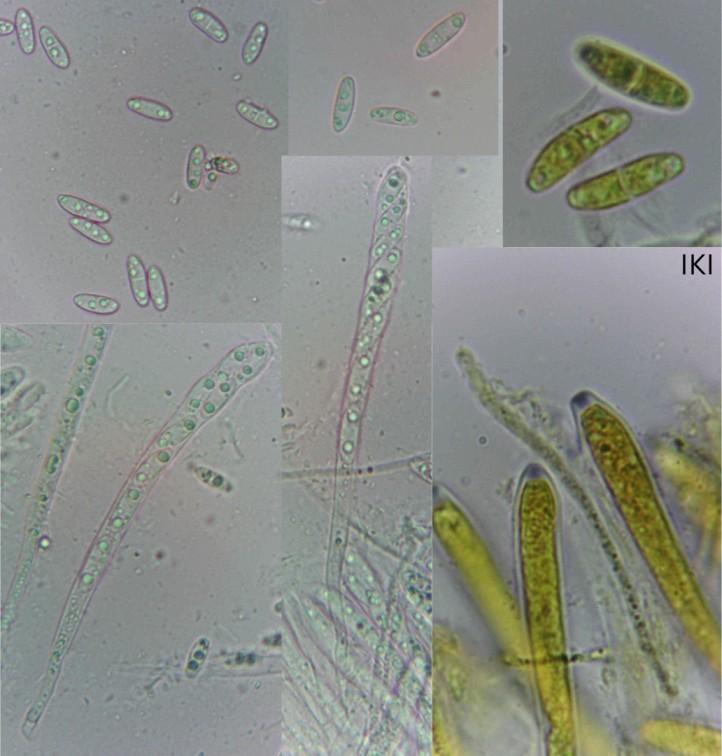
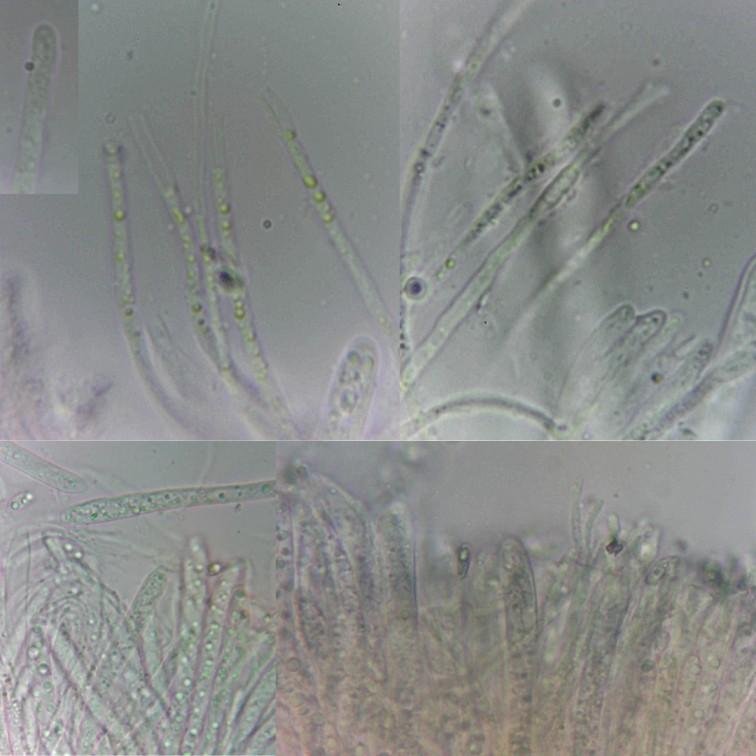
- Asci 8-spored, IKI+, with croziers, (105.4) 115 - 124.8 (127.4) × (6.6) 6.8 - 7.7 (8.8) µm.
- Living spores in water (10.3) 10.6 - 13.8 (14.2) × (3.5) 3.8 - 4.6 (4.9) µm, Q = (2.3) 2.6 - 3.3 (3.4); N = 25, occasionally 1-septate.
- Paraphyses rarely exceeding asci, with some droplets, apices never swollen, 1.5 - 2.8 µm at the apex.
I'm quite new to asco microscopy so please let me know if you need anything else. :)
Best,
Oskari