
08-04-2026 20:33
 Vasileios Kaounas
Found 07-04-26, in Abies cephalonica. Diameter 1,
08-04-2026 10:39
FRANCIS FOUCHIERBonjour , je recherche en pdf cet article: KORF R

06-04-2026 21:36
 Viktorie Halasu
Hello, could anyone please send me the article wi
06-04-2026 19:40
 David Gibbs
Help with this one much appreciated, on rotting Fa
06-04-2026 11:07
Louis DENYBonjour forum, Trouvé sur bois de feuillu très d
06-04-2026 16:24
Juuso ÄikäsLast Tuesday I found some tiny white Helotiales gr
Melanospora cf. lagenaria on decaying polypore
Danny Newman,
15-12-2025 15:48
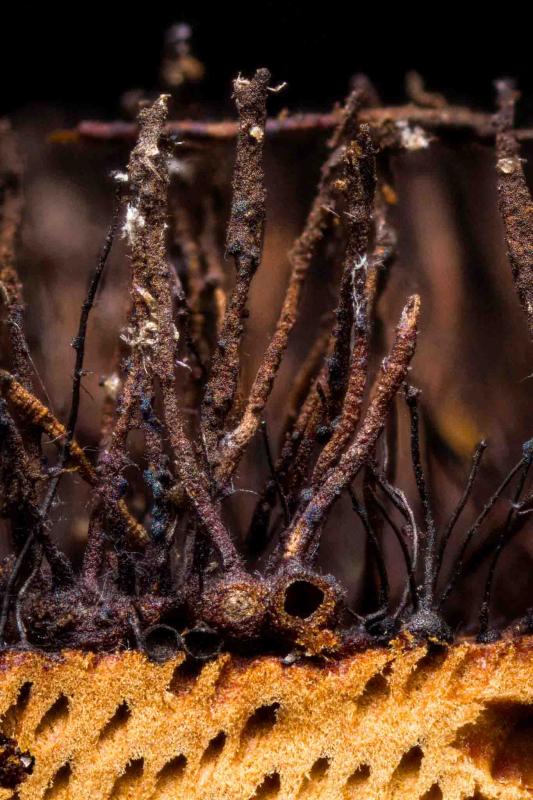
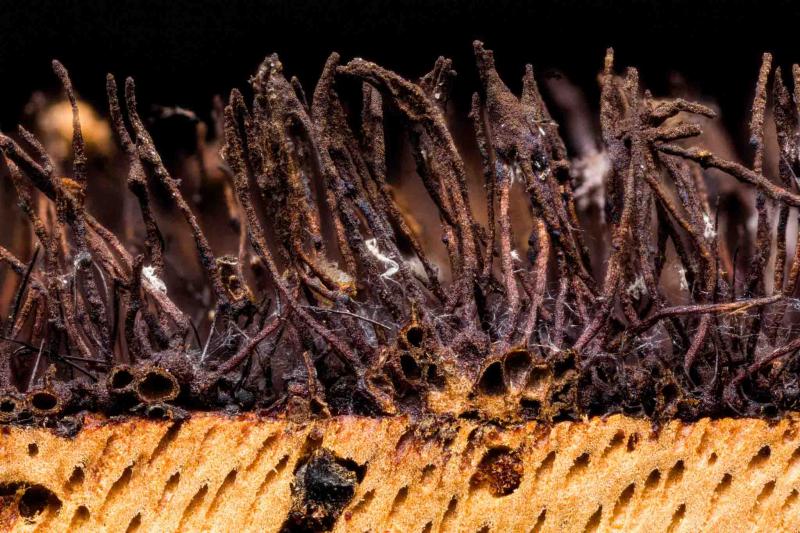
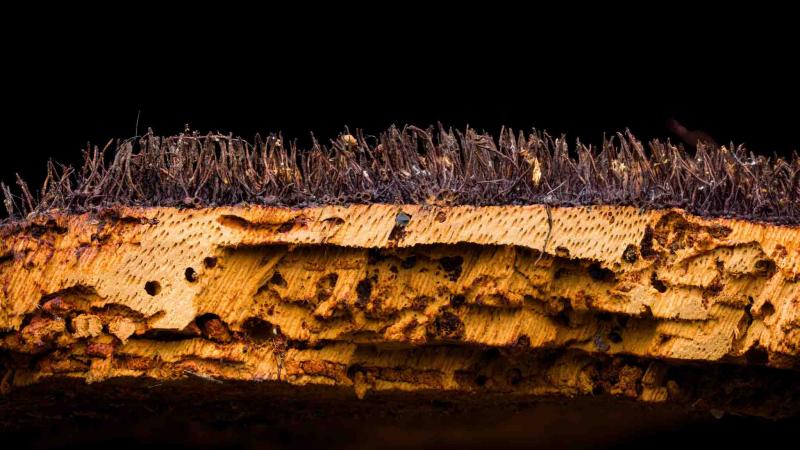
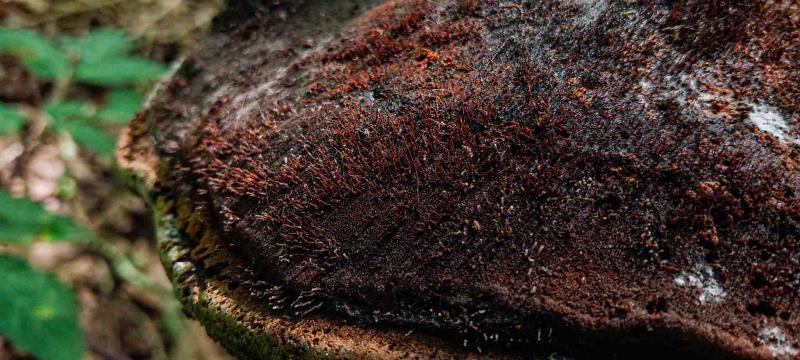
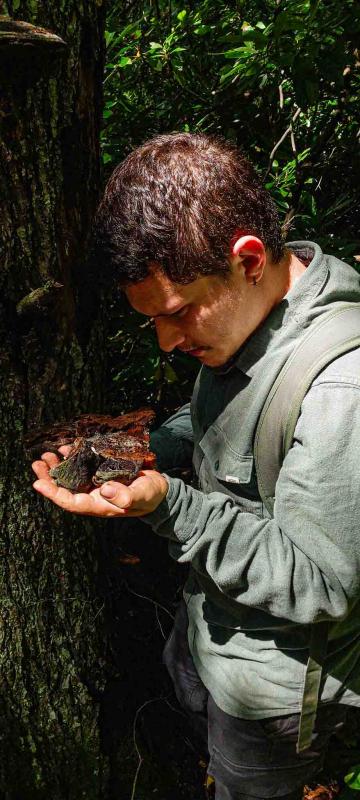
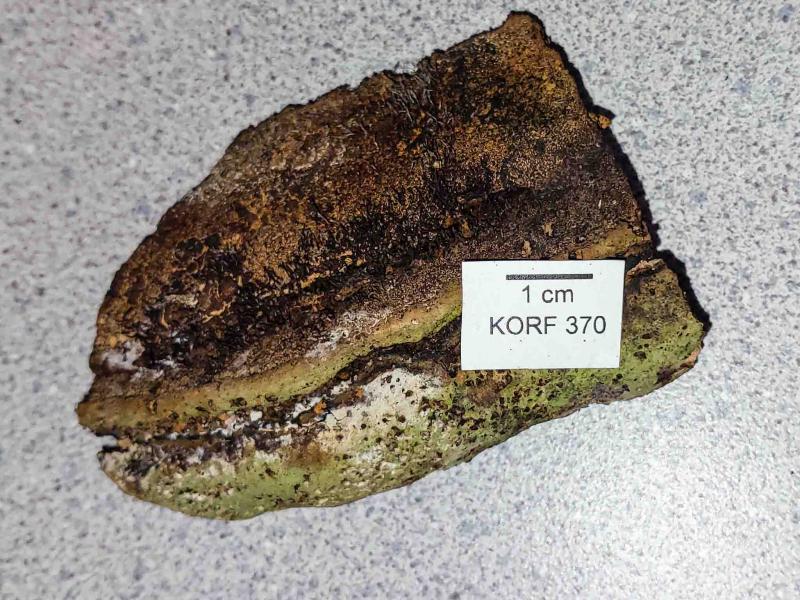
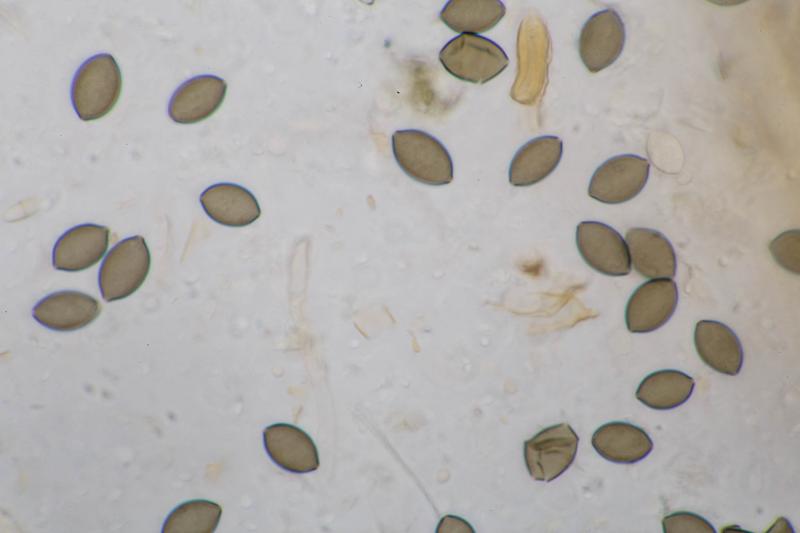
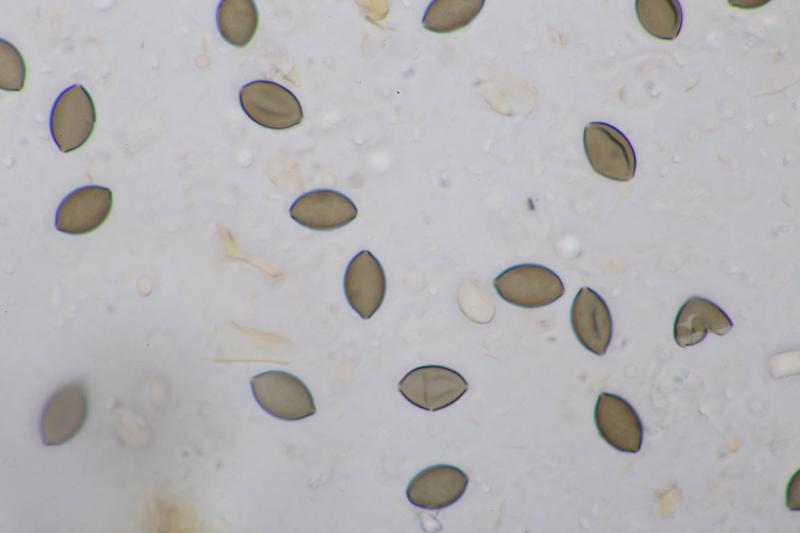
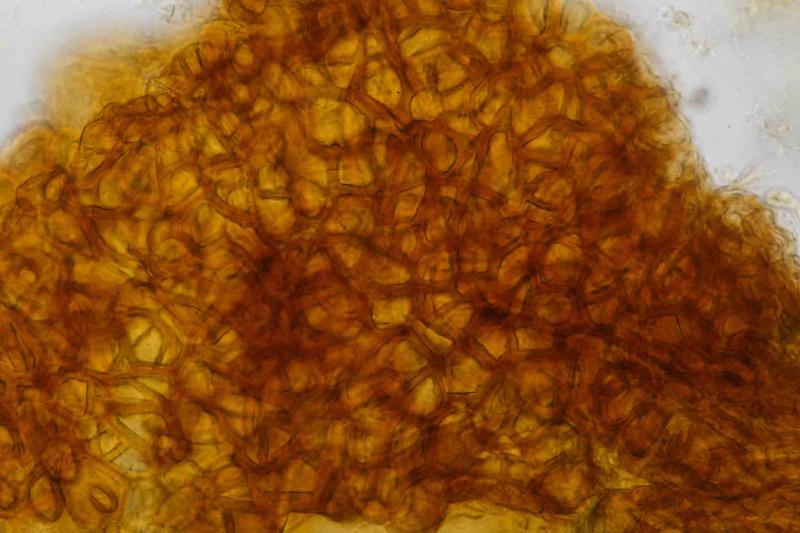
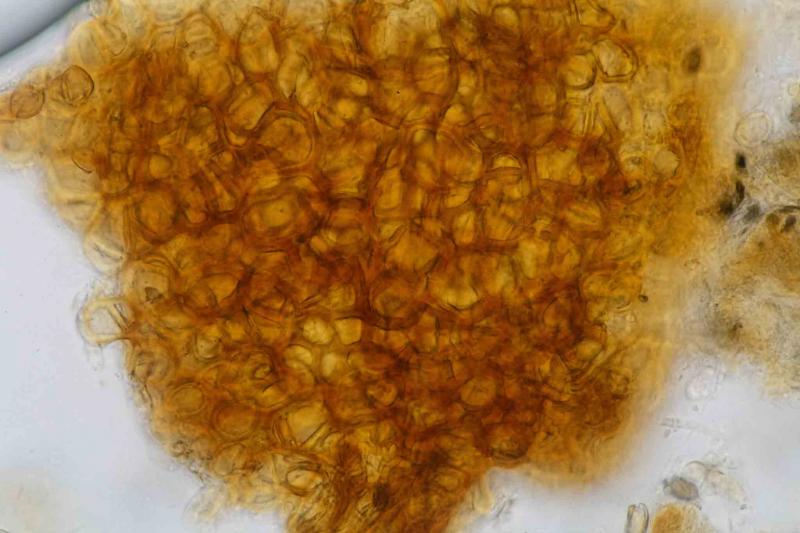
 Melanospora cf. lagenaria on old, rotting, fallen and still attached FBs of conk (possibly Fomes sp.)
near Purchase Road, Appalachian Highlands Science Learning Center, Great Smoky Mountains National Park, Haywood County, North Carolina, USA
https://www.inaturalist.org/observations/305939943
Collected during the 2025 Richard P. Korf Memorial North American Ascomycete Foray (aka "The Korf Foray), held at the Appalachian Highlands Science Learning Center in Purchase Knob, North Carolina.
no sequences available
photo credits: Danny Newman
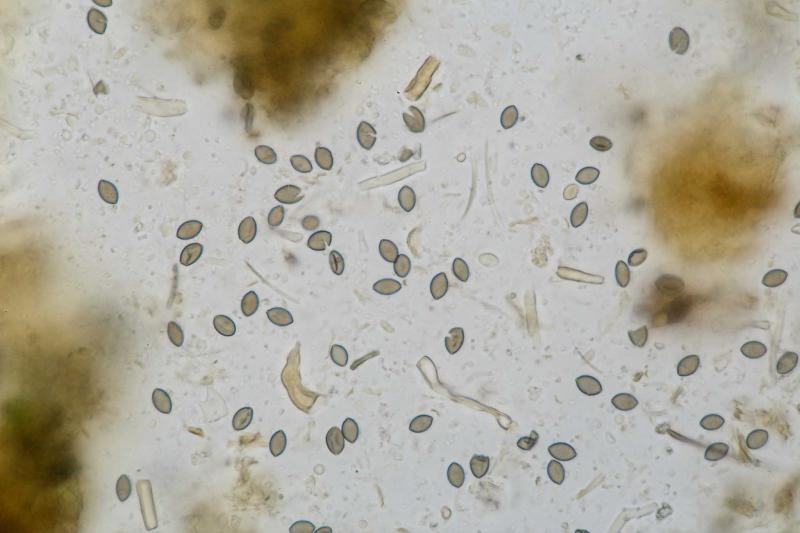
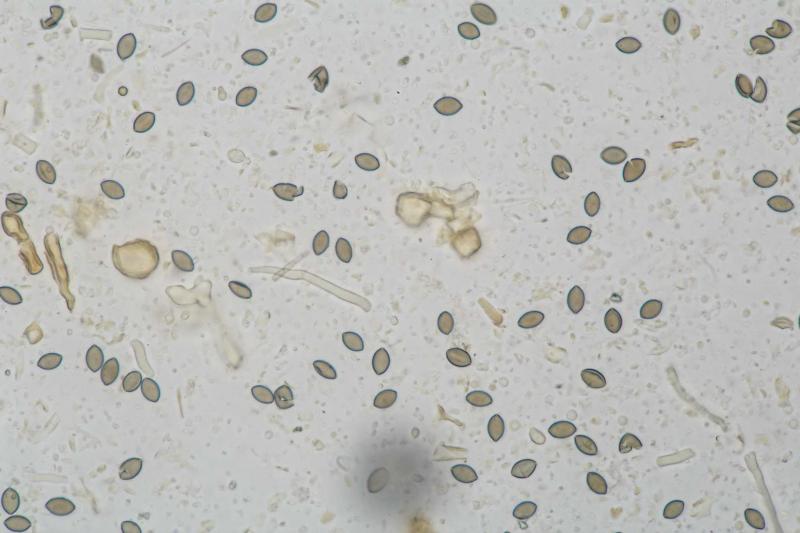
micrograph credits: Danny Newman
Of what I believe are two distinct ophiostomatoid fungi shown, the larger of them is the target organism, and it is spores from this fungus which are shown in the micrographs and in the measurements below.
Spores:
(10.7) 11.6 - 13.2 (13.7) × (6.4) 7 - 8 (8.4) µm
Q = (1.5) 1.54 - 1.7 (1.9) ; N = 20
Me = 12.3 × 7.5 µm ; Qe = 1.6
Different references give different spore size ranges for M. lagenaria, and if anything our spores seem small by comparison. Our collection would appear to constitute a range extension for M. lagenaria, if it can indeed be said to be that sp.. Is there another possibility?
Any and all help is greatly appreciated. Additional micrographs available upon request.
Enrique Rubio,
16-12-2025 18:26

Re : Melanospora cf. lagenaria on decaying polypore
Hi Danny
My own european collection on Fomitopsis (Piptoporus) betulina seems to match yours well. I think you should study the hairs.
https://www.centrodeestudiosmicologicosasturianos.org/?p=25315
My own european collection on Fomitopsis (Piptoporus) betulina seems to match yours well. I think you should study the hairs.
https://www.centrodeestudiosmicologicosasturianos.org/?p=25315