
10-06-2026 21:16
 François Freléchoux
Bonsoir,Le dernier du jour, en attendant votre avi
10-06-2026 21:07
François Freléchoux
Toutes les tiges de gentianes jaunes de l'an passÃ
10-06-2026 13:41
François Freléchoux
Bonjour à nouveau, Voici une trouvaille d'hier.
09-06-2026 18:32
Camille MertensSur morceau de roseau immergé 0,5 - 0,7 mm de dia
10-06-2026 11:53
Steve ClementsBonjour, This disco is abundant on dead stems of
10-06-2026 12:54
Steve ClementsBonjour encore, Pouvez-vous m'aider, s'il vous pl
10-06-2026 10:45
François Freléchoux
Bonjour à nouveau, Encore une détermination qui
08-06-2026 10:16
 Spooren Marco
I don`t have a clou about this fungus,it is not in
10-06-2026 09:24
François Freléchoux
Bonjour, J'imagine que cette détermination ne do
08-06-2026 17:00
François BartholomeeusenGood day everyone, On June 5 2026, I collected de
Trichopezizella rubroguttata maybe?
Maria Plekkenpol,
30-04-2023 20:03
 Hello (again :) ),
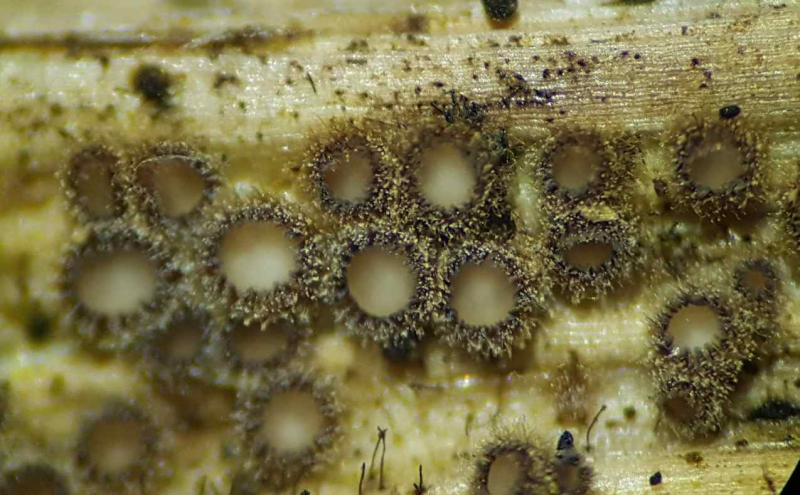
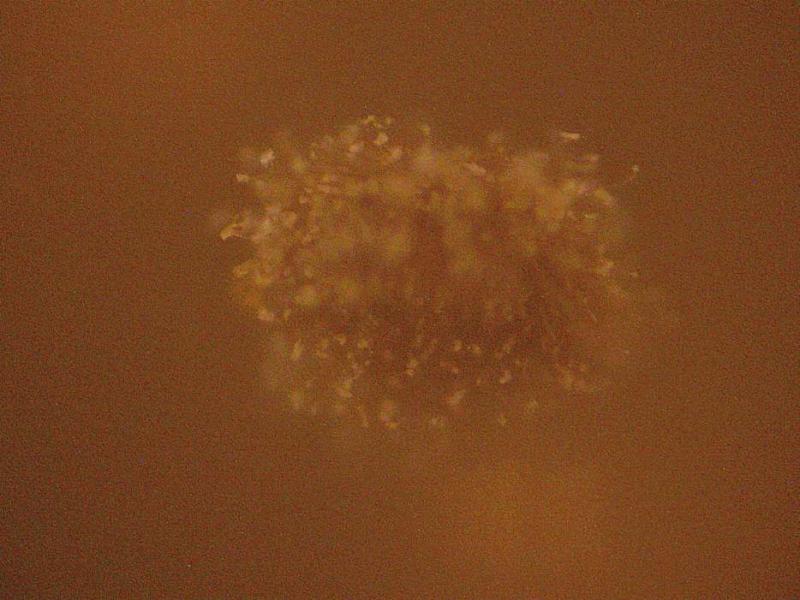
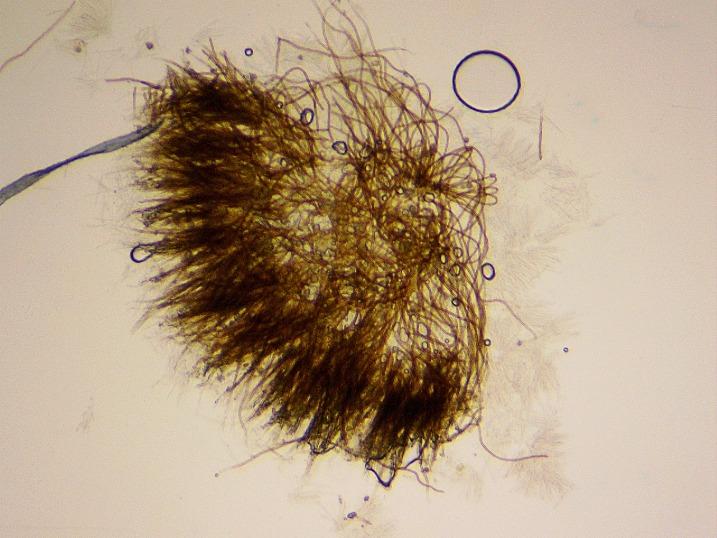
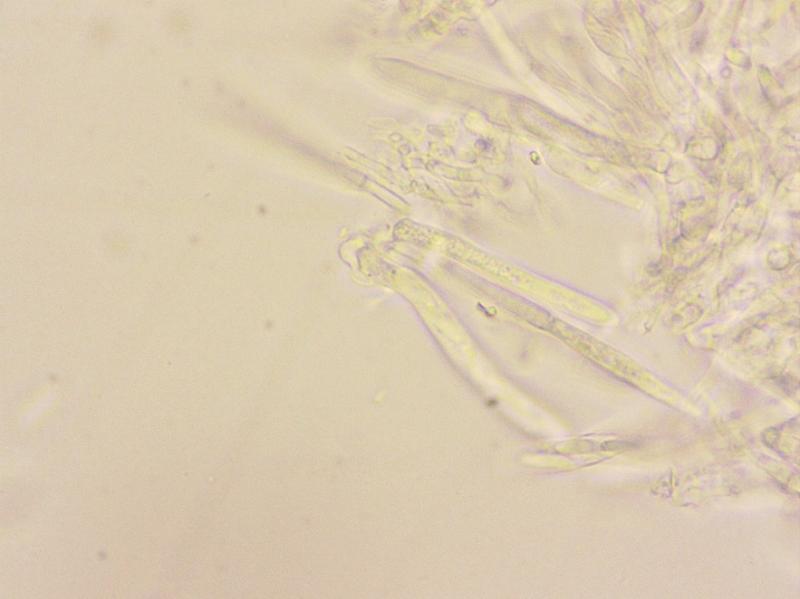
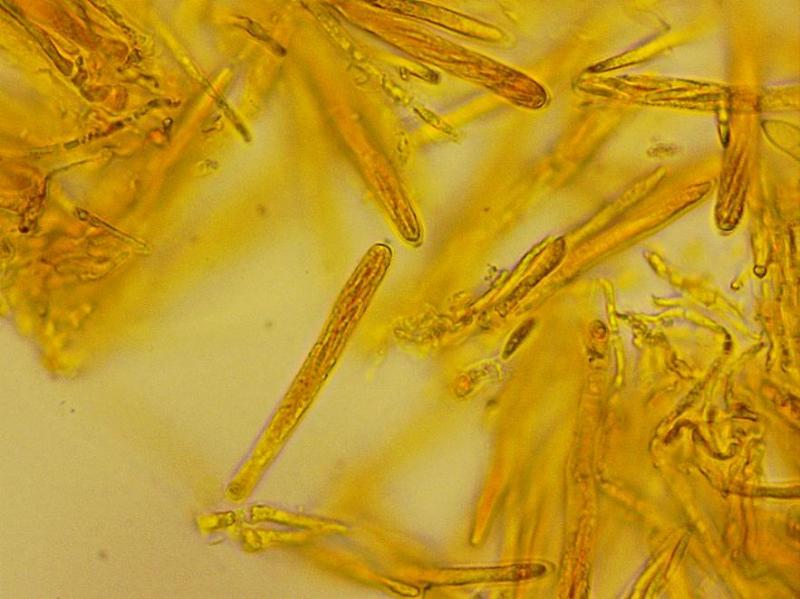
On old stem of Urtica I saw these asco's. Brown hairs with whitish material (at first thought of parasitic fungi). Hymenium whitish, apothecia small: max 0,5 mm.
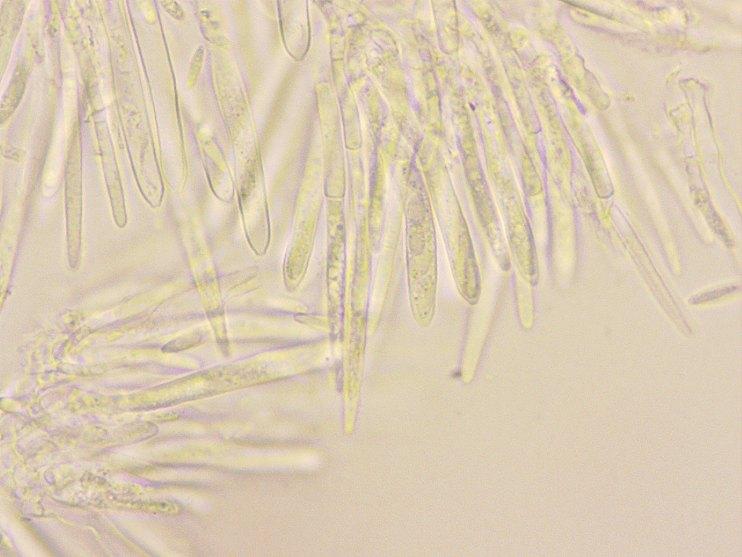
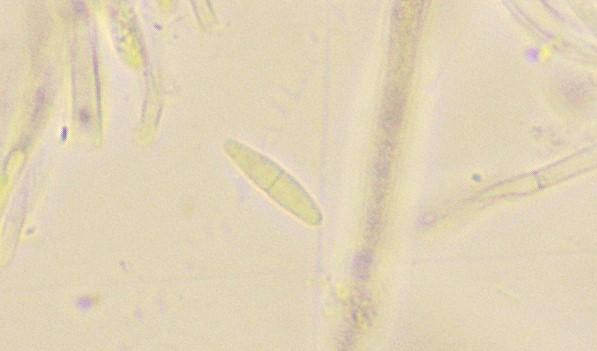
Asci 8 spored, clavate (but very narrowly so), croziers + , J +. 42-46 x 4,2-5.
Paraphyses exceeding the asci, lanceolate. Spores fusoid, septated when mature, 9-13,2 x 2-2,5.
Considering that it's not growing on wood, not growing on Polygonatum, having asci with croziers and the spore size: could it be T. rubroguttata?
(Must say that to my surprise this species is not known in the Netherlands?)
Thank you (again :) )!
Hans-Otto Baral,
30-04-2023 20:49

Re : Trichopezizella rubroguttata maybe?
Hello
a closeup of the hairs would be good, but in any case I see that the hairs near the base are undulating, very typical of Lasiobelonium. On dicots occurs L. nazarovae, for which I used for a long time the possibly wrong name L. lanceolatum. Maybe this genus is not easy and the limits to the wood-inhabiting L. variegatum are not clear-cut. There exist also collections on grasses.
Maria Plekkenpol,
30-04-2023 21:51
Re : Trichopezizella rubroguttata maybe?
Thanks for your answer Zotto, I will then keep it open!
Alas :), but that's what it is! Learned a lot again anyway!
Kind regards, Maria
Alas :), but that's what it is! Learned a lot again anyway!
Kind regards, Maria