
09-06-2026 18:32
Camille MertensSur morceau de roseau immergé 0,5 - 0,7 mm de dia
10-06-2026 13:41
 François Freléchoux
Bonjour à nouveau, Voici une trouvaille d'hier.
10-06-2026 11:53
Steve ClementsBonjour, This disco is abundant on dead stems of
10-06-2026 12:54
Steve ClementsBonjour encore, Pouvez-vous m'aider, s'il vous pl
10-06-2026 10:45
François Freléchoux
Bonjour à nouveau, Encore une détermination qui
08-06-2026 10:16
 Spooren Marco
I don`t have a clou about this fungus,it is not in
10-06-2026 09:24
François Freléchoux
Bonjour, J'imagine que cette détermination ne do
08-06-2026 17:00
François BartholomeeusenGood day everyone, On June 5 2026, I collected de
07-06-2026 15:10
 William Slosse
Hello everyone,On 05-06-26, I found following asco
On Reed
Anna Klos,
09-04-2023 11:49
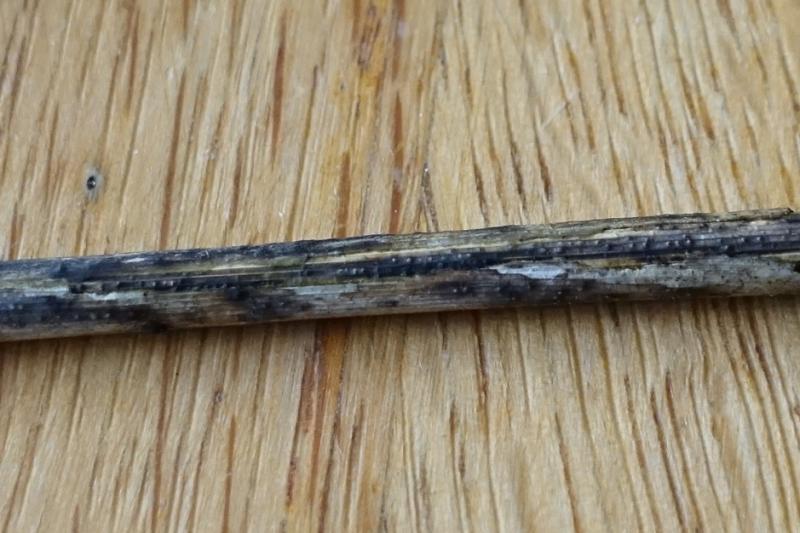
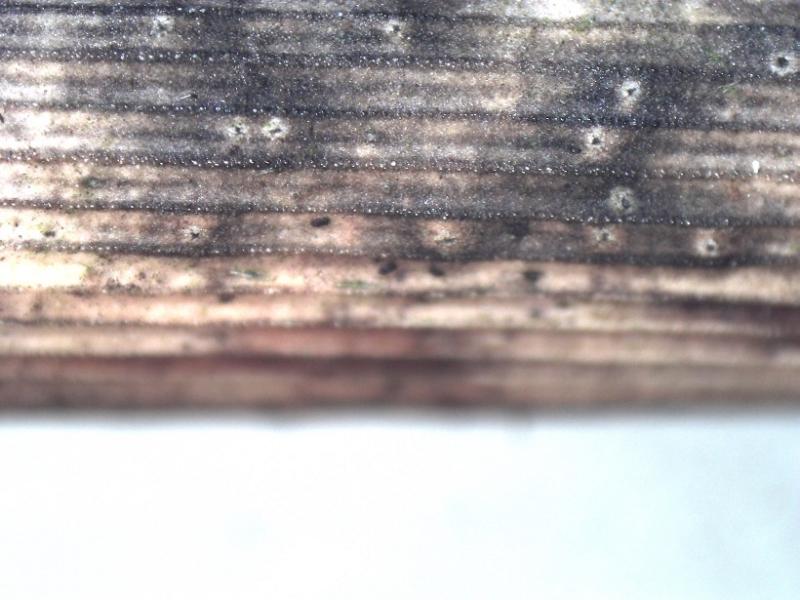
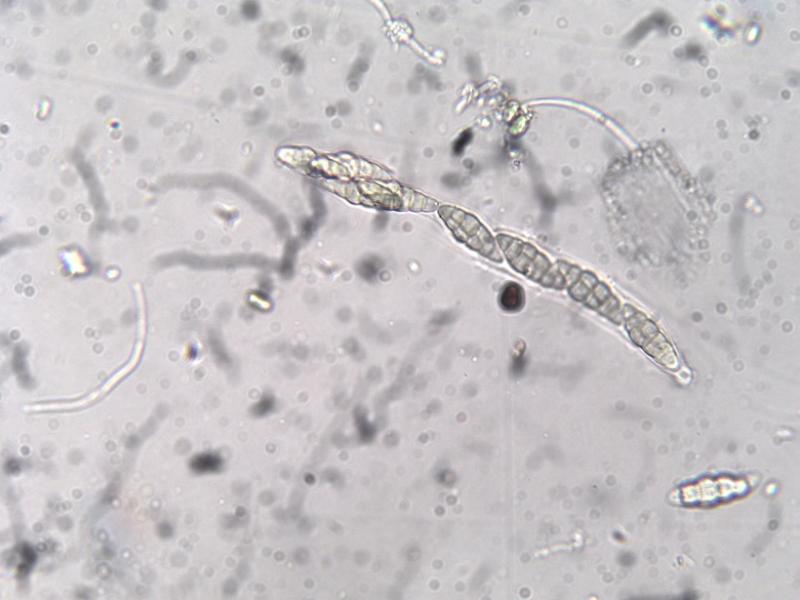
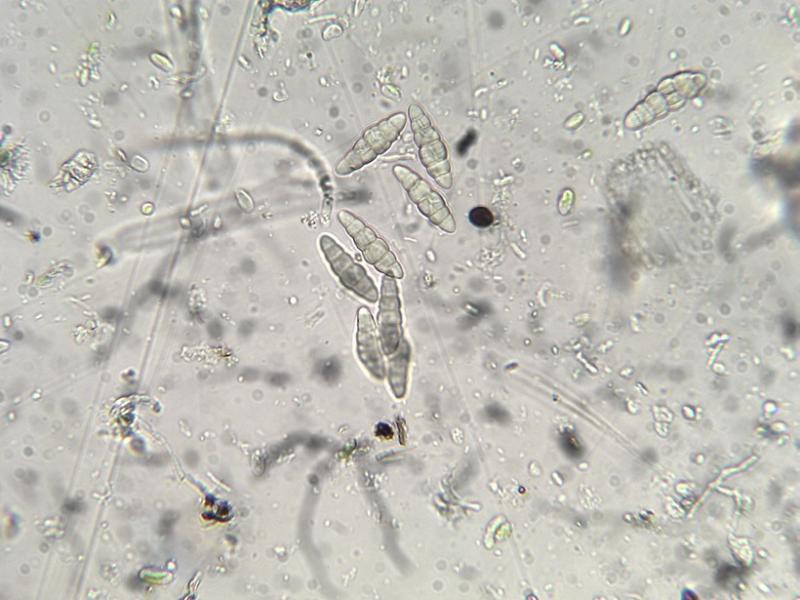
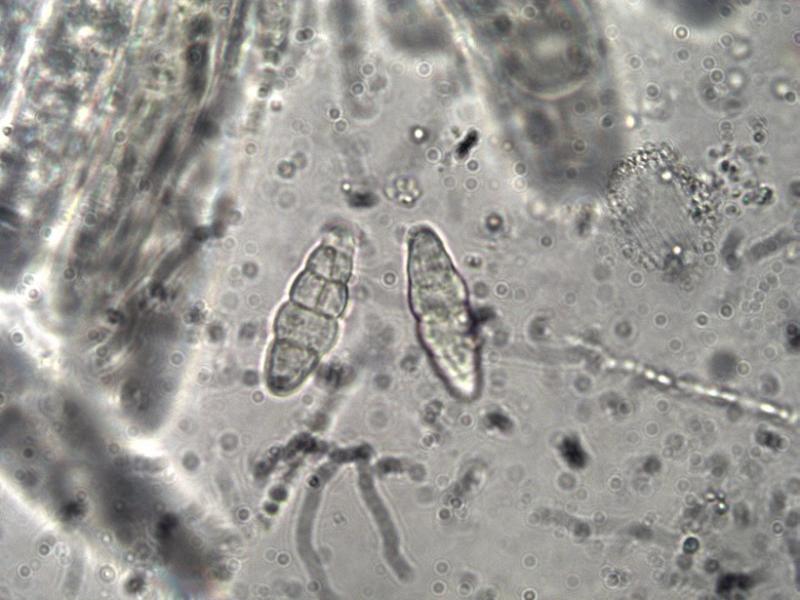
This week I received an email from a friend with some photos of a Pleospora or Phaeosphaeria species on reed.
She thinks it could be Pleospora abscondita.
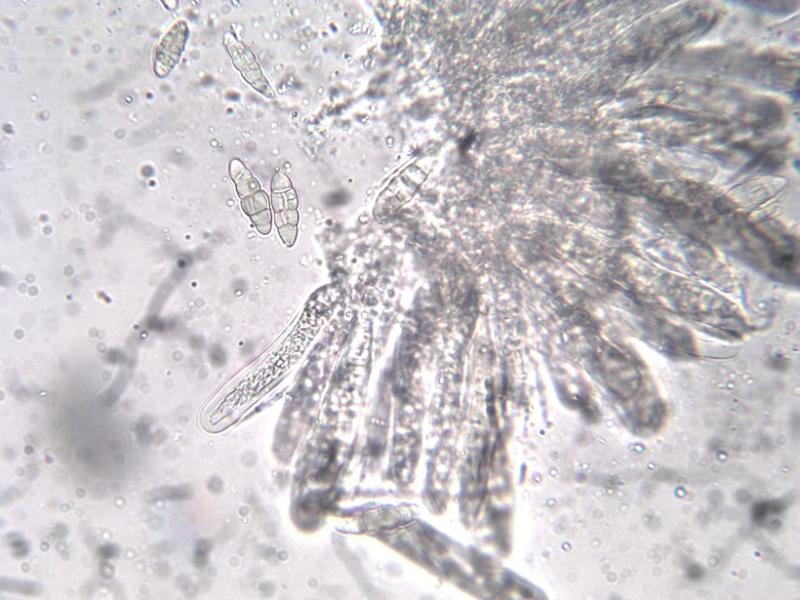
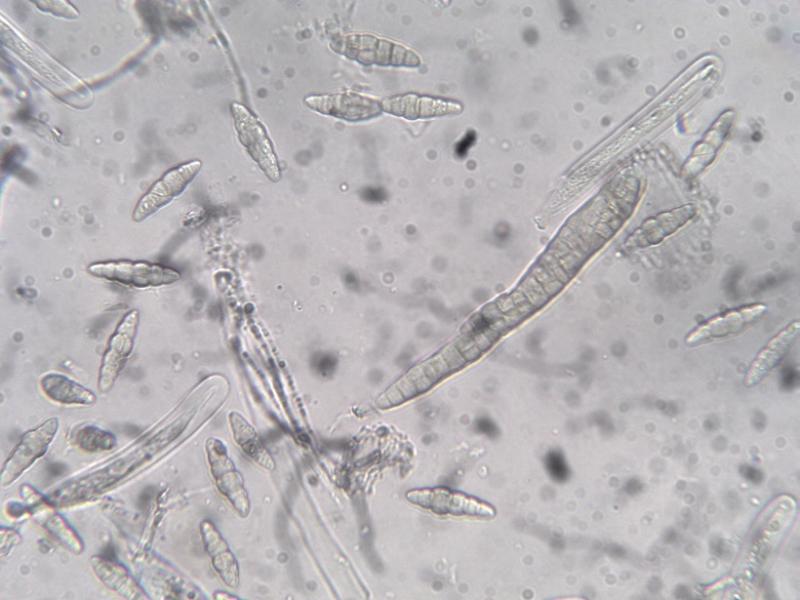
She says: " White dots, black flat and round underneath the surface, spores 35-40 mu long".
Spores: 5-septate, with longitudinal septa
The information I found and received from Riet van Oosten suggests that it could also be Phaeosphaeria vagans. The other possibilities are Phaeosphaeria Phragmitis (not recorded in the Netherlands yet) and Phaeosphaeria Phragmicola.
Which of these species could it be?
Yours sincerely,
Anna
Hardware Tony,
10-04-2023 21:04

Re : On Reed
May I refer you to a similar issue with these species as detailed by Riet van oosten at this forum on 18-05-2018 at:
http://www.ascofrance.com/forum/53484/re-phaeosphaeria-pleosporaceae-pleospora-abscondita
Appears more likely to be P. abscondita?
regards Tony
http://www.ascofrance.com/forum/53484/re-phaeosphaeria-pleosporaceae-pleospora-abscondita
Appears more likely to be P. abscondita?
regards Tony