21-04-2026 13:36
Gernot FriebesHi,I am out of ideas for this one. I collected Sal
21-04-2026 13:19
Gernot FriebesHi,this Lophodermium on Typha has ascospores measu
21-04-2026 13:05
Gernot FriebesHi,this hyphomycete feels familiar but I was not a
20-04-2026 22:00
 Malcolm Greaves
These pale yellow, hairy ascos were growing on cul
19-04-2026 21:23
Steve ClementsBonjour, I found this anamorphic fungus on old pl
19-04-2026 20:46
Steve Clements1 mm diameter approx spherical conidiophores on pl
12-04-2026 17:56
 Hardware Tony
Found on dead stems in February earlier this year
17-04-2026 19:16
 Enrique Rubio
Hi to everybodyI would appreciate any assistance r
14-04-2026 05:32
Ethan CrensonHi all, A few weeks back a friend pointed out som
Kernia??
Sven Heinz,
19-10-2019 19:16

Hello,
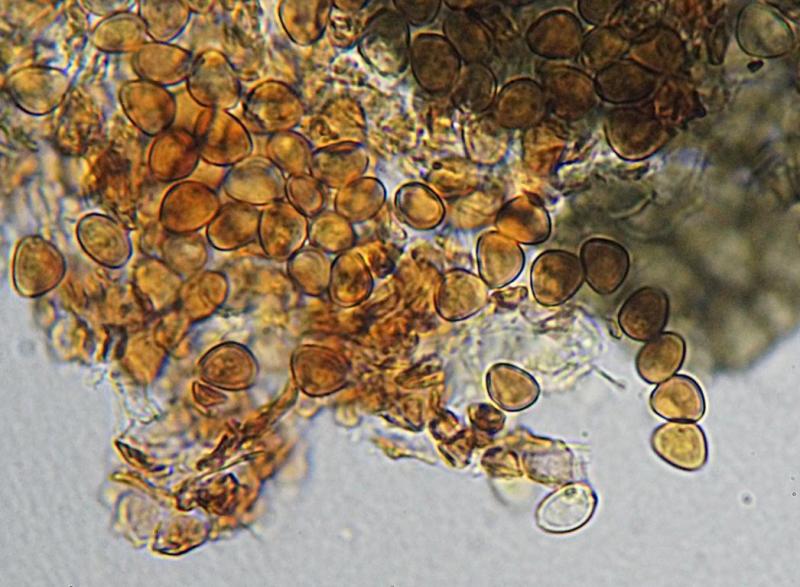
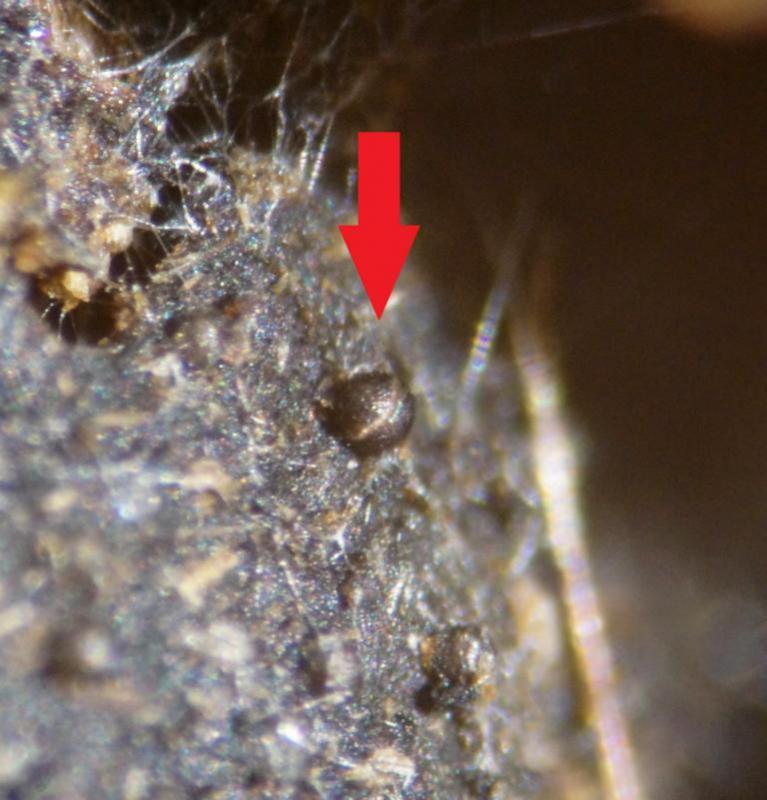
i found this fungi on dung of Cavia porcellus. Does anyone have an idea what that is? Maybe Kernia?
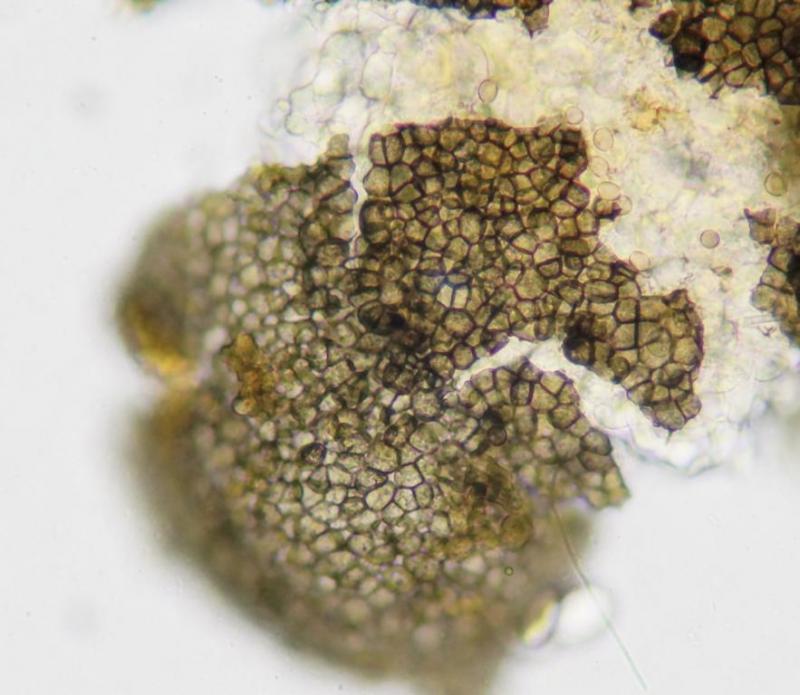
Fruitbody: 200 - 250 µ diameter, no hairs
Ascus: not see
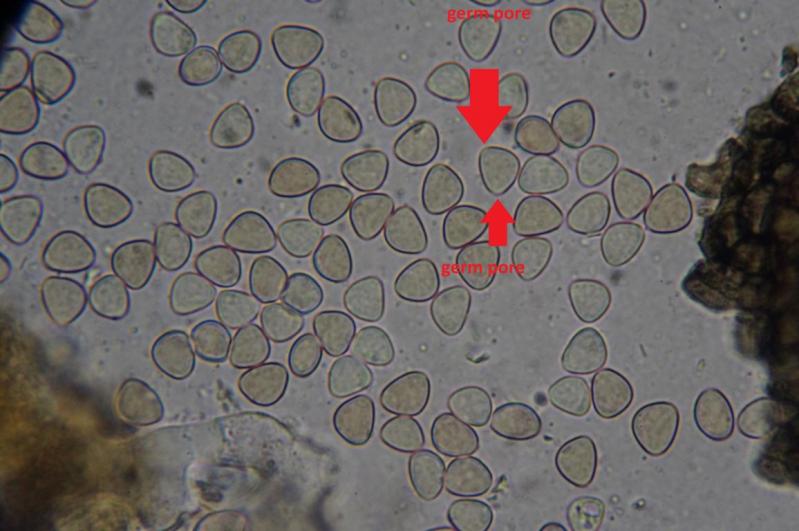
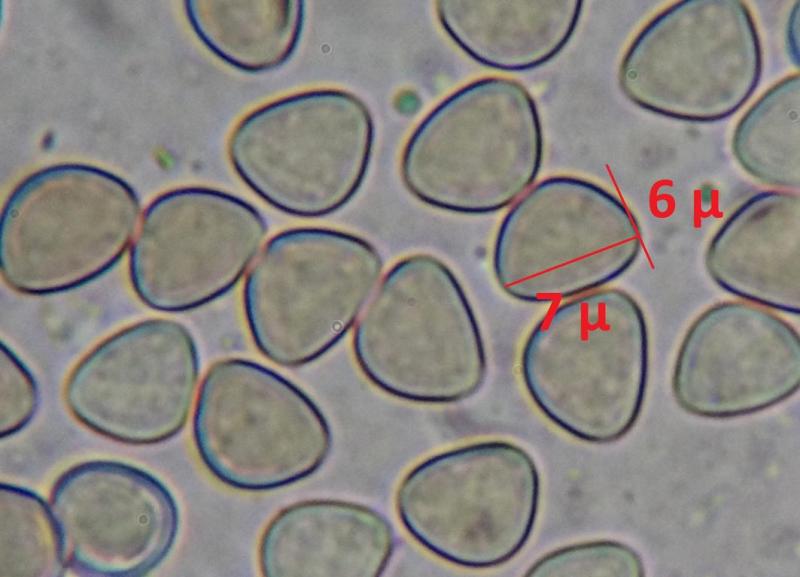
Spores: triangolar, 7 x 6 µ
Greetings Sven
Michel Delpont,
19-10-2019 21:18

Re : Kernia??
Hello Sven
I think it is the genus Kernia, the spore measurement and the shape could be K.hippocrepida or maybe K.peruviana, but the latter has smaller spores. You would have to see if the perithecia are hairy or not, but also if the spores have one or two pores.
Michel.
Norbert Heine,
20-10-2019 00:27

Re : Kernia??
Like Michel says, Kernia hippocrepida seems to be a good idea because of the reniform ascospores. Nice found!
Maybe that's a "non-ostiolate relative of Microascus trigonosporus" (Arx et al. 1988).
Norbert
Sven Heinz,
20-10-2019 17:51
Re : Kernia??
Thank you for help!
Greetings Sven
David Malloch,
20-10-2019 18:07

Re : Kernia??
The little crack in the cleistothecium appears to be showing orange ascospores typical of Kernia and other Microascaceae. If you have young material the developing ascospores may be strongly dextrinoid in Melzer's. I rather doubt it is K. hippocrepida, which has more horseshoe-shaped ascospores.
You might also wish to consider some other fungi previously included in Thielavia, such as Eremodothis angulata and Chaetomium hamadae (described by Cain as Thielavia variospora). A culture with anamorphs would help too.
You might also wish to consider some other fungi previously included in Thielavia, such as Eremodothis angulata and Chaetomium hamadae (described by Cain as Thielavia variospora). A culture with anamorphs would help too.
Sven Heinz,
27-10-2019 18:38
Re : Kernia??
Hello David,
thank you for your answer! The spores are dextrinoid in Melzers! Maybe someone can give me the literature of Cain?
Greetings Sven