
29-05-2026 15:35
daniel FERREBonjour à tous,Je voudrais votre aide pour cette
28-05-2026 16:15
James MitchellHello,Does anyone have the original publication of
28-05-2026 11:06
Thomas Læssøehttps://svampe.databasen.org/observations/10596750
23-05-2026 11:44
 Charles Grapinet
Hello, I am having trouble identifying this copro
25-05-2026 16:44
François BartholomeeusenHi forum members,During an excursion organised by
26-05-2026 21:25
Dirk GerstnerHello everyone, I'm completely stumped by this li
26-05-2026 22:44
Ethan CrensonHi all, I think I have Incrucipulum capitatum her
22-05-2026 14:44
 Lothar Krieglsteiner
in unripe condition citrine yellow, then soon fadi
25-05-2026 16:35
 Bernard CLESSE
Bonjour à toutes et tous,J'ai trouvé récemment,
22-05-2026 13:29
Gernot FriebesHi,I am curious to hear your opinion on this mater
Hairy anamorph on plywood with beaked curved conidia
Steve Clements,
19-04-2026 21:23
Bonjour,
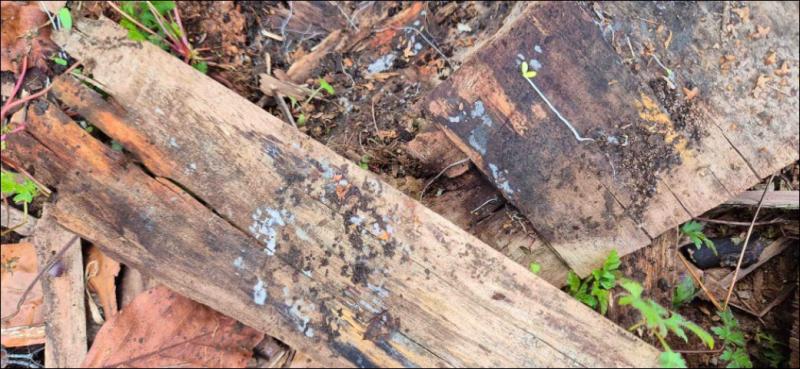
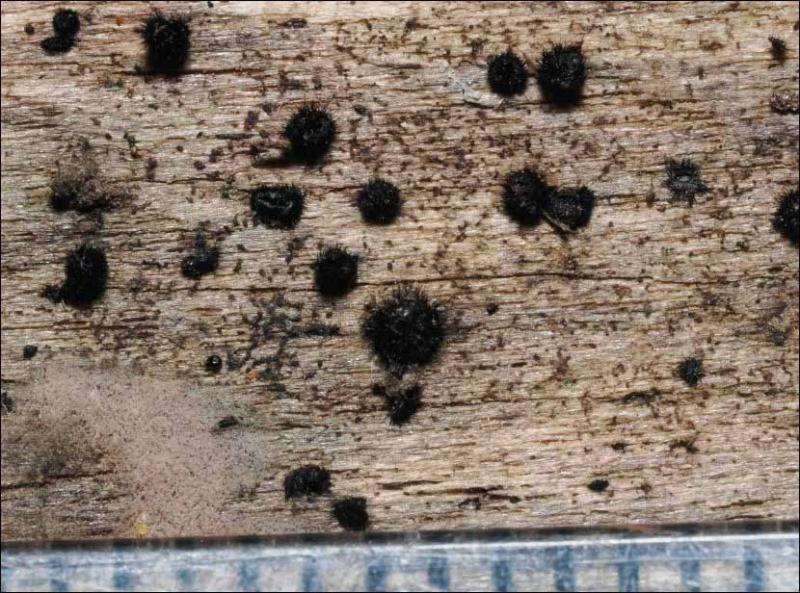
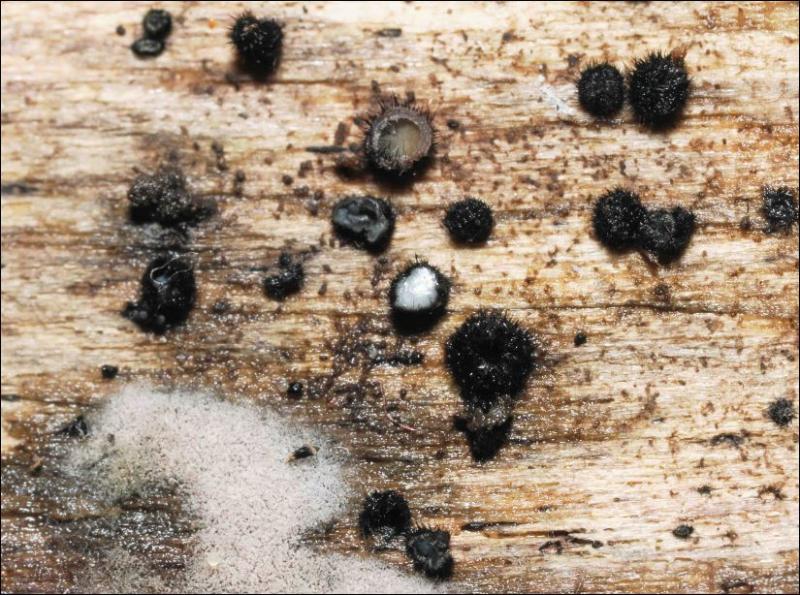
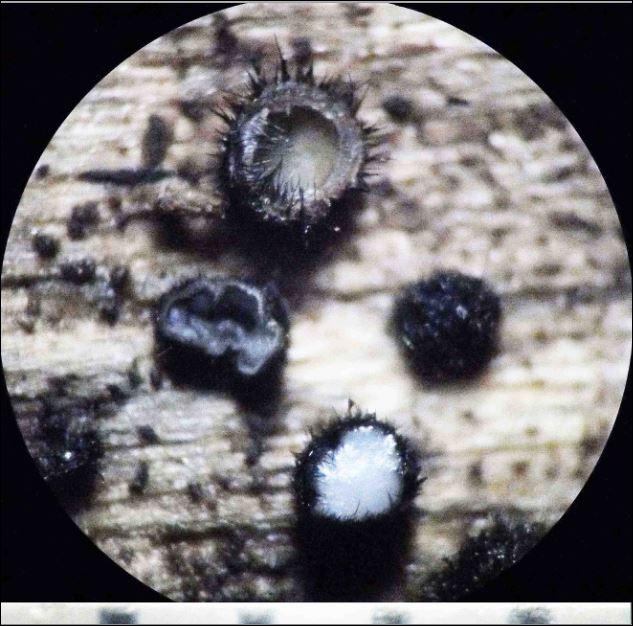
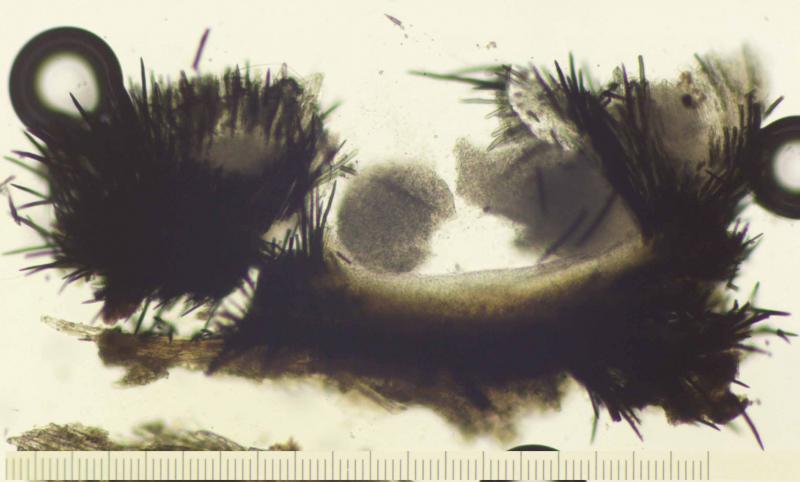
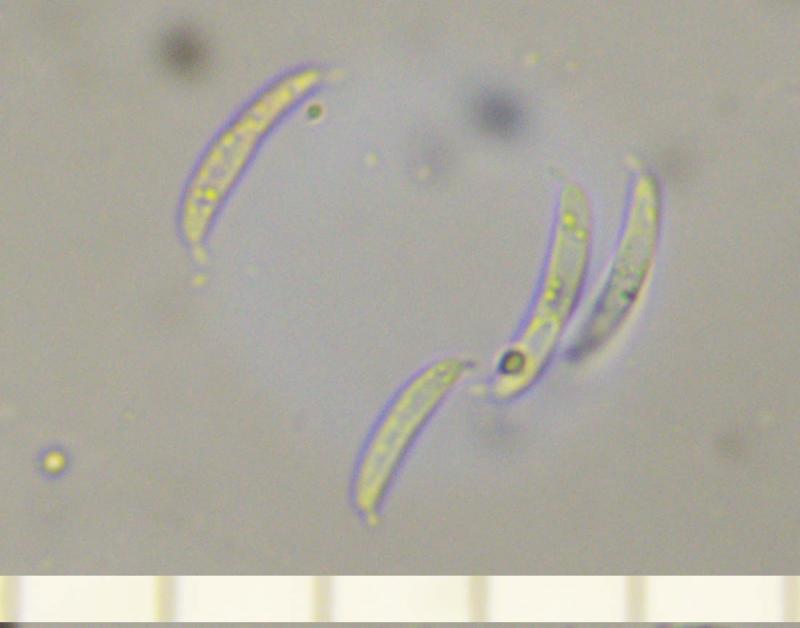
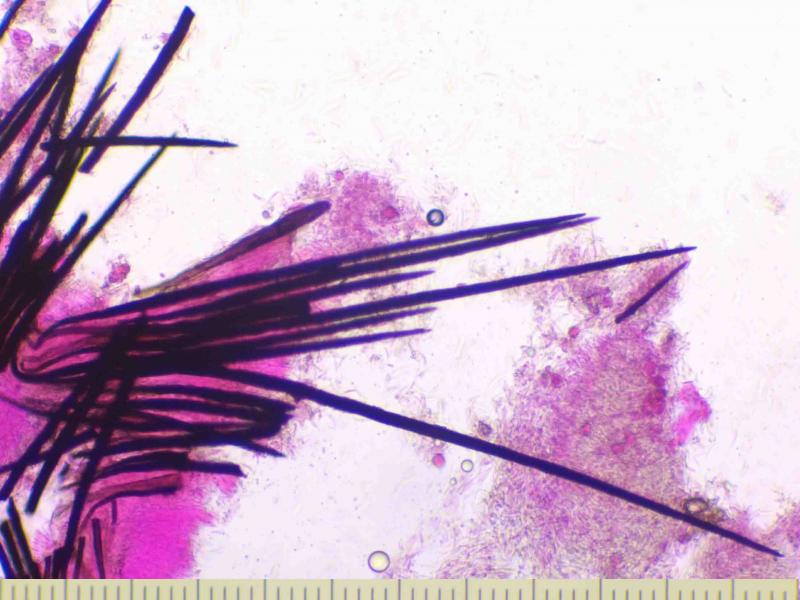
I found this anamorphic fungus on old plywood in our allotment garden in Sheffield, N. England. It was approx 1 mm diameter, roughly sperical, covererd densely with setae uo to 150 um. It contained a mass of curved conidia 12-15 x 2.5 um, with beaks at each end visible on oil-immersion. On hydration in a moist chamber, the conidiophores tended to open/split to reveal the whitish conidial mass. I cannot find any matches in Ellis & Ellis Microfungi on Land Plants.
I am compiling a list of fungi found on the allotment gardens over the past 20 years in order to add to the data illustrating the biodiversity value of allotment gardens in large cities. Any help in allocating this fungus to any level would be appreciated,
Merci beaucoup,
Steve
Steve Clements,
19-04-2026 21:46
Re : Hairy anamorph on plywood with beaked curved conidia
Merci Mathias!
My conidia measure a little smaller but the description and illustration in Ellis & Ellis no. 1321 look right for Pseudolachnea hispidula.
Here is a section which looks like the illustration.
My conidia measure a little smaller but the description and illustration in Ellis & Ellis no. 1321 look right for Pseudolachnea hispidula.
Here is a section which looks like the illustration.
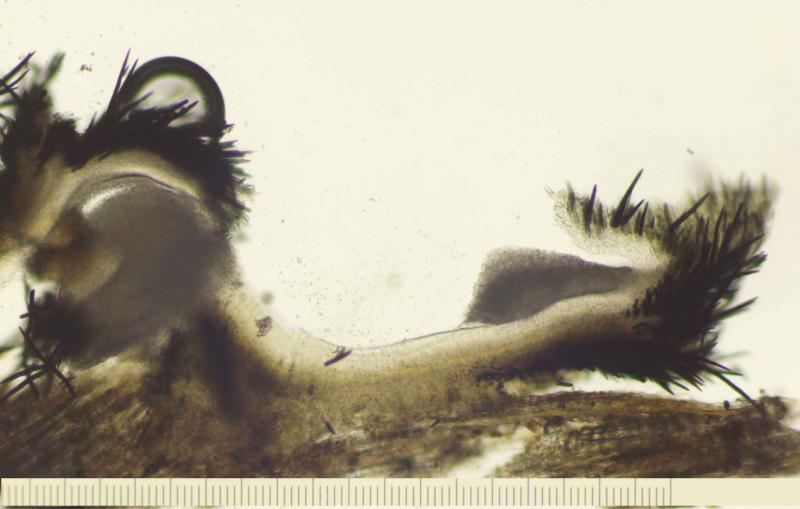
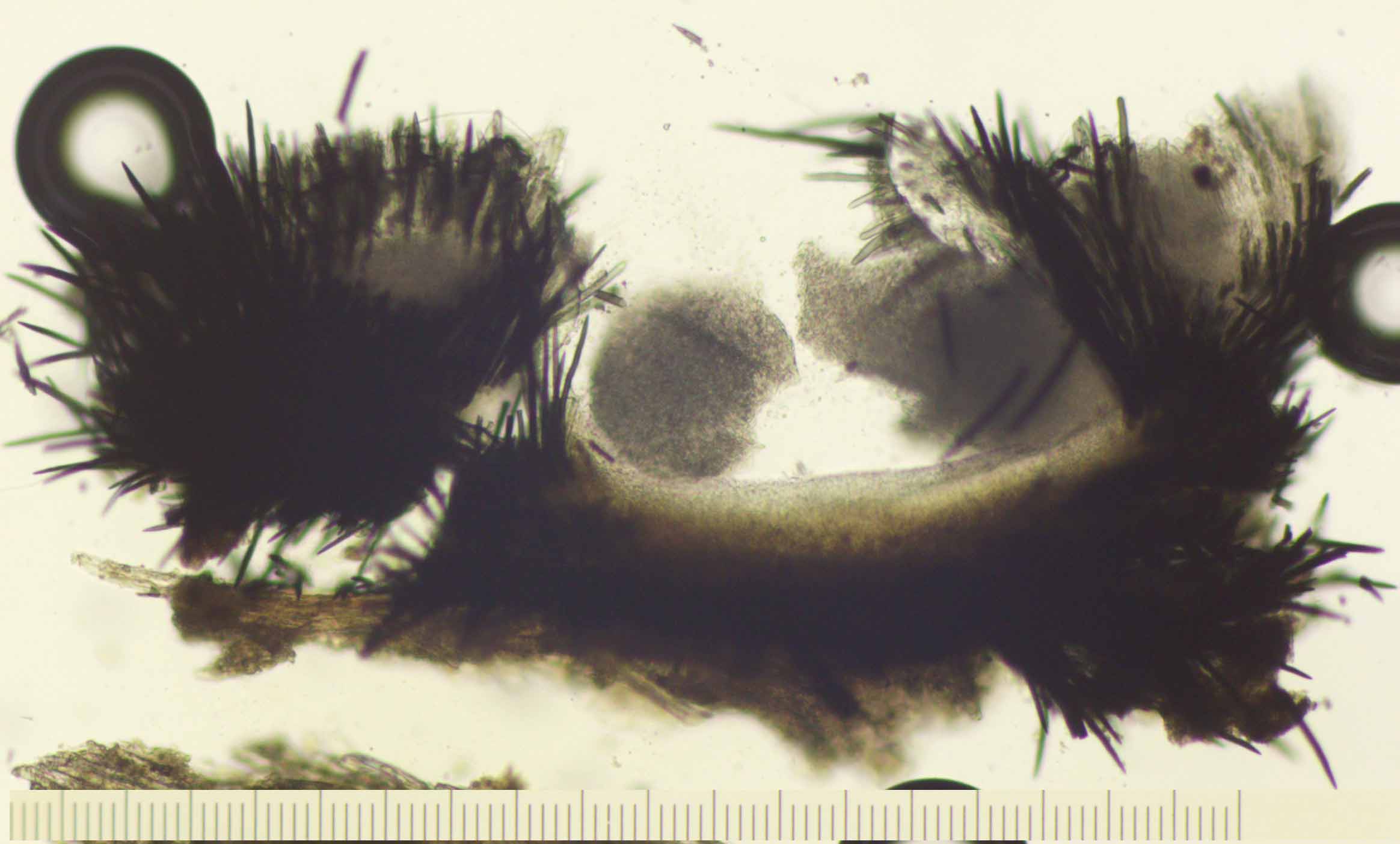 conidiophore opening to become cupulate