
22-04-2026 01:06
 Richard VALERI
Bonjour à tous.Je vous présente cette Nectria s.
21-04-2026 13:36
Gernot FriebesHi,I am out of ideas for this one. I collected Sal
21-04-2026 13:19
Gernot FriebesHi,this Lophodermium on Typha has ascospores measu
21-04-2026 13:05
Gernot FriebesHi,this hyphomycete feels familiar but I was not a
20-04-2026 22:00
 Malcolm Greaves
These pale yellow, hairy ascos were growing on cul
19-04-2026 21:23
Steve ClementsBonjour, I found this anamorphic fungus on old pl
19-04-2026 20:46
Steve Clements1 mm diameter approx spherical conidiophores on pl
12-04-2026 17:56
 Hardware Tony
Found on dead stems in February earlier this year
Fracchiae
Eduard Osieck,
06-08-2019 20:56
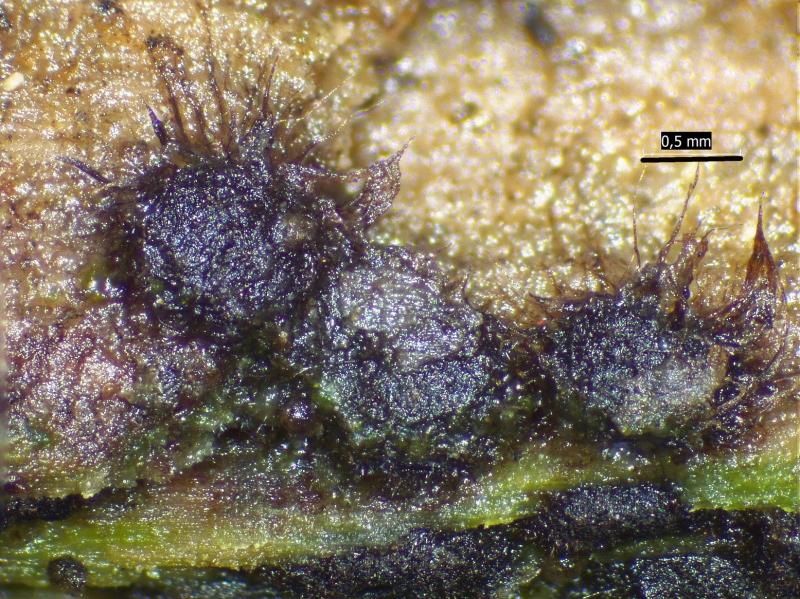
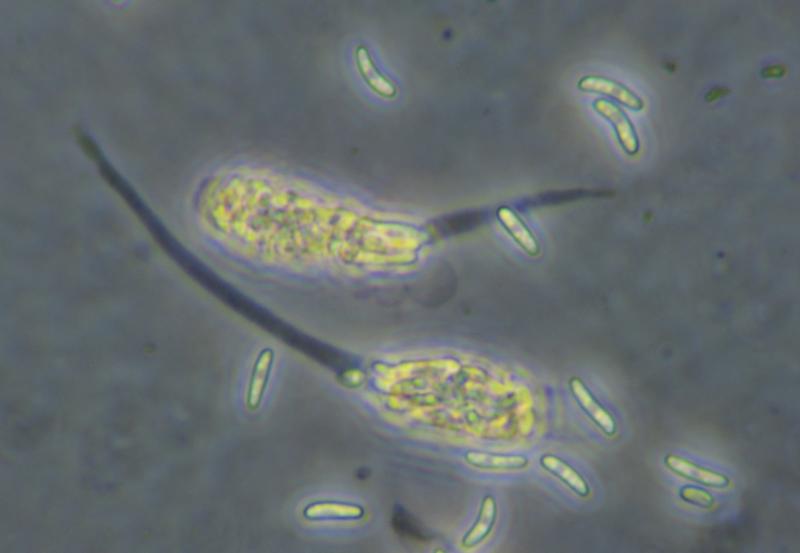
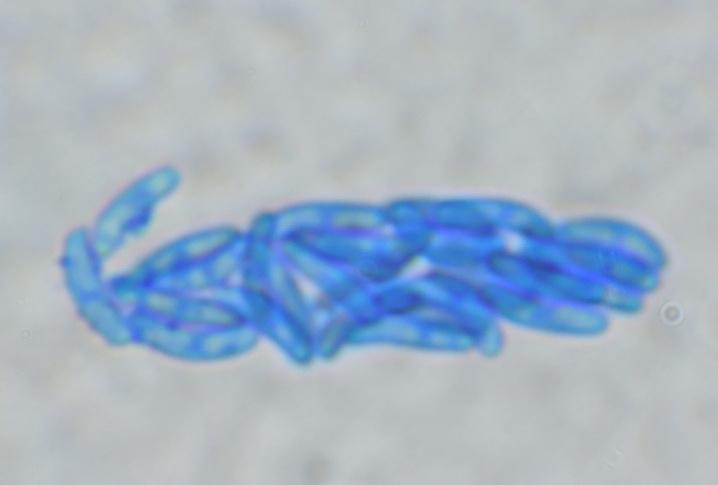
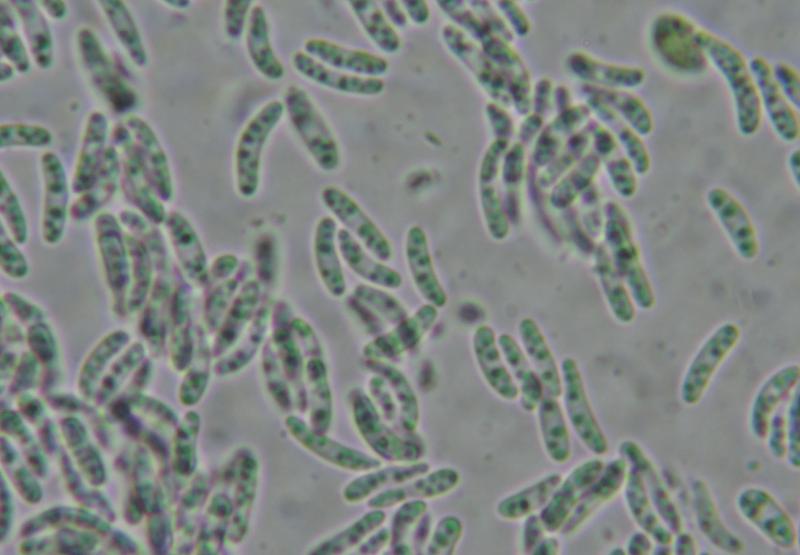
The genus is fairly easy to determine: Fracchiae of which Fr. broomeana is most well known. The latter species has far more spores per ascus (200+) so has to be excluded. A world key or recent monograph does not exist but a compilation of all available descriptions showed that Fr. pulchella (Sacc.) Lar. N. Vassiljeva is presumably the best match. This species is also known as Acanthonitschkea pulchella Nannfeldt. Features of this species are 32 spores/ ascus, spore length 6-12 um, and long setae (Nannfeldt 1975). The only problem is that it appears only to be known from tropical regions (Africa, Asia).
Are there any records of this or of similar looking species known in Europe?
Any help would be appreciated, Eduard
Thomas Læssøe,
07-08-2019 10:16
Re : Fracchiae
you forgot to give a locality for your material :-)
Eduard Osieck,
07-08-2019 10:54
Re : Fracchiae
Oh yes, that is not obvious from my query:
The collection was made in Houten (Utrecht) in the centre of the Netherlands.
Eduard
The collection was made in Houten (Utrecht) in the centre of the Netherlands.
Eduard