
26-03-2026 15:31
 Åke Widgren
Hello,I found this one in October last year, on r
27-03-2026 15:23
Gernot FriebesHi,this Trichopezizella deviates from typical T. b
25-03-2026 10:35
Hulda Caroline HolteHello,I collected this species growing on a dead b
27-03-2026 15:08
Gernot FriebesHi,I'm looking for help with this coelomycete on C
27-03-2026 10:47
Åge OterhalsI have tentatively identified this Stictis to S. f
24-03-2026 21:37
Elisabeth StöckliBonsoir,Sur bois (tronc) très pourri de conifère


25-03-2026 22:23
 Marc Detollenaere
Dear Forum,On a debarked stem of Tilia, we found s
24-03-2026 15:44
Åge OterhalsI hope someone can confirm the name of this collec
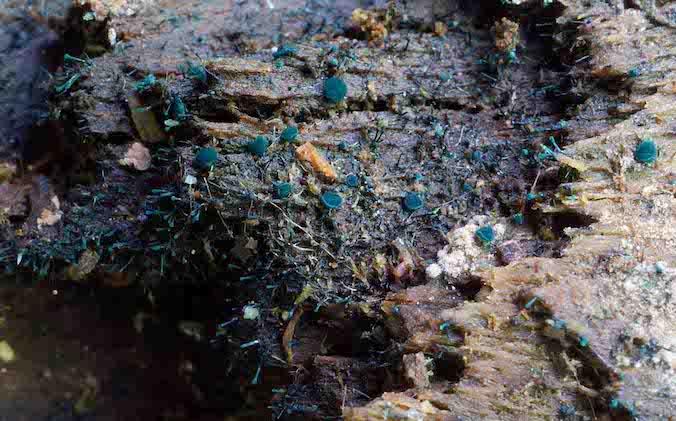
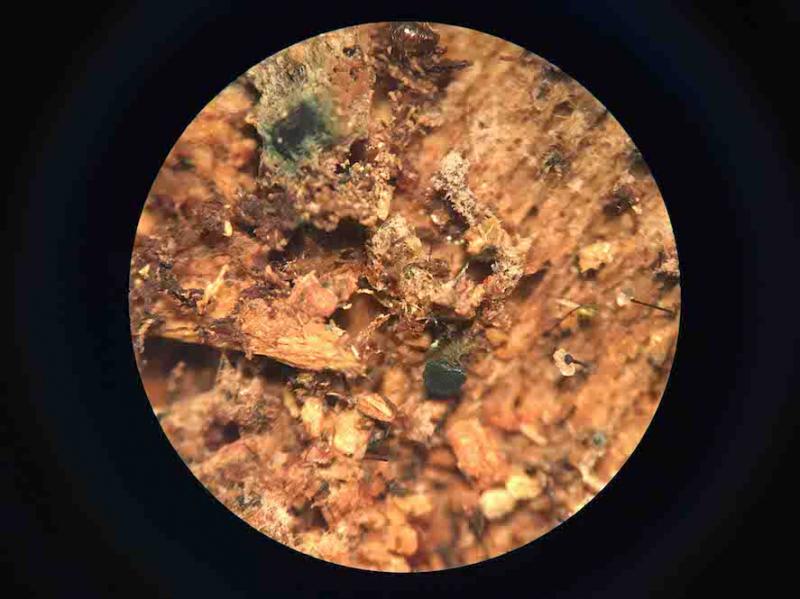
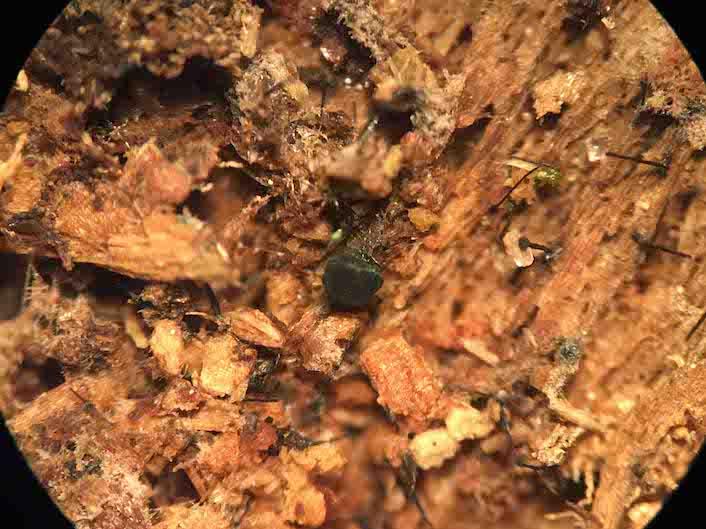
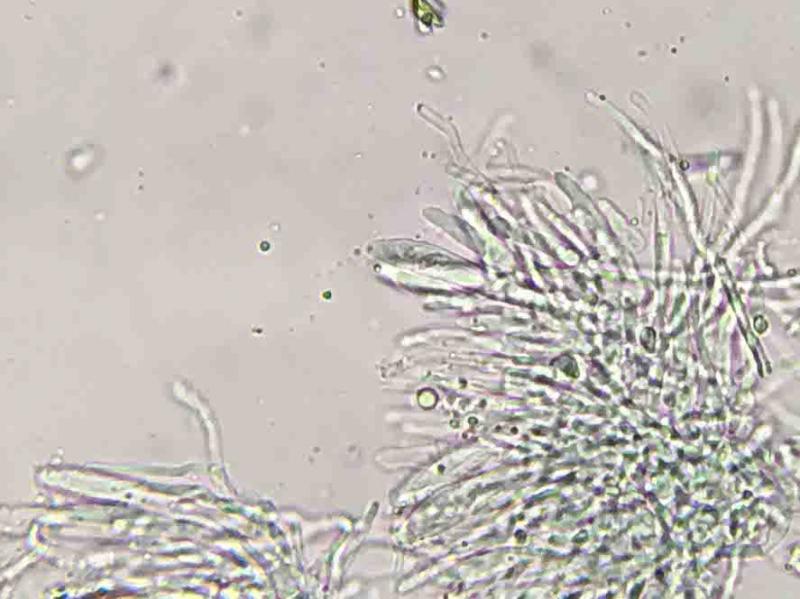
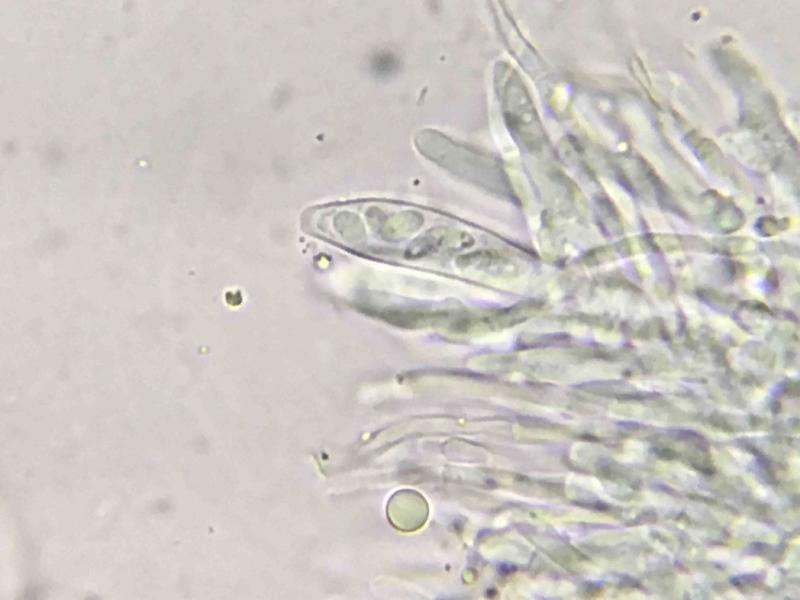
Claussenomyces sp.?
Bigelow Tom,
08-07-2017 02:06

Hans-Otto Baral,
08-07-2017 08:52

Re : Claussenomyces sp.?
Dear Tom
interesting observation but more data are necesary to help here.
You say the largest apos are 3 mm. With a razor blade you should easily make a median section to show the excipulu. Is it brown or hyaline? Cell shape? Where is it gelatinous?
Did you test Lugol for the ascus apex?
Do you have images of the anamorph too?
At present I have no idea for a genus.
Zotto
interesting observation but more data are necesary to help here.
You say the largest apos are 3 mm. With a razor blade you should easily make a median section to show the excipulu. Is it brown or hyaline? Cell shape? Where is it gelatinous?
Did you test Lugol for the ascus apex?
Do you have images of the anamorph too?
At present I have no idea for a genus.
Zotto