
08-05-2026 11:55
Gernot FriebesHi,found on a decorticated Picea abies branch stil
09-05-2026 07:37
 Zuzana Sochorová (Egertová)
Hello,please, could anyone share this paper?Ferná
11-05-2016 20:37
Zuzana Sochorová (Egertová)
Hi,this very little ascomycete grew on soil in a m

05-05-2026 22:40
Gernot FriebesHi,I believe this is a Plagiostoma growing on a Sa
06-05-2026 11:25
 Castillo Joseba
Me mandan el material seco de Galicia (España) re
06-05-2026 17:23
Thomas Læssøehttps://svampe.databasen.org/observations/10594257
28-04-2026 20:07
 Lothar Krieglsteiner
... on twig in the air at standing Ceratonia siliq
04-05-2026 18:13
 Stephen Martin Mifsud
ID request for what seems to be a true aquatic fun
04-05-2026 16:39
Stephen Martin Mifsud
ID request: This specimen was collected in Malta o
I need some help here because I just don't know where to begin...
Ascomata ±102, dried, collected some months ago, almost one year.
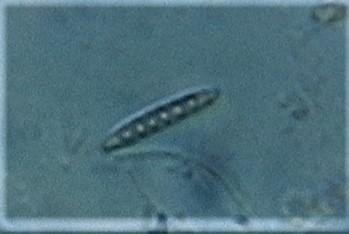
Spores 27.8-35.2 x 5-6.5
Me 31.9x5.7 4(?)-7 septate
Ascus 115.6x17.76
Paraphyses filiform some with slightly enlarged tips
Thank you,
Elsa
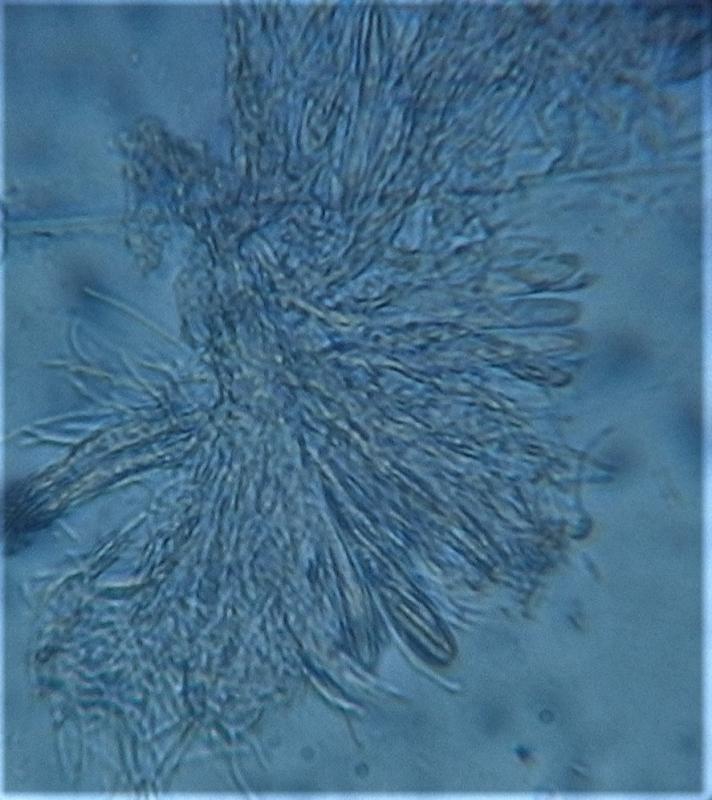
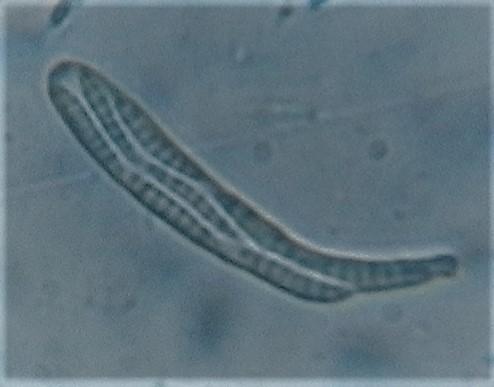
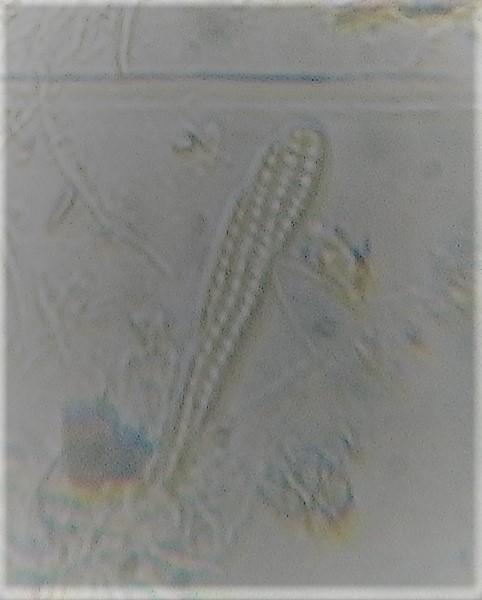
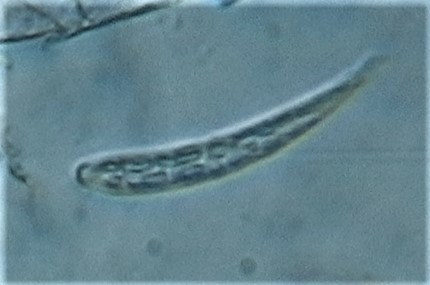 iodine reaction
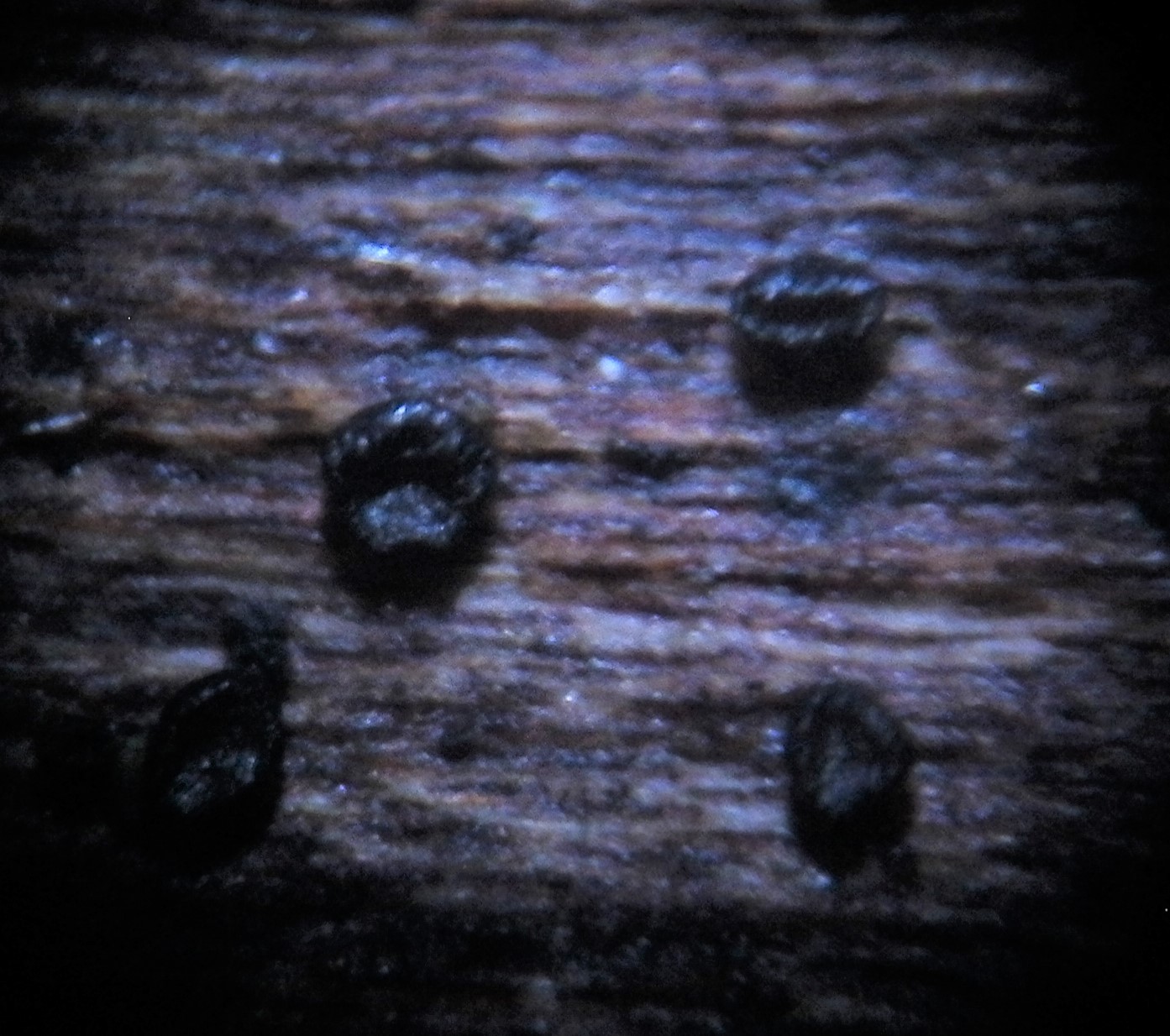 IMGP0140-2--0001.JPG
Which country did you collect it?
I was afraid somebody would ask me for iodine reaction...Mine finished, so... I could try with 2 options, iodopovidona 10% iodine, or one solution with 6 g iodine + 2g potassium iodide + etanol 70º /100ml. What do you think is the best?
About the collect: here in Portugal Braga. Wet place, inner bark of populus (fallen).
Elsa
I missed up all these...I was trying to spare the apos and choose another which were close. I thought they were the same, a bit more dried. So, I'm going to correct the macro photos, and add the blue tip of iodine reaction. Later I think about the other, definitely completely different.
Elsa
Sorry for my ignorance, but should dead material have still complete spores inside asci?
Thank you,
Elsa
Thank you for your patience. After some search, I think this is Durella connivens.
https://www.asturnatura.com/fotografia/setas-hongos/durella-connivens-fr-rehm-2/2493.html
Do you agree?
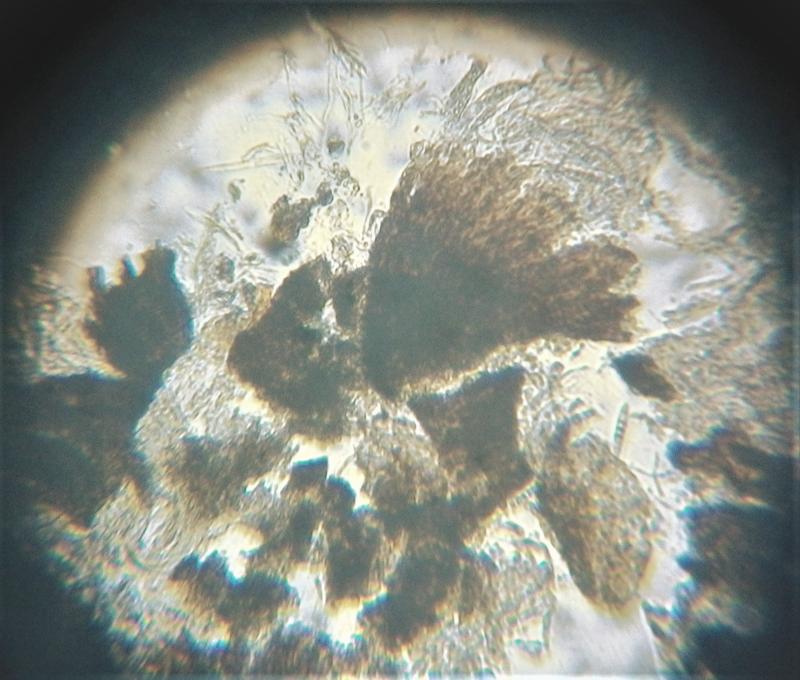
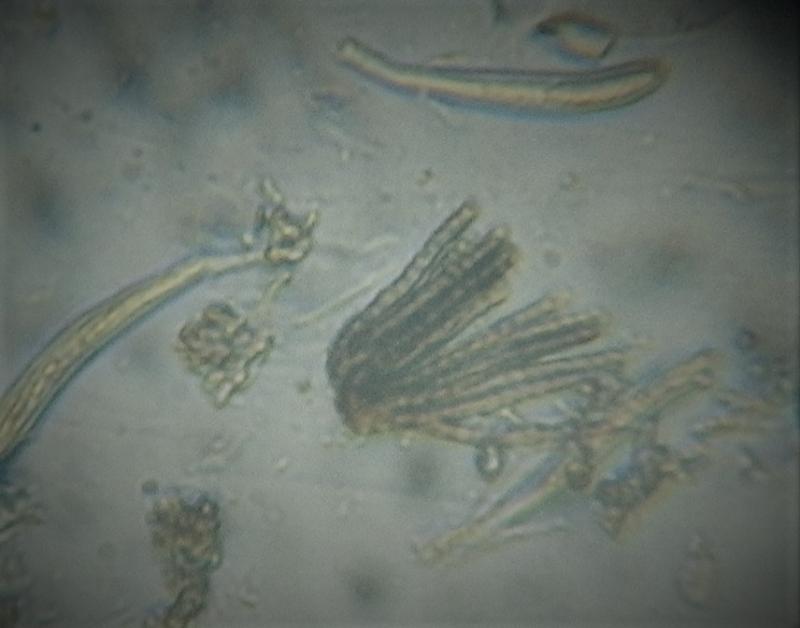
The conidia in your last picture belong to a hypho, I suppose Cryptocoryneum.
Now I have that doubt too. Maybe what I saw isn't a blue reaction, because the second photo already shows a dark zone on ascus apex without iodine, just water.