
23-05-2026 18:57
Sylvie Le GoffBonjour à tousRécolté sur une branchette de Sal
23-05-2026 11:44
 Charles Grapinet
Hello, I am having trouble identifying this copro
22-05-2026 14:44
 Lothar Krieglsteiner
in unripe condition citrine yellow, then soon fadi
22-05-2026 21:35
Steve ClementsBonjour, I expected this find on old wood on our
22-05-2026 18:12
Lothar Krieglsteiner
... in moist chamber from Portugal.As the fungus s
22-05-2026 20:08
Ethan CrensonHello all, Yesterday in NYC I was visiting an e
11-01-2022 16:36
 Jason Karakehian
Hi does anyone have a digital copy of Raitviir A (
20-05-2026 17:47
Margot en Geert VullingsWe found this Mollisia on dead Juncus stems mown l
22-05-2026 14:47
Gernot FriebesHi,superficial ascomata collected on bark of a liv
Black rod-like structures with branching curved conidiophores
Stephen Martin Mifsud,
04-05-2026 18:13
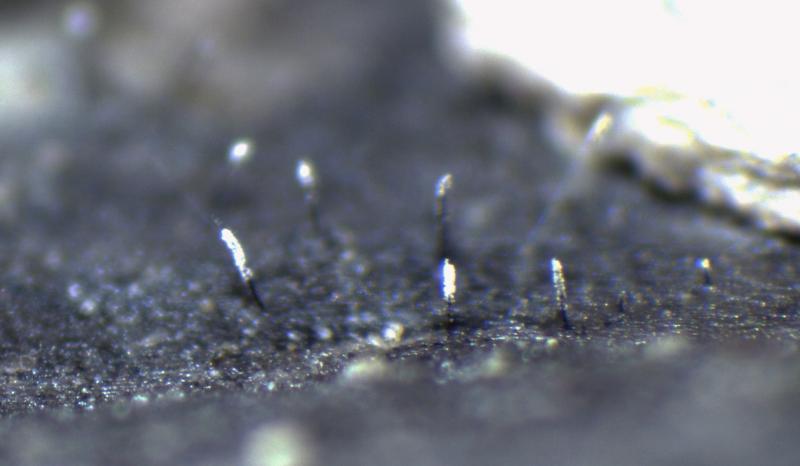
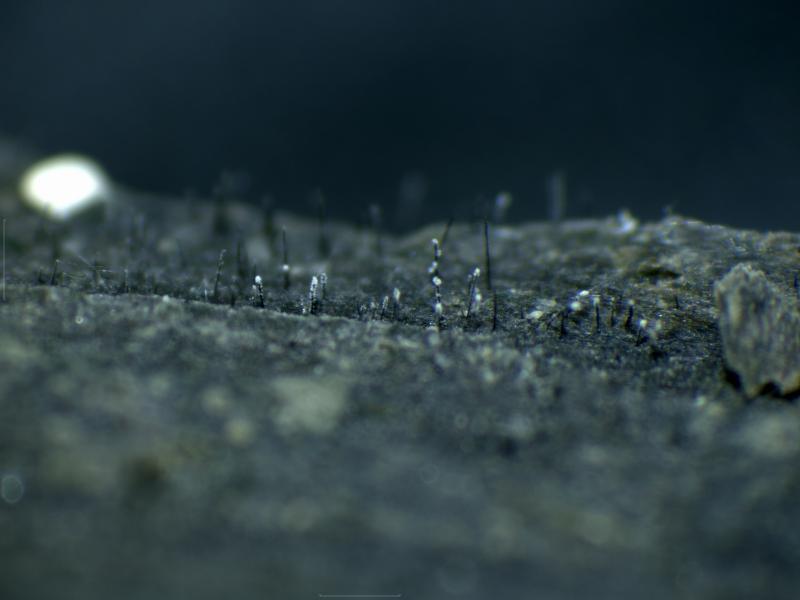
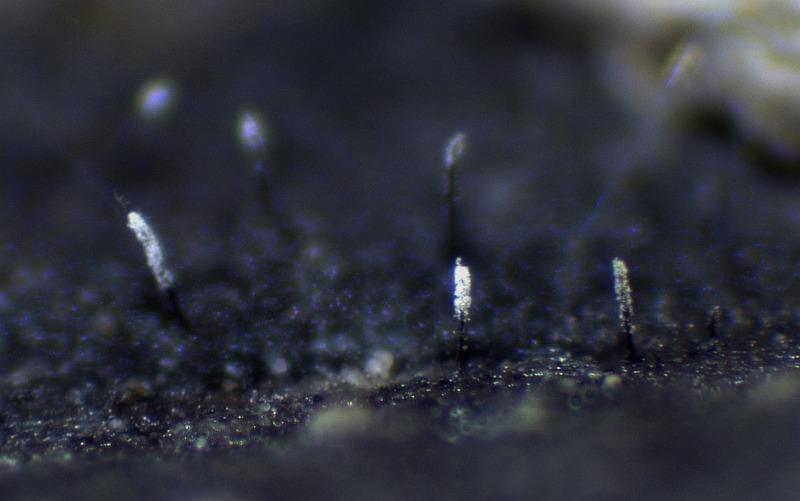
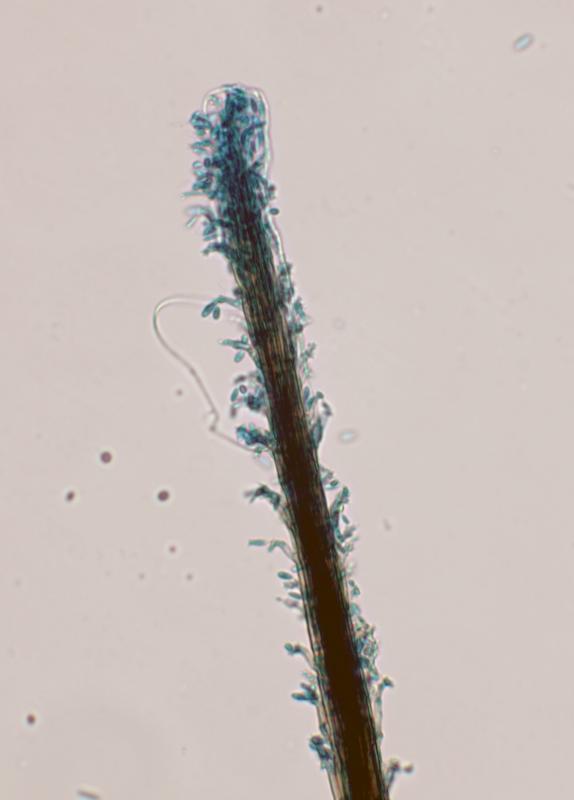
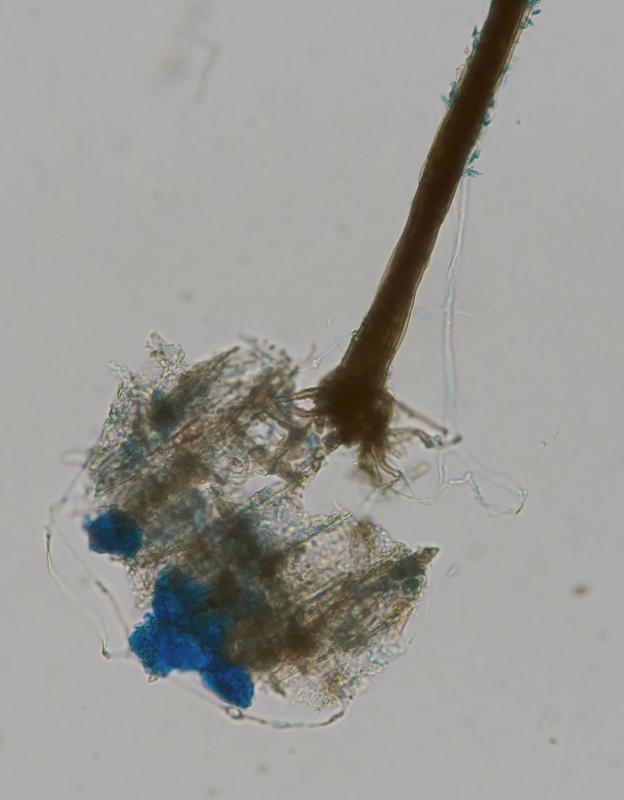
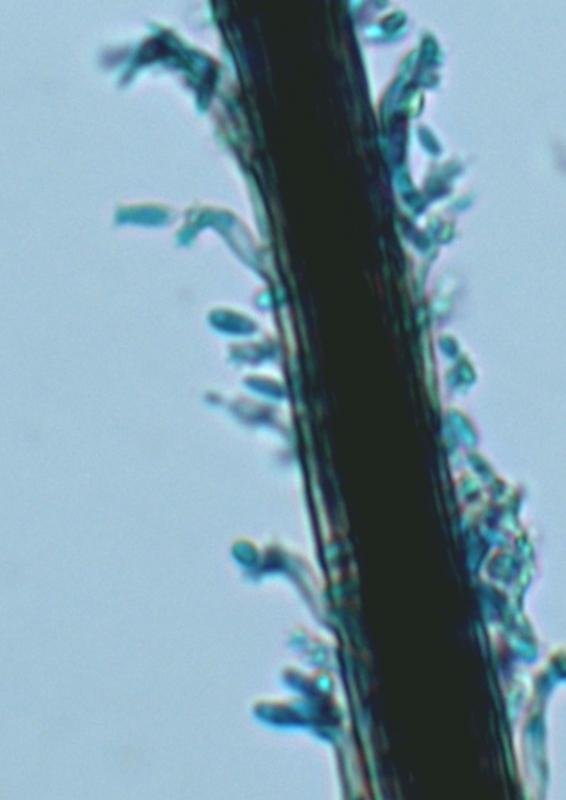
 ID request for what seems to be a true aquatic fungus growing from submerged wood. Organism a very short (0.4mm), stiff, black rod-like structure surmounted with clusters of white conidiospores borne on spreading, curved and subswollen conidiophores (=conidiogenesis branches) with clavate tips having 5 or more tiny horn-like structures (scars) on which the white conidiospores are attached (reminds me of Botryosporium in a distant sense)
Collected on sunken small piece of wood in a valley, 28/Apr/2026
Stephen Martin Mifsud,
05-05-2026 19:26
Re : Black rod-like structures with branching curved conidiophores
I am happy that I reached ID to genus level thanks to the help of Donald Salas - Phaeoisaria sp.
More work is required to reach the species level now. Many sp. are described or recorded from China, latin America, and SE Asia!, with a hotspot in NL and EN - maybe some exoperts located there and hence many records. According to GBIF the genus is barely recorded from the Mediterranean.
Closely related to P. clematidis but I don't think it is this species...
More work is required to reach the species level now. Many sp. are described or recorded from China, latin America, and SE Asia!, with a hotspot in NL and EN - maybe some exoperts located there and hence many records. According to GBIF the genus is barely recorded from the Mediterranean.
Closely related to P. clematidis but I don't think it is this species...