08-05-2026 11:55
Gernot FriebesHi,found on a decorticated Picea abies branch stil
09-05-2026 07:37
 Zuzana Sochorová (Egertová)
Hello,please, could anyone share this paper?Ferná
11-05-2016 20:37
Zuzana Sochorová (Egertová)
Hi,this very little ascomycete grew on soil in a m

05-05-2026 22:40
Gernot FriebesHi,I believe this is a Plagiostoma growing on a Sa
06-05-2026 11:25
 Castillo Joseba
Me mandan el material seco de Galicia (España) re
06-05-2026 17:23
Thomas Læssøehttps://svampe.databasen.org/observations/10594257
28-04-2026 20:07
 Lothar Krieglsteiner
... on twig in the air at standing Ceratonia siliq
04-05-2026 18:13
 Stephen Martin Mifsud
ID request for what seems to be a true aquatic fun
04-05-2026 16:39
Stephen Martin Mifsud
ID request: This specimen was collected in Malta o
The globular ascoma are small 2-5mm in size, reddish brown to dark brown.
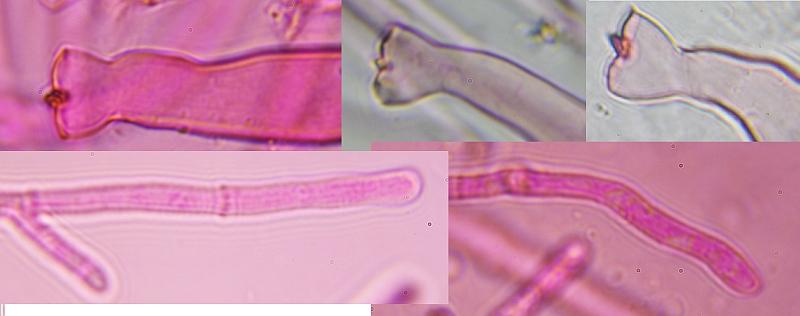
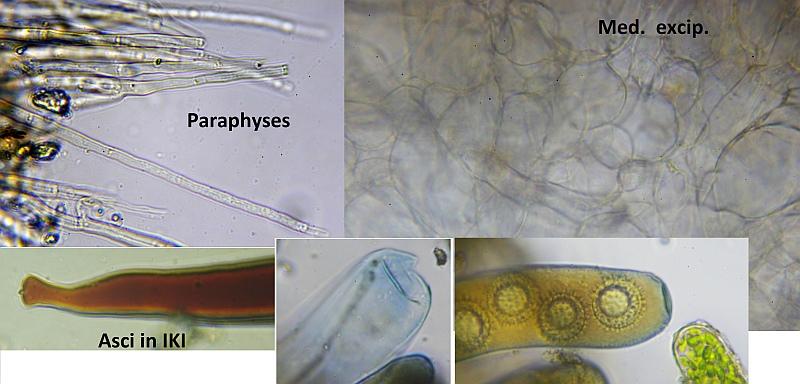
Asci: 8 spored, IKI +ve (faint diffused), pleurorhynchus, large 287-327 x 25-33µm
Paraphsis: Thin, very abundant
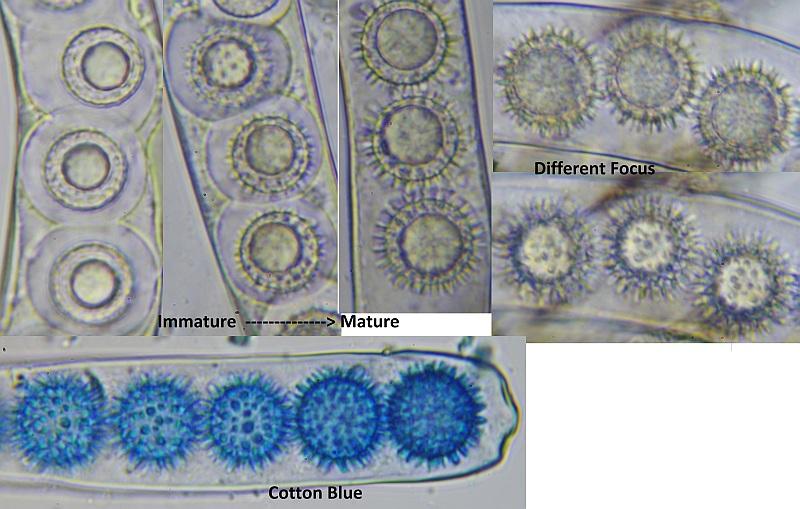
Spores: Rounded and echinulate. Different stages of maturity observed in same specimen. An outer layer is present at the immature stages. Size: 18.2-20.7 x 17.5-20µm measured inside ascus - no free spores observed.
My initial suspicion is on Sphaerosoma echinulatum but the spores are quite smaller, perhaps because not fully mature spores have been measured?
What do you think?
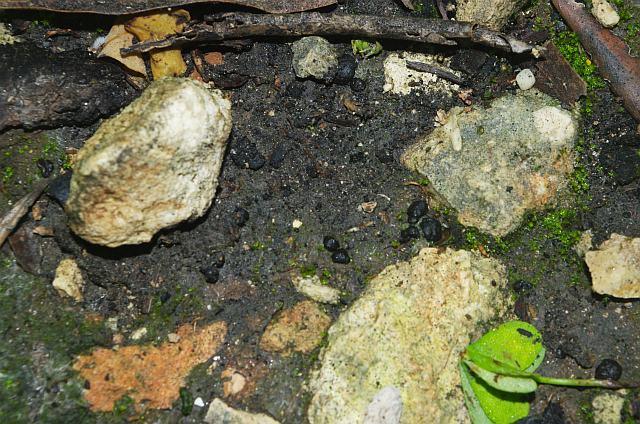
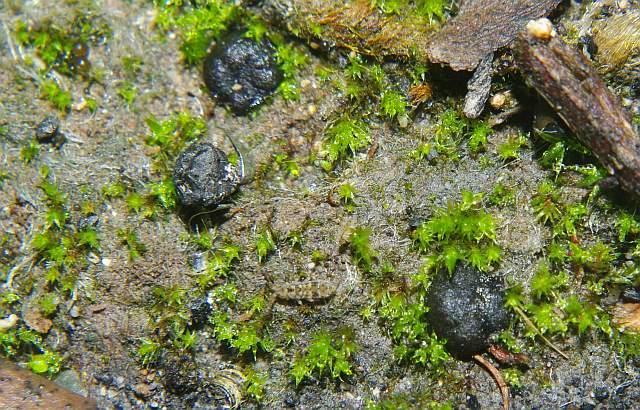
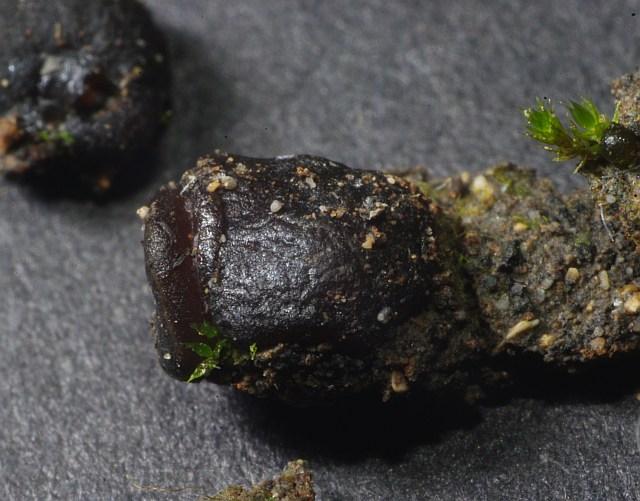
Very interesting. I first thought of Ruhlandiella berolinensis with a similar spore size. The spores of this taxon are reticulate, anyhow. ...
Best regards from Lothar

I argee Nicolas, it is probaby a Boudiera or somethin close.
The taxon Sphaerosoma echinulatum Seaver was transferred to Boudiera by Seaver himself.
I have looked at some species of Boudiera, as suggested, but I am having some difficulty to match it. Apart from the smaller spore size, the paraphyses in my specimen are thin and uninflated (4-5µm). There is also the question of the asci being pleurorhynchus. Boudiera acanthospora, B. areolata and B. tracheia are all aporhynchus. Now I am looking for info on B. denisii to compare.
Could species in the same genus have different ascus development/attachment?