
11-05-2016 20:37
 Zuzana Sochorová (Egertová)
Hi,this very little ascomycete grew on soil in a m
08-05-2026 11:55
Gernot FriebesHi,found on a decorticated Picea abies branch stil

05-05-2026 22:40
Gernot FriebesHi,I believe this is a Plagiostoma growing on a Sa
06-05-2026 11:25
 Castillo Joseba
Me mandan el material seco de Galicia (España) re
06-05-2026 17:23
Thomas Læssøehttps://svampe.databasen.org/observations/10594257
28-04-2026 20:07
 Lothar Krieglsteiner
... on twig in the air at standing Ceratonia siliq
04-05-2026 18:13
 Stephen Martin Mifsud
ID request for what seems to be a true aquatic fun
04-05-2026 16:39
Stephen Martin Mifsud
ID request: This specimen was collected in Malta o
28-07-2011 18:31
 Alex Akulov
Dear FriendsToday I made the pdf file of Velenovsk
Xylaria sicula ?
Stephen Martin Mifsud,
08-11-2016 19:52
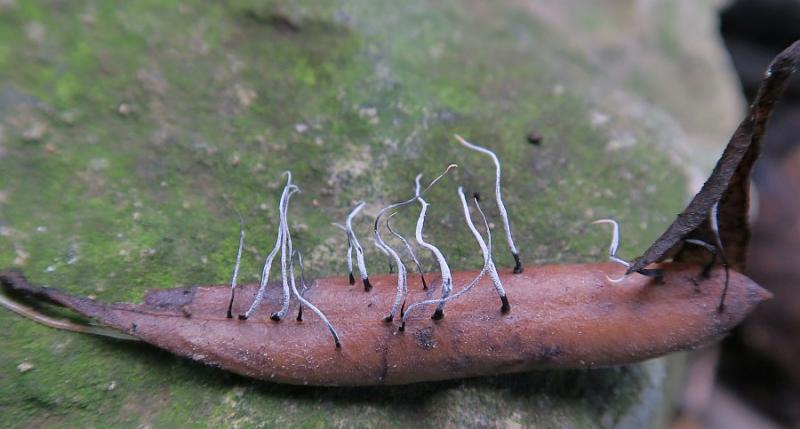
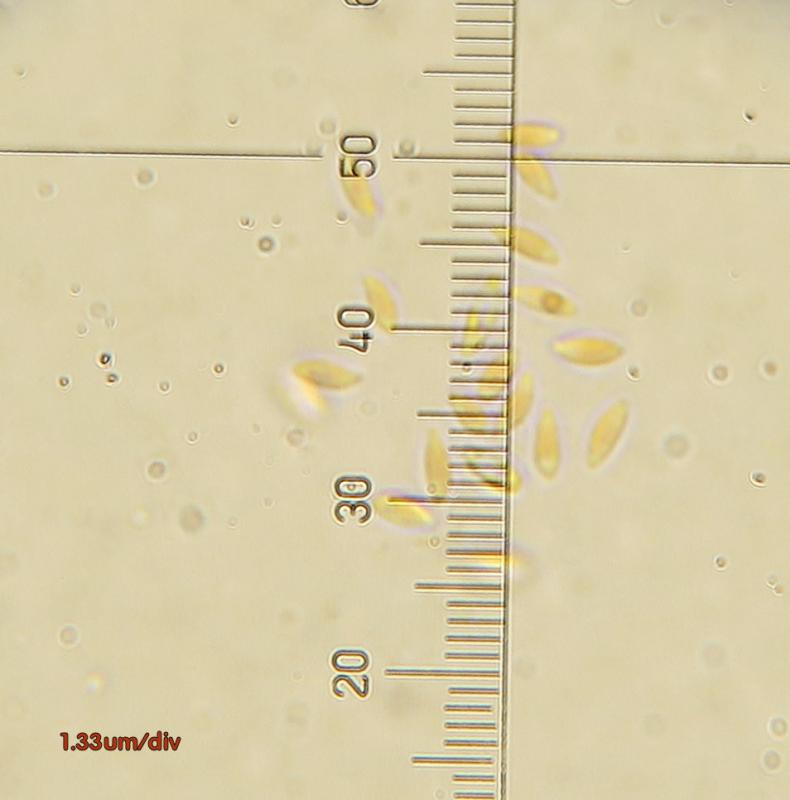
Dear friends. A common Xylaria here on the Maltes islands is that found on fallen olive leaves in humid and shaded areas. I took some specimens to educate and learn on this genus and following a key online: [http://pyrenomycetes.free.fr/xylariaceous/keydir/dichotomickey.htm]I did not went into much work, because xylaria on olive leaves is quickly keyed out as Xylaria sicula.
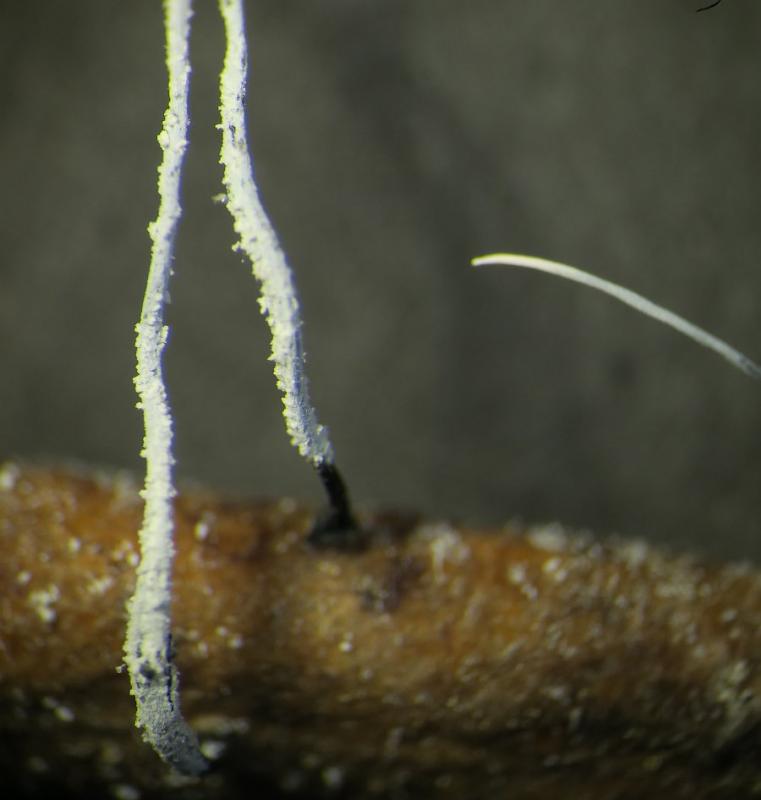
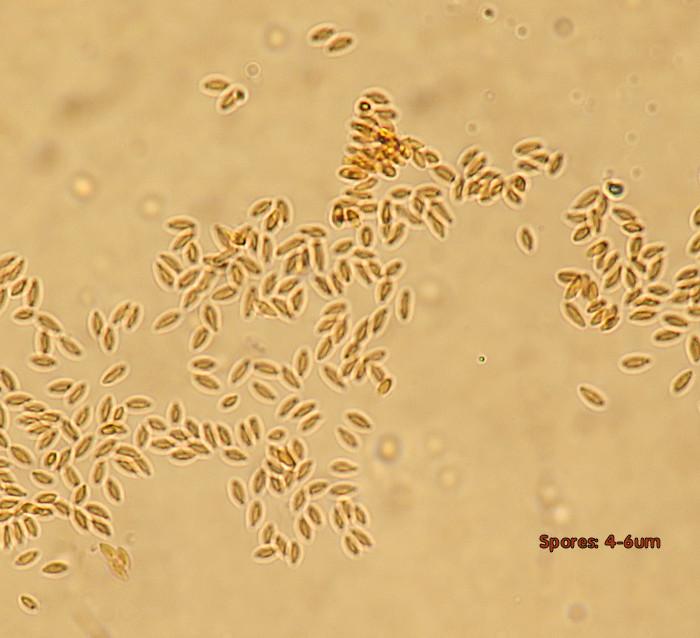
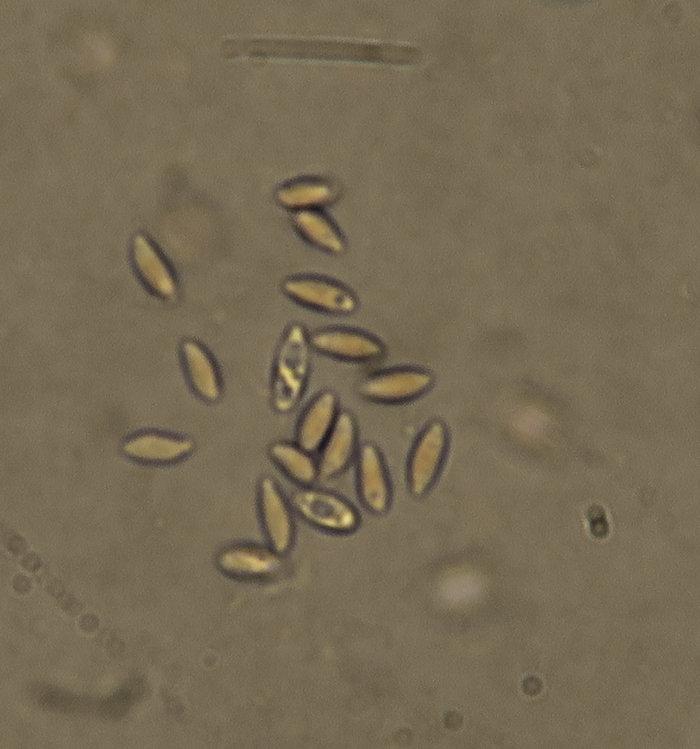
When I checked the details I found one mismatching character, apart that the spores were on the lower end of the range. X. sicula should have a swollen fertile head close to the apex which I colud not see in my specimens.
Any feedback?
Jacques Fournier,
08-11-2016 21:06

Re : Xylaria sicula ?
Hi Stefen,
this is likely X. sicula but at conidial state. What you observed are conidiospores.
The sexual state will occur later and will be black, thus less conspicuous in the leaf litter.
Cheers,
Jacques
this is likely X. sicula but at conidial state. What you observed are conidiospores.
The sexual state will occur later and will be black, thus less conspicuous in the leaf litter.
Cheers,
Jacques
Stephen Martin Mifsud,
08-11-2016 22:53
Re : Xylaria sicula ?
Thank you very much Jacques, I understand perfectly. I will check carefully the leaf litter for capitate apices.