22-04-2026 01:06
 Richard VALERI
Bonjour à tous.Je vous présente cette Nectria s.
21-04-2026 22:14
Margot en Geert VullingsThis cup fungus was found on April 10, 2026, on lo
21-04-2026 13:36
Gernot FriebesHi,I am out of ideas for this one. I collected Sal
21-04-2026 13:19
Gernot FriebesHi,this Lophodermium on Typha has ascospores measu
21-04-2026 13:05
Gernot FriebesHi,this hyphomycete feels familiar but I was not a
20-04-2026 22:00
 Malcolm Greaves
These pale yellow, hairy ascos were growing on cul
19-04-2026 21:23
Steve ClementsBonjour, I found this anamorphic fungus on old pl
19-04-2026 20:46
Steve Clements1 mm diameter approx spherical conidiophores on pl
12-04-2026 17:56
 Hardware Tony
Found on dead stems in February earlier this year
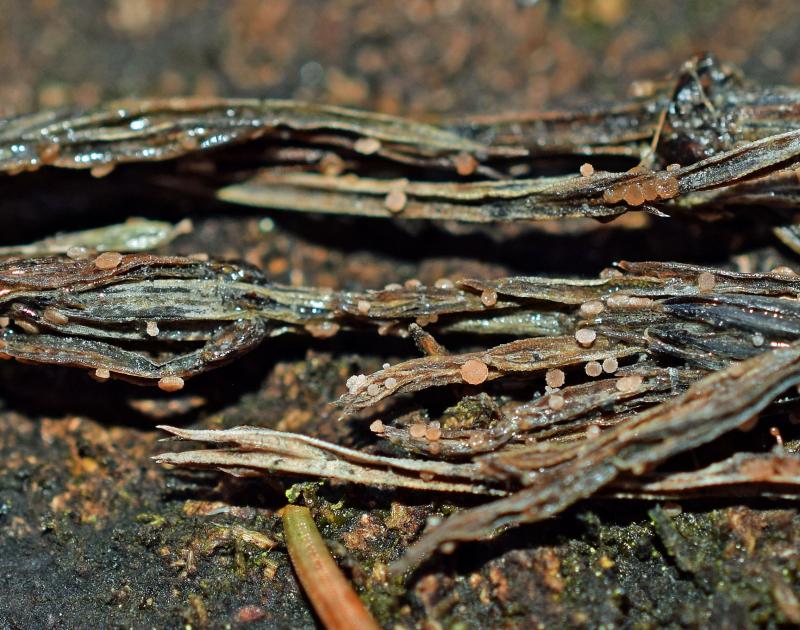
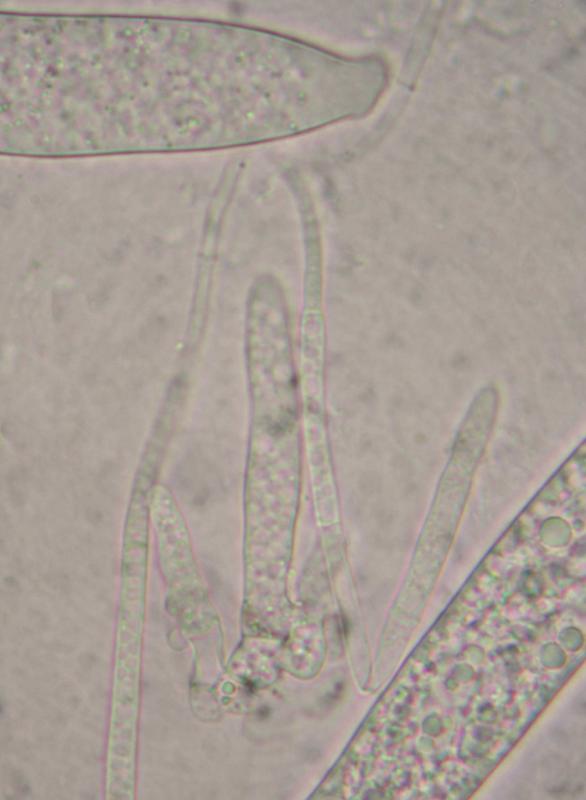
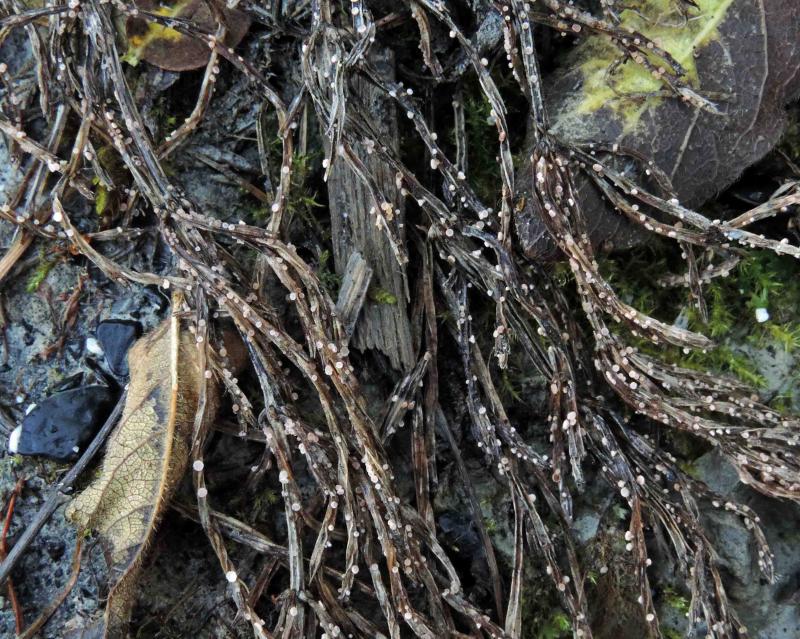
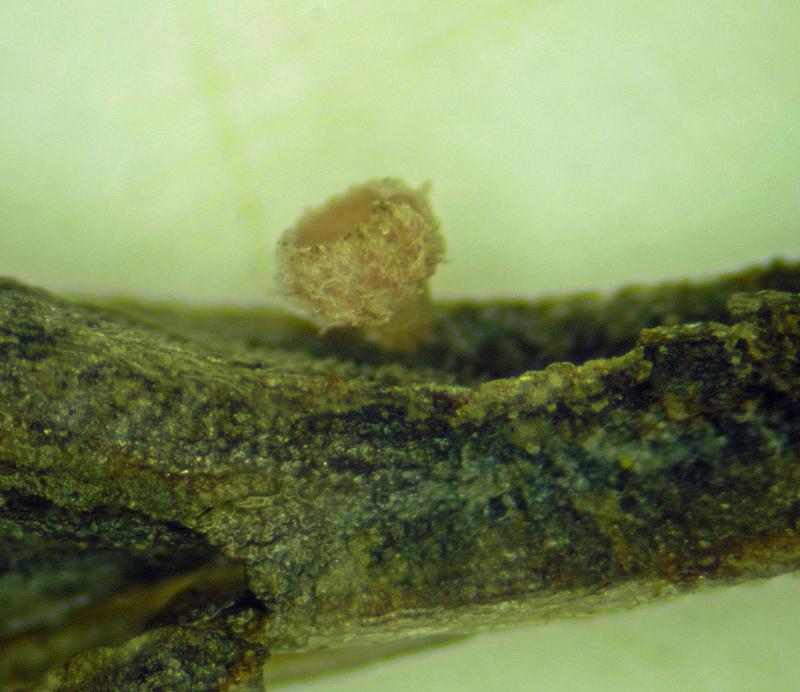
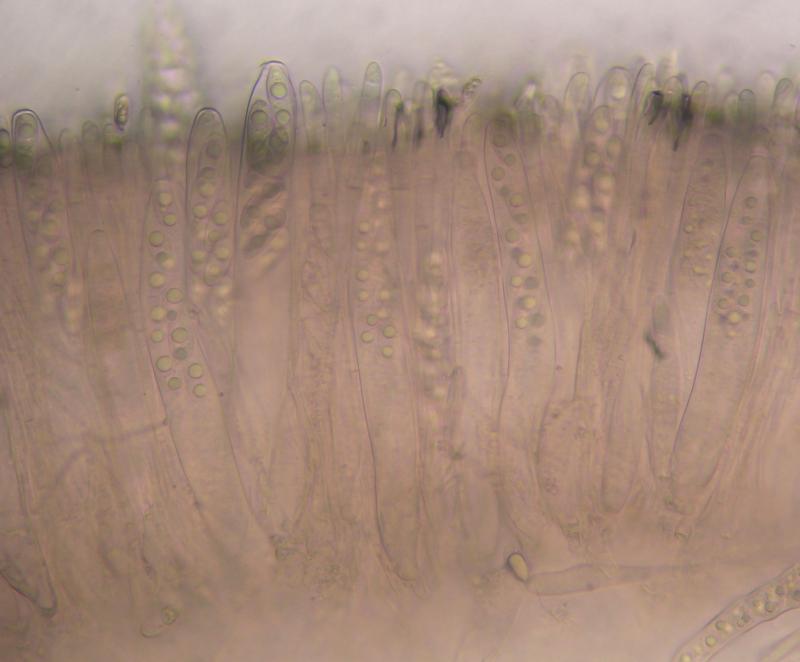
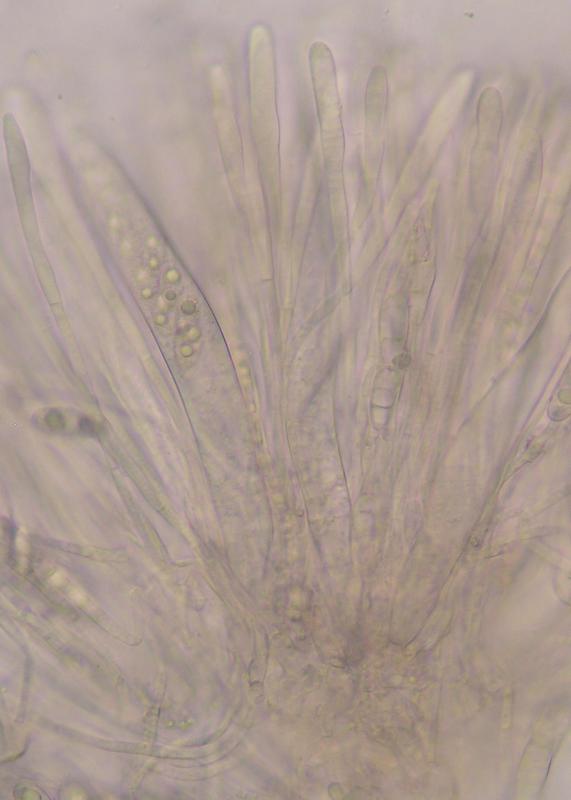
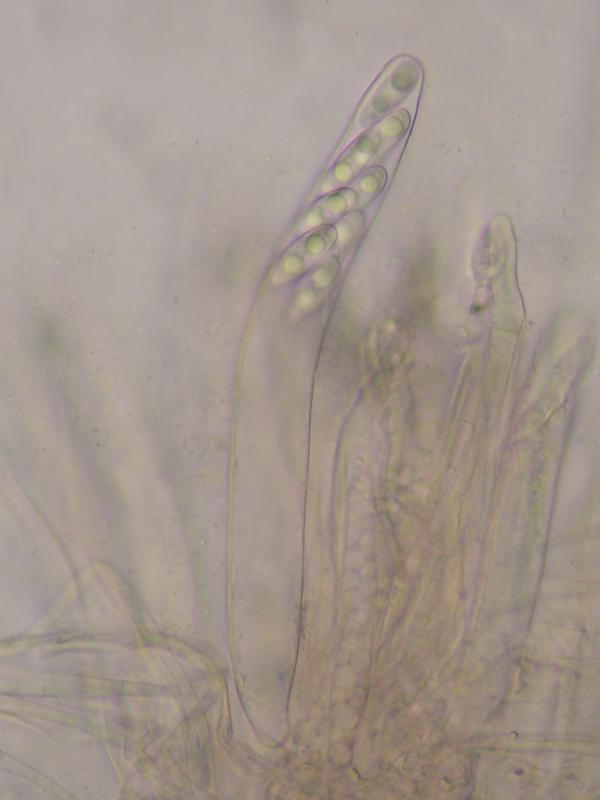
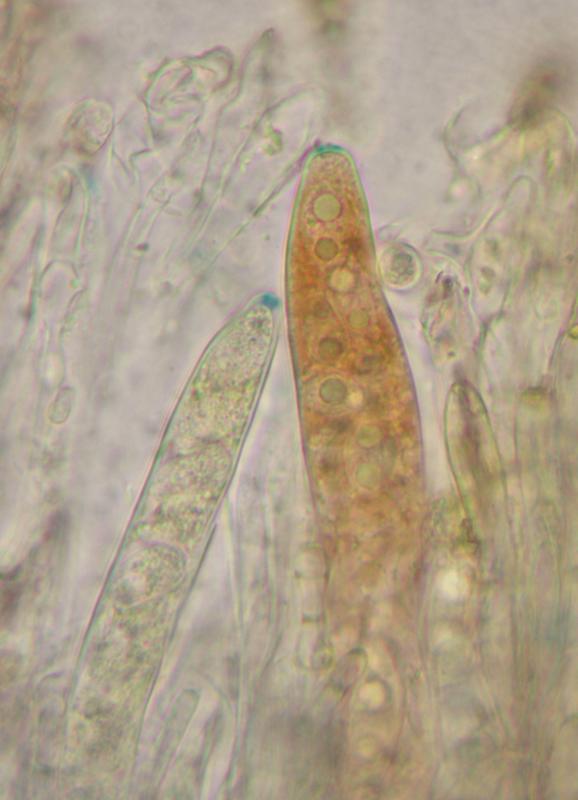
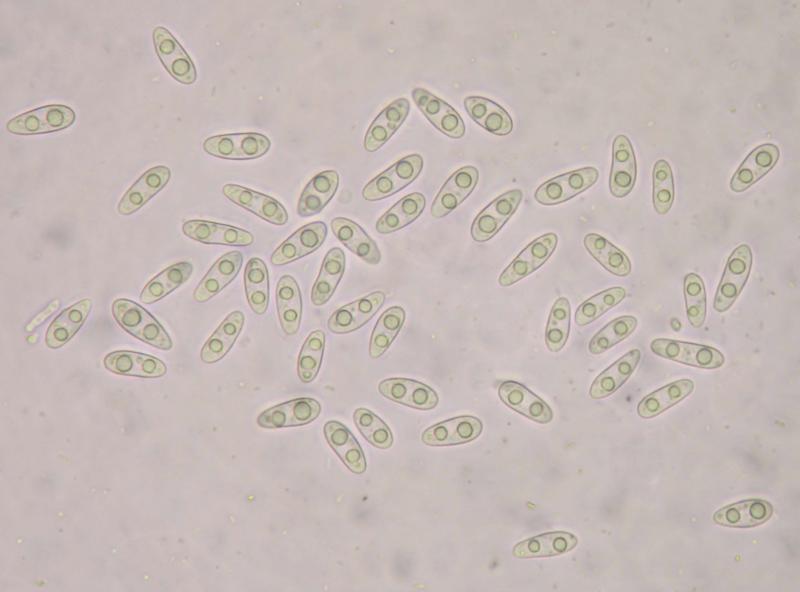
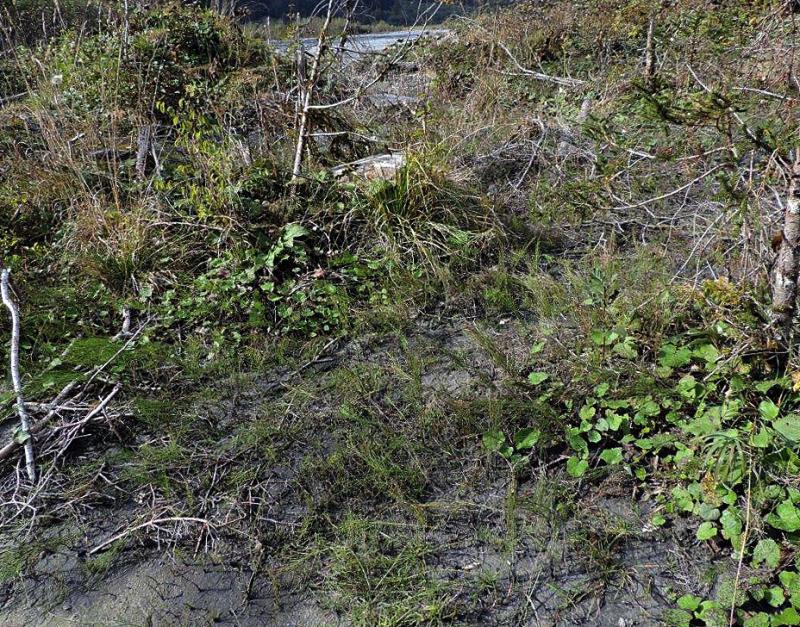
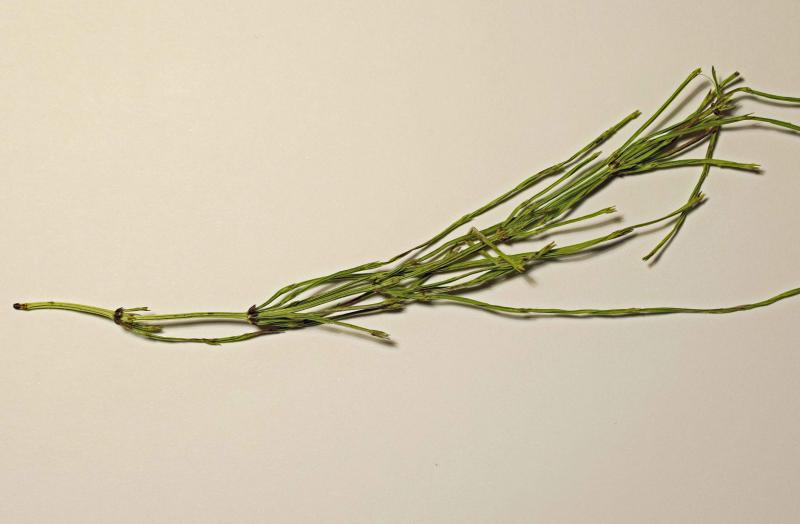
Voici une espèce sur tiges mortes d'Equisetum palustris trouvé au bord d'un ruisseau à 1'150m. Apothécies 0.3-0.9mm de diamètre, l'hyménium de couleur crème à brun clair, surface externe et marge couverte de poils, asques octosporés, 100-145x12.5-15µm, IKI+, spores lisses, hyalines, biguttulées, 18-20x6-7µm, paraphyses septées et élargies au sommet 5-7µm.
Merci d'avance pour vos avis.
Elisabeth
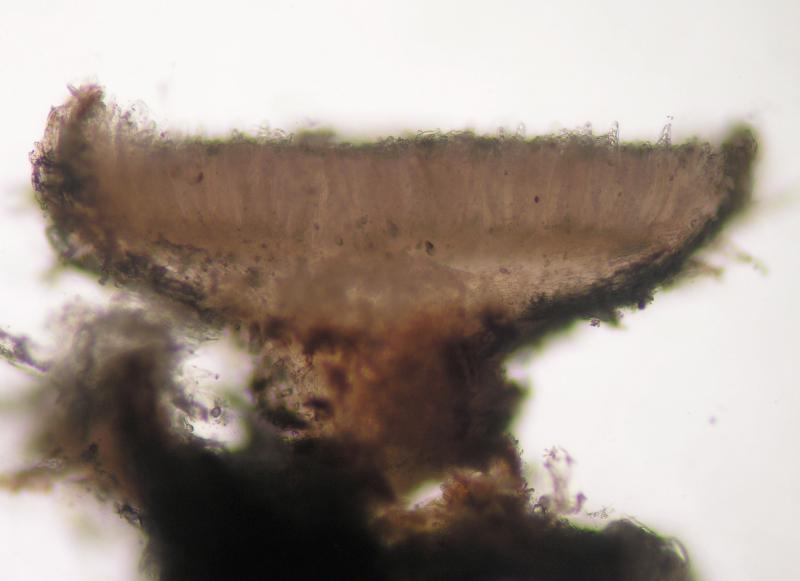
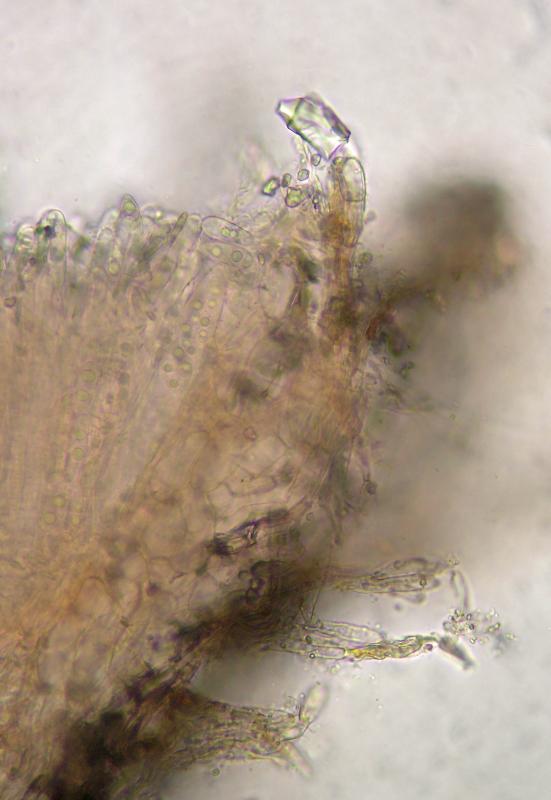
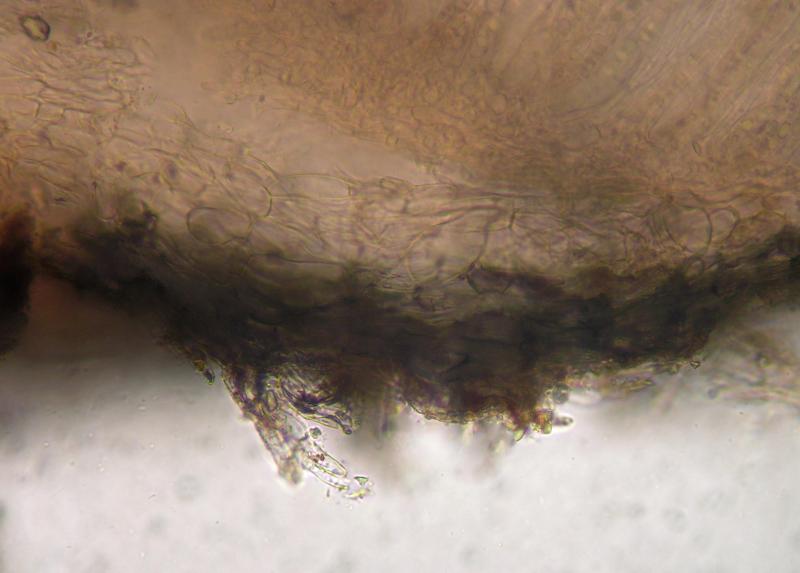
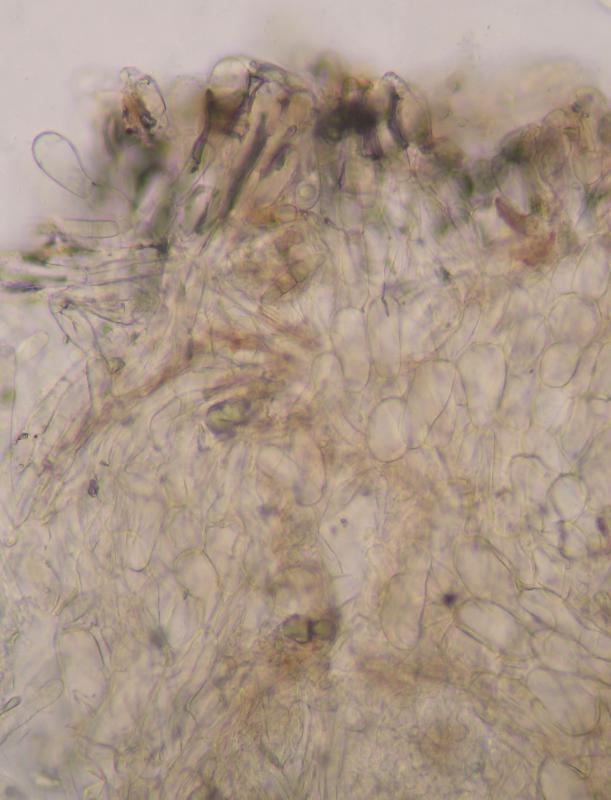


Zotto
Elisabeth
i just accidentially looked at this message.
The substrate here clearly does look like E. arvense, not E. palustre, despite i do not see all characteristics of the host clearly.
I am not sure if my named "St. poeltii" will or may grow on this host as well, but got my doubts so far, thus would certainly hesitate to say both could be conspecific.
However, genetic comparison will be useful to clear relations.
Liebe Grüße
Erwin
the difference in croziers vs. simple septa and in spore contents, also in apo colour (flesh vs. yellow-orange), suggest different species.
It would be great if the Equisetum could be clarified to species. Are there more pics of the plant?
Zotto
Elisabeth
Elisabeth