
28-04-2026 20:07
 Lothar Krieglsteiner
... on twig in the air at standing Ceratonia siliq
04-05-2026 18:13
 Stephen Martin Mifsud
ID request for what seems to be a true aquatic fun
04-05-2026 16:39
Stephen Martin Mifsud
ID request: This specimen was collected in Malta o
04-05-2026 09:50
 Castillo Joseba
Me mandan el material seco de Galicia,(España) re
02-05-2026 12:42
Alain BRISSARDBonjour à tousJeuidi 30 avril dernier on m'a remi
02-05-2026 13:06
Pauline. PennaBonjour Please can someone help me with this id
01-05-2026 22:45
 Thierry Blondelle
Bonjour à tous, Une récolte sur bouse séchée d
14-04-2026 05:32
Ethan CrensonHi all, A few weeks back a friend pointed out som
28-04-2026 20:33
Vitus SchäfftleinHello, I found Trochila ilicina on Ilex aquifoliu
Pyrenomycete with hyaline thickwalled hairs
Maren Kamke,
12-03-2016 12:43
 Hi everybody,
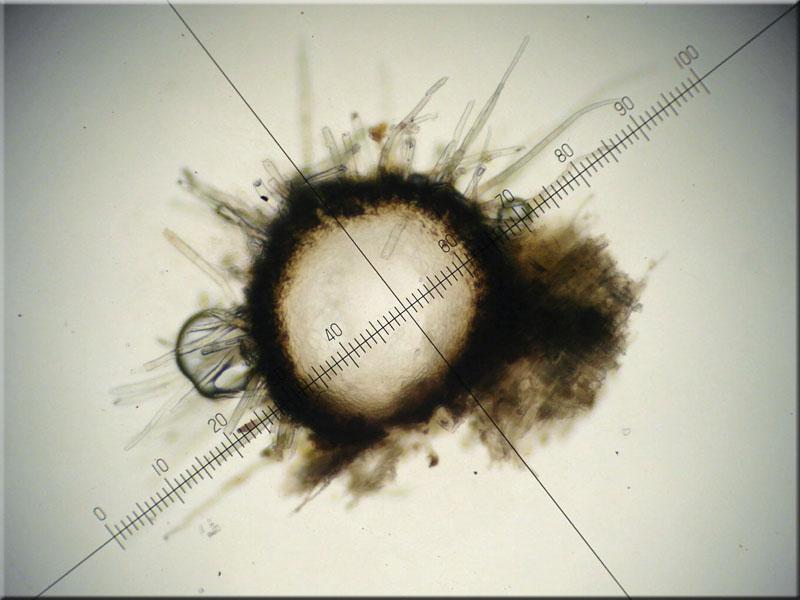
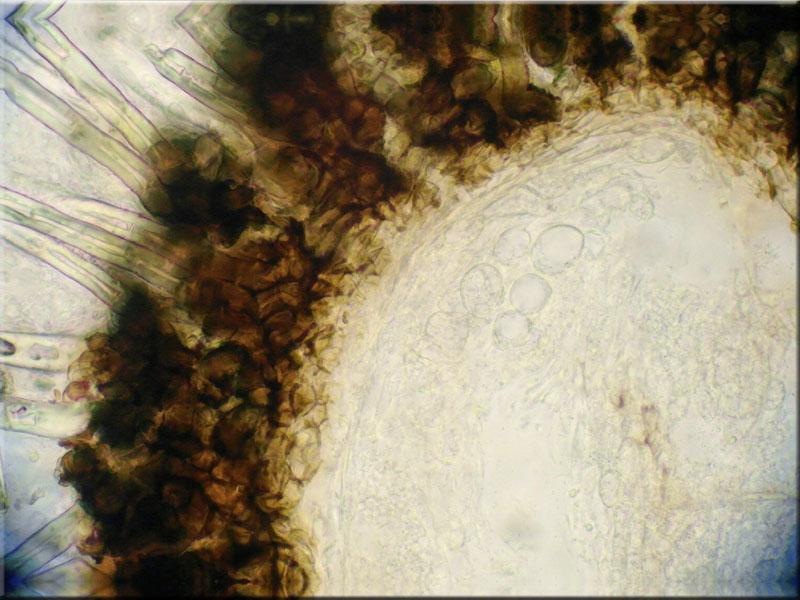
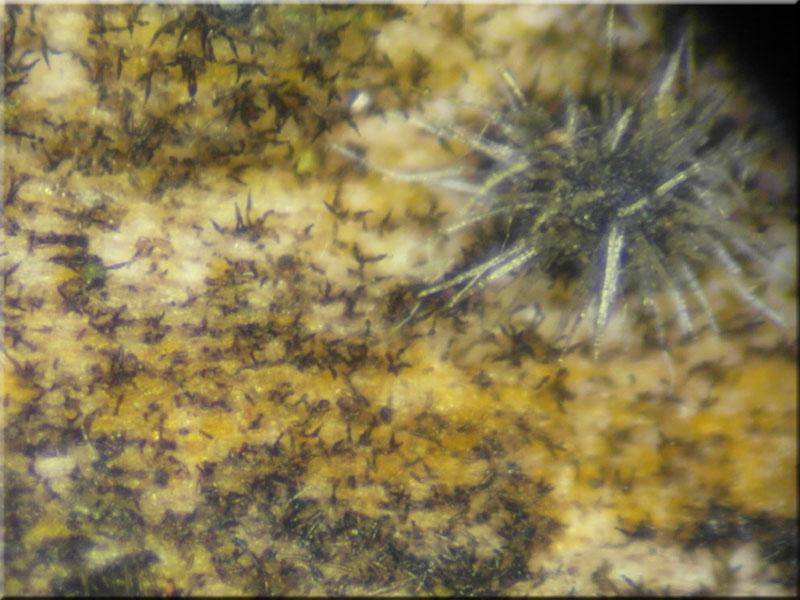
I found a few perithecia (diameter 0,35 mm) on Sambucus nigra without bark. Spores, hyaline, big 34-46 x 7,5-10,1 µm, becoming 1-septate. Hairs thickwalled (up to 365 µm long and 11 µm wide) with refractive walls. Asci 115-130 x 12-20 µm, IKL negative.
I thought first of an Echinosphaeria sp., but I understand that this genus has brown setae. Maybe a Trichosphaeria?
Regards, Maren
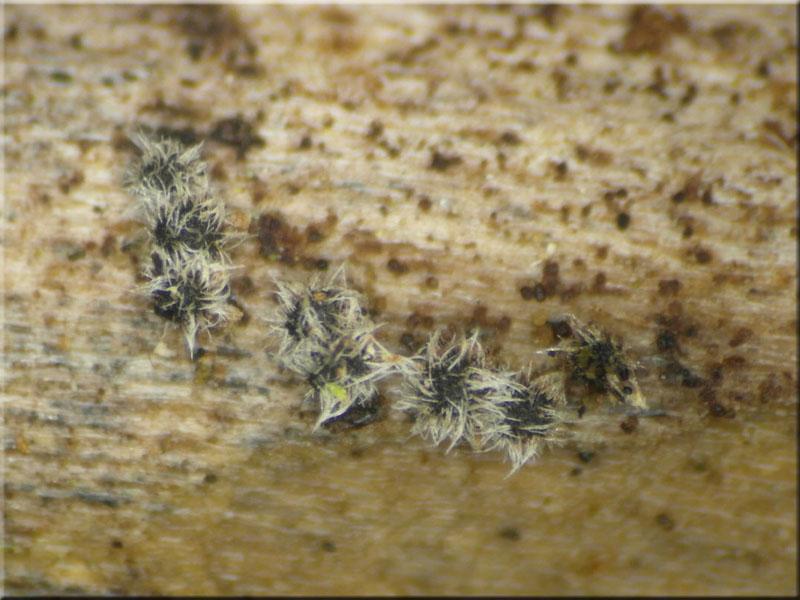
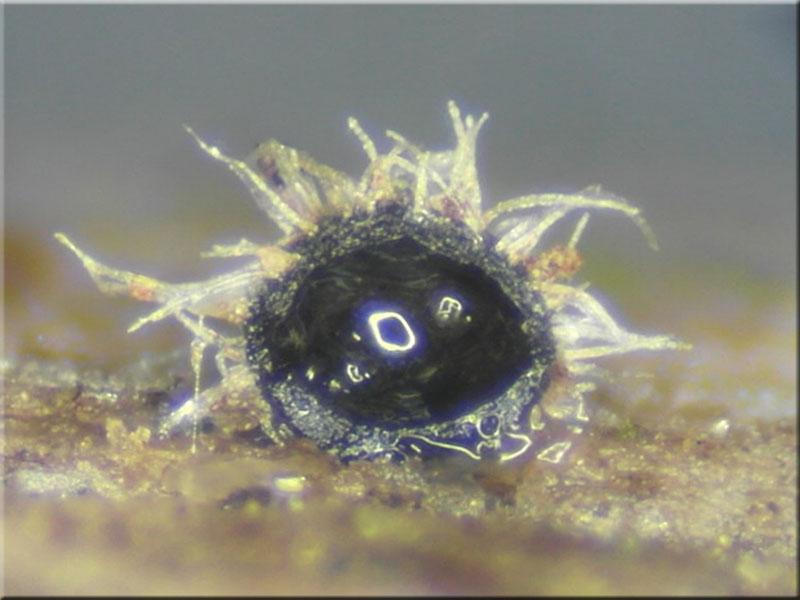
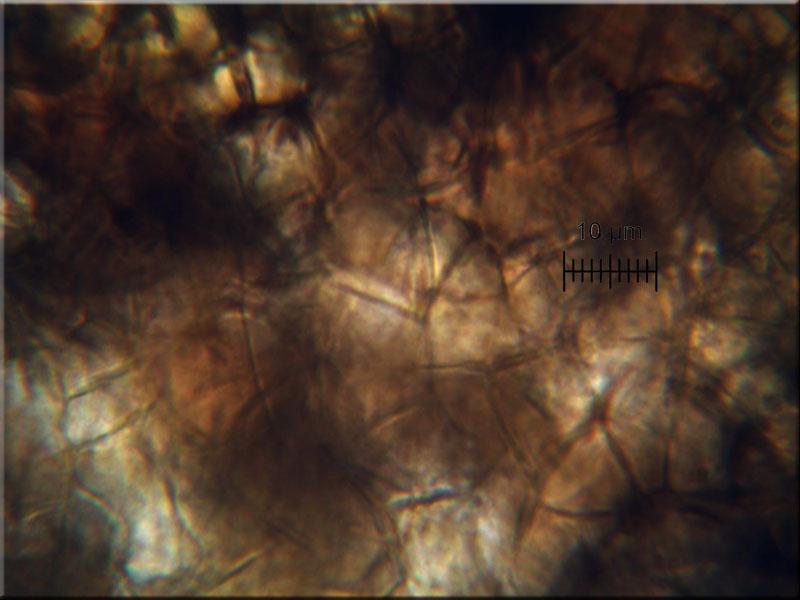
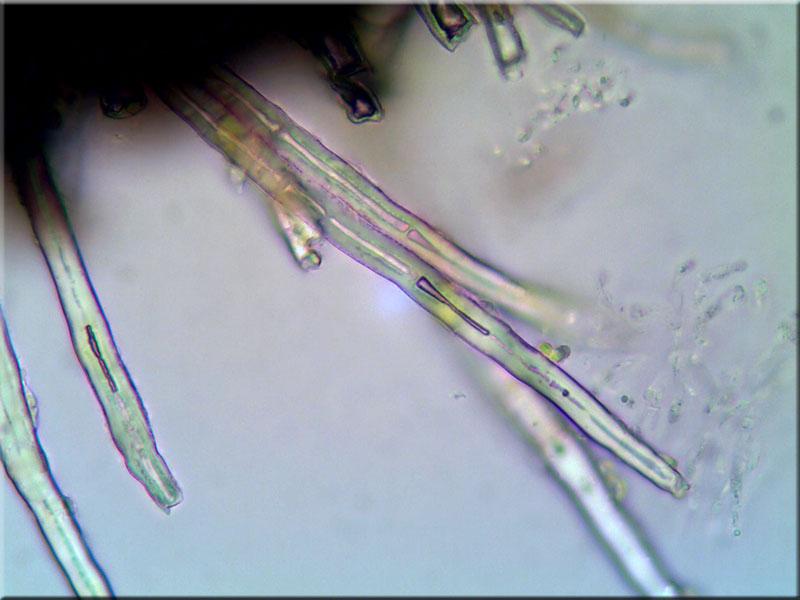
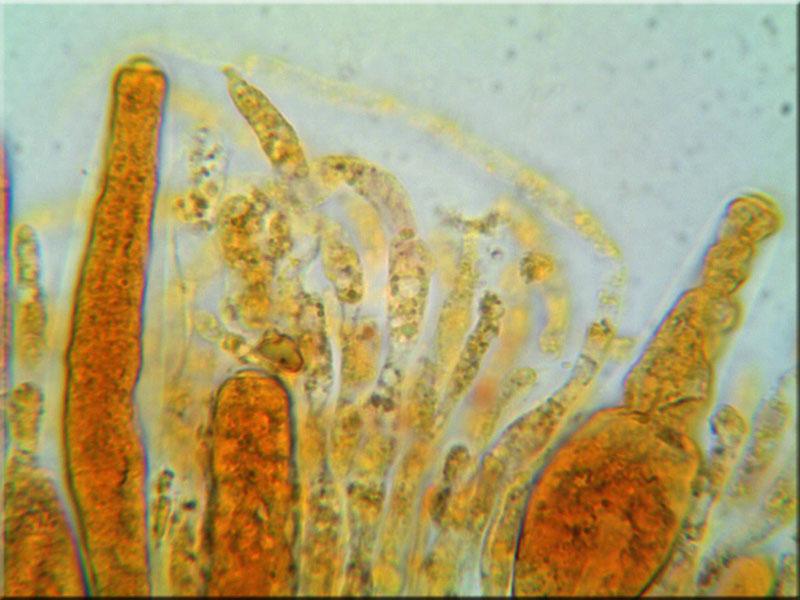
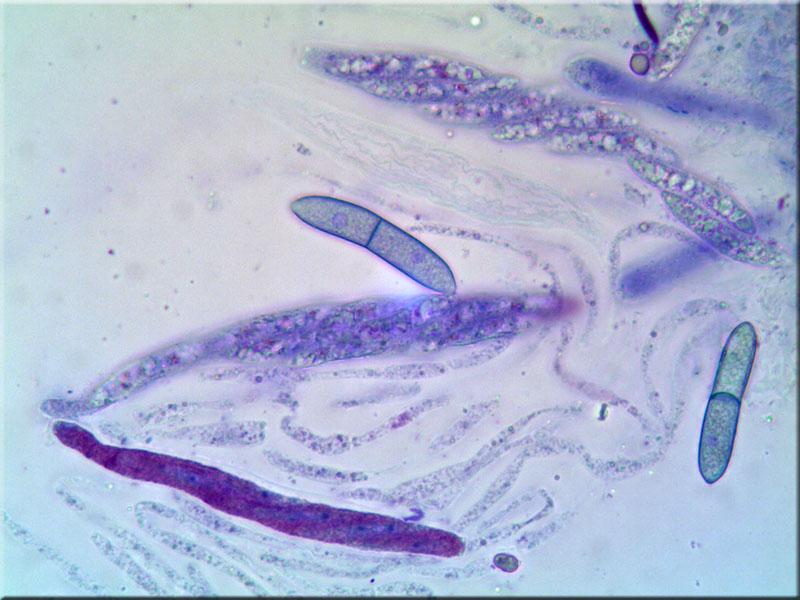
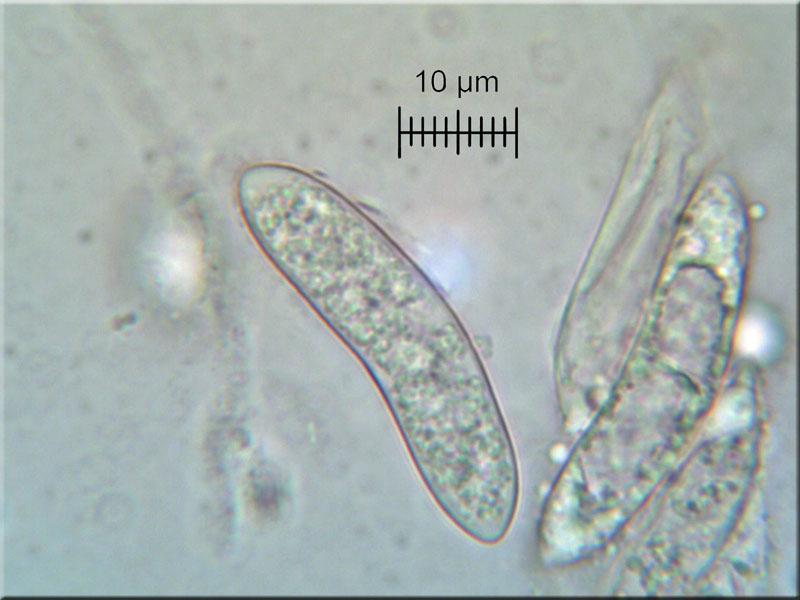
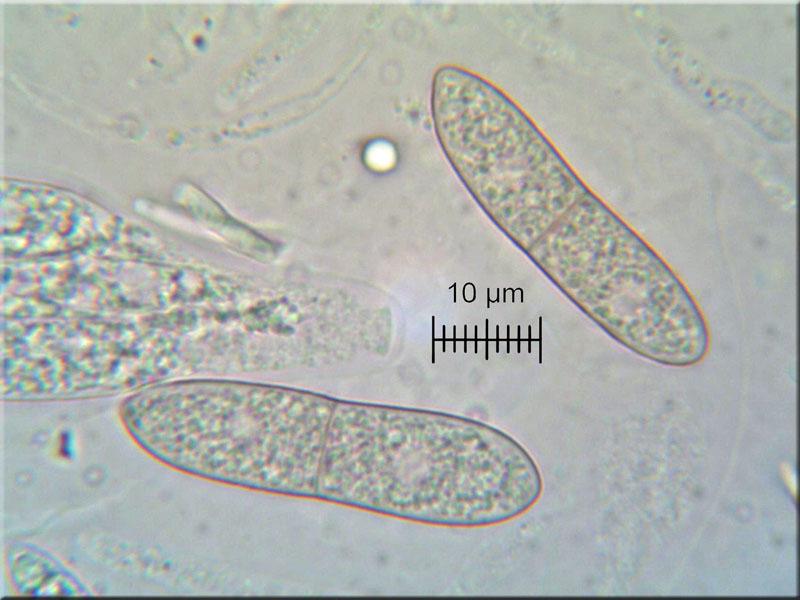
Maren Kamke,
13-03-2016 13:30
Re : Pyrenomycete with hyaline thickwalled hairs
Hi again,
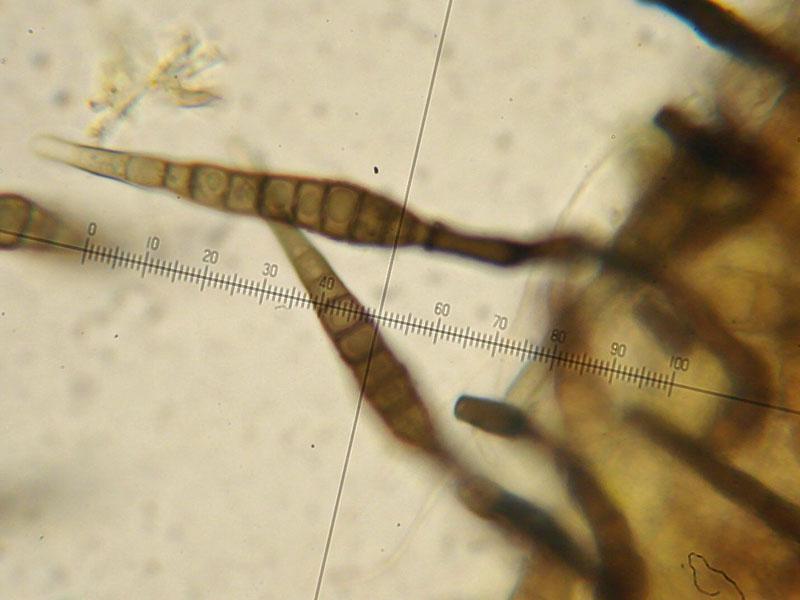
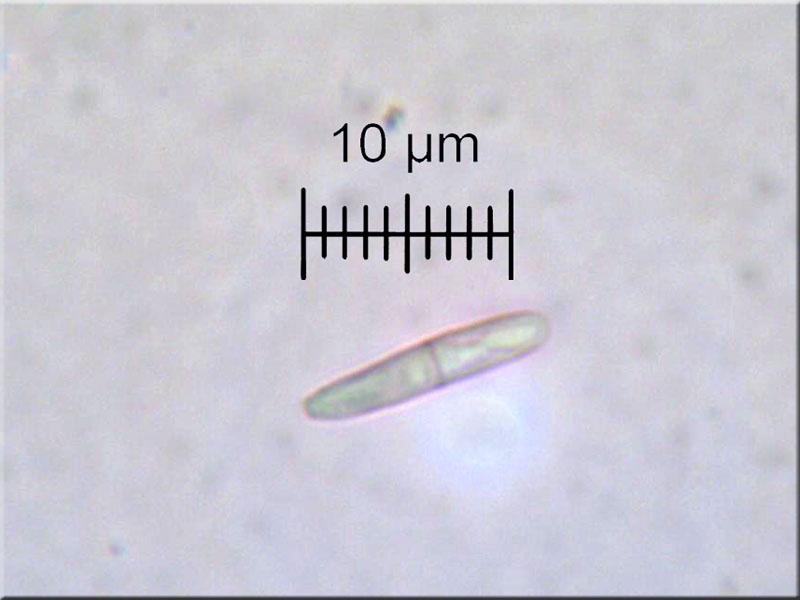
I found some immature perethecia on another stick. There are accompanying conidia.
Regards, Maren
I found some immature perethecia on another stick. There are accompanying conidia.
Regards, Maren
Jacques Fournier,
15-03-2016 15:17

Re : Pyrenomycete with hyaline thickwalled hairs
Hi Maren,
I think your fungus is related to the Helminthosphaeria stuppea complex (se Miller et al., 2014, Mycologia 106: 505-524), but ascospore size does not fit.
Could you check under the stereomicroscope if the ostiole is surrounded by 3-4 tubercles, as in typical H. stuppea?
Cheers,
Jacques
I think your fungus is related to the Helminthosphaeria stuppea complex (se Miller et al., 2014, Mycologia 106: 505-524), but ascospore size does not fit.
Could you check under the stereomicroscope if the ostiole is surrounded by 3-4 tubercles, as in typical H. stuppea?
Cheers,
Jacques
Maren Kamke,
15-03-2016 22:46
Re : Pyrenomycete with hyaline thickwalled hairs
Thank you Jacques,
I checked on tubercles, but there are none. I think it is indeed a species related to Helminthosphaeria stuppea. Maybe it's the same Europaean species which has been discussed many times here under the name Lasiosphaeria stuppea.
http://www.ascofrance.fr/search_forum/40144
http://www.ascofrance.fr/search_forum/14026
http://www.ascofrance.fr/search_forum/37289
Regards, Maren
I checked on tubercles, but there are none. I think it is indeed a species related to Helminthosphaeria stuppea. Maybe it's the same Europaean species which has been discussed many times here under the name Lasiosphaeria stuppea.
http://www.ascofrance.fr/search_forum/40144
http://www.ascofrance.fr/search_forum/14026
http://www.ascofrance.fr/search_forum/37289
Regards, Maren