02-05-2026 13:06
Pauline. PennaBonjour Please can someone help me with this id
02-05-2026 12:42
Alain BRISSARDBonjour à tousJeuidi 30 avril dernier on m'a remi
01-05-2026 22:45
 Thierry Blondelle
Bonjour à tous, Une récolte sur bouse séchée d
28-04-2026 20:07
 Lothar Krieglsteiner
... on twig in the air at standing Ceratonia siliq
14-04-2026 05:32
Ethan CrensonHi all, A few weeks back a friend pointed out som
28-04-2026 20:33
Vitus SchäfftleinHello, I found Trochila ilicina on Ilex aquifoliu

30-04-2026 10:28
Rot BojanHello, by appearance I would say that I am dealing
27-04-2026 18:48
Tony MoverleyCollected 23rd April 2026, Norfolk, EnglandSwarms
27-04-2026 20:52
Lothar Krieglsteiner
Found on hanging tiwg of Olea europaea in dried-ou

Dear all,
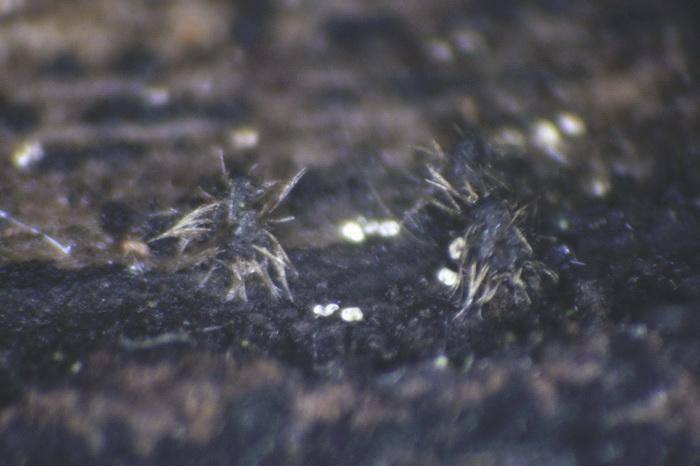
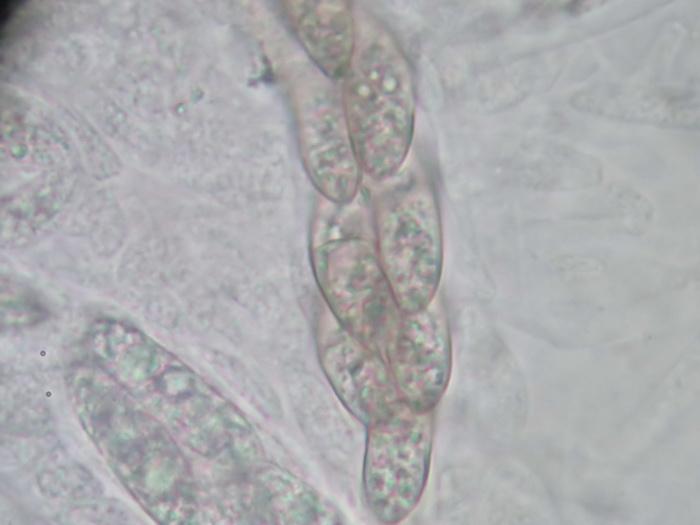
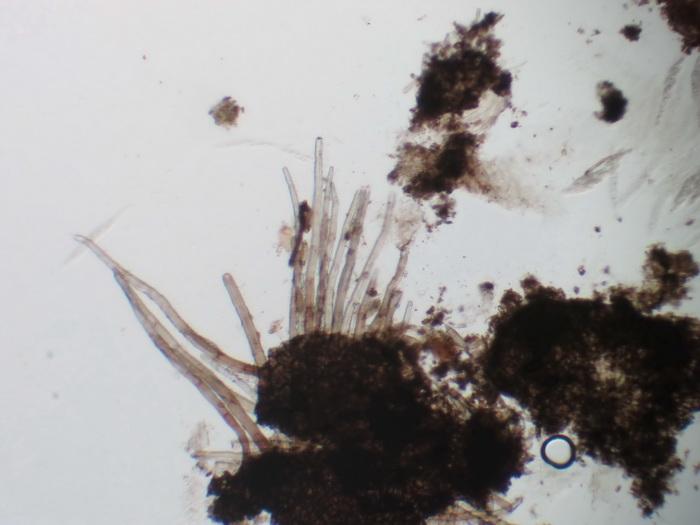
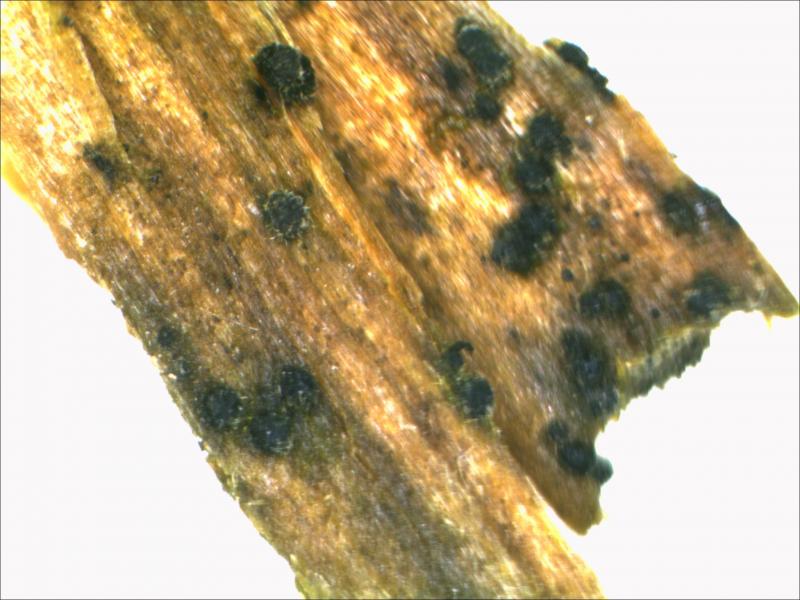
found today on an lying dead stem of Fagus, initial stage of decomposition.
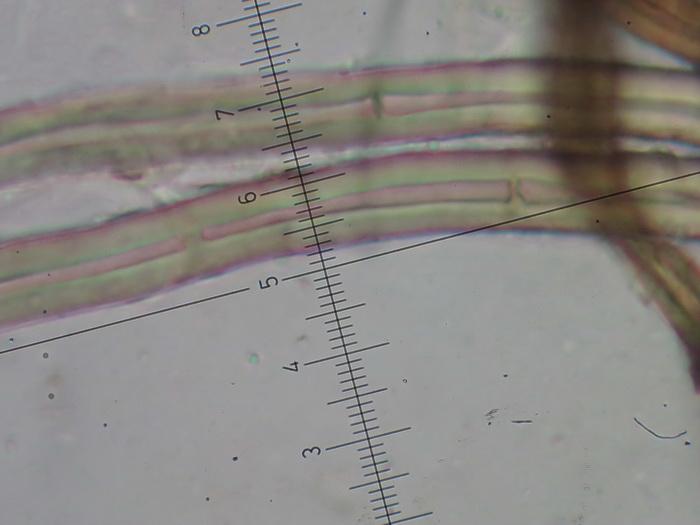
Macroscopically I first thought it might be something like Lasiosphaeria hirsuta, but the spores a different and quite striking.
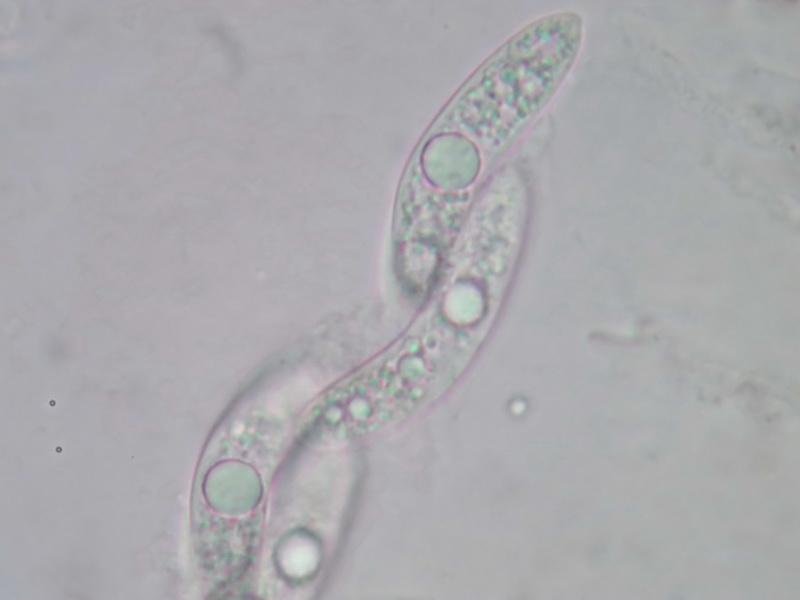
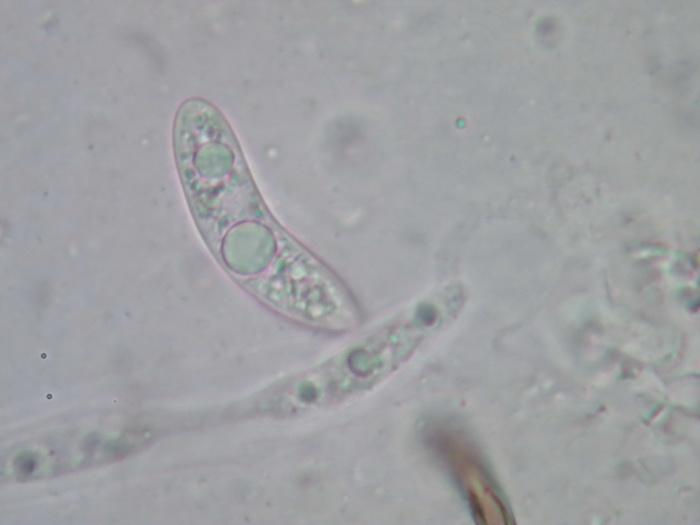
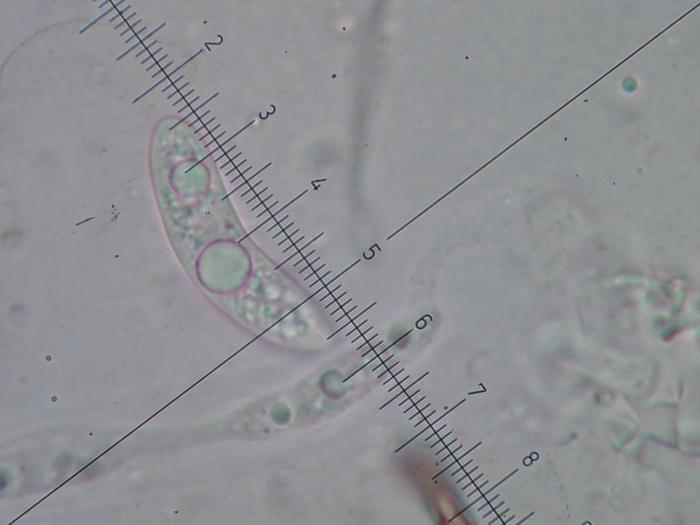
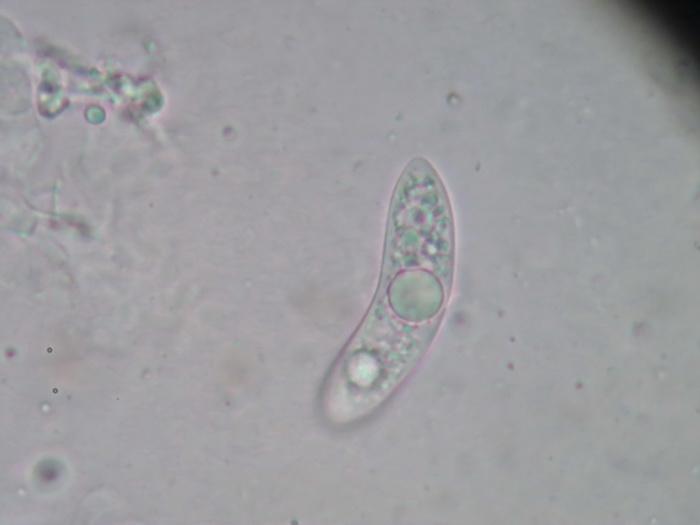
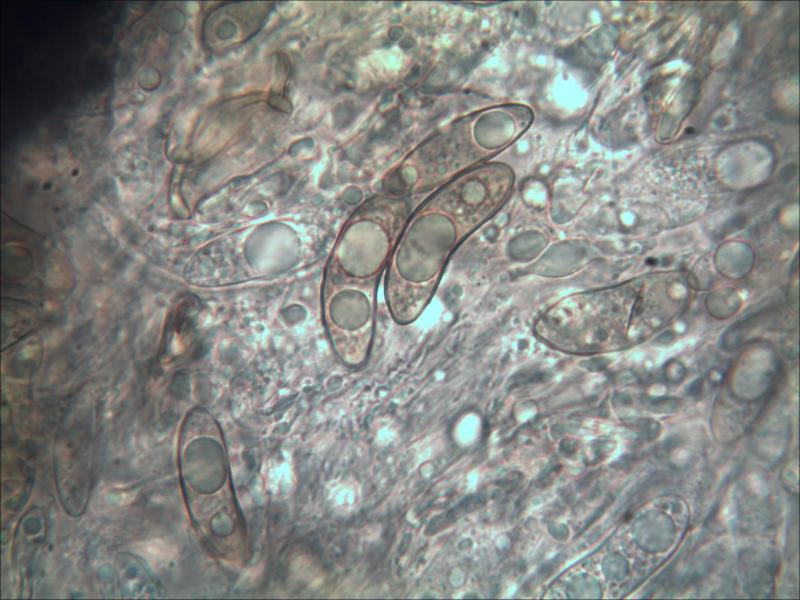
Spores becoming slightly brownish with age, bean-shaped, 27-32 x 8,5-11 µm, with two or three big oil drops.
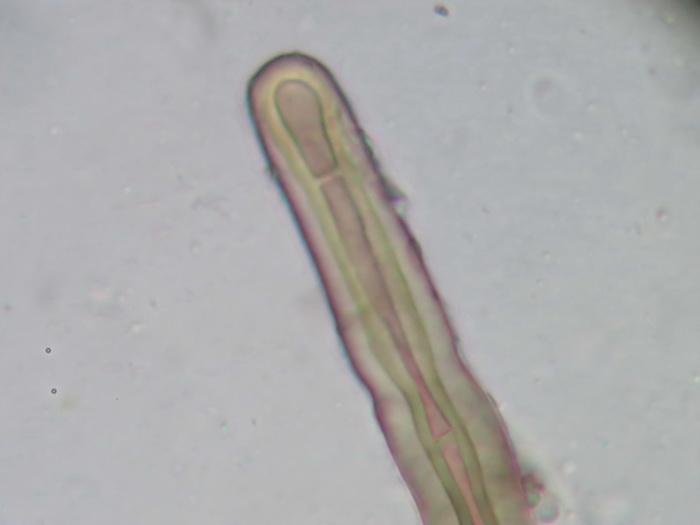
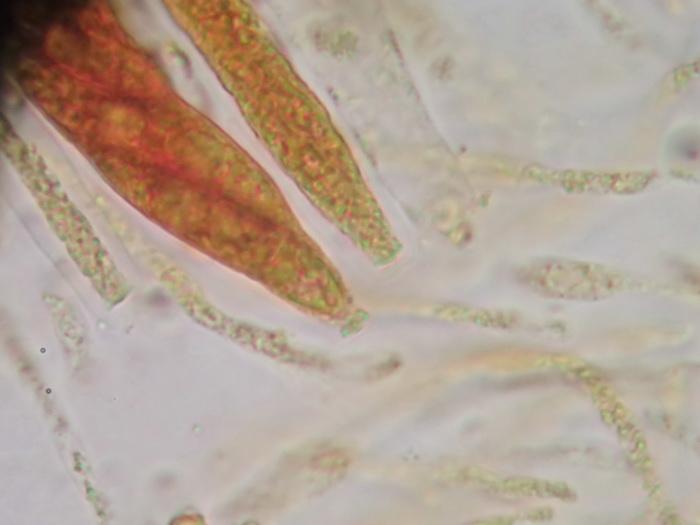
Asci without reaction on Lugols/Barals.
Has anyone an idea were to search for?
thank you and best regards,
Andreas
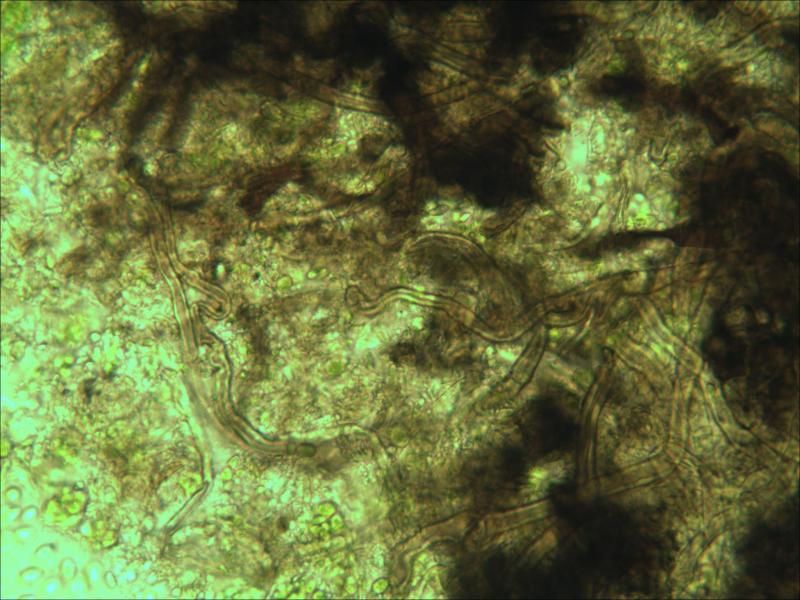
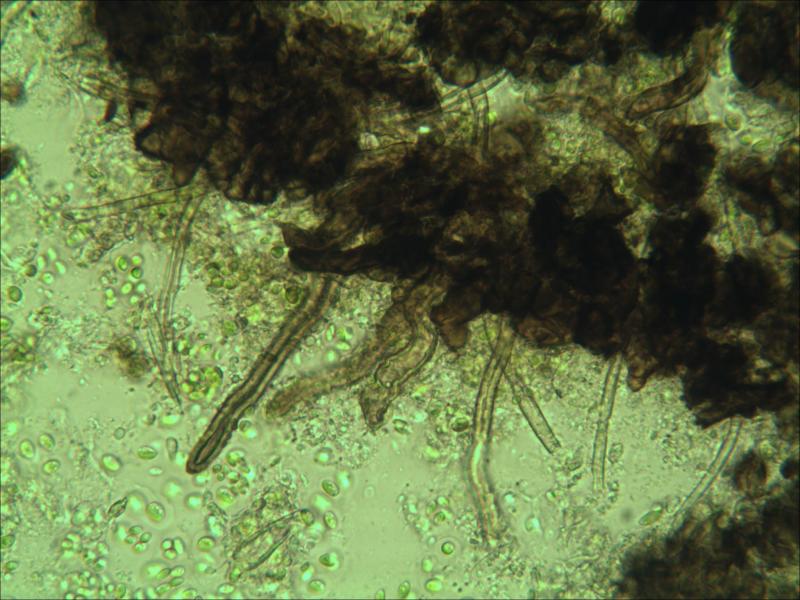
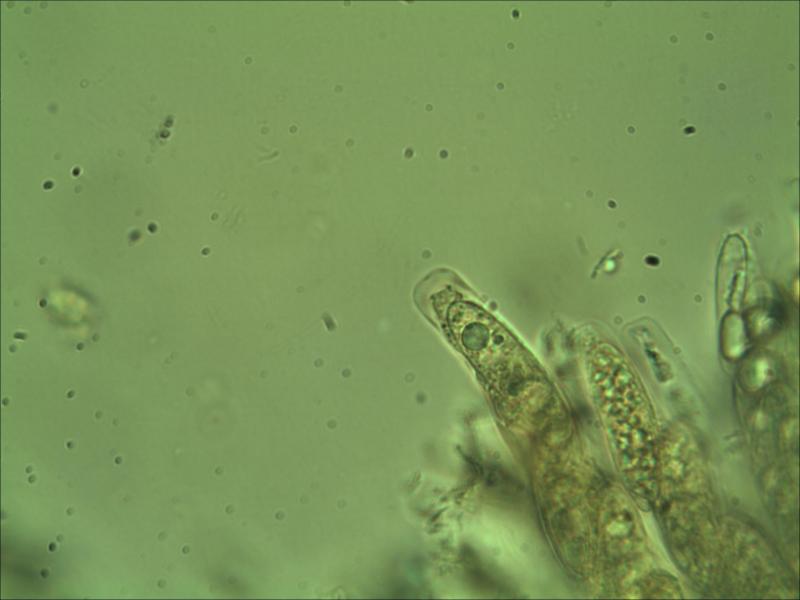
could be something like Helminthosphaeria stuppea (formerly Lasiosphaeria s.). Have a look at this paper: http://www.ascofrance.fr/uploads/forum_file/Helminthosphaeriaceae-Miller-et-al-Mycologia2014-0001.pdf.
Best wishes,
Gernot
Dear Gernot,
thank you very much, that looks very promising!
May be Jacques can confirm this :-)
best regards,
Andreas
Hallo Gernot,
wieso kennst Du diese Art eigentlich?
Ich wollte mal etwas darüber recherchieren, aber die Art ist noch nicht mal in unserem TaxRef-Liste für Deutschland enthalten - scheint also neu für Deutschland zu sein?!
beste Grüße,
Andreas

this would be my guess too, around H. stuppea.If you read the Mycologia paper you will see that the delimitation of these species is not fully resolved.
Good luck!
Jacques
Dear Jacques,
thanks a lot!
Not fully resolved means, that it is not certain that the european collections are identical to the american ones. But the european collections are identical one to each other, isn't it?
Is this a rare species? I don't find anything in german language on that species ....
best regards,
Andreas
Jacques
just a few weeks ago we had a collection of a "typical" H. stuppea, i.e. one that fits the description in the Mycologia article quite well. Unfortunately I won't have access to the photos of this collection until next week so I can't show them right now.
And a few years back I found a species that came close to H. stuppea but had deviating ascospores. That was the collection that intruduced me to this intricate group. :-)
Best wishes,
Gernot
Best wishes,
Gernot