
12-06-2026 14:50
 François Freléchoux
Bonjour, Voici la brève description d'une Mollis
10-06-2026 21:16
François Freléchoux
Bonsoir,Le dernier du jour, en attendant votre avi
11-06-2026 19:01
 William Slosse
Hello all,In an attempt to make a culture of a sus
11-06-2026 19:03
 Nicolas VAN VOOREN
Chers membres d'Ascofrance,Le site sera placé en

09-06-2026 18:32
Camille MertensSur morceau de roseau immergé 0,5 - 0,7 mm de dia
10-06-2026 12:54
Steve ClementsBonjour encore, Pouvez-vous m'aider, s'il vous pl
10-06-2026 21:07
François Freléchoux
Toutes les tiges de gentianes jaunes de l'an passÃ
10-06-2026 13:41
François Freléchoux
Bonjour à nouveau, Voici une trouvaille d'hier.
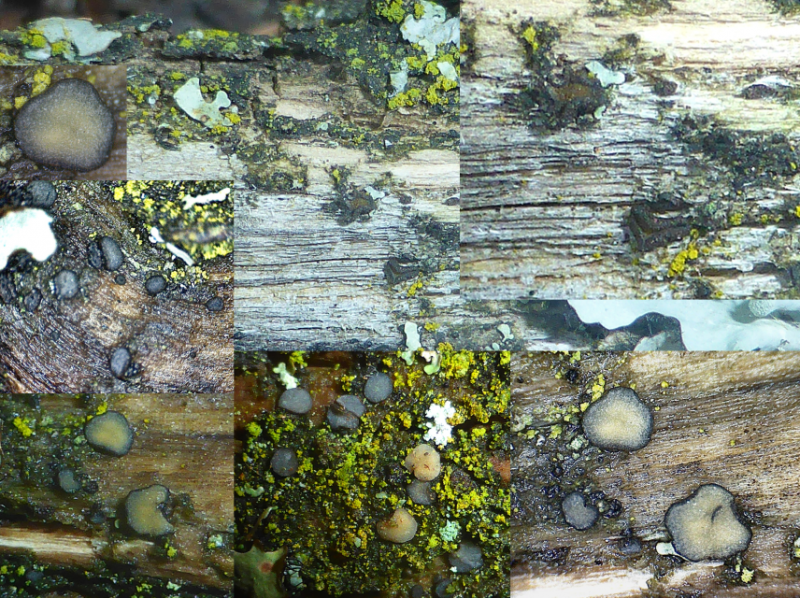
Mollisia or related genus from Portugal - with quite peculiar character
Lothar Krieglsteiner,
27-04-2026 20:52
 Found on hanging tiwg of Olea europaea in dried-out stage, then water was added.
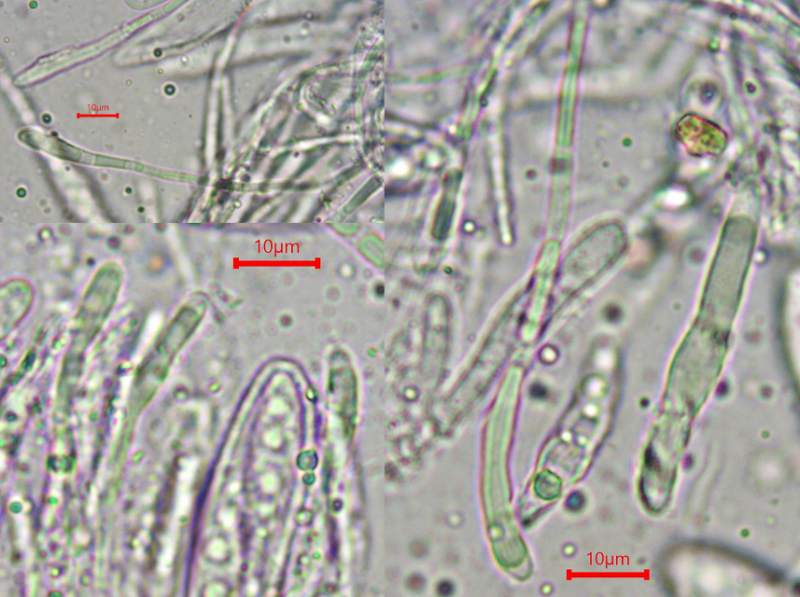
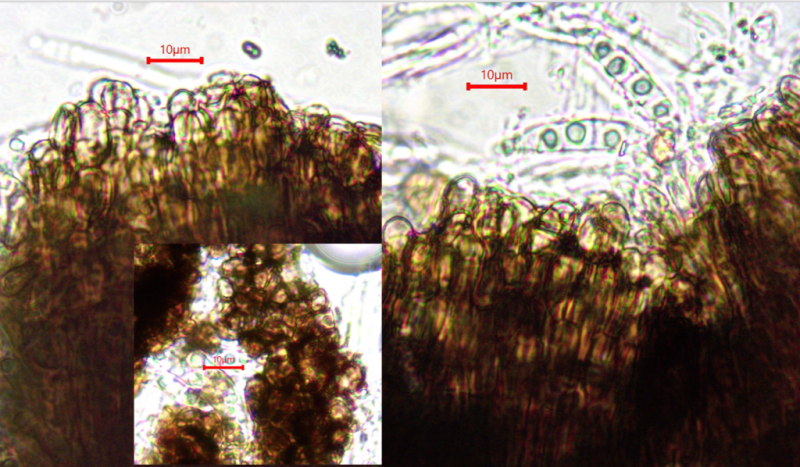
The brown excipulum of globulosa, the vacuolar bodies in the paraphyses and the macroscopical appearance lead to Mollisia or related genera.
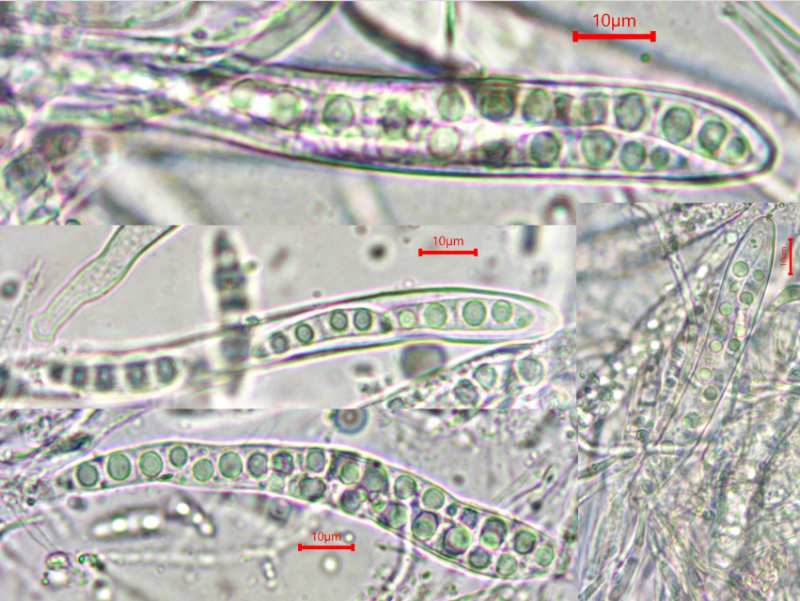
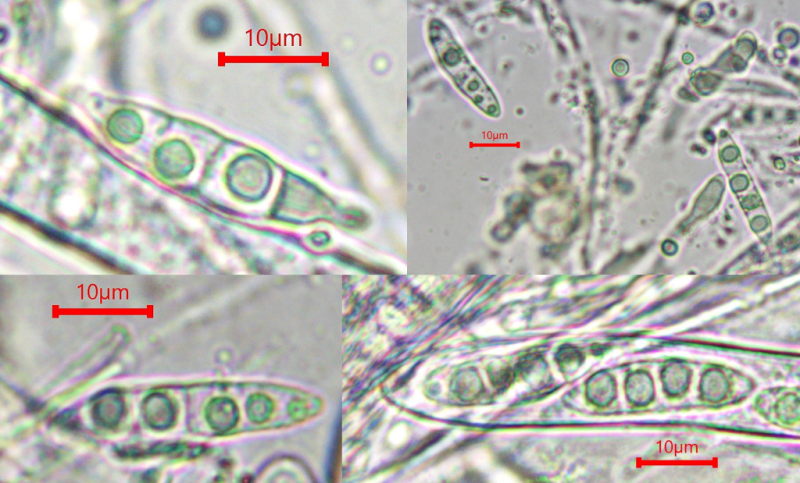
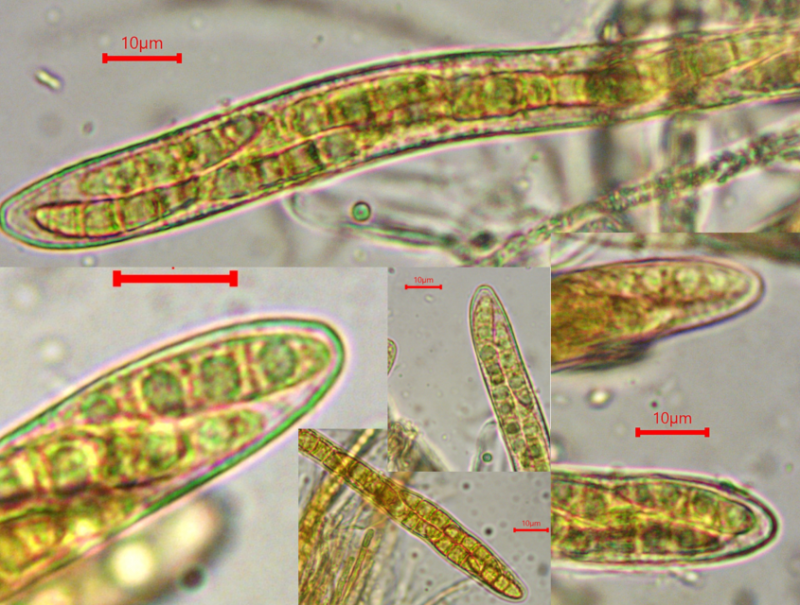
The spores are oil-rich, with mostly 4 large guttules, and measure about 22-28/4-5 µm, they are 1- or mostly 3-septate already within the asci. Old spores found outside sometimes germinate at their ends like a Rutstroemia. I never saw this in Mollisia (?).
The asci are large, about 100-150/11-12 µm (few measured), and bear croziers. They are ioidine-negative in Baral.
Who can contribute to a determination?
Hans-Otto Baral,
27-04-2026 21:18
Re : Mollisia or related genus from Portugal - with quite peculiar character
Hallo Lother, Nipterella parksii seems similar, but has IKI deep blue apical rings. I have it in my folder Mollisia on wood & bark. Zotto
Lothar Krieglsteiner,
27-04-2026 21:24
possibly Nipterella parksii
Hello Zotto,
thank you very much for your reply and species proposal.
I will try again the IKI-reaction with the scanty exciccatum when I am at home again (in the moment we are in the North of Spain for a visit in the Picos de Europa).
Best regards, Lothar
thank you very much for your reply and species proposal.
I will try again the IKI-reaction with the scanty exciccatum when I am at home again (in the moment we are in the North of Spain for a visit in the Picos de Europa).
Best regards, Lothar
Lothar Krieglsteiner,
29-04-2026 11:07
Re : Mollisia or related genus from Portugal - with quite peculiar character
Hello Zotto,
I just looked in your Mollisia folder and found parksii.
But I also found another folder labelled "3sept. multigutt. IKI-".
My fungus seems to be between parksii and this - macroscopically better fitting to the IKInegativ form. But my spores were not multiguttulate.
Best regards, Lothar
I just looked in your Mollisia folder and found parksii.
But I also found another folder labelled "3sept. multigutt. IKI-".
My fungus seems to be between parksii and this - macroscopically better fitting to the IKInegativ form. But my spores were not multiguttulate.
Best regards, Lothar
Lothar Krieglsteiner,
12-05-2026 13:54
Re : Mollisia or related genus from Portugal - with quite peculiar character
Today I re-examined the specimen - and it is very obviously IKI-negative (soaked with water, then Barals solution).
What I forgot to write the first time: the aporhecia react (not very strongly, but oviously) yellow in KOH 10%
What I forgot to write the first time: the aporhecia react (not very strongly, but oviously) yellow in KOH 10%