
28-07-2011 18:31
 Alex Akulov
Dear FriendsToday I made the pdf file of Velenovsk
25-12-2019 17:54
Valencia Lopez Francisco JavierHola a todos/asEstas supuestas pezizas estaban en
12-07-2015 00:05
 Nedim Jukic
This one from the same locality as the previous on
12-11-2019 10:32
 Miguel Ángel Ribes
Hi againExactly at the same place than my previous


30-05-2026 21:12
Philippe PELLICIERSur branche de mélèze (Larix) près de la neige,
31-05-2026 10:35
Hulda Caroline HolteHello,I collected this species growing on a rather
25-05-2026 16:35
 Bernard CLESSE
Bonjour à toutes et tous,J'ai trouvé récemment,
29-05-2026 15:35
daniel FERREBonjour à tous,Je voudrais votre aide pour cette
Lasiosphaeria-like
Gernot Friebes,
02-02-2015 13:37
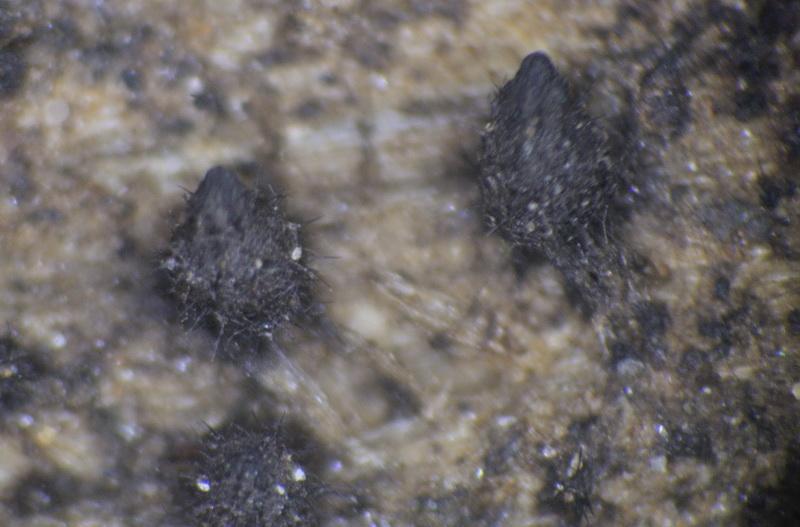
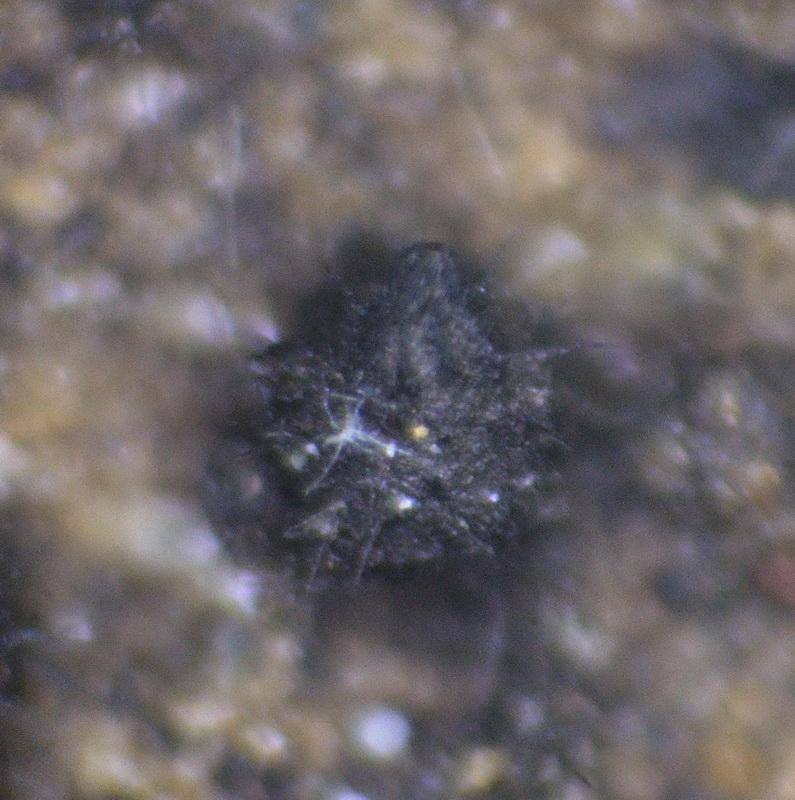
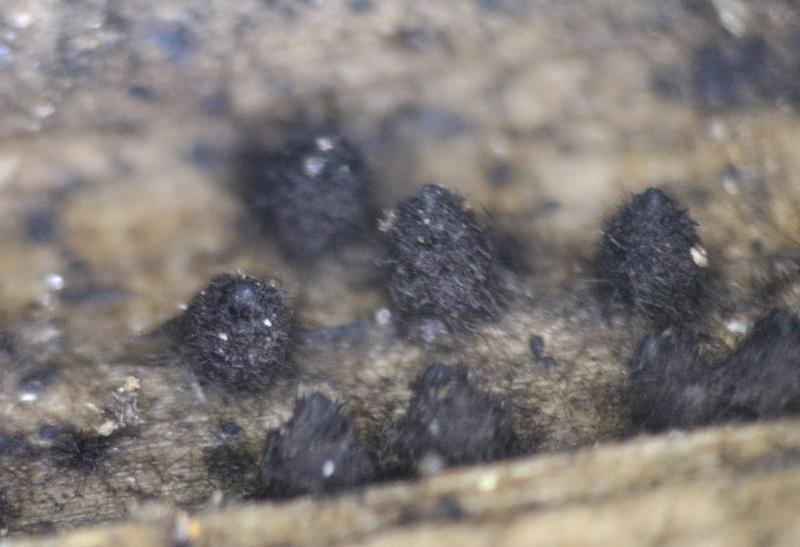
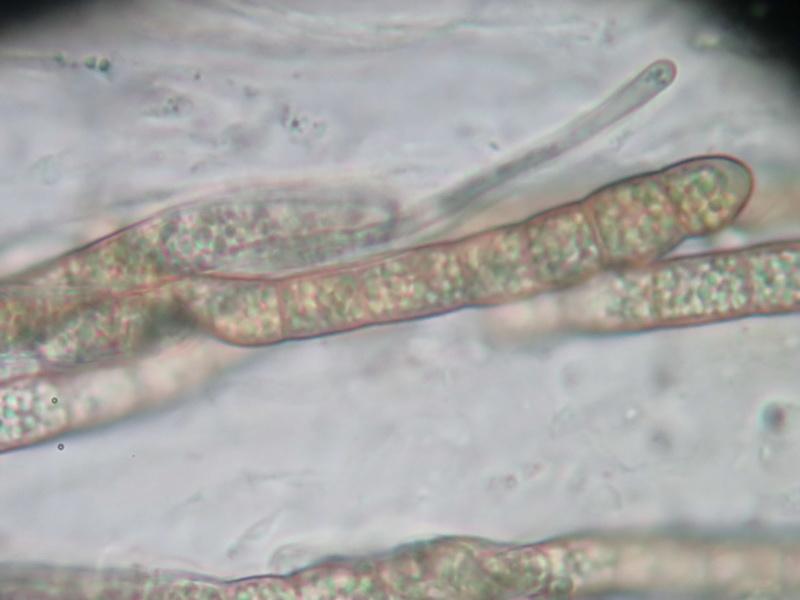
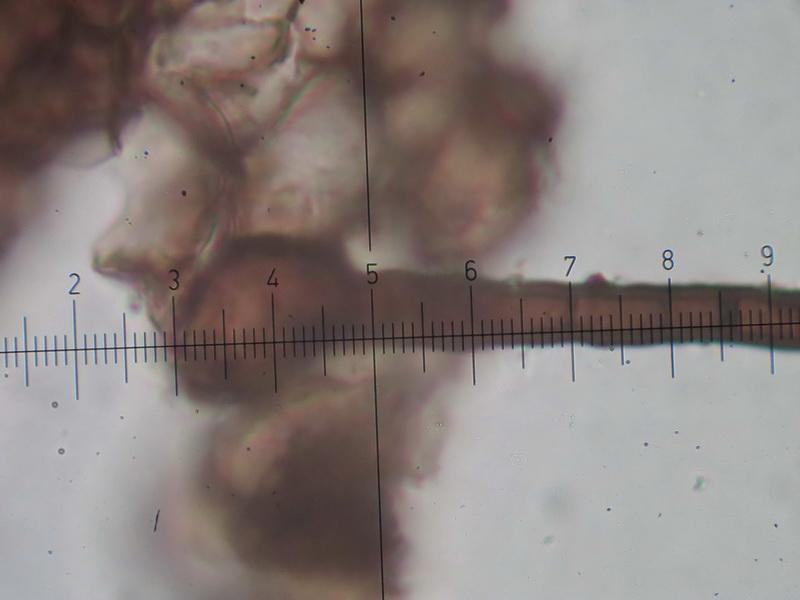
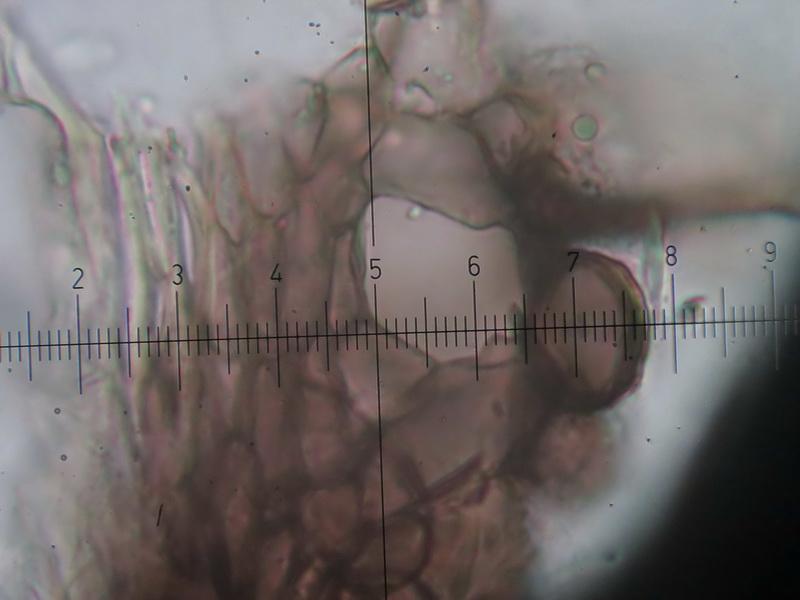
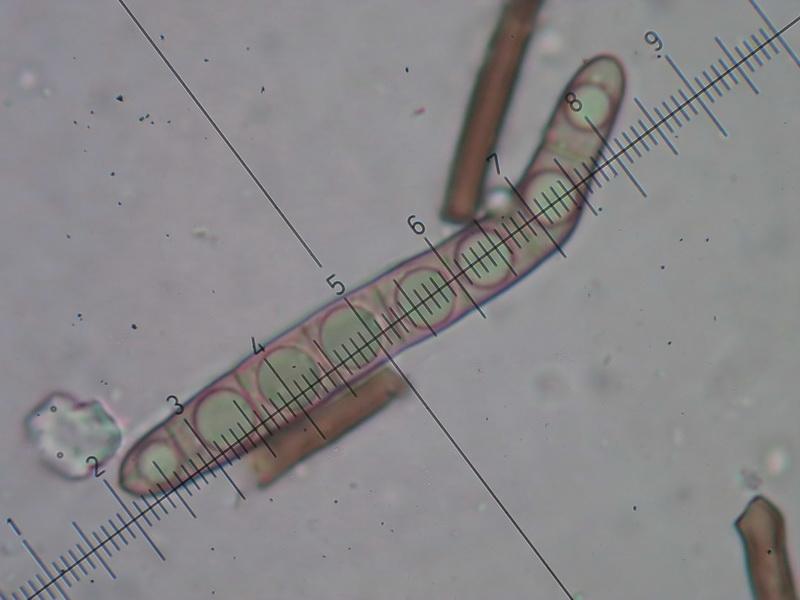
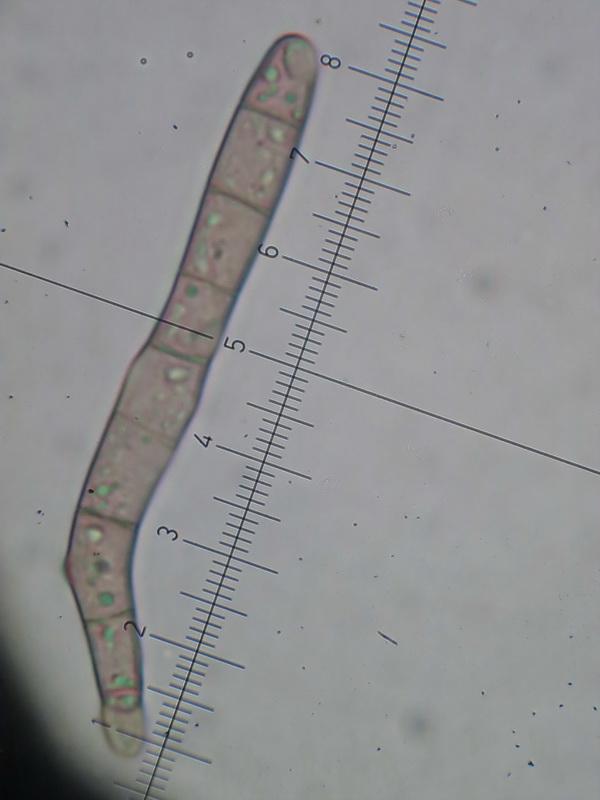
I would need your help with this Lasiosphaeria-like species that grows on a decorticated piece of Picea wood. I looked through the literature but couldn't find a species with the combination of brown, non-tapering ascospores with up to 7 septa and sulcate ostioles. Here's a short description by the person who collected this species (and took the photos):
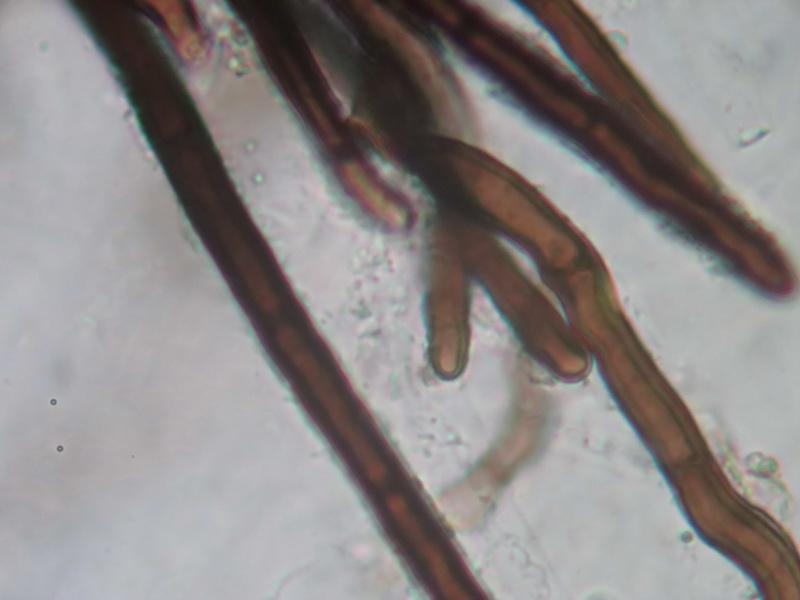
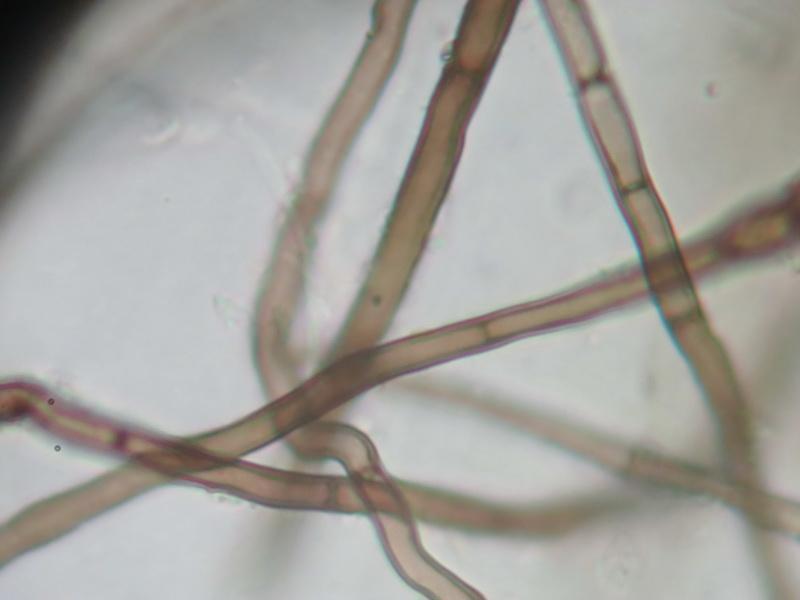
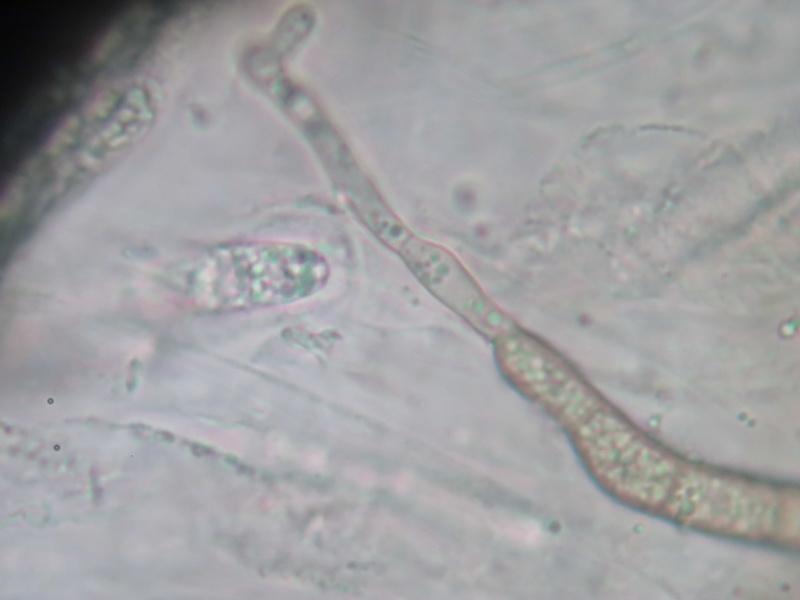
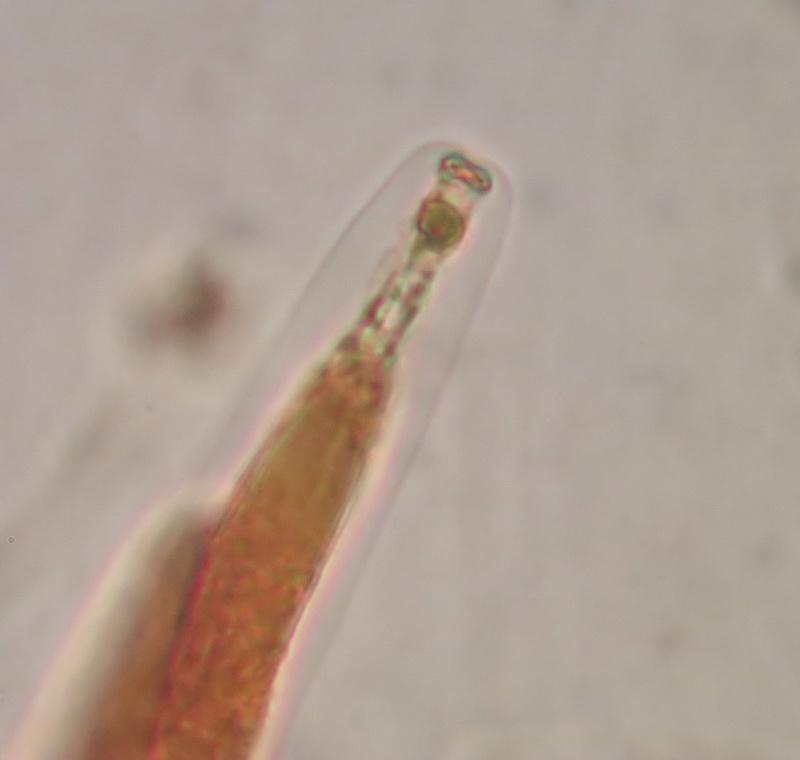
Asci biseriate, without or only with weakly developed(?) subapical globulus. Ascospores brown (already inside the ascus), ca. (60)70-72 x 8 µm, bent in the lower third, with up to 7 septa, germinating when old. Setae dark brown, thick-walled.
Thank you and best wishes,
Gernot

Jacques Fournier,
02-02-2015 14:00

Re : Lasiosphaeria-like
Hi Gernot,
I think it belongs to the Lasiosphaeris hirsuta complex. With such a stout conical and sulcate neck, it used to be called L. tuberculosa but the morphological traits largely overlap between the four species involved and for the moment there is no molecular support to merge or segregate them. Unless Andrew has new information?
Cheers,
Jacques
I think it belongs to the Lasiosphaeris hirsuta complex. With such a stout conical and sulcate neck, it used to be called L. tuberculosa but the morphological traits largely overlap between the four species involved and for the moment there is no molecular support to merge or segregate them. Unless Andrew has new information?
Cheers,
Jacques
Gernot Friebes,
02-02-2015 14:41
Re : Lasiosphaeria-like
Hi Jacques,
thanks! I have seen quite a few collections of L. hirsuta agg. but never with such a sulcate neck like in this find, hence why I didn't make the connection. The ascospores clearly fit the L. hirsuta complex well!
Best wishes,
Gernot
thanks! I have seen quite a few collections of L. hirsuta agg. but never with such a sulcate neck like in this find, hence why I didn't make the connection. The ascospores clearly fit the L. hirsuta complex well!
Best wishes,
Gernot
Andrew N. Miller,
02-02-2015 15:33

Re : Lasiosphaeria-like
Unfortunately, there is a wide range of morphological variation within the 8 species that occur in the L. hirsuta species complex. This morphology overlaps among species making it difficult to distinguish species based on morphology alone. Not what taxonomists like to hear...
Andy
Andy