
28-04-2026 20:33
Vitus SchäfftleinHello, I found Trochila ilicina on Ilex aquifoliu
28-04-2026 22:51
 Bernard CLESSE
Bonsoir à toutes et tous,Pourriez-vous m'aider à

28-04-2026 21:50
 Pablo Sandoval
Hola a todos,Espero se encuentren bien. Hace mucho
27-04-2026 18:05
 Lothar Krieglsteiner
... still attached at standing tree. The green con
28-04-2026 20:07
Lothar Krieglsteiner
... on twig in the air at standing Ceratonia siliq
27-04-2026 20:52
Lothar Krieglsteiner
Found on hanging tiwg of Olea europaea in dried-ou
27-04-2026 18:48
Tony MoverleyCollected 23rd April 2026, Norfolk, EnglandSwarms
27-04-2026 17:41
Lothar Krieglsteiner
.. Algarve, same leaf than the last post. The con
27-04-2026 17:16
Lothar Krieglsteiner
.. Algarve, moist lying.The conidiomata look like
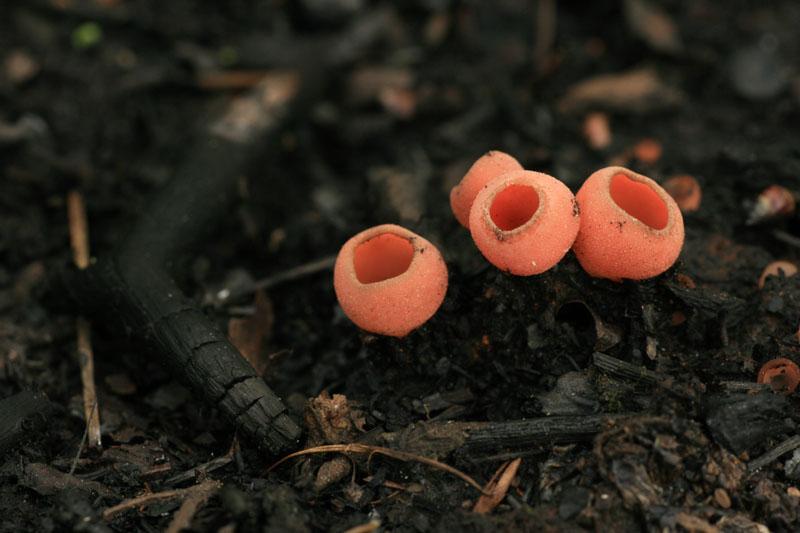
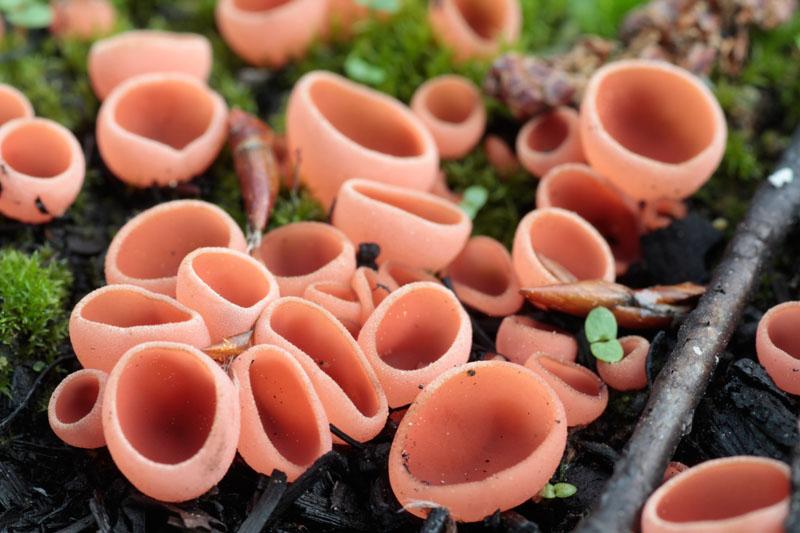
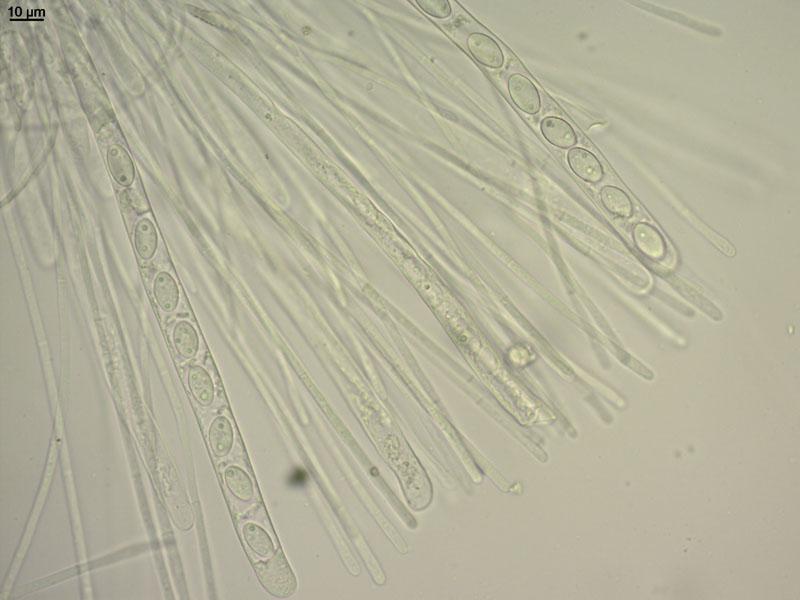
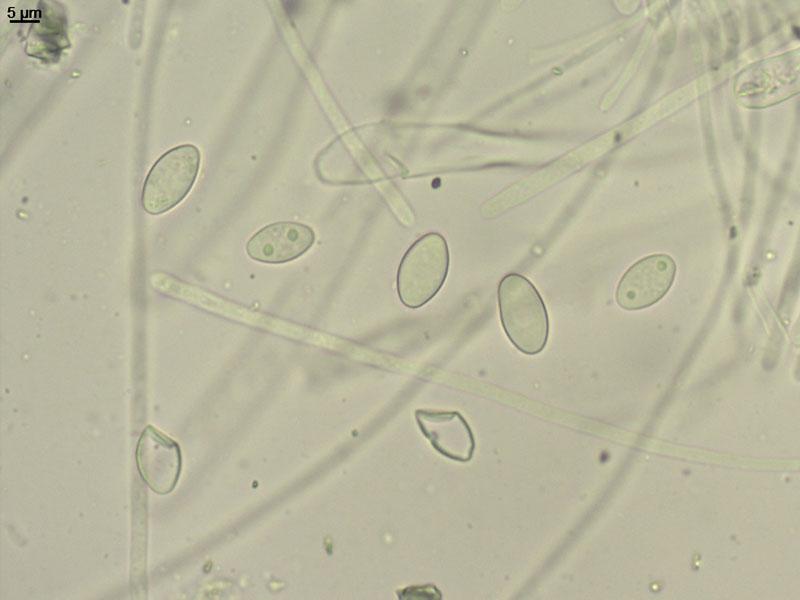
The specimen also was lost, but it's beautiful cups should be possible to identify, i hope.
Mixed coniferous-aspen after fire forest, West Siberia near Khanty-Mansiysk (61.08148N, 69.48450E).
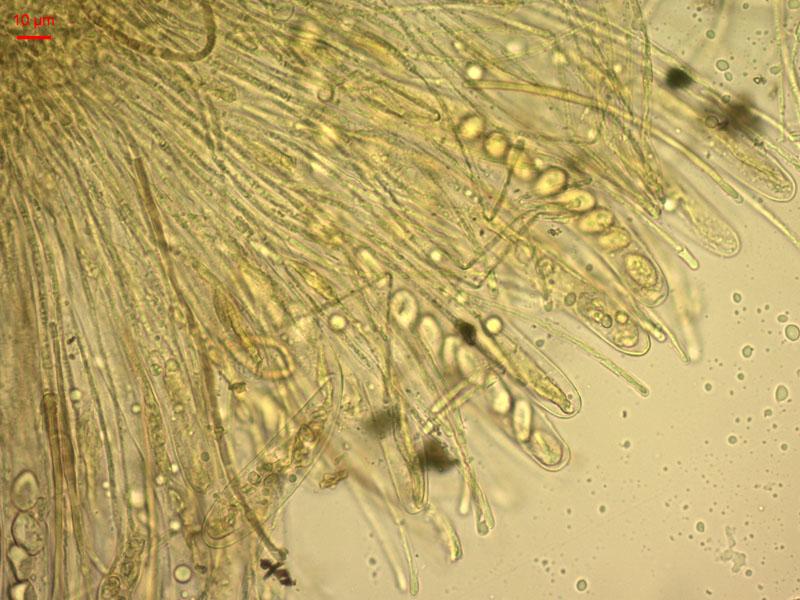
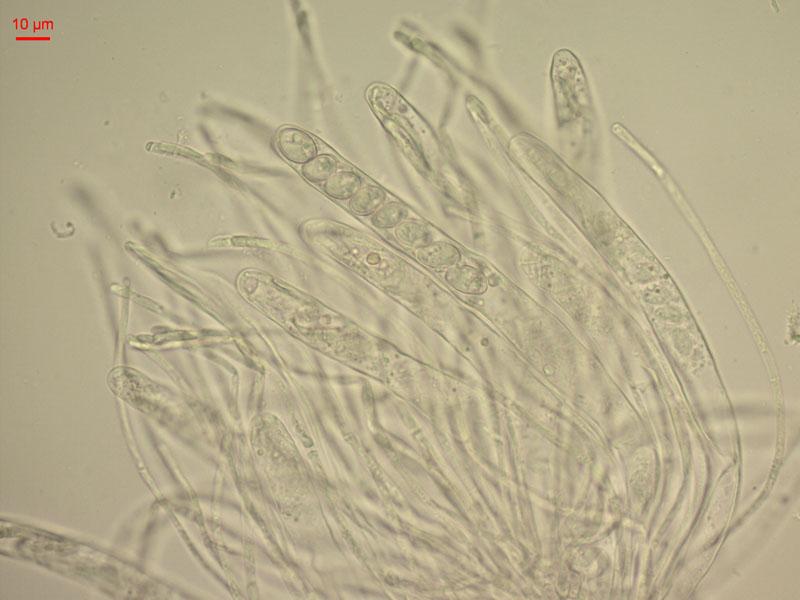
Spores with two guttules, smooth, 13.9 (13-14.8) x 8.3 (7.6-9.4) (only 6 spores measured, so that real size could be biased).
Nina.



About the second species, nothing can be said with a single immature specimen. This is probably a Tarzetta, but impossible to name it.
thanks for your comments,
Uwe Lindemann also wrote me in personal that most probably R. rosea (but spores are smaller and he asked send him a specimen, i will do it).
Nina.