Accès membres

Mot de passe perdu? S'inscrire

22-04-2026 20:17

Marian Jagers Marian Jagers

Is anyone familiar with the Hyphomycetes genus Pse

23-04-2026 06:46

François Freléchoux François Freléchoux

Bonjour, Voici la description d'un minuscule asco

21-04-2026 22:14

Margot en Geert Vullings

This cup fungus was found on April 10, 2026, on lo

22-04-2026 20:54

Enrique Rubio Enrique Rubio

Hi to everybody.This Pyrenopeziza grew in moist le

22-04-2026 19:12

Louis DENY

Bonjour forum.Trouvé à Belfort, est de la France

21-04-2026 21:00

Sylvie Le Goff

Bonjour à tousJe sollicite votre aide pour cet as

22-04-2026 01:06

Richard VALERI Richard VALERI

Bonjour à tous.Je vous présente cette Nectria s.

21-04-2026 13:36

Gernot Friebes

Hi,I am out of ideas for this one. I collected Sal

21-04-2026 13:19

Gernot Friebes

Hi,this Lophodermium on Typha has ascospores measu

21-04-2026 13:05

Gernot Friebes

Hi,this hyphomycete feels familiar but I was not a
« < 1 2 3 4 5 > »
Fracchiaea callista? on Carpinus
Ethan Crenson, 07-02-2023 22:28
Hello friends,

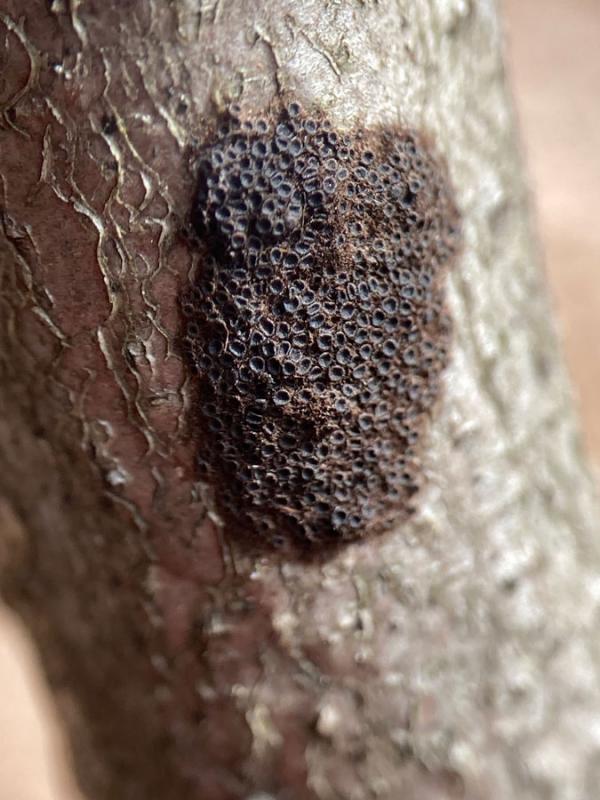
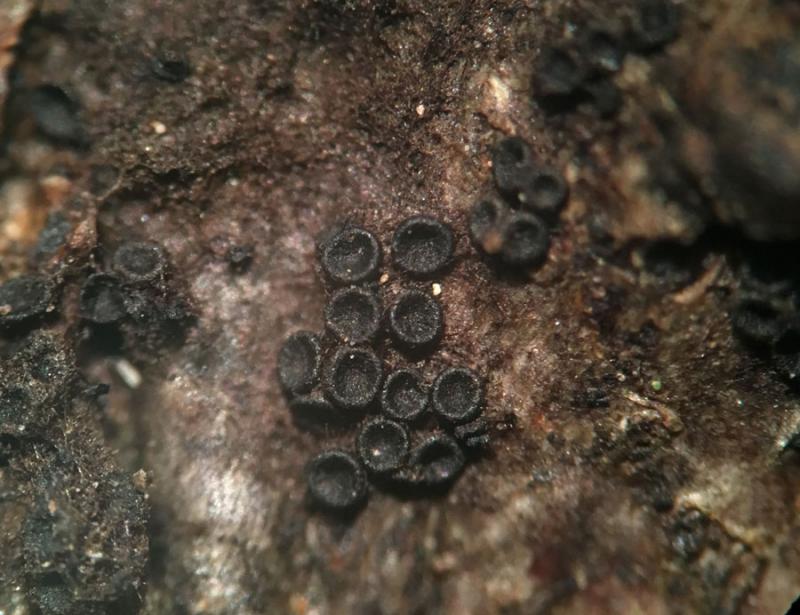
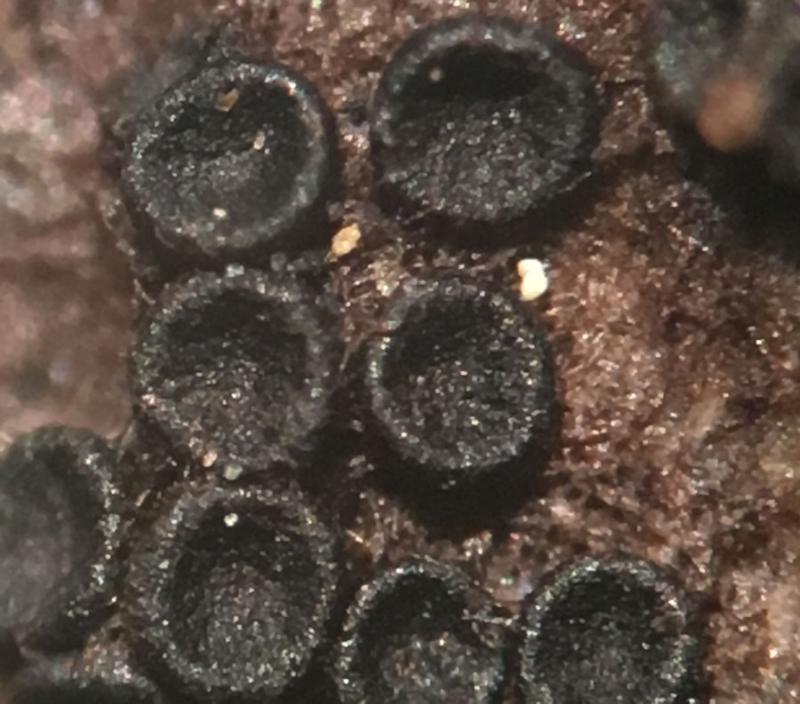
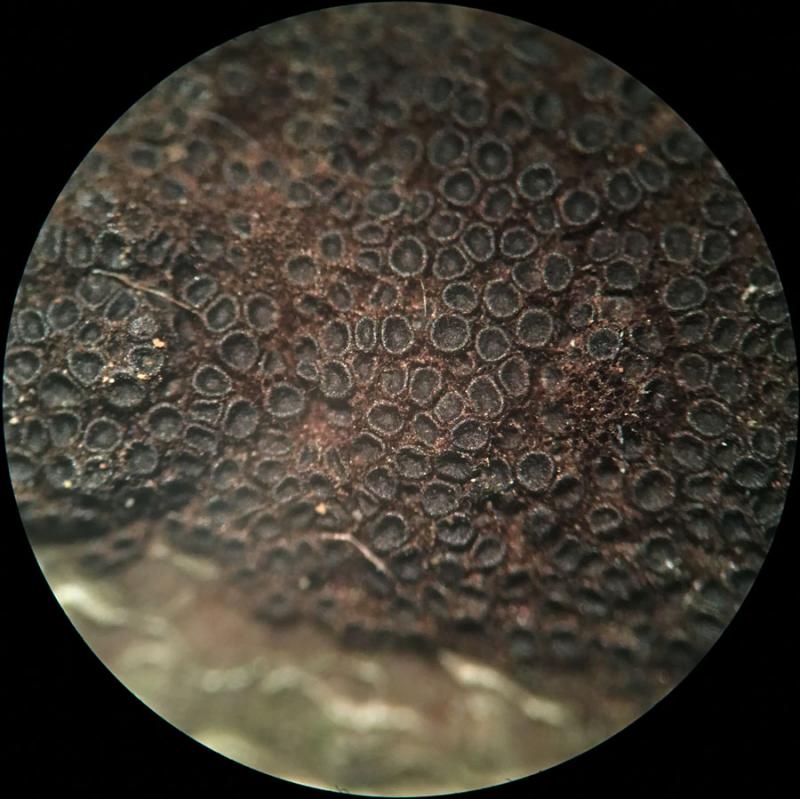
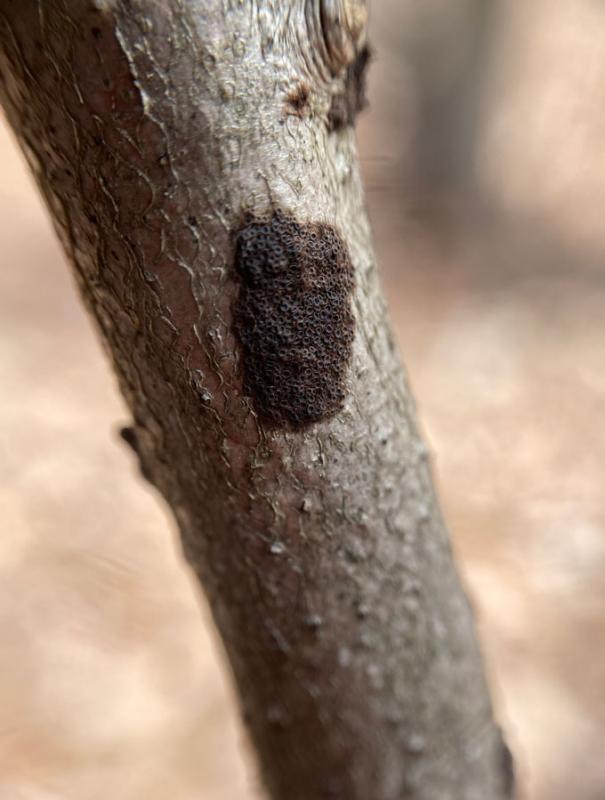
On Sunday, in the southern part of New York City, on a dead branch of Carpinus, a friend of mine found what I think might be Fracchiaea callista. In small patches, there are crowded clusters of collabent black fruiting bodies seated in a coarse brown subiculum. 

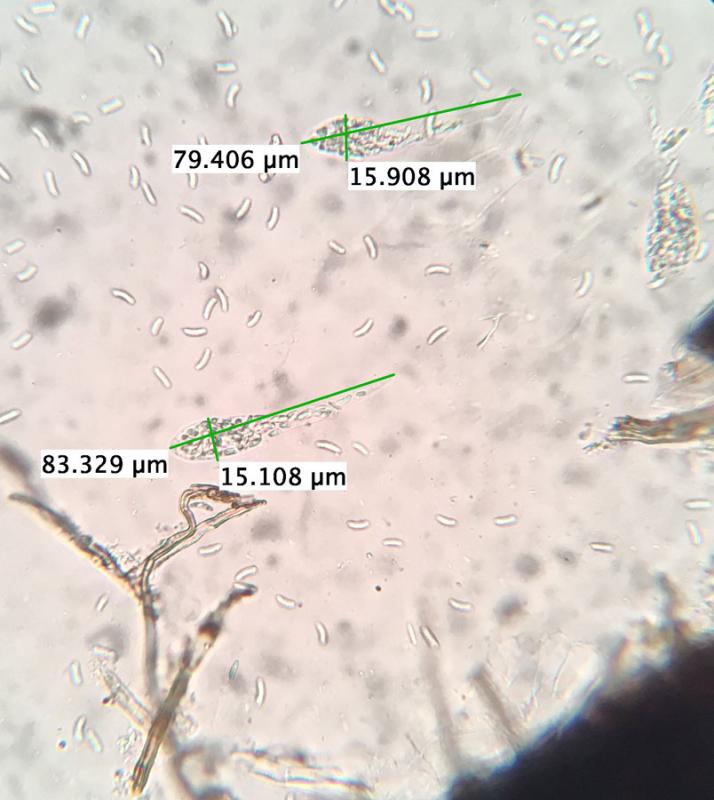
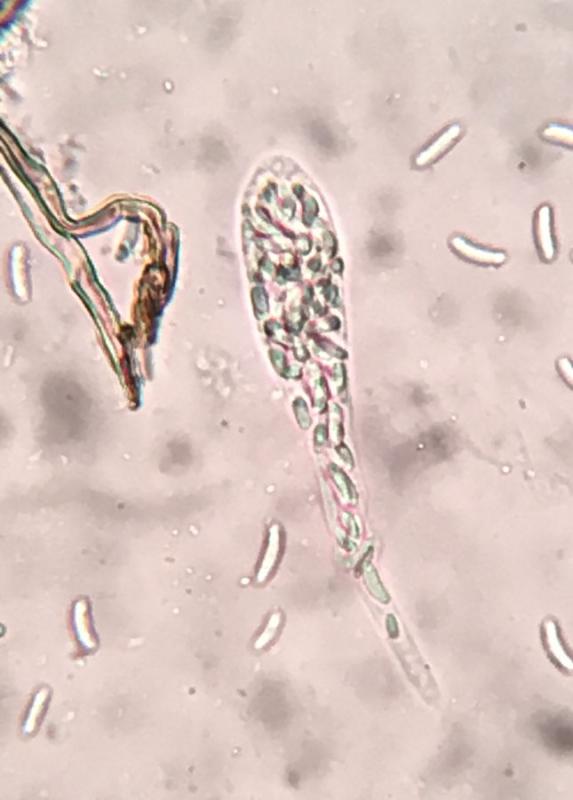
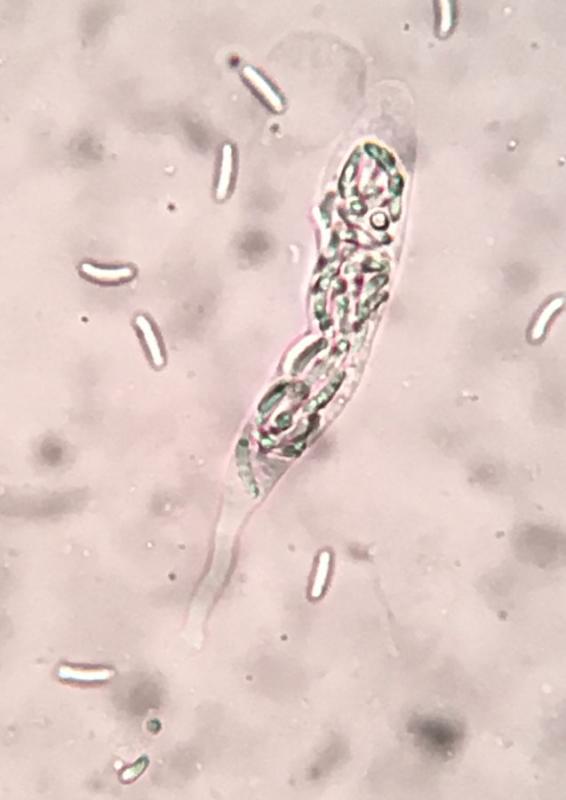
The asci are clavate and measure 76-90 x 13-16µm.  They contain about 32 spores --  I think!? It's very difficult to count them inside the ascus. I'd appreciate some opinions on the number of spores per ascus. (It's like guessing the number of jelly beans in a jar).

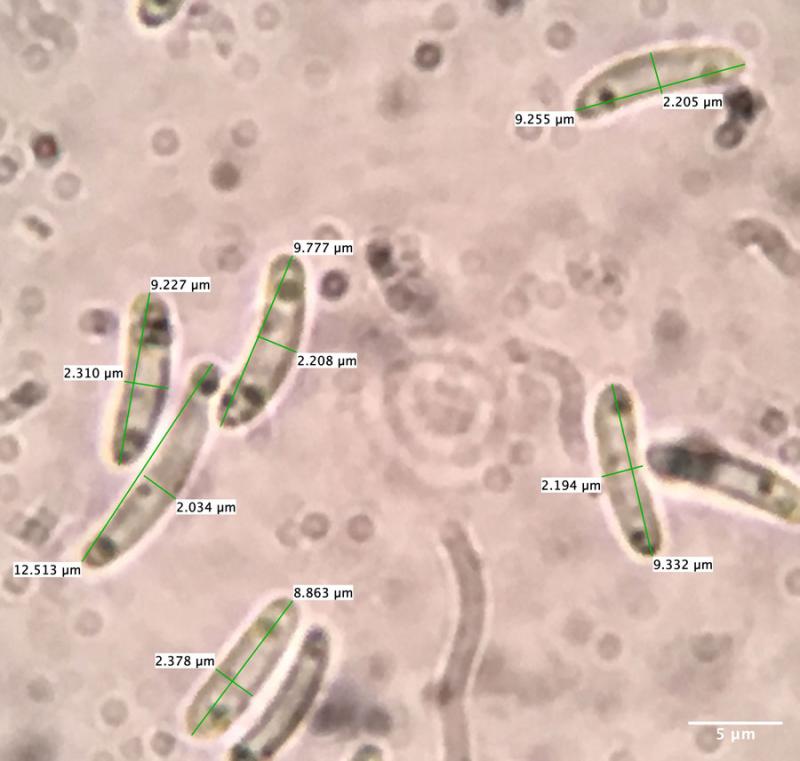
The spores are hyaline, allantoid and measure :

7.7-12.5 x 1.6-2.4µm

Me 9.3 x 2.2µm

Q=3.5-6.2

MeQ=4.3

N=23

Am I correct? Thanks for your help. 

Ethan
  • message #75131
  • message #75131
  • message #75131
  • message #75131
  • message #75131
  • message #75131
  • message #75131
  • message #75131
  • message #75131
  • message #75131
Jacques Fournier, 08-02-2023 15:37
Jacques Fournier
Re : Fracchiaea callista? on Carpinus
Hi Ethan,
this fungus is unknown to me, likely American, but I think you are close to the solution.
I went through 2010 Mugambi & Huhndorf's paper (Mycologia 102: 185-210) dealing with the phylogeny of Coronophorales and I learnt that F. callista has been moved to Neofracchieae callista, characterised by a brown subiculum, as on your photos.
I should display a quellkorper, visible in section or with some luck in a squash mount, which places it outside Nitschkiaceae in a distant family. Awful name, I don't even try to memorise it.
I could not find more information on this taxon, maybe Andy can help.

Cheers,
Jacques
Ethan Crenson, 08-02-2023 15:40
Re : Fracchiaea callista? on Carpinus
Greetings and thank you Jacques!  I must admit that, until I started researching this pyreno, I was completely unfamiliar with quellkorper or how to make one visible in a mount.  I will try. I did write to Dr. Miller directly, perhaps I will hear.

Ethan
Jacques Fournier, 08-02-2023 15:45
Jacques Fournier
Re : Fracchiaea callista? on Carpinus
it's a fairly big, gelatinous refractive obconical structure that does not stain in usual stains, sure you will spot it, if not on first attempt.
Good luck
Jacques
Ethan Crenson, 19-02-2026 17:50
Re : Fracchiaea callista? on Carpinus
I am returning to this post because I have an update, though not a solution.

I was never able to find a quellkörper after a few decent tries, so I decided to sequence this collection. I got what I believe is a decent ITS (below), but when I blast it, it does not match the one sequence of Neofracchiaea callista uploaded to GenBank by Huhndorf, Miller and Fernandez (AY695269).


The closest match is a distant 85.83% similarity to Yuxiensis granularis, which is in Scortechiniaceae (Coronophorales) and does bear a quellkörper.


I would not be surprised if my inability to find the quellkörper was due to my mediocre microscopy, inexperience, or not having a microtome. But I'm not certain.


Any ideas on this? I'd be very grateful for any at all.


Thanks!


ACAGAGTGCCCATGGCTCTGCCAACCCTGCGAACCTTACCATGTTGCCTCGGCGGCCTCAACCGCCGCAG
GCCCATCATACTCTTTTTATTACTATCGTCCCTCTGACTAAAACTTTTAATAAGTAAAAACTTTCAACAA
CGGATCTCTTGGCTCCAGCATCGATGAAGAACGCAGCGAAATGCGATAACTAGTGTGAATTGCAGAATTC
AGTGAACCATCGAGTCTTTGAACGCACATTGCGGCTGCCGGCATTCCGGCGGCCATGCCTGTCCGAGCGC
CACTAACACCCTCAGAGCCTAGTTTCTGGCGTTGGGTAACTGCCTCAGCGGCGGTCGCCTCAAAGTTAGT
GGCGGCGGCGCCCGTGGTGCGACGTACTCAGTAAAATTGCTAGCACGAAGCCCCGGCGCTCGCCTGCCGC
GAGAACCCCTCCATTTTAAAGTGGTTGGCCTCGGATCAGGTAGGATTACCCGCTGAACTTAAGCATA

Adam Polhorský, 19-02-2026 19:12
Re : Fracchiaea callista? on Carpinus
Hi Ethan, the reason why this does not match is that ITS is generally not used in Coronophorales. Probably due the high intraspecific variability. You would need to sequence LSU (or RPB2, TEF)

A.
Ethan Crenson, 19-02-2026 19:13
Re : Fracchiaea callista? on Carpinus
Hi Adam,

Yes, that makes sense. 

Thanks for your reply!

Ethan