

05-05-2026 22:40
Gernot FriebesHi,I believe this is a Plagiostoma growing on a Sa
06-05-2026 11:25
 Castillo Joseba
Me mandan el material seco de Galicia (España) re
06-05-2026 17:23
Thomas Læssøehttps://svampe.databasen.org/observations/10594257
28-04-2026 20:07
 Lothar Krieglsteiner
... on twig in the air at standing Ceratonia siliq
04-05-2026 18:13
 Stephen Martin Mifsud
ID request for what seems to be a true aquatic fun
04-05-2026 16:39
Stephen Martin Mifsud
ID request: This specimen was collected in Malta o
28-07-2011 18:31
 Alex Akulov
Dear FriendsToday I made the pdf file of Velenovsk
04-05-2026 09:50
Castillo Joseba
Me mandan el material seco de Galicia,(España) re

Hola a todos.
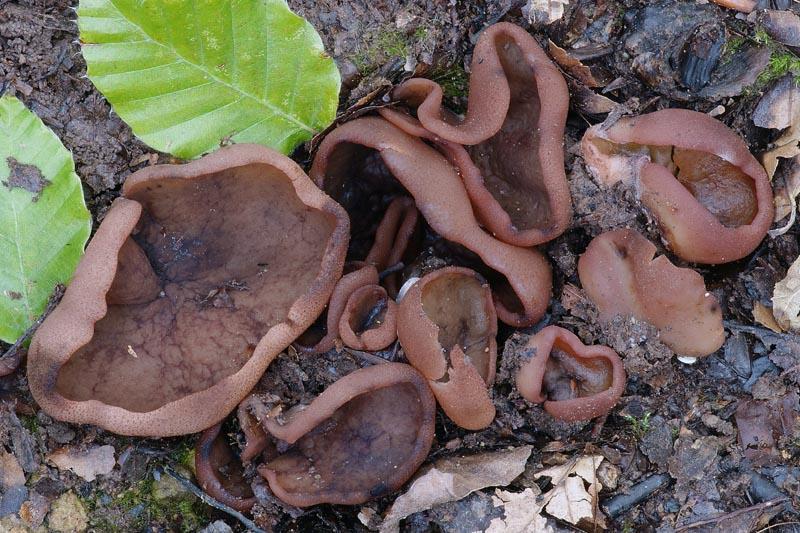
Subo unas fotos de una Peziza que encontramos ayer en orilla de riachuelo dentro de mixto hayedo-castañar. Había restos de troncos quemados, pero creo que no tienen nada que ver con ella.
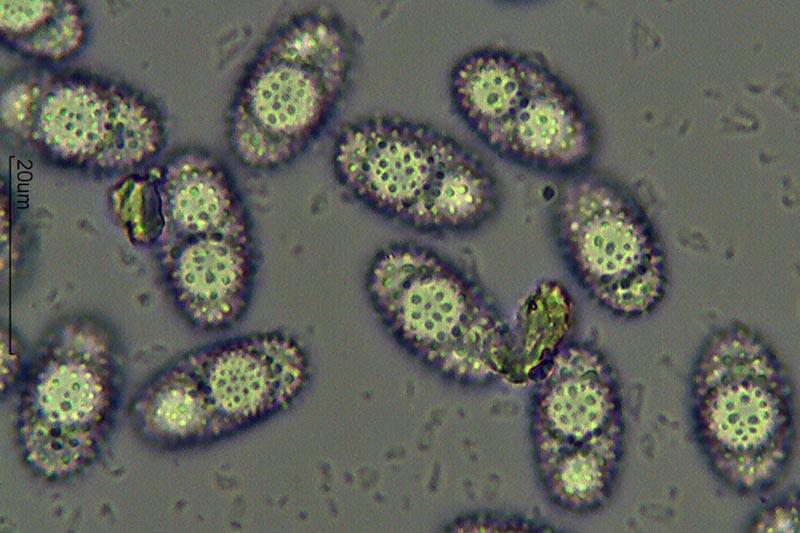
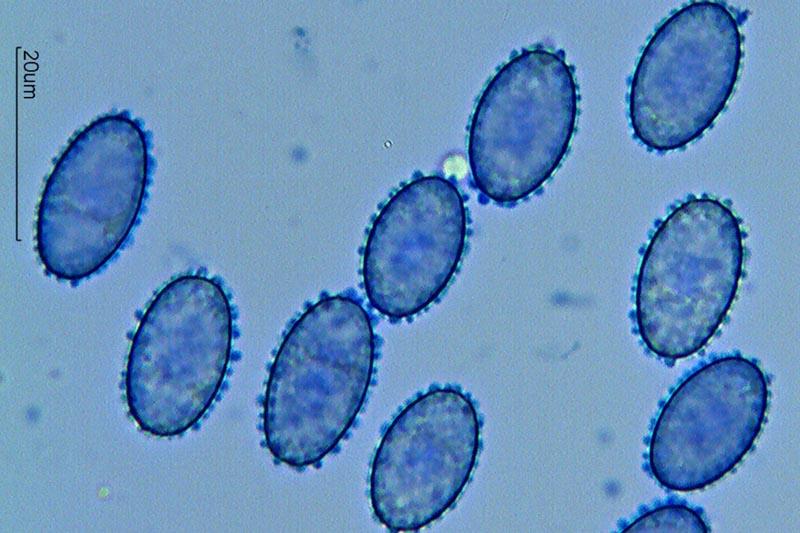
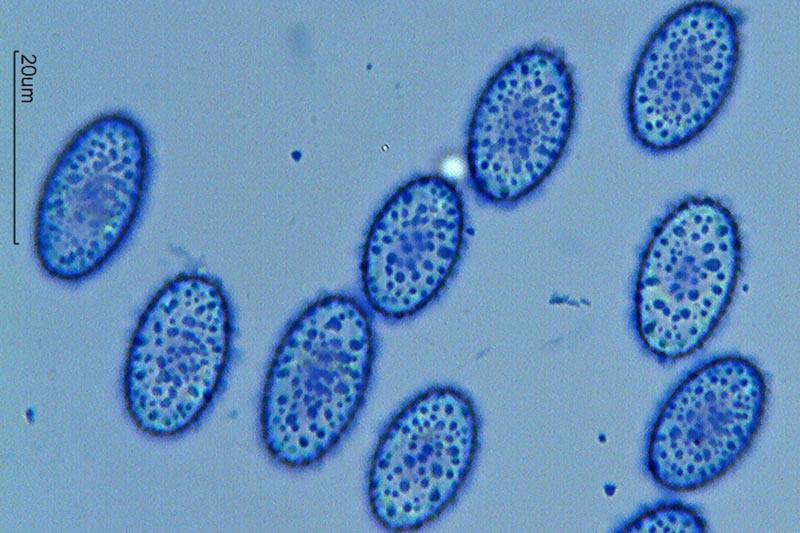
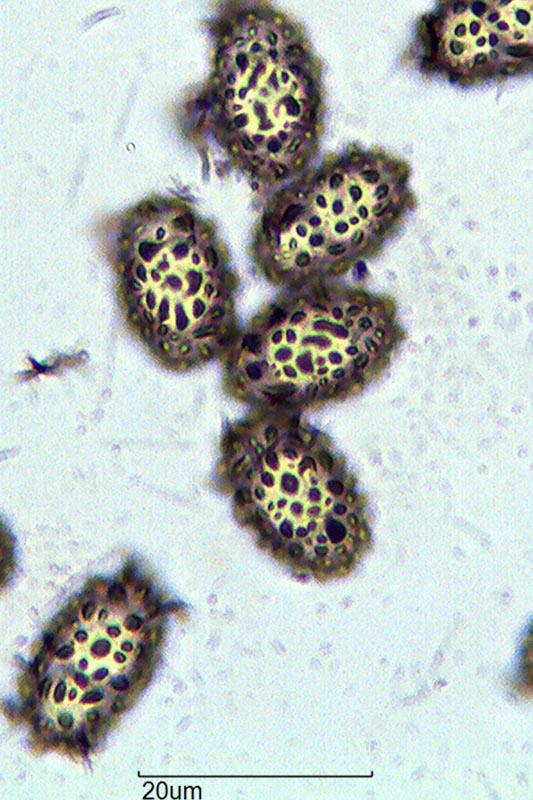
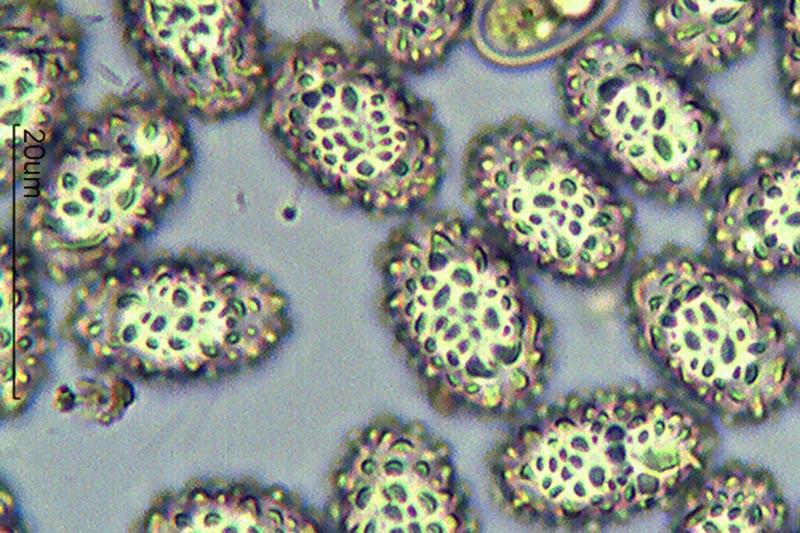
Esporas de 15,5-18 x 8,5-10 micras, con 1 ó 2 gútulas.
Por su colorido pensé en Peziza badiofusca, pero viendo la ornamentación esporal ahora dudo y no creo que pueda tratarse de ella.
¿Pueden ayudarme?
Gracias
Rubén
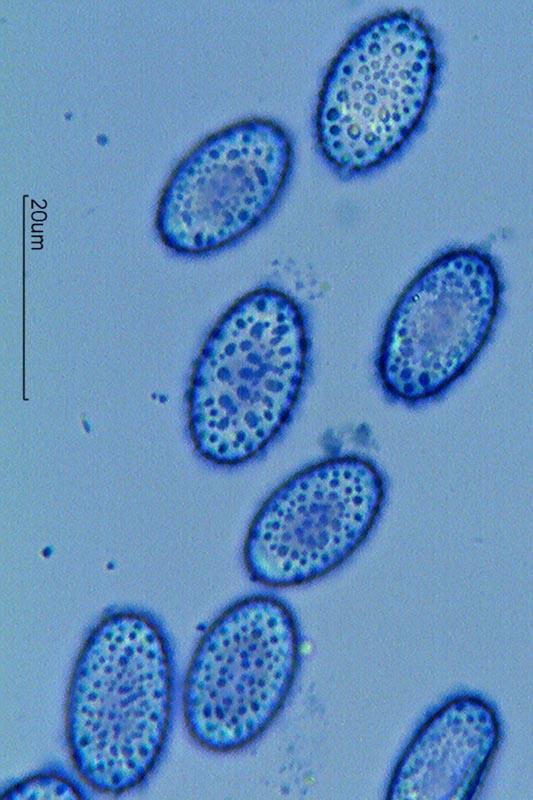
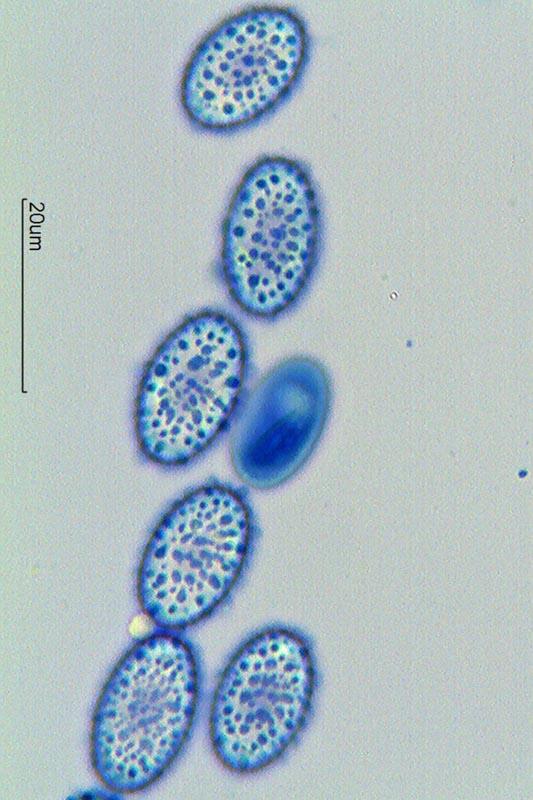

Elles me font penser à Peziza depressa mais spores un peu courtes...
Gilbeert
Ich Denke, IHRE Suche Peziza depressa.
EINE gute Zeit
Gelbfieber & Co
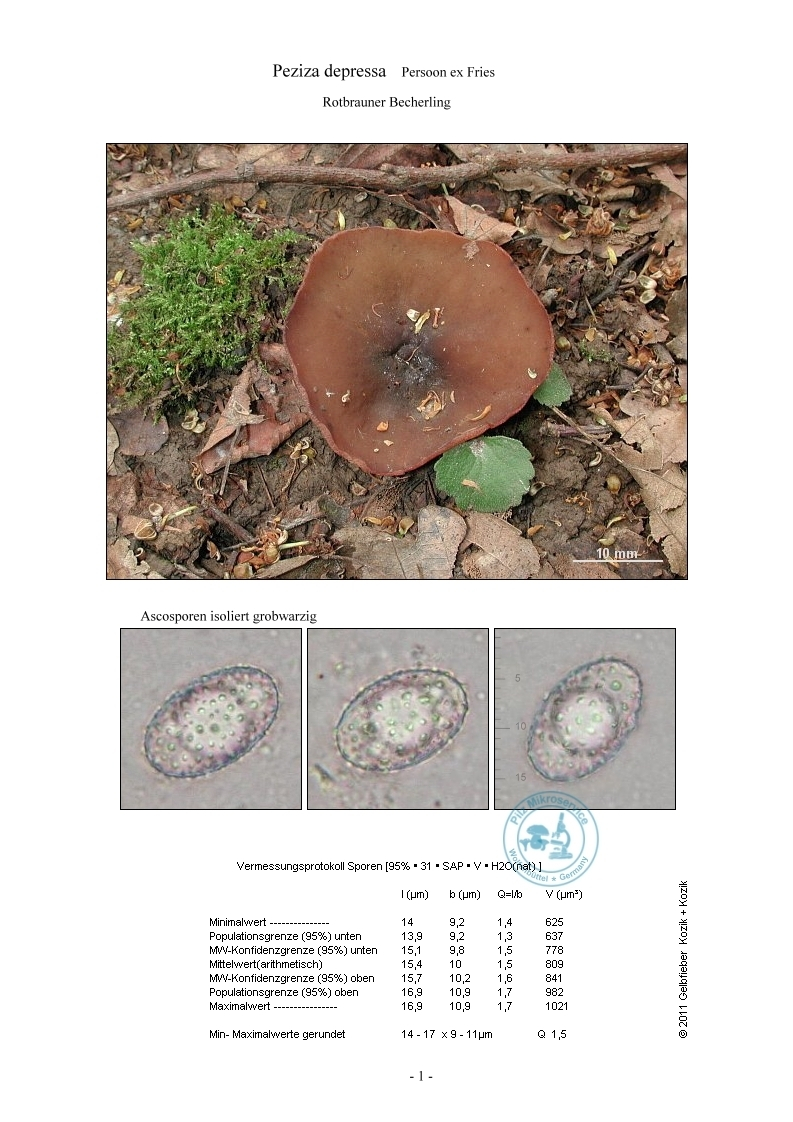 158-de-002-0001.jpg
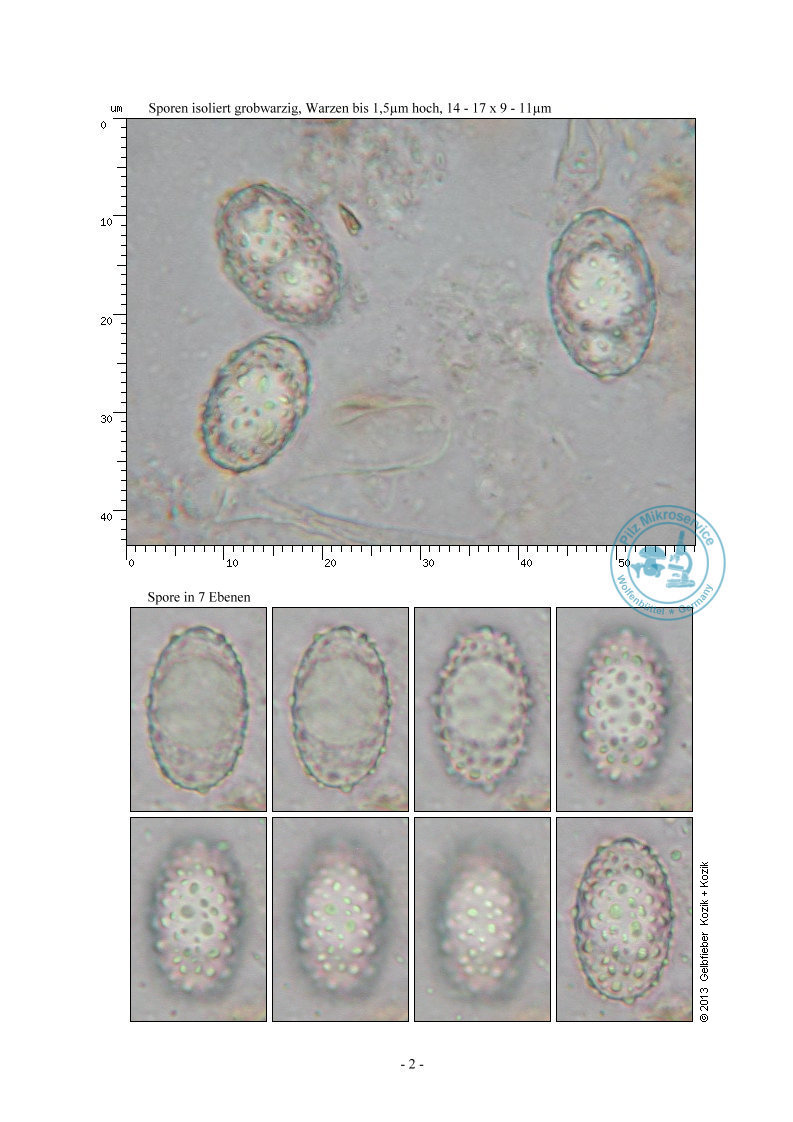 158-de-003-0001.jpg
Hola a todos.
Gracias por sus respuestas.
Ursula, preciosas imágenes de esporas.
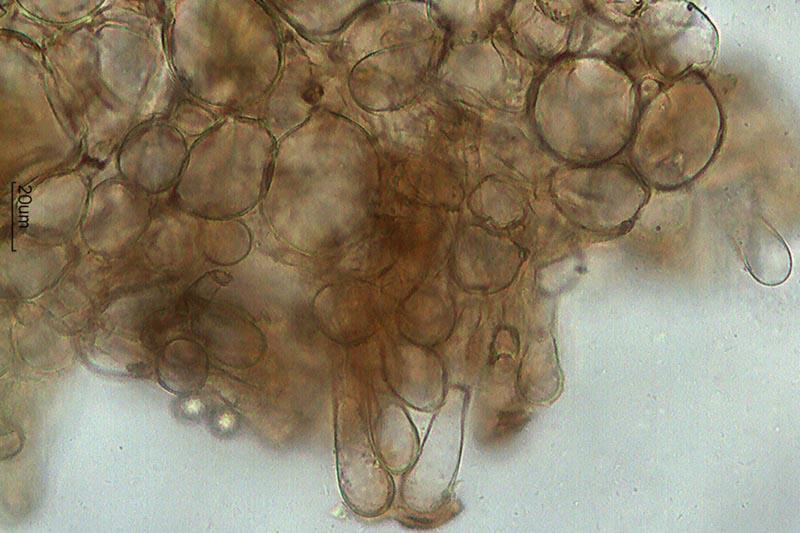
Nicolas, subo unas imágenes de excípulo ectal y de excípulo medular. Respecto del látex, es escaso y acuoso.
Gracias Gilbert por su comentario.
Saludos
Rubén
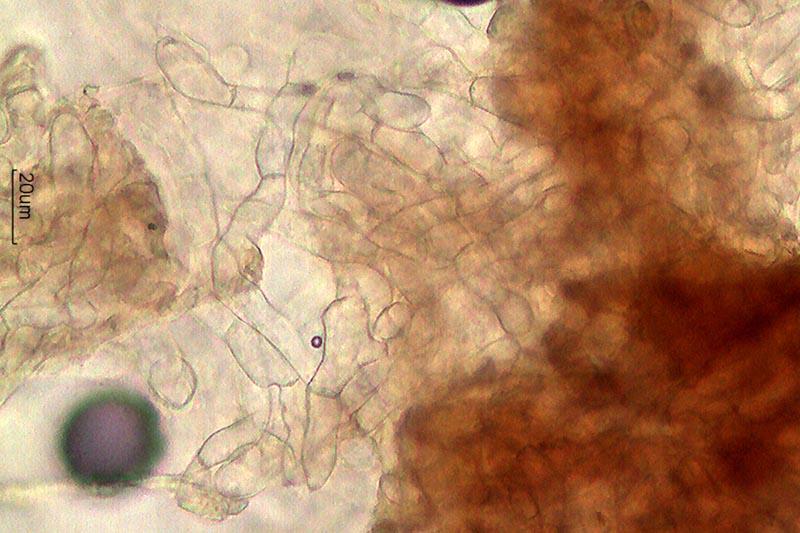
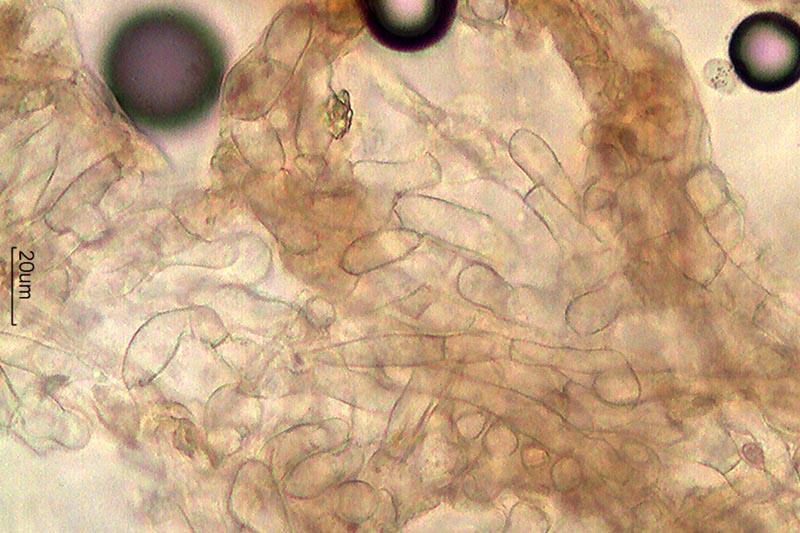
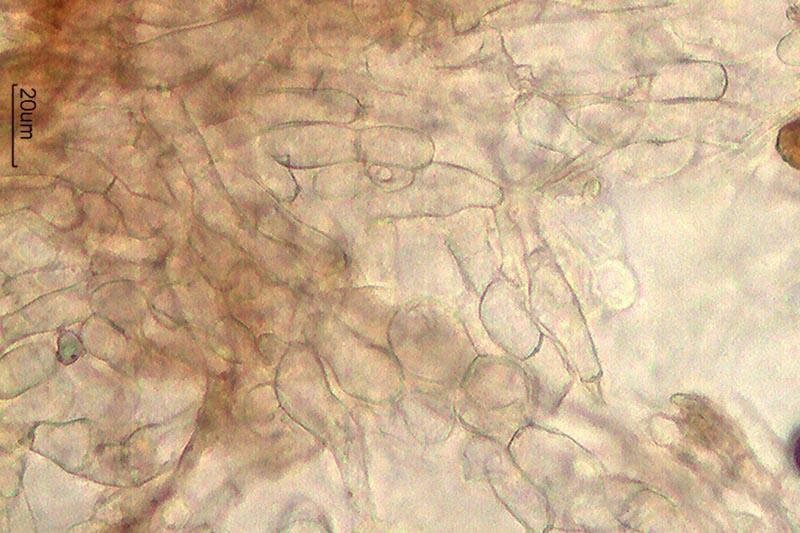
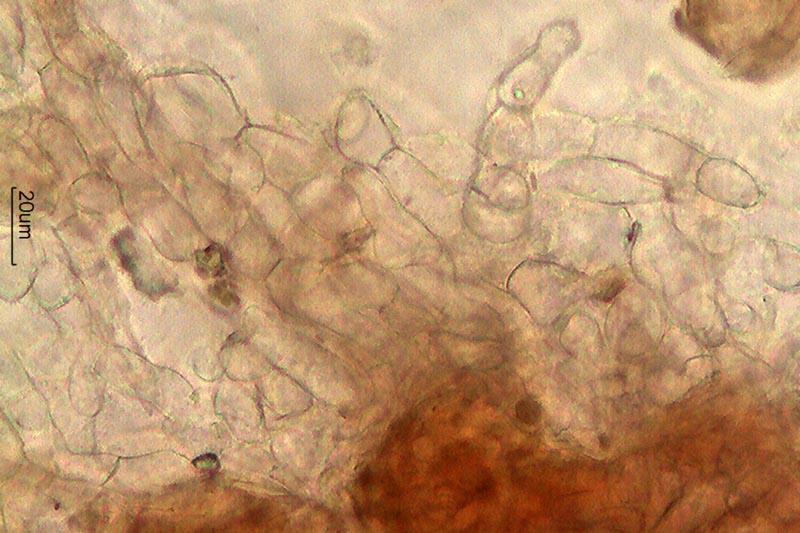
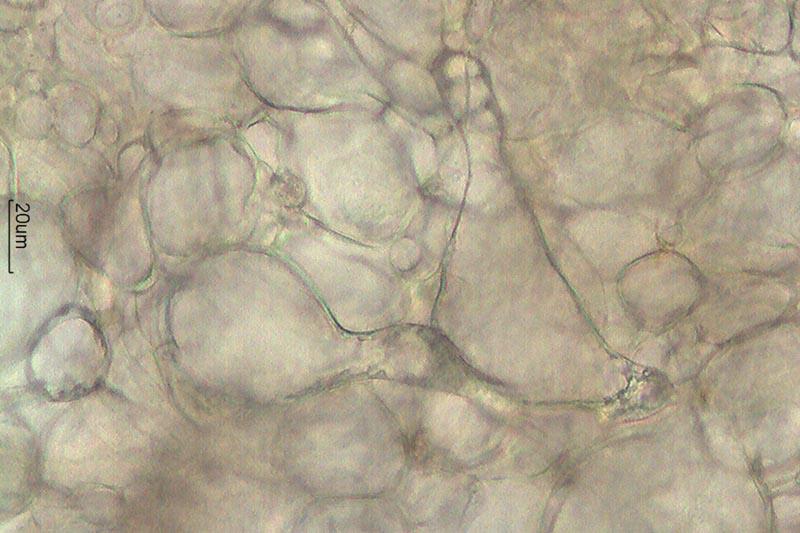
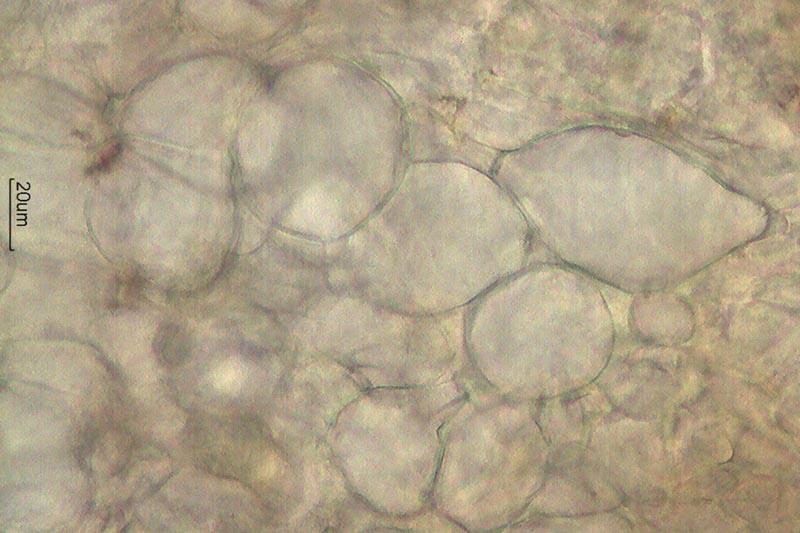
Hola a todos.
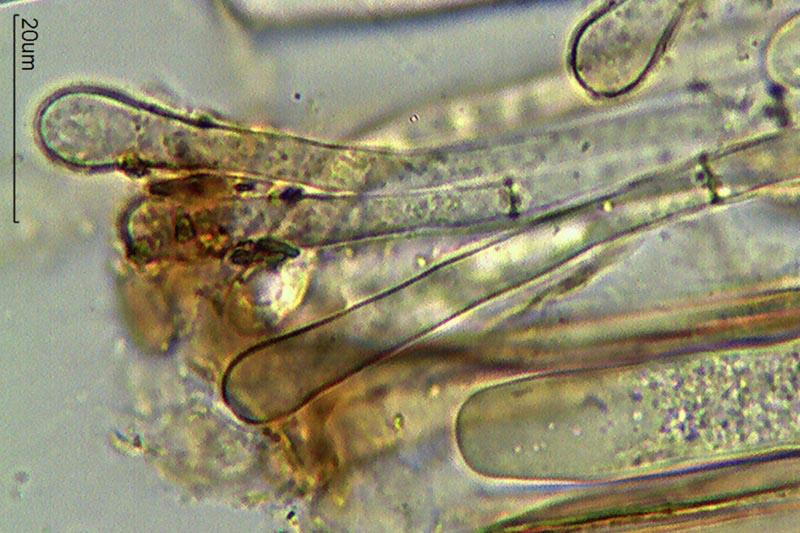
Acabo de hacer unas nuevas fotos de esporas y de paráfisis.
Las paráfisis tienen contenido interno de color marrón.
Saludos
Rubén

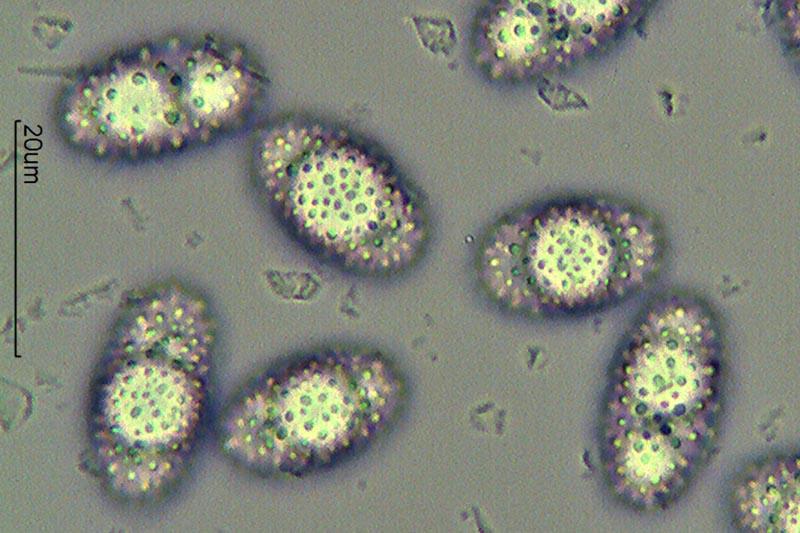
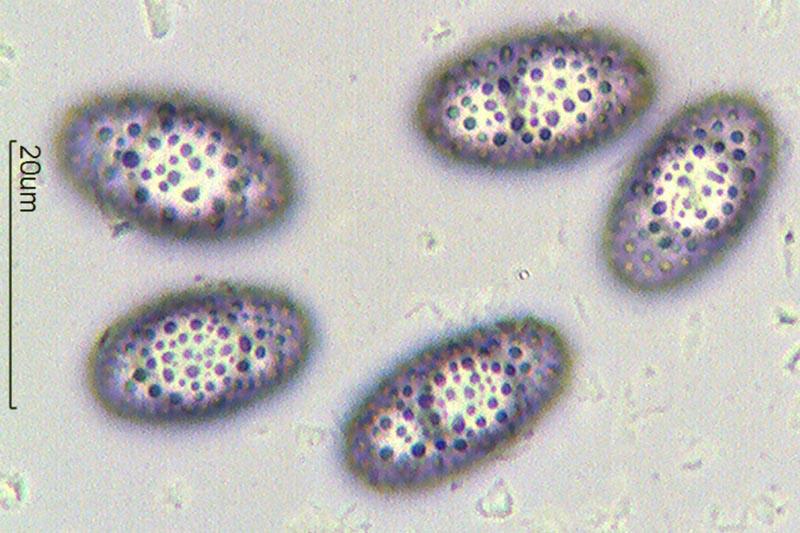
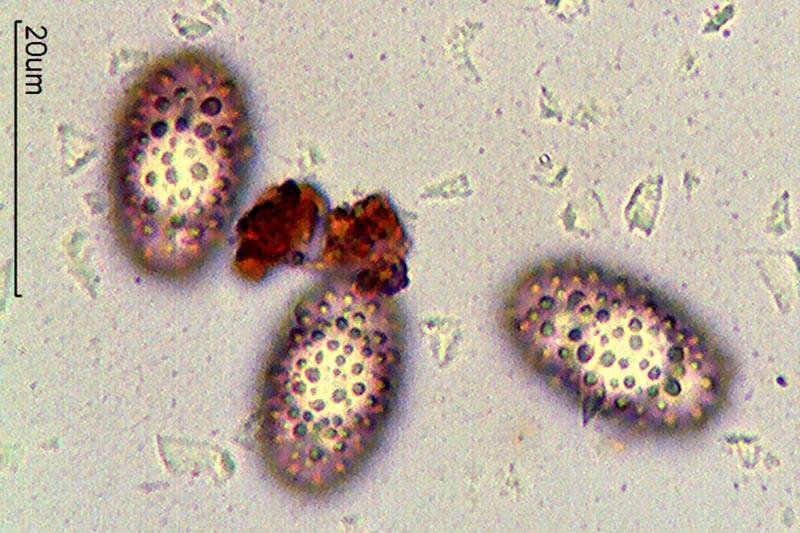
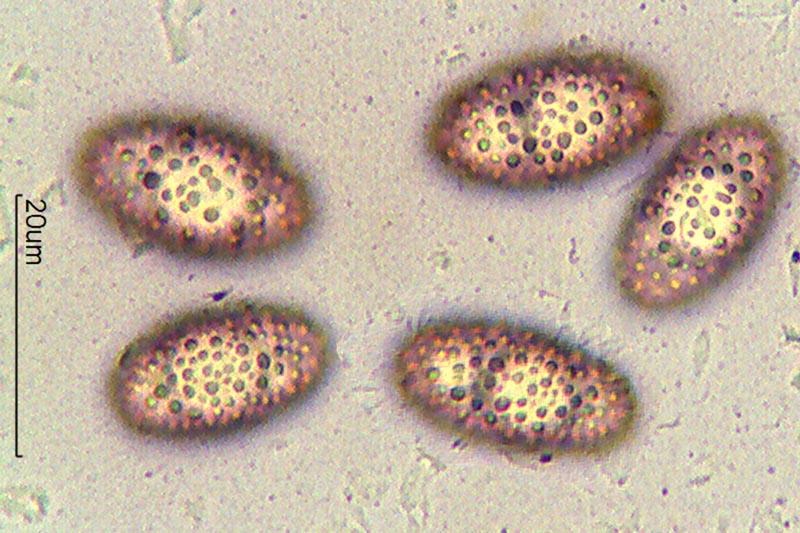
The greenish tinges on the hymenium and that kind of spores are rather typical of Peziza saccardoana.
Regards
Mario
Hola a todos.
Hola Mario, hola Nicolas.
Subo unas fotos de lo que tengo determinado como P. saccardoana. La ornamentación esporal es muy diferente, también el excípulo ectal lo veo diferente.
No se, igual estoy equivocado, vosotros me diréis.
Saludos
Rubén
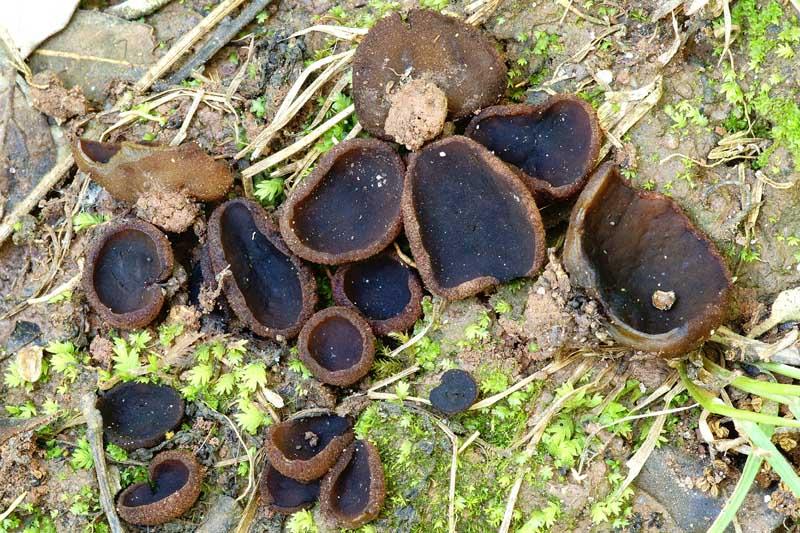
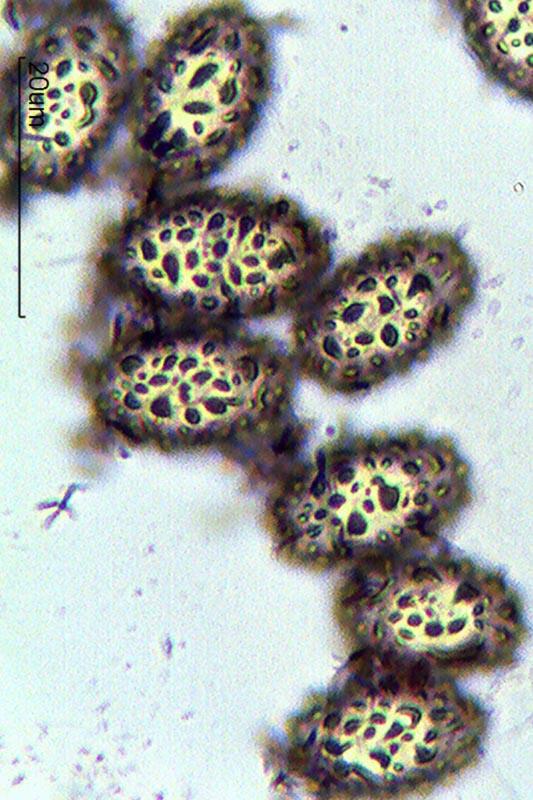
The last one has an hymenium that is so dark...! On my monitor I can't decide if there is a violet tinge or only some blue reflections from the skylight...
However it seems to be a species with yellowish milk. The flesh is stained yellow in the two sectioned ascomata and also on the outside of the upper central one.
Look around Peziza michelii (with violet) or Peziza succosella - P. infuscata (without violet). In mediterranean areas these species looks darker than in colder places.
Peziza saccardoana is not so dark, more brownish-orange or brick coloured, sometimes with some green on the hymenium, the outside has coarse furfuration at least near the margin. And the whole ascoma is rather robust, thick, harder.
Regards
Mario
Gracias por sus respuestas.
Saludos
Rubén