
28-04-2026 20:07
 Lothar Krieglsteiner
... on twig in the air at standing Ceratonia siliq
12-05-2026 15:41
 Nicolas VAN VOOREN
Dear Ascolovers, especially interested in Pezizale
27-04-2026 20:52
Lothar Krieglsteiner
Found on hanging tiwg of Olea europaea in dried-ou
11-05-2026 20:22
Lothar Krieglsteiner
on attached twig of standing Ficus caricaquite uns
11-05-2026 12:32
 Bernard CLESSE
Pourriez-vous m'aider à identifier cette héloti
29-04-2026 10:44
Lothar Krieglsteiner
growing at moist, drying-out soil at the side of a
05-04-2026 22:46
Lothar Krieglsteiner
on wood of Ceratonia, Algarve, 3.4.2026.The color
10-05-2026 16:18
brigitte vignotbonjour trouvée en Ariège sur bois une petite
 Hi everybody,
I need your help again.
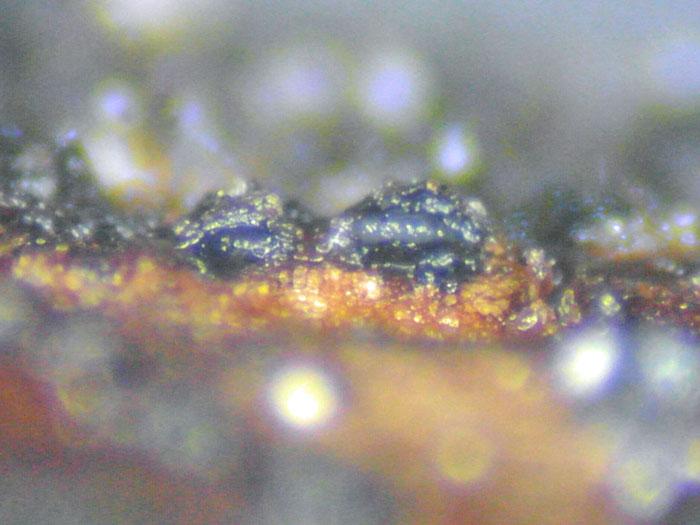
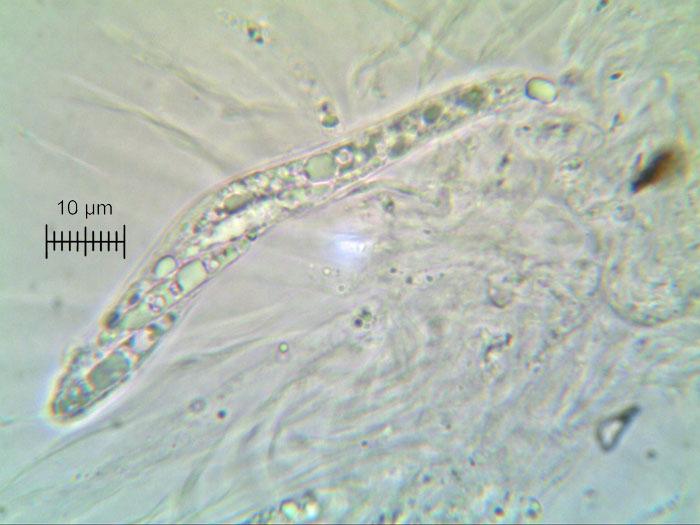
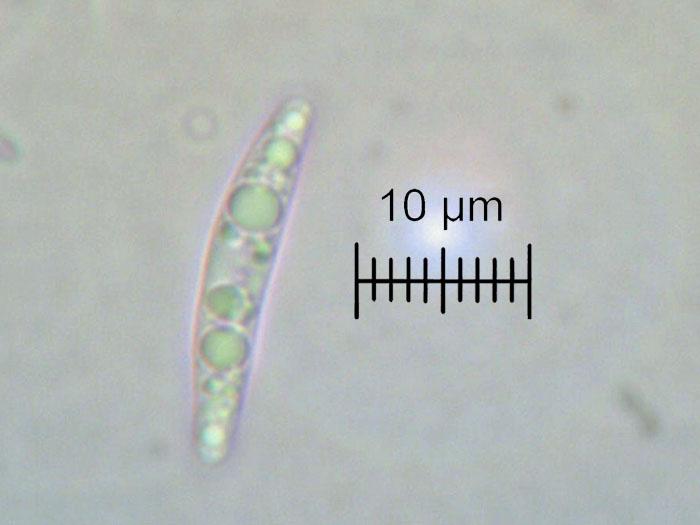
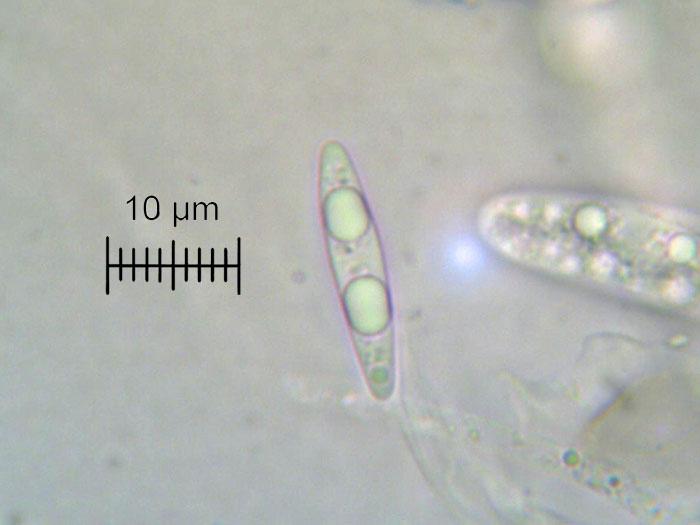
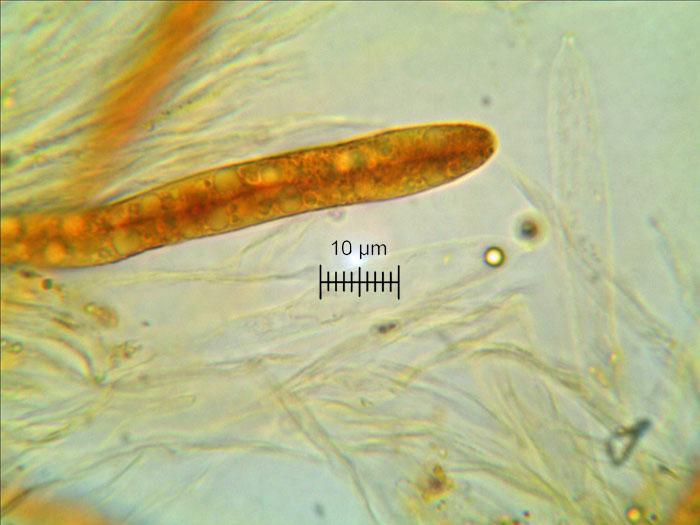
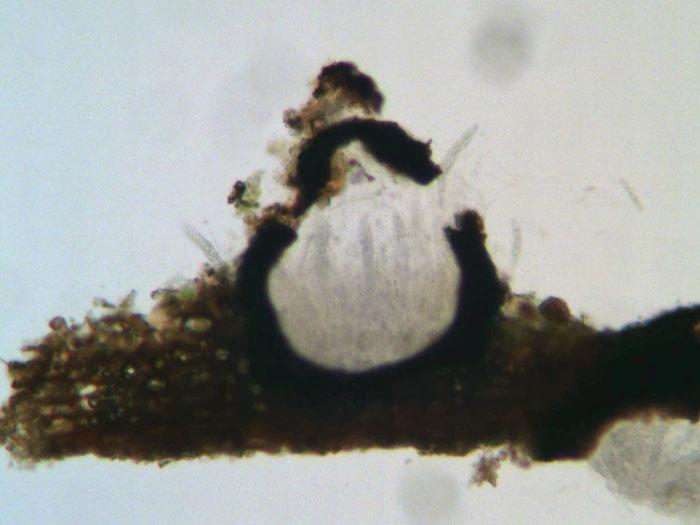
I continue to find this species on decidious wood and old, thick rubus stems. It is very small with a size of 0,2 mm, becoming superficial, gregarious. Spores hyaline without septa, but I'm not sure if they become 3-septate with age, (19-23) 21,33 x 4,25 (4-5) µm. Asci 85-101x6-8 µm, IKl negative, biseriat with croziers.
Thanks
Maren
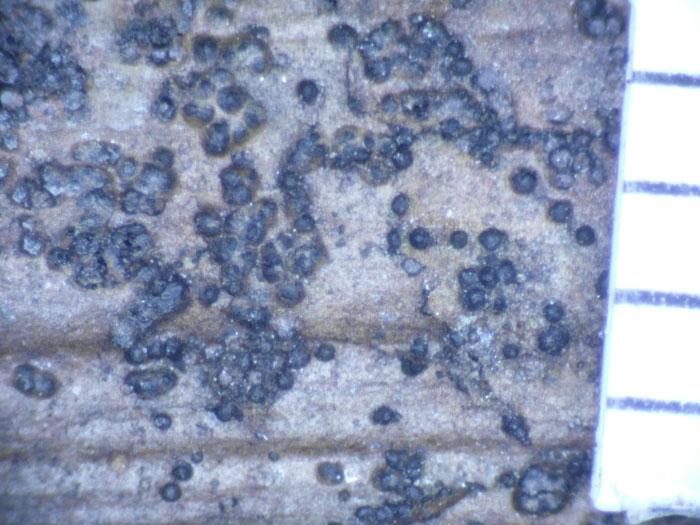
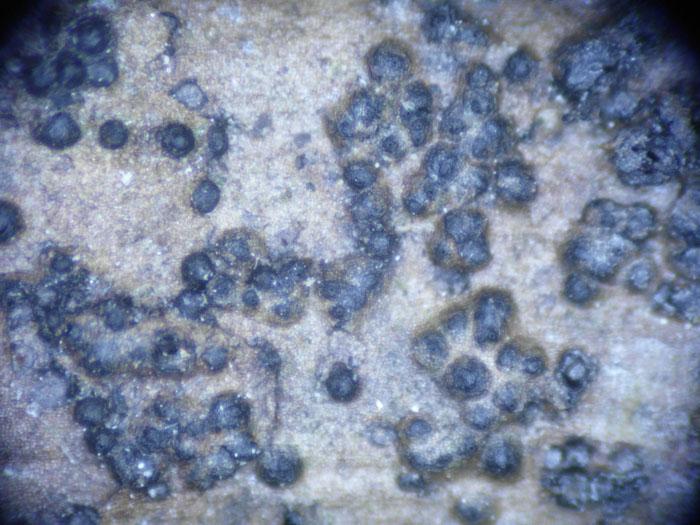

Hi Maren
I feel your fungus is close to Paradidymella clarkii
maybe a Chaetosphaeria?
Best wishes,
Gernot

Gernot is right, this is maybe Chaetosphaeria. Compare it with C. cupulifera, which I have already found on different hosts, like Clematis.
Do the spores have a septation when getting older?
regards,
björn
Meanwhile the spores became 1-septate. I'll be watching the development. C. cupulifera fits the description of Ellis quite well. The conidial stage I can not comment. In addition to the key in Ellis I have only found the key of Réblova. Is there anything else?
Regards,
Maren
I do not have anything else except the erection of the family Chaetosphaeriaceae a year before Réblovà has written her paper about the genus Chaetosphaeria. There is just a key to Chaetosphaeriaceae genera with some comments.
regards,
björn