
30-05-2026 21:12
Philippe PELLICIERSur branche de mélèze (Larix) près de la neige,
25-05-2026 16:35
 Bernard CLESSE
Bonjour à toutes et tous,J'ai trouvé récemment,
29-05-2026 15:35
daniel FERREBonjour à tous,Je voudrais votre aide pour cette
28-05-2026 16:15
James MitchellHello,Does anyone have the original publication of
28-05-2026 11:06
Thomas Læssøehttps://svampe.databasen.org/observations/10596750
23-05-2026 11:44
 Charles Grapinet
Hello, I am having trouble identifying this copro
25-05-2026 16:44
François BartholomeeusenHi forum members,During an excursion organised by
26-05-2026 21:25
Dirk GerstnerHello everyone, I'm completely stumped by this li
26-05-2026 22:44
Ethan CrensonHi all, I think I have Incrucipulum capitatum her
22-05-2026 14:44
 Lothar Krieglsteiner
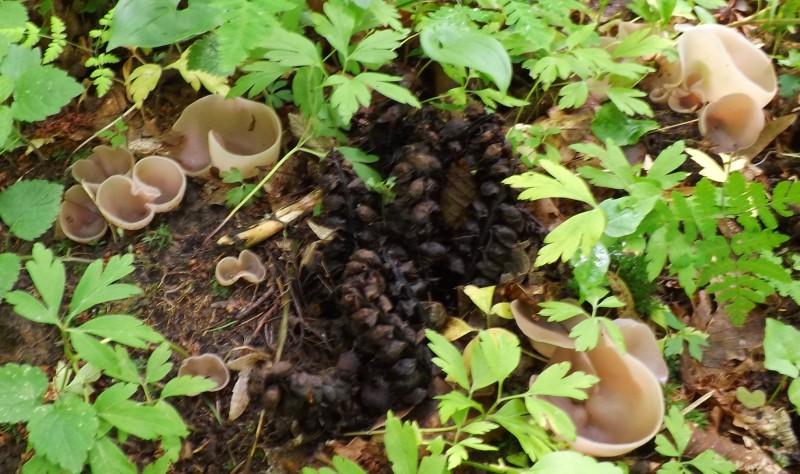
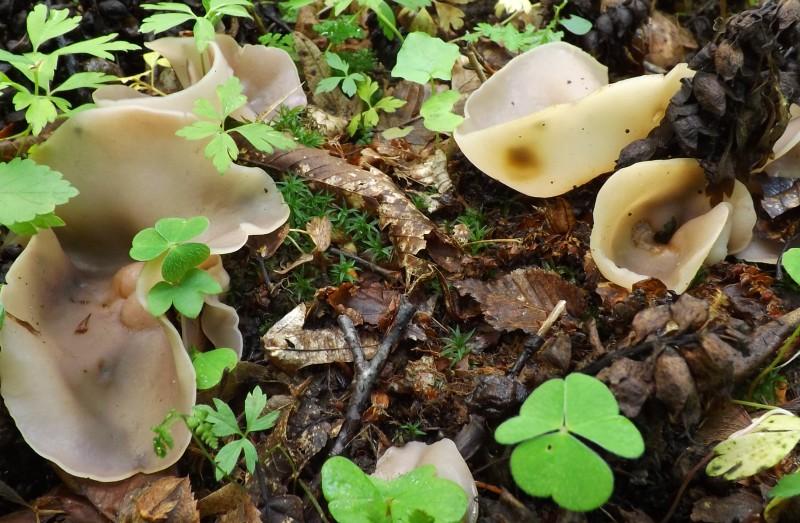
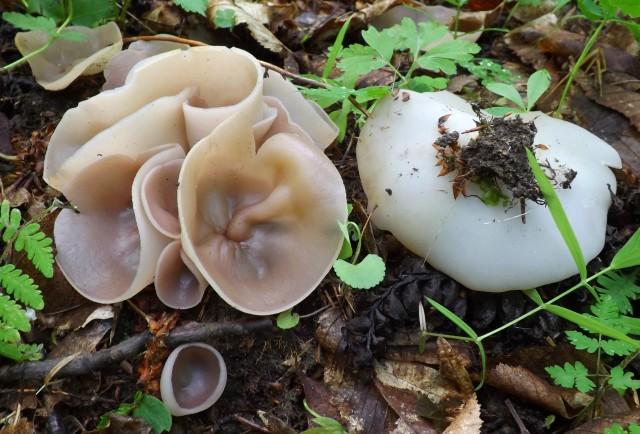
in unripe condition citrine yellow, then soon fadi
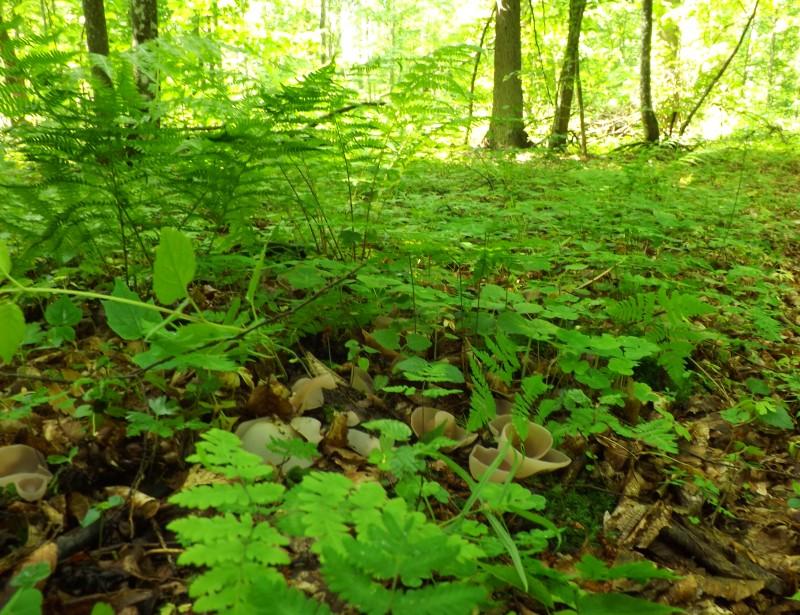
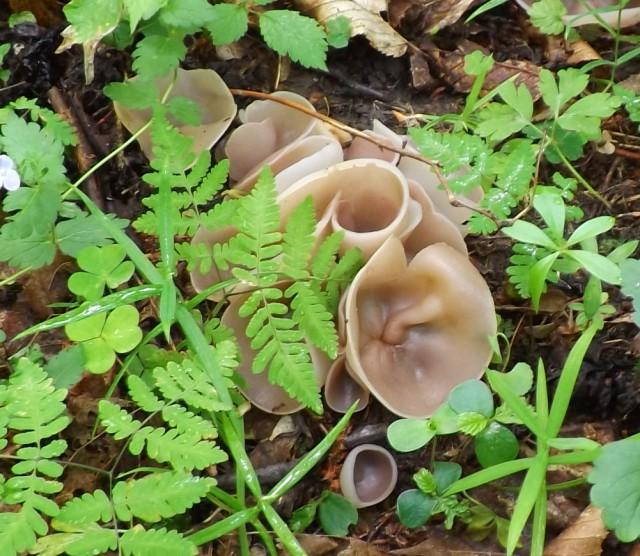
For several years I have met this species growing in me only in one place. It is an old deciduous forest with a small admixture of conifers. Quercus, Caprinus, Acer are found nearby.
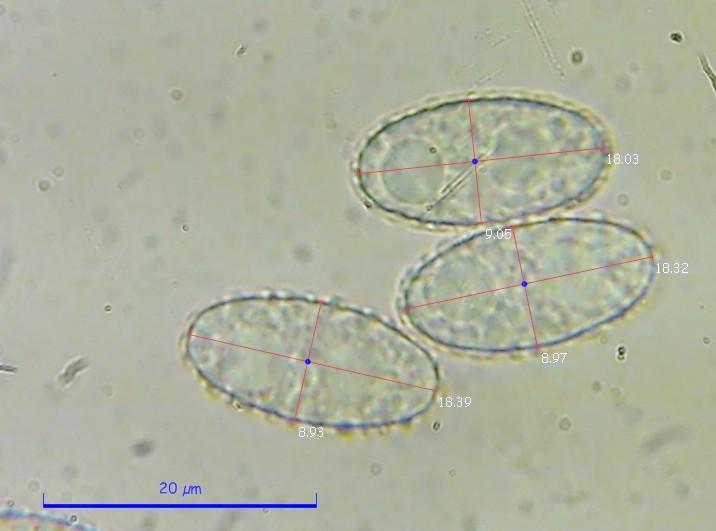
This species has already been repeatedly presented in various forums, but no name was found anywhere. Usually referred to as P. cf. howsei and I also describe it in this way, although it does not completely match the modern concept of this species described in "Morphological and molecular study of Peziza emileia
and P. howsei, two distinct taxa "- G. Merardi (2014).
Hohmeyer's key leads to this species and gives no other choice, although the size of the sporocarps and spores does not match it :(
In extreme cases, my sporocarps reach almost 10 cm in diameter. Here I present photos from the current year.
More photos and information about it can be found on my website; https://grzyby-pk.pl/gat-p/peziza-howsei.php
There is also a collection from another place, about 20 km away from it (presented on my page at the bottom of the page). The spores of this second collection, however, are definitely longer and a large part of them have a more dense ornamentation at the spore poles. Both collections do not have a layer composed of an intricata texture under the subhymenium.
Any suggestions are welcome.
If anyone were interested, of course, I have fruit bodies (dried, even from this year).
I first met her in the same place in 2014. She was almost completely white. As I noticed, its color depends on the age of the fruiting bodies and atmospheric conditions prevailing in a given year. I presented them at the Bio-Forum:
https://www.bio-forum.pl/messages/33/677649.html
best regards
Mirek
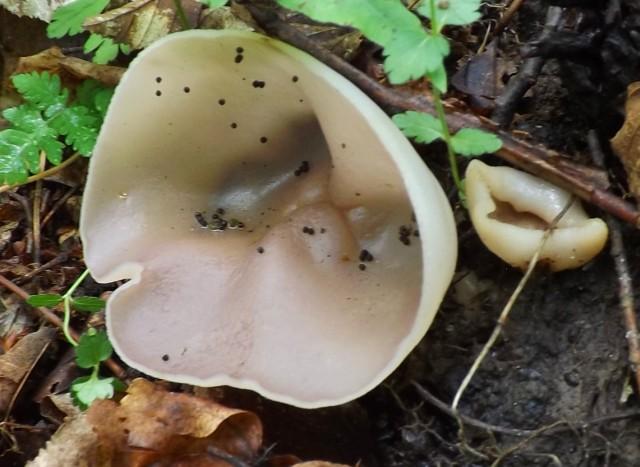
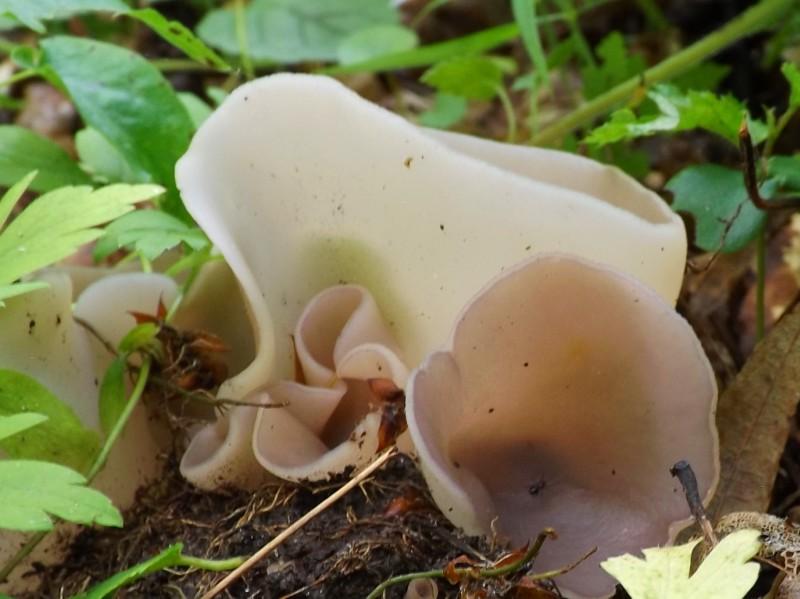
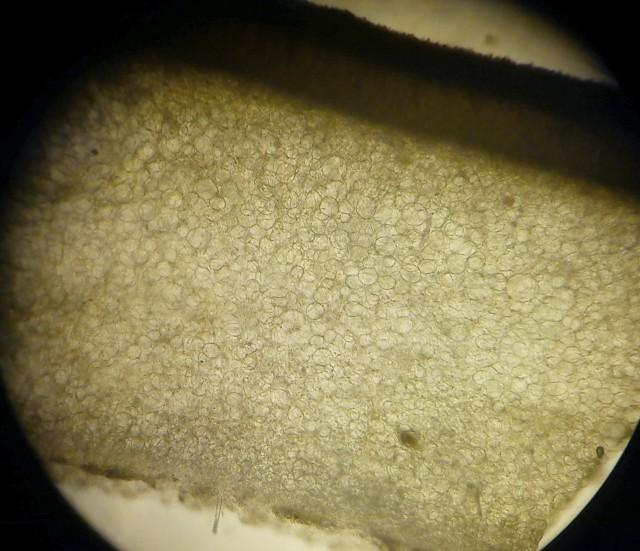
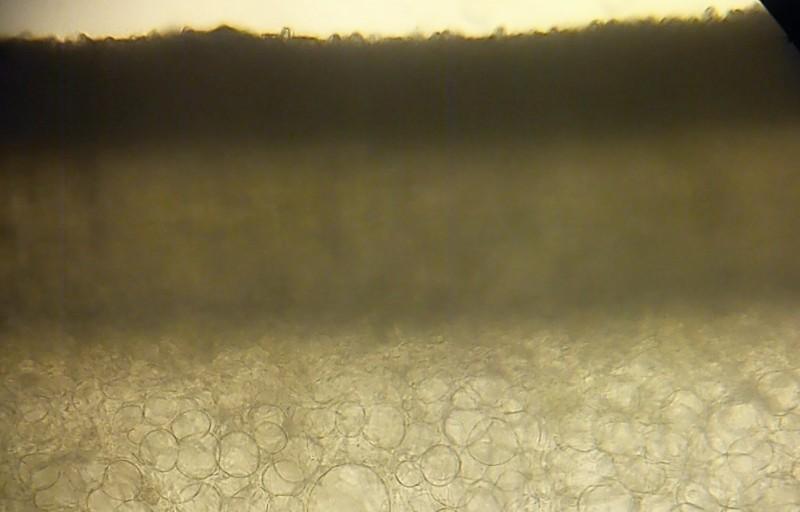
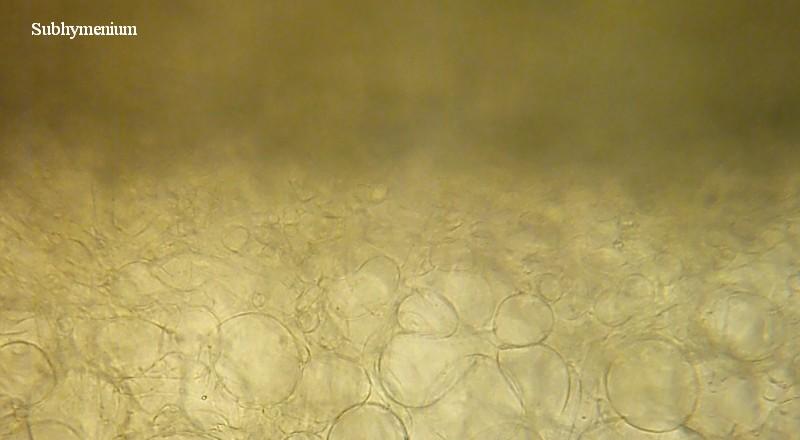
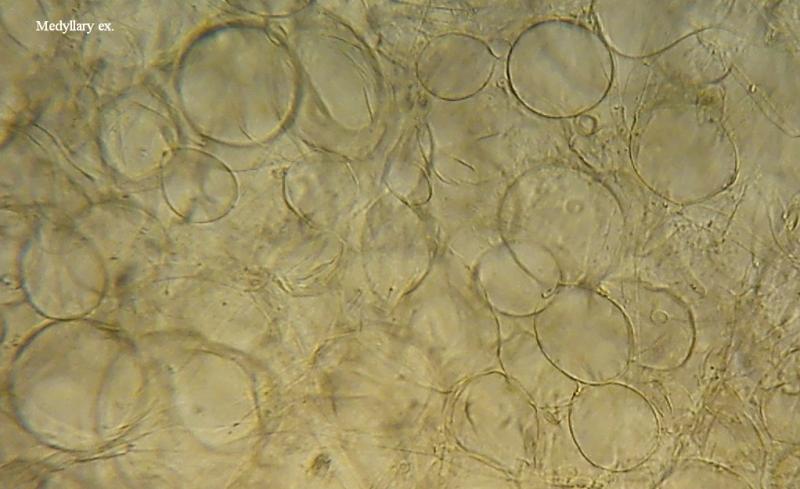
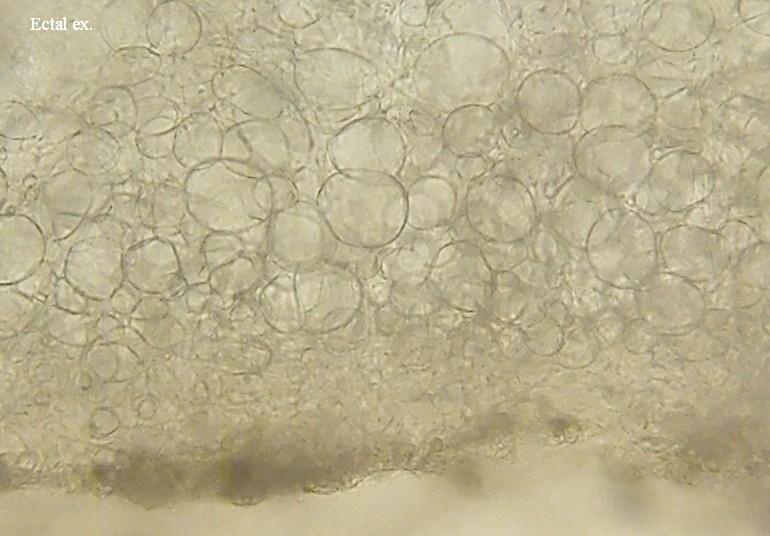
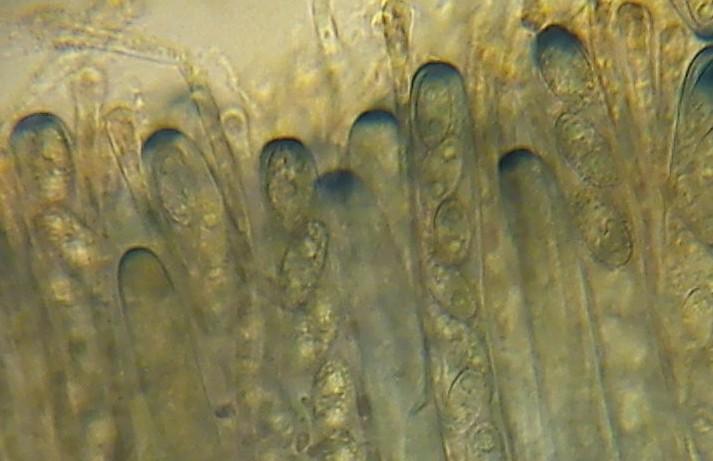
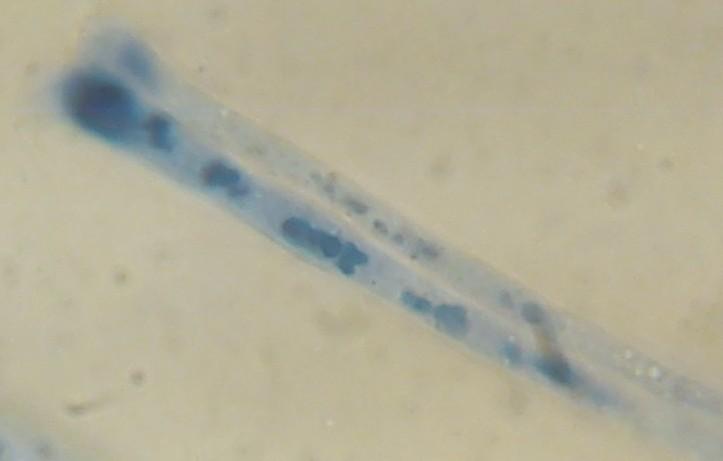
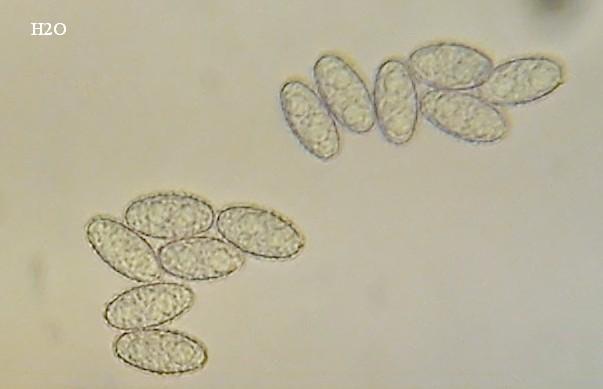
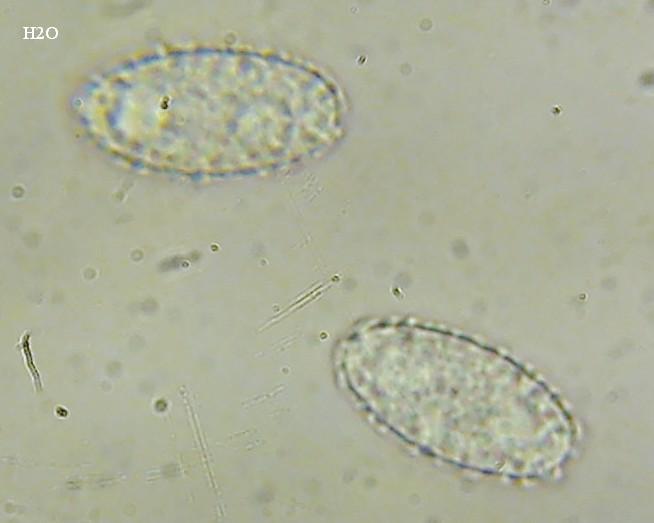
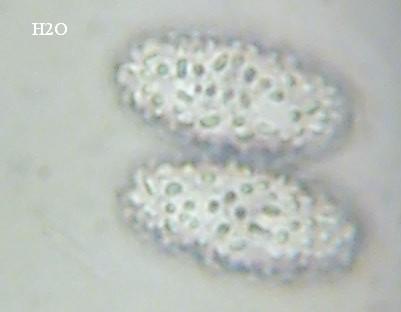
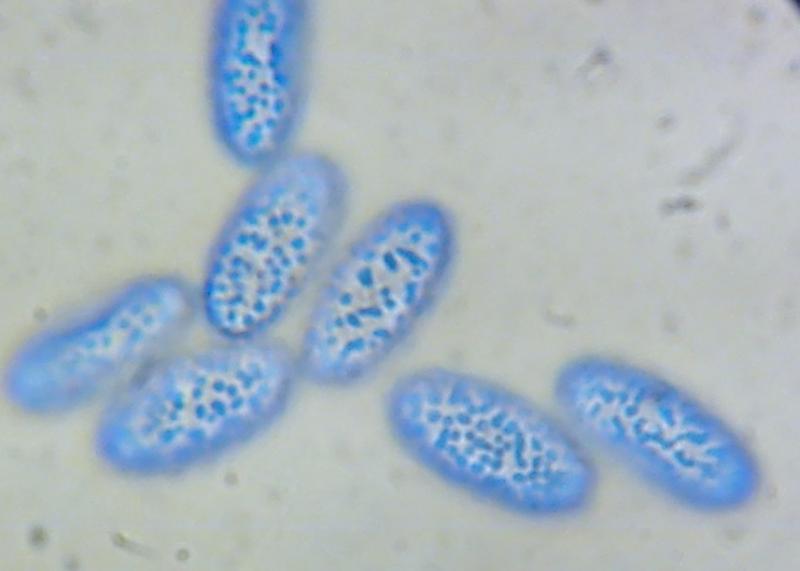
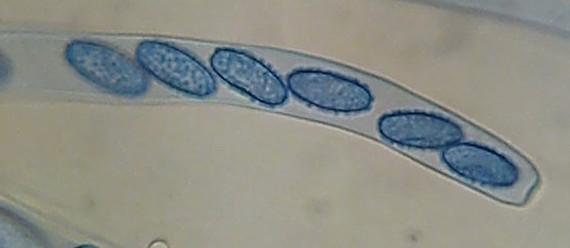
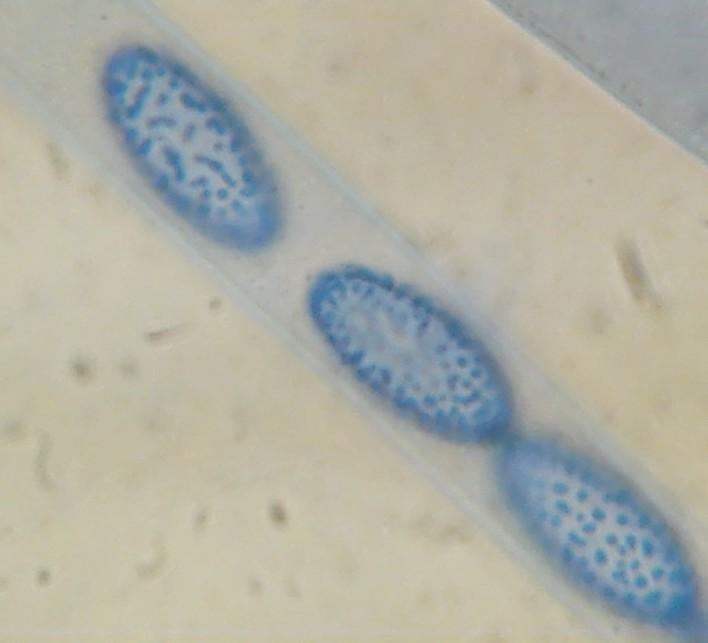
- H2O
- no ornament
- print spores

Do you think possible to send a part of this collection to me?
Thanks.
I think that this is a very good idea :)
If I can decide, I would send you this year's fruiting bodies, i.e. the ones that I showed in the pictures. These are very nicely ripe. Found last year, although they look old, they are immature. The sun and high temperatures prevented them from ripening well.
For comparison, I will also send a sample of fruiting bodies from another place (collection from 2019.06.09). May I find them. It is possible that I sent them to Poznan. I have a friend there who runs a professional fungorum, thanks to which the collections are safe. Of course, also my collections forwarded to Poznan are available at any time :)
Address please.
Mirek