

06-04-2026 21:36
 Viktorie Halasu
Hello, could anyone please send me the article wi
06-04-2026 19:40
 David Gibbs
Help with this one much appreciated, on rotting Fa
06-04-2026 11:07
Louis DENYBonjour forum, Trouvé sur bois de feuillu très d
06-04-2026 16:24
Juuso ÄikäsLast Tuesday I found some tiny white Helotiales gr
05-04-2026 20:40
 Robin Isaksson
Hi!Found i Japan on bark of Abies sp. Spores 35-4
06-04-2026 08:15
 Lothar Krieglsteiner
some days ago, on the lower surface of leaf of Que
Mollisia sp
Sylvie Le Goff,
25-05-2025 13:25
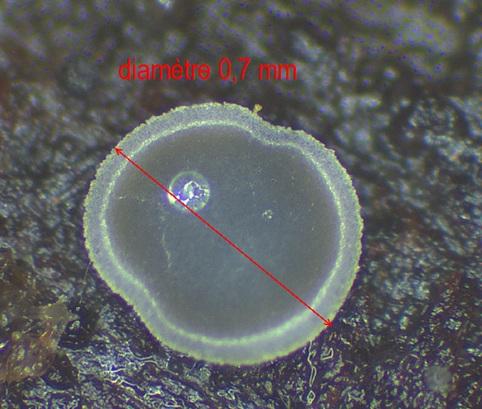
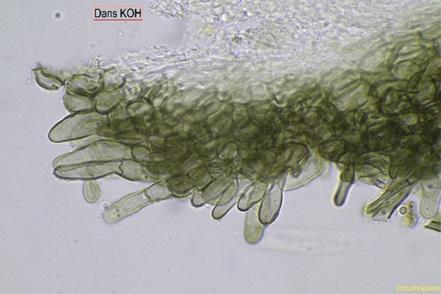
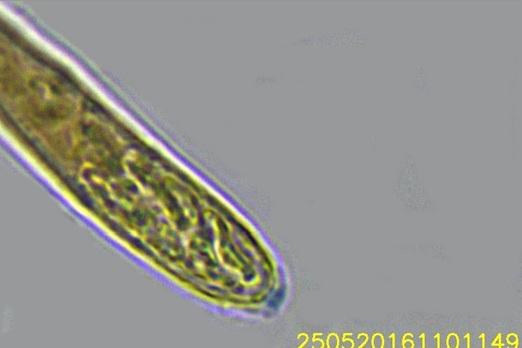
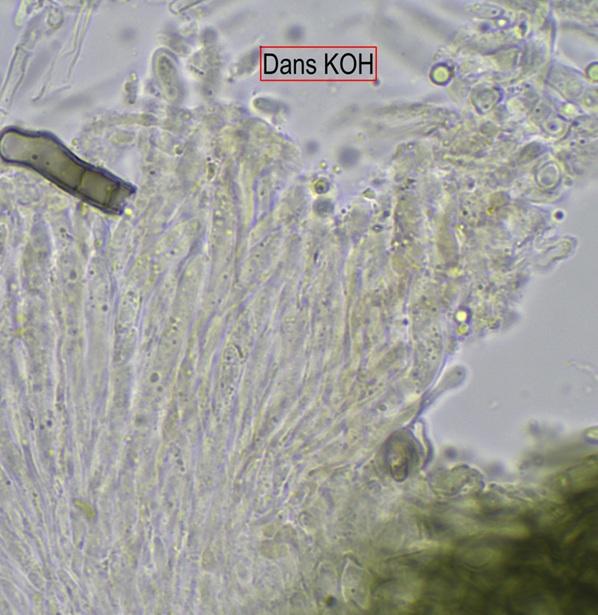
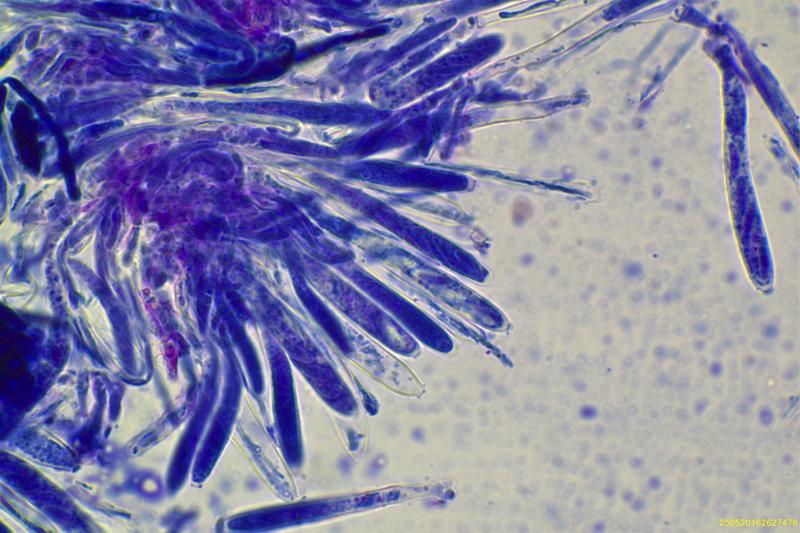
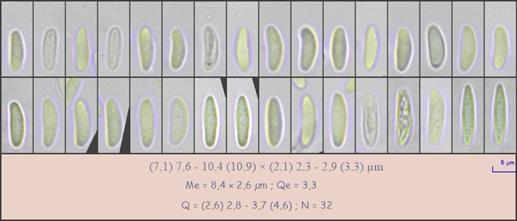
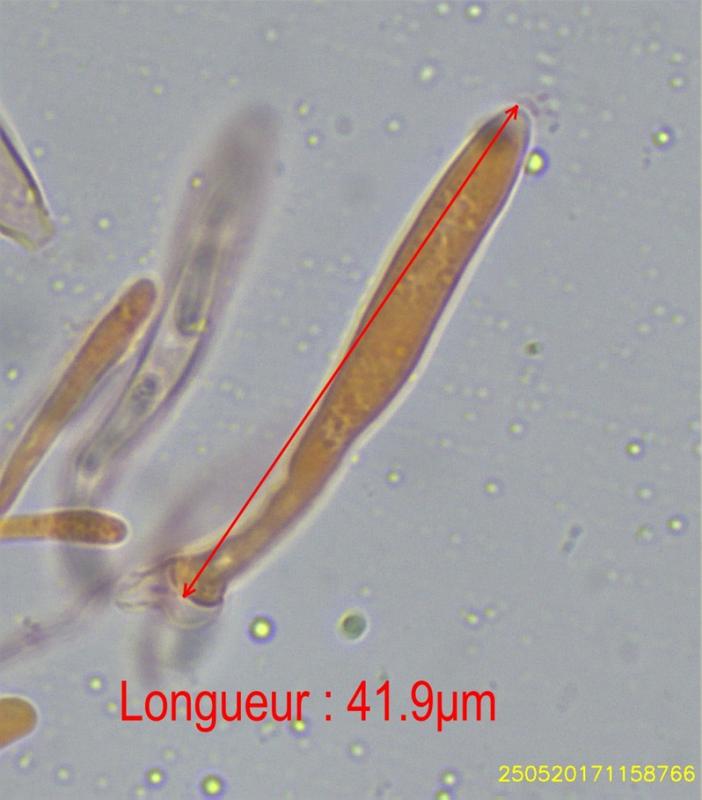
Luc Bailly,
25-05-2025 20:53

Re : Mollisia sp
Bonjour à vous,
Mollisia cinerea est caractérisé par ses spores sans guttules ou quasi sans, des paraphyses réfringentes mais sans réaction jaune au KOH. Généralement, des paraphyses réfringentes jaunissent dans le KOH, mais pas chez M. cinerea. Le KOH est utilisé _sous la loupe bino_ pour voir si l'hyménium jaunit ou pas (attention, réaction parfois très fugace), donc pas en microscopie. Ici il n'y aura pas de jaunissement si c'est M. cinerea. L'excipulum ectal sera observé dans l'eau. Si c'est brun ou brun-gris dans l'eau, tout est normal.
Voilà pour une petite précision.
Amitiés - Luc
Ingo Wagner,
25-05-2025 22:44

Re : Mollisia sp
Hello Sylvie!
All species of the genus Mollisia react with KOH in the ectal excipulum green to olive, this is a characteristic.
The relatively large cells on the outside could be a clue.
Test the KOH reaction as described in the link and compare with Mollisia albogrisea.
https://asco-sonneberg.de/pages/gallery/mollisia-albogrisea-160730-fp301-01-xsmcoljj39658.php?group_id=39658&position=11
Greetings
Ingo
All species of the genus Mollisia react with KOH in the ectal excipulum green to olive, this is a characteristic.
The relatively large cells on the outside could be a clue.
Test the KOH reaction as described in the link and compare with Mollisia albogrisea.
https://asco-sonneberg.de/pages/gallery/mollisia-albogrisea-160730-fp301-01-xsmcoljj39658.php?group_id=39658&position=11
Greetings
Ingo