
28-05-2026 16:15
James MitchellHello,Does anyone have the original publication of
28-05-2026 11:06
Thomas Læssøehttps://svampe.databasen.org/observations/10596750
23-05-2026 11:44
 Charles Grapinet
Hello, I am having trouble identifying this copro
25-05-2026 16:44
François BartholomeeusenHi forum members,During an excursion organised by
26-05-2026 21:25
Dirk GerstnerHello everyone, I'm completely stumped by this li
26-05-2026 22:44
Ethan CrensonHi all, I think I have Incrucipulum capitatum her
22-05-2026 14:44
 Lothar Krieglsteiner
in unripe condition citrine yellow, then soon fadi
25-05-2026 16:35
 Bernard CLESSE
Bonjour à toutes et tous,J'ai trouvé récemment,
22-05-2026 13:29
Gernot FriebesHi,I am curious to hear your opinion on this mater
23-05-2026 18:57
Sylvie Le GoffBonjour à tousRécolté sur une branchette de Sal
 Hello,
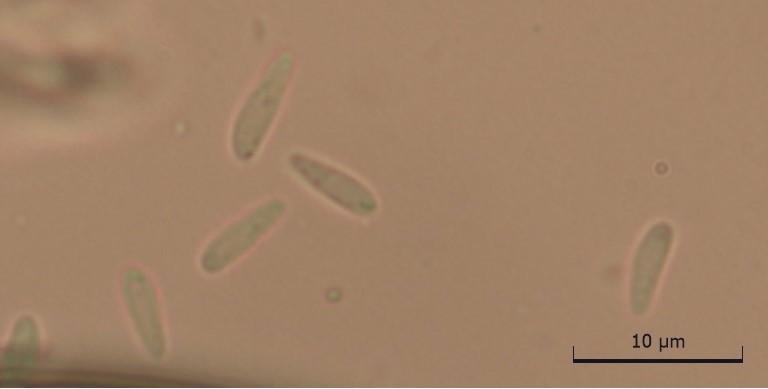
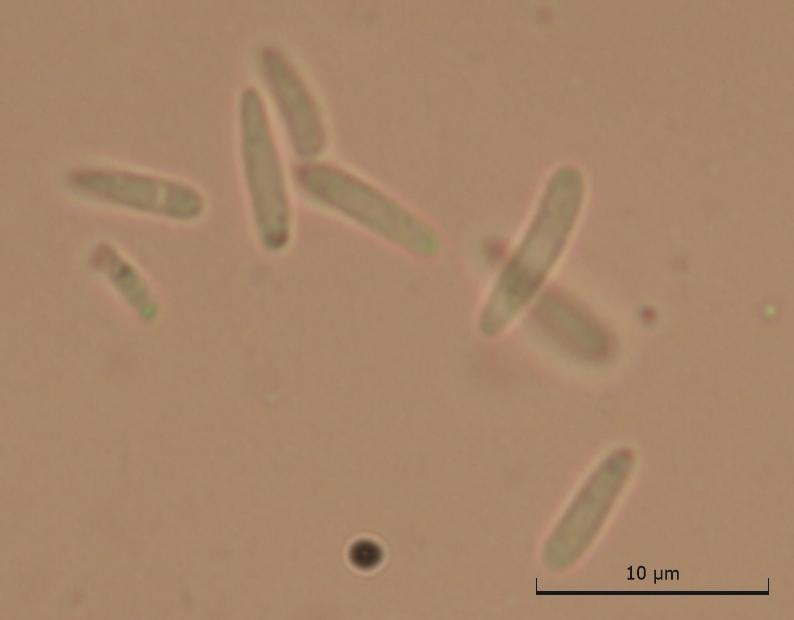
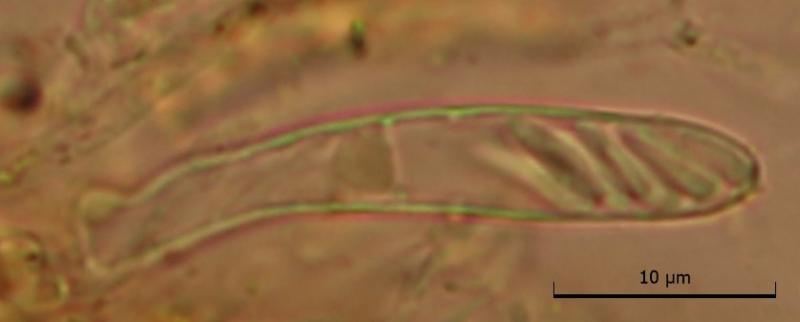
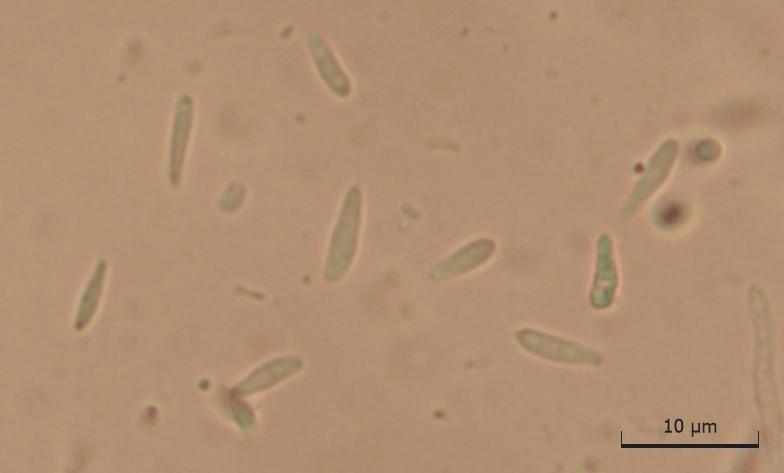
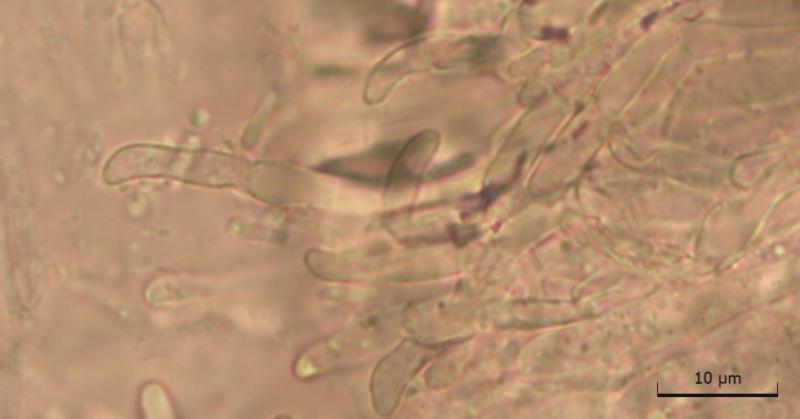
I have identified this fungus as Hamatocanthoscypha conincola, although the ascospores are slightly longer than usually - (5.3)5.4-7.1(8.1) × (1.5)1.6-2 µm, Q = (2.8)3.1-4.5 (4.9), n = 25.
Me = 6.3 × 1.7 µm; Qe = 3.6
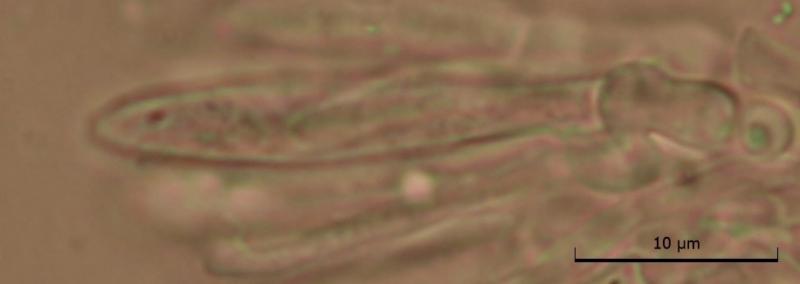
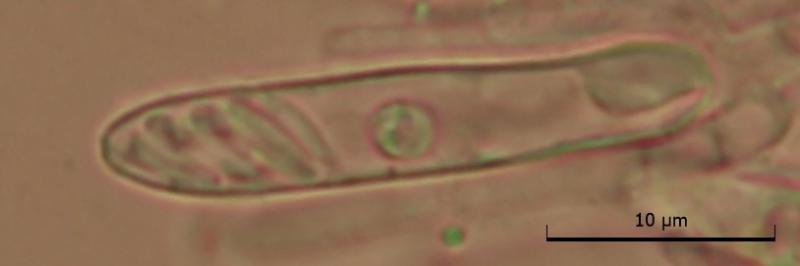
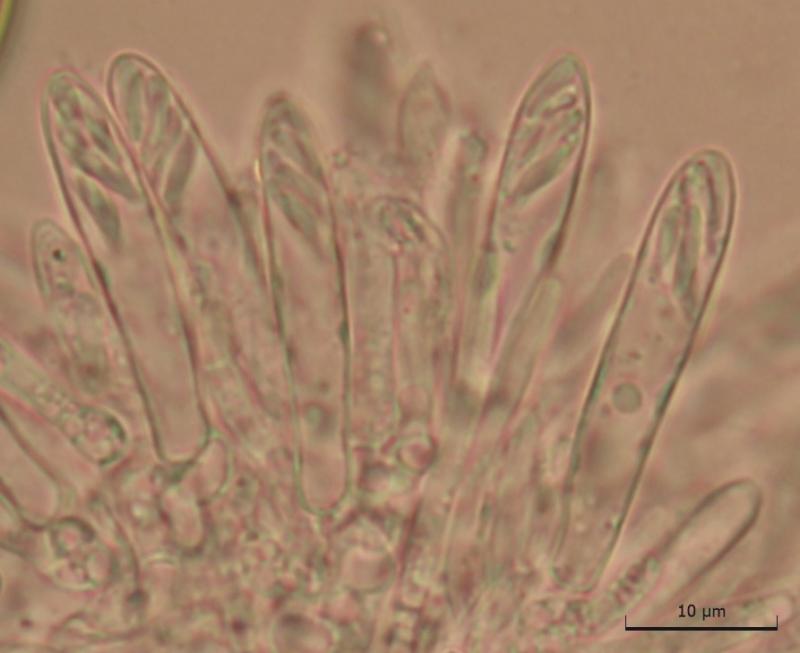
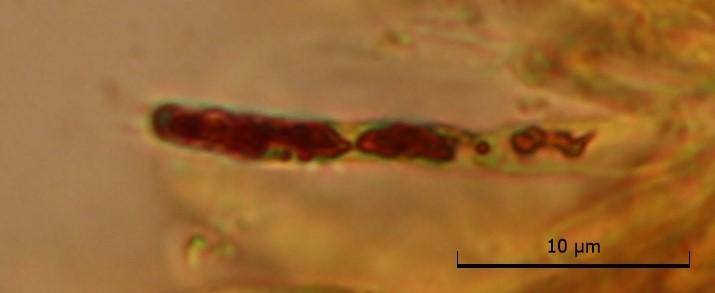
Asci 25.8-31.1 × 4.4-5.1 µm, IKI bb, H+.
Would you agree with the identification?
I can see that Svr?ek gives "porus not amyloid" for the neotype collection. However, collections presented here or in other reliable webs have amyloid pore. Why it is? Did anyone revise the neotype?
Zuzana
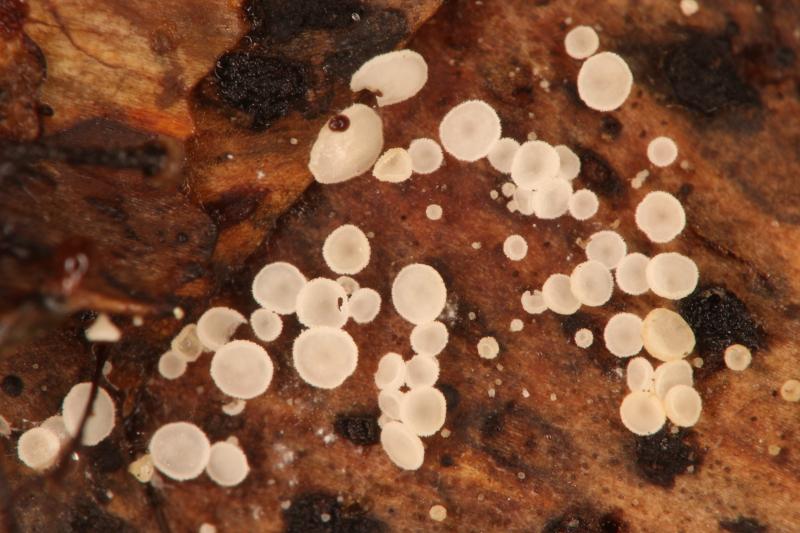

What is the date of the find and what is the substrate?
Greetings
Ingo
substrate is a cone of Picea abies and it was collected two days ago (11th July 2024).
Zuzana
I would believe your determination.
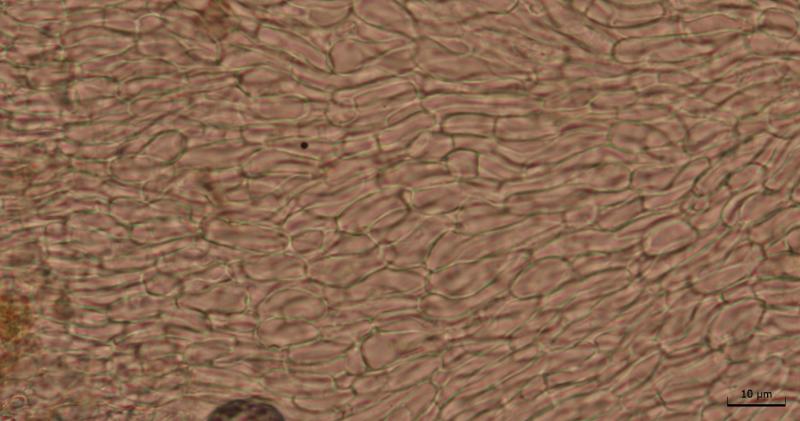
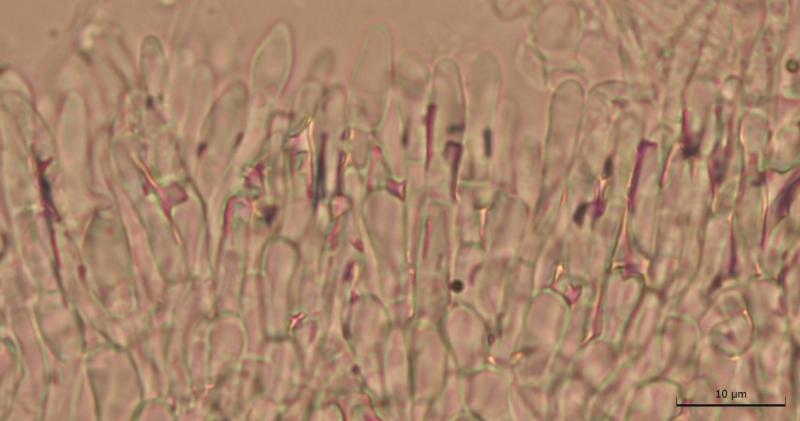
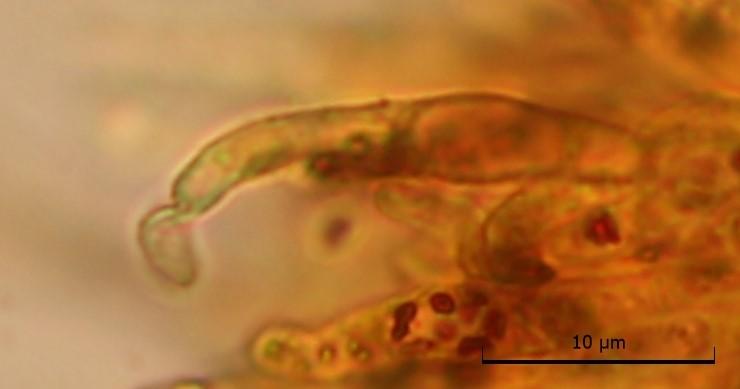
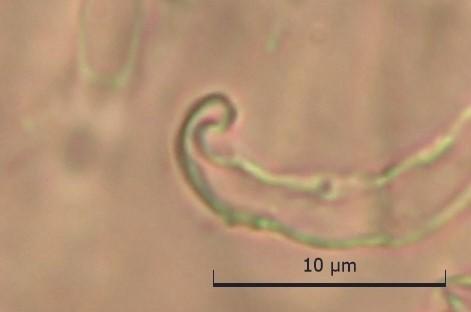
Quite typical for this species are the blunt, curved hairs mainly on the flank, less directly on the margin.
The spores that are too long are probably not freshly shot.
Greetings
Ingo
Do you understand how is it possible that Svrcek describes inamyloid asci, while today we identity as Psilocistella/Hamatocanthoscypha conincola species with amyloid asci (both on Picea and Pinus cones)?
Zuzana
I can't say, in my opinion it is a mistake.
Greetings
Ingo