
10-06-2026 21:16
 François Freléchoux
Bonsoir,Le dernier du jour, en attendant votre avi
11-06-2026 19:01
 William Slosse
Hello all,In an attempt to make a culture of a sus
11-06-2026 19:03
 Nicolas VAN VOOREN
Chers membres d'Ascofrance,Le site sera placé en

09-06-2026 18:32
Camille MertensSur morceau de roseau immergé 0,5 - 0,7 mm de dia
10-06-2026 12:54
Steve ClementsBonjour encore, Pouvez-vous m'aider, s'il vous pl
10-06-2026 21:07
François Freléchoux
Toutes les tiges de gentianes jaunes de l'an passÃ
10-06-2026 13:41
François Freléchoux
Bonjour à nouveau, Voici une trouvaille d'hier.
10-06-2026 11:53
Steve ClementsBonjour, This disco is abundant on dead stems of
Mollisia lividofusca ?
Thierry Blondelle,
11-02-2024 17:40
 Hi
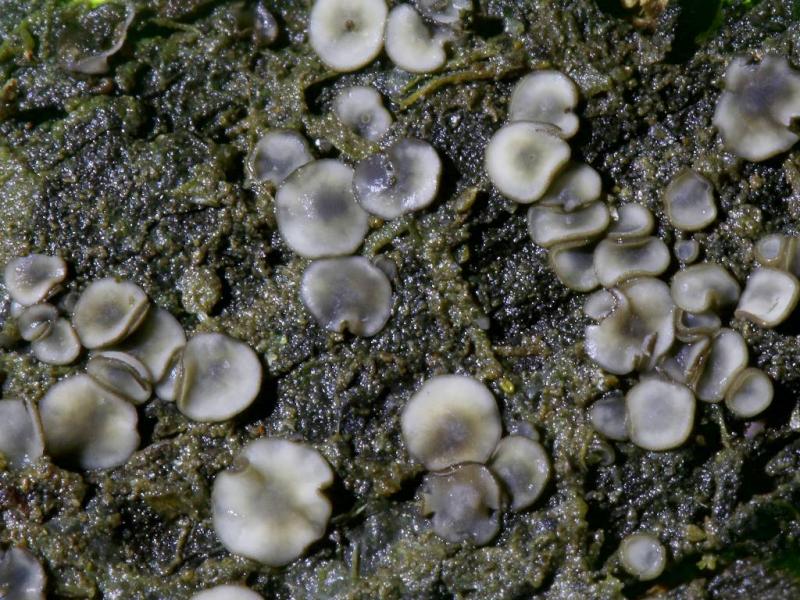
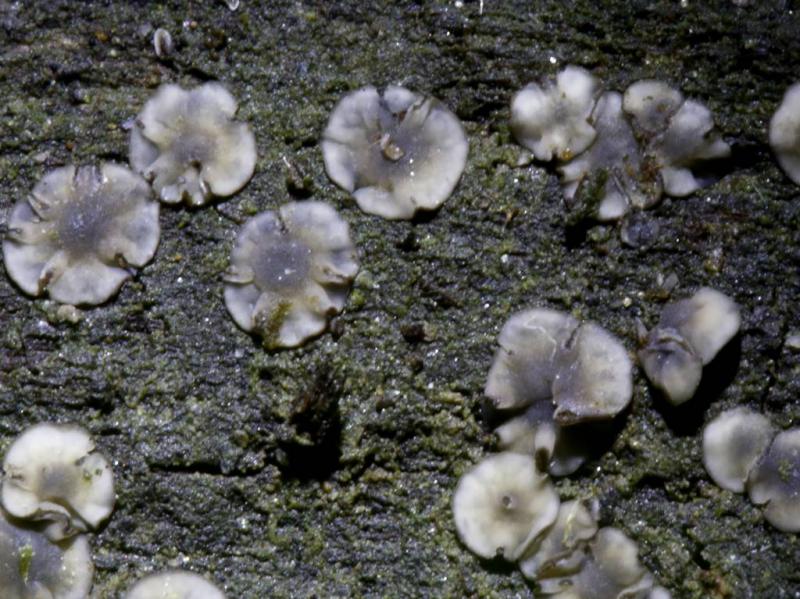
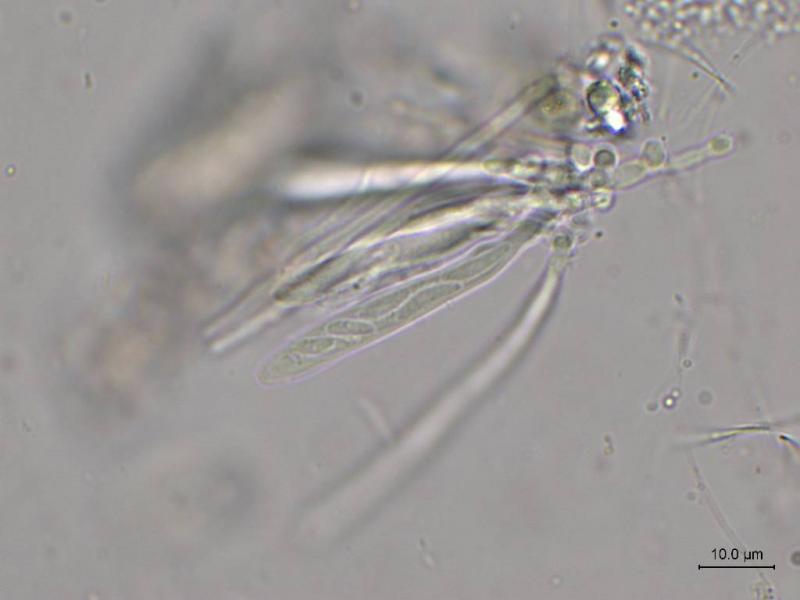
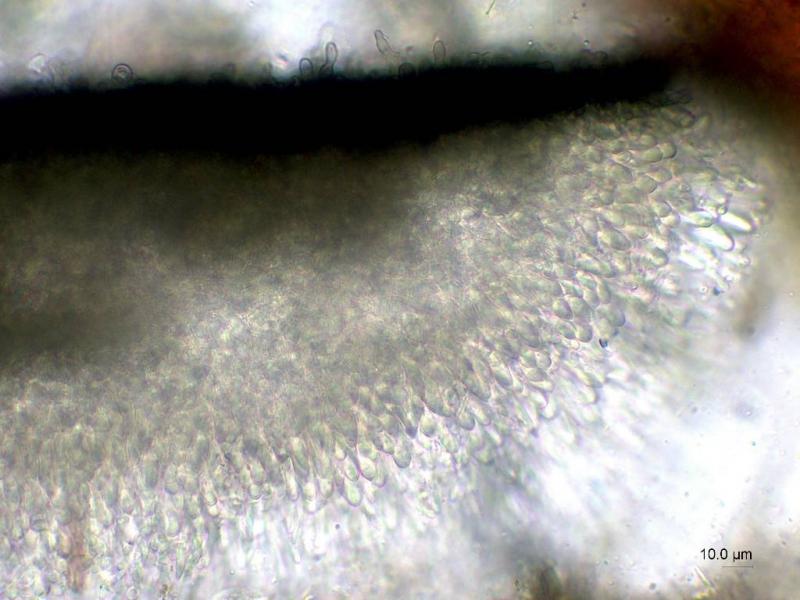
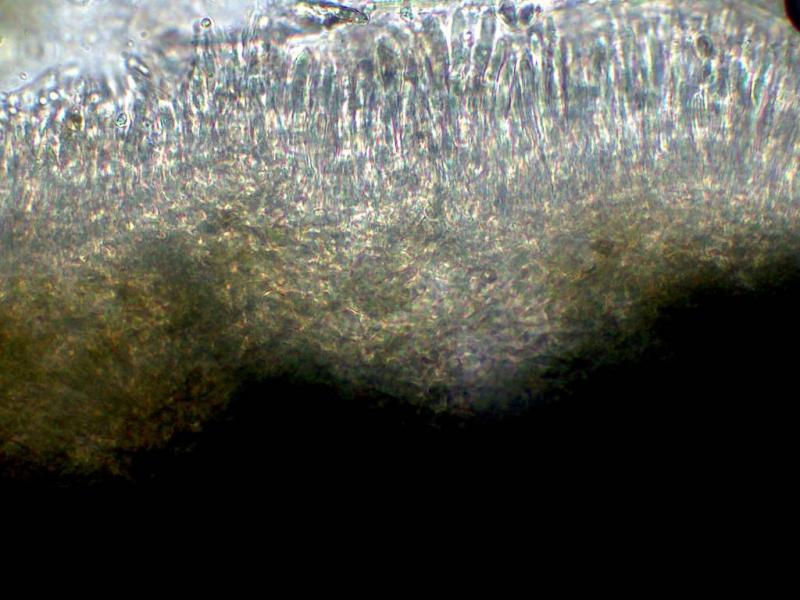
HiI would like to have your opinion on this harvest of Mollisia on fir branch peeled in a humid environment
Floriform apothecia up to 3 mm, gray in color but whitish discolored.
Subiculum++
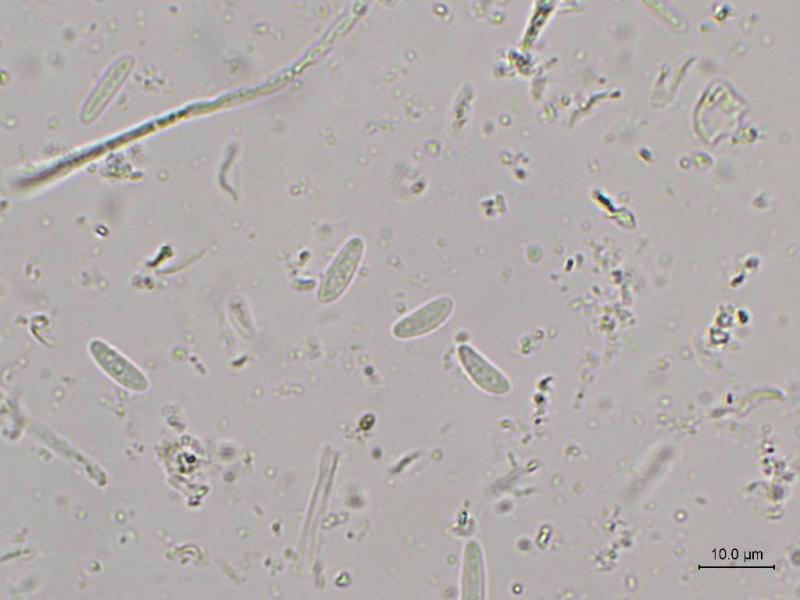
Spores 8-12 x 2.5-3
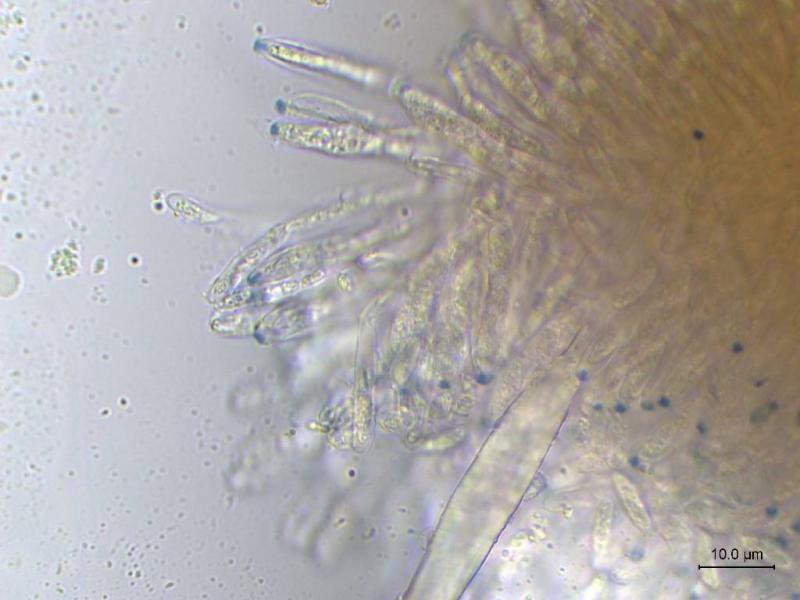
Asci 44-51
IKI bb
KOH-
OIC 0 to 1
Clavicated marginal cells
Subhymenium rather dark in color
I turned to M. lividofusca.
What do you think ?
Ingo Wagner,
11-02-2024 18:33

Re : Mollisia lividofusca ?
Hello Thierry!
You found it on dead wood in airspace, is this right?
Your thought with M. lividofusca is very likely.
Macroscopically, the brown exterior of young apos up to the edge (margo) fits well, and also the brownish color of the fruit layer when it dries.
In the lower part of the ascus you can also see the longer, curved spores.
However, viewed microscopically, the find is in bad condition.
You found it on dead wood in airspace, is this right?
Your thought with M. lividofusca is very likely.
Macroscopically, the brown exterior of young apos up to the edge (margo) fits well, and also the brownish color of the fruit layer when it dries.
In the lower part of the ascus you can also see the longer, curved spores.
However, viewed microscopically, the find is in bad condition.
You can try a cross section, this species sometimes has a brown subhymenium in this state.
https://asco-sonneberg.de/pages/gallery/subhym-dunkel-bei-lividofusca39765.php
Greetings
Ingo W
Thierry Blondelle,
12-02-2024 17:55
Re : Mollisia lividofusca ?
Thanks a lot Ingo for your appreciation
it was found on the side of the branch facing the ground
My cross section is not really ideal for observation.
I'll try a better one.
Are the longer and curved spores at the base of the ascus specific to lividofusca?
Thierry
it was found on the side of the branch facing the ground
My cross section is not really ideal for observation.
I'll try a better one.
Are the longer and curved spores at the base of the ascus specific to lividofusca?
Thierry
Ingo Wagner,
12-02-2024 20:23
Re : Mollisia lividofusca ?
Hello Thierry!
"It was found on the side of the branch facing the ground."
And the branch touched the ground, where the apos grew?
"Are the longer and curved spores at the base of the ascus specific to lividofusca?"
I missed them in your spore picture AND there are species whose spores are more uniformly straight.
"My cross section is not really ideal for observation"
You can pick out a piece of the fruit layer. Normally the subhymenium is attached to it. Best seen at about 100x magnification.
If you don't see this, it doesn't matter. I often don't recognize the darkness of subhymenium in Mollisia lividofusca.
Greetings
Ingo
"It was found on the side of the branch facing the ground."
And the branch touched the ground, where the apos grew?
"Are the longer and curved spores at the base of the ascus specific to lividofusca?"
I missed them in your spore picture AND there are species whose spores are more uniformly straight.
"My cross section is not really ideal for observation"
You can pick out a piece of the fruit layer. Normally the subhymenium is attached to it. Best seen at about 100x magnification.
If you don't see this, it doesn't matter. I often don't recognize the darkness of subhymenium in Mollisia lividofusca.
Greetings
Ingo