
11-06-2026 19:03
 Nicolas VAN VOOREN
Chers membres d'Ascofrance,Le site sera placé en
11-06-2026 19:01
 William Slosse
Hello all,In an attempt to make a culture of a sus

09-06-2026 18:32
Camille MertensSur morceau de roseau immergé 0,5 - 0,7 mm de dia
10-06-2026 12:54
Steve ClementsBonjour encore, Pouvez-vous m'aider, s'il vous pl
10-06-2026 21:16
 François Freléchoux
Bonsoir,Le dernier du jour, en attendant votre avi
10-06-2026 21:07
François Freléchoux
Toutes les tiges de gentianes jaunes de l'an passÃ
10-06-2026 13:41
François Freléchoux
Bonjour à nouveau, Voici une trouvaille d'hier.
10-06-2026 11:53
Steve ClementsBonjour, This disco is abundant on dead stems of
Lachnum virgineum ?
Thierry Blondelle,
29-12-2023 10:16
 Hello
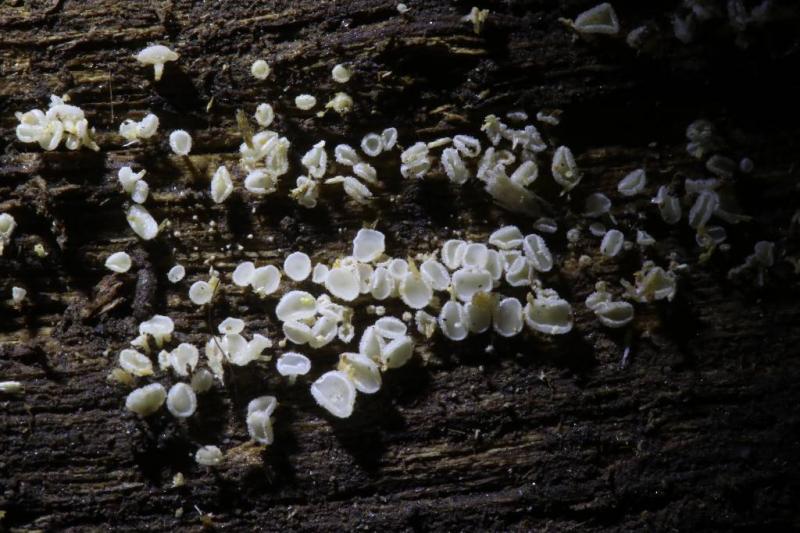
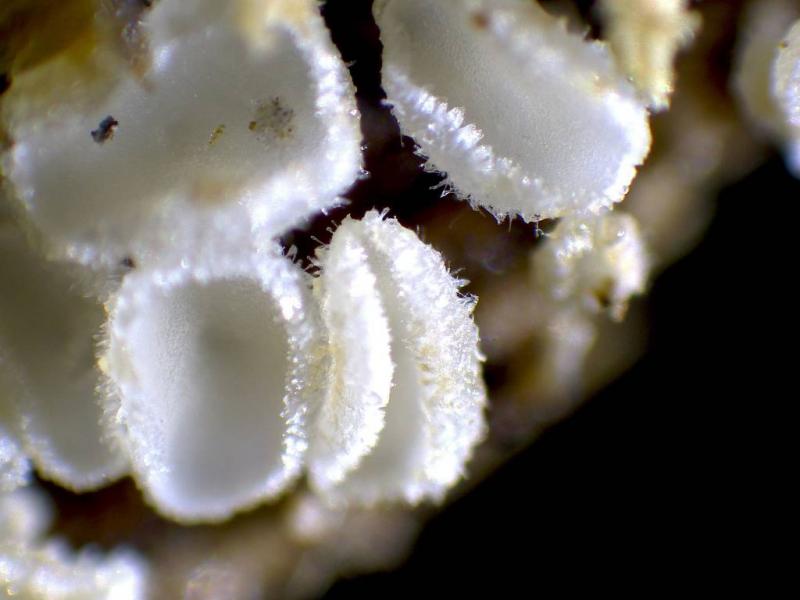
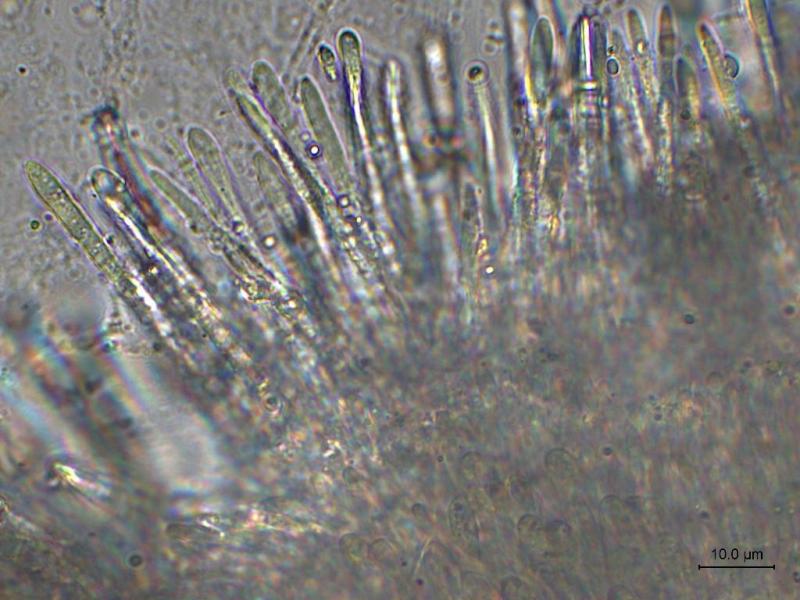
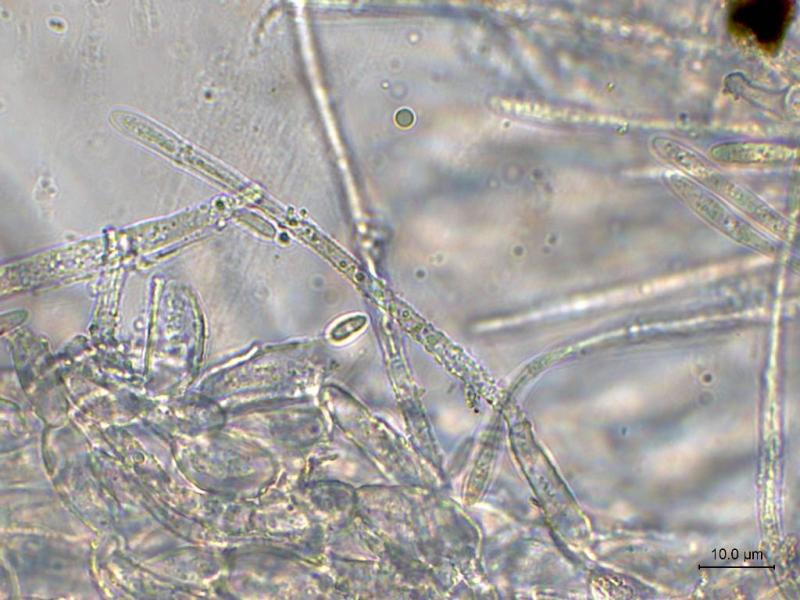
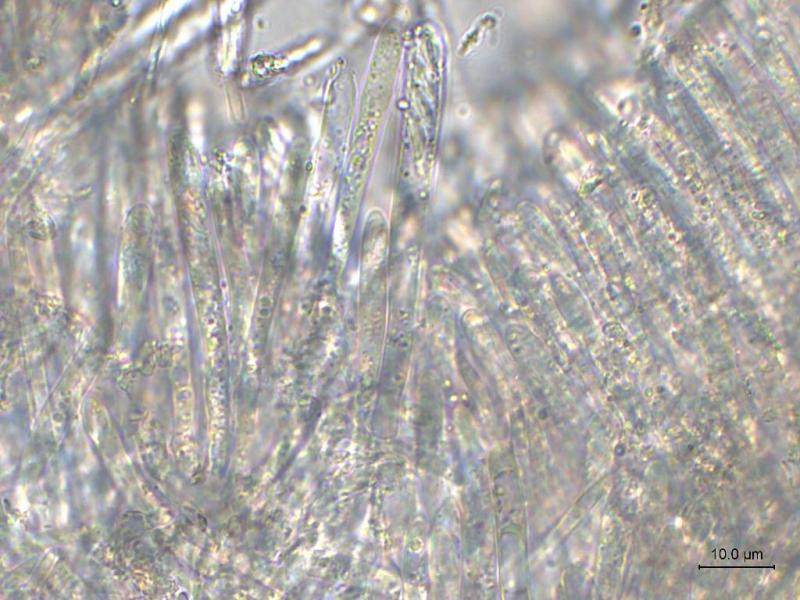
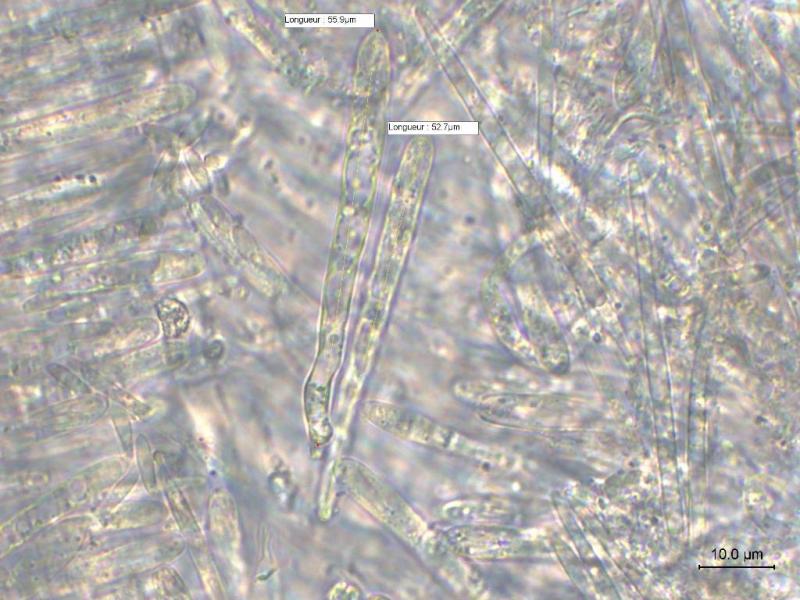
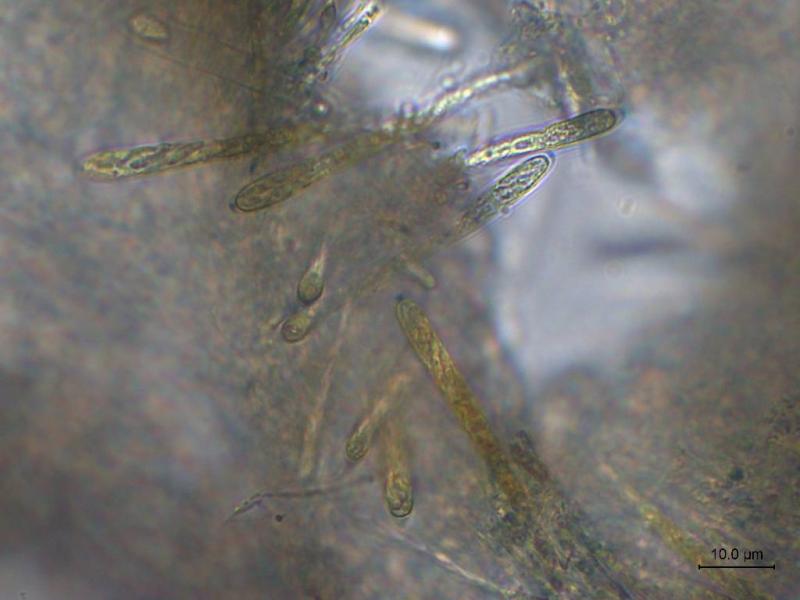
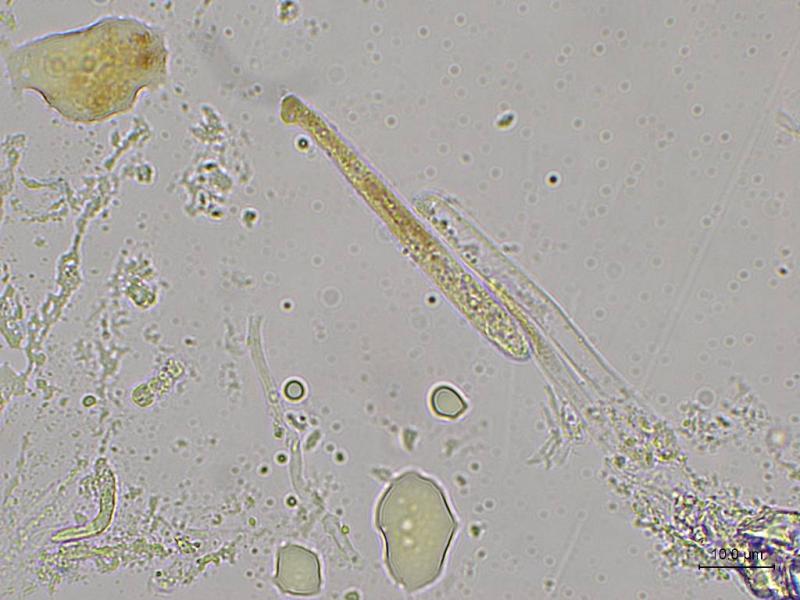
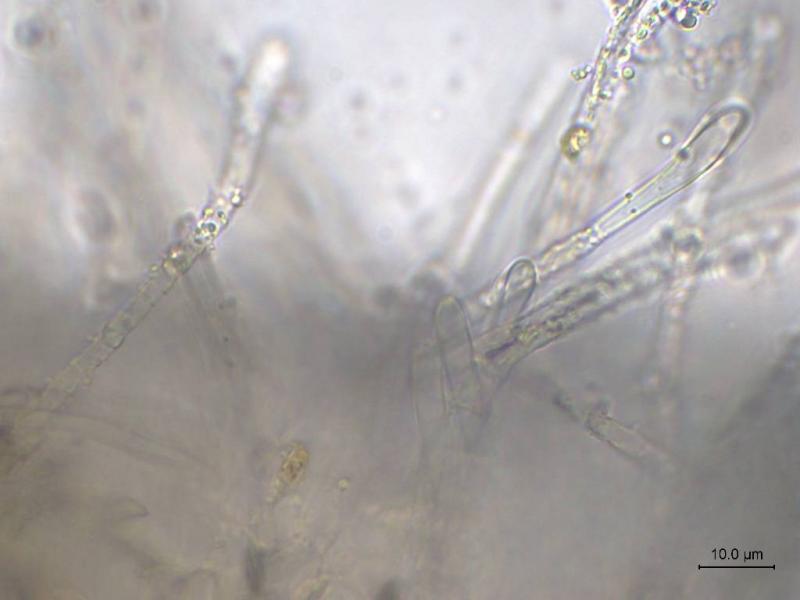
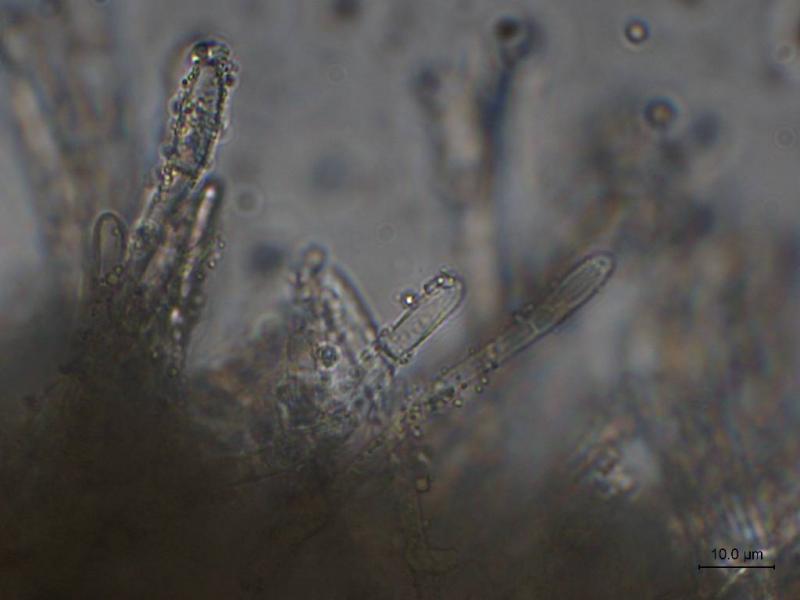
HelloJust a confirmation of Lachnum virgineum found on dead chestnut wood. Attached are the photos of the microscopy. Thanks.
Michel Hairaud,
29-12-2023 10:39

Re : Lachnum virgineum ?
Hi Thierry,
It seems that the last cells of the hairs you show are smooth , which would rather match Dasyscyphella intead of LAchnum
Or am I wrong ?
AmitiésMichel
It seems that the last cells of the hairs you show are smooth , which would rather match Dasyscyphella intead of LAchnum
Or am I wrong ?
AmitiésMichel
Thierry Blondelle,
29-12-2023 13:35
Re : Lachnum virgineum ?
Hi Michel
I think you are right. New observations point in your direction. What species are you thinking of? I saw that there was a castaneicola species.
PS: I am looking for a key to determining the genera of felted or hairy inoperculate ascomycetes. Is there one?
I think you are right. New observations point in your direction. What species are you thinking of? I saw that there was a castaneicola species.
PS: I am looking for a key to determining the genera of felted or hairy inoperculate ascomycetes. Is there one?
Thierry Blondelle,
29-12-2023 13:52
Re : Lachnum virgineum ?
Ain Raitviir's key which takes into account the length of the last article of the hair and the length of the spores leads to D. nivea.
Michel Hairaud,
29-12-2023 18:15
Re : Lachnum virgineum ?
D. nivea is a common species through all winter and can be found nearly systematically on lower faces of Quercus stumps or other hardwood.
Michel
Michel
Guy Marson,
30-12-2023 22:43
Re : Lachnum virgineum ?
Hi Thierry,
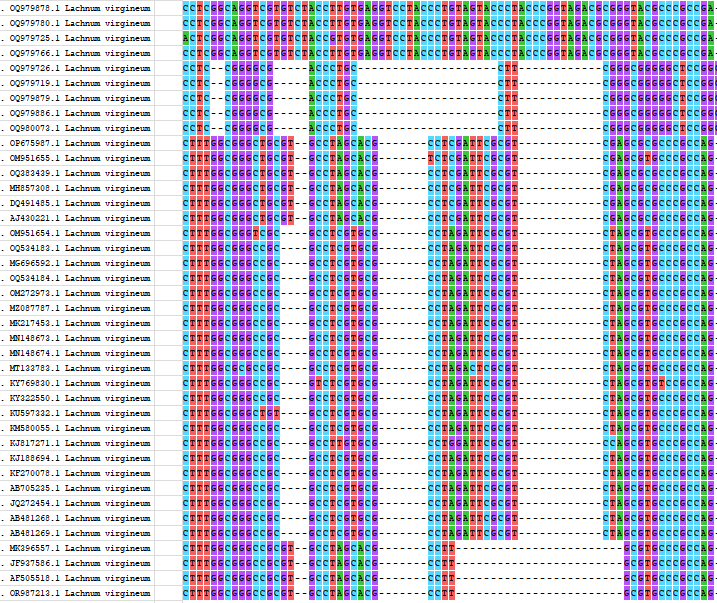
What various authors consider to be Lachnum virgineum consists genetically of 5 species, as can be seen in a small section of the ITS1 (-> screenshot of an ailgnment below).
What Lachnum virgineum really is cannot be identified genetically either, because the first description of Lachnum virgineum (Batsch) P. Karst. (1871) is too old to be sequenced.
What various authors consider to be Lachnum virgineum consists genetically of 5 species, as can be seen in a small section of the ITS1 (-> screenshot of an ailgnment below).
What Lachnum virgineum really is cannot be identified genetically either, because the first description of Lachnum virgineum (Batsch) P. Karst. (1871) is too old to be sequenced.
My best wishes for 2024 :).
Guy
Thierry Blondelle,
31-12-2023 08:23
Re : Lachnum virgineum ?
Thank you Guy for this update on Lachnum virgineum.
Best wishes too
Best wishes too