
10-06-2026 12:54
Steve ClementsBonjour encore, Pouvez-vous m'aider, s'il vous pl
10-06-2026 11:53
Steve ClementsBonjour, This disco is abundant on dead stems of
10-06-2026 10:45
 François Freléchoux
Bonjour à nouveau, Encore une détermination qui
08-06-2026 10:16
 Spooren Marco
I don`t have a clou about this fungus,it is not in
10-06-2026 09:24
François Freléchoux
Bonjour, J'imagine que cette détermination ne do
09-06-2026 18:32
Camille MertensSur morceau de roseau immergé 0,5 - 0,7 mm de dia
08-06-2026 17:00
François BartholomeeusenGood day everyone, On June 5 2026, I collected de
07-06-2026 15:10
 William Slosse
Hello everyone,On 05-06-26, I found following asco
05-06-2026 11:02
Thomas Læssøehttps://svampe.databasen.org/observations/10596691
Rhizodiscina lignyota ?
Ethan Crenson,
13-02-2023 17:30
Hello all,
I collected this two days ago on bare hardwood in New York City. I was expecting to bring home the much more common Patellaria crassispora, but this is obviously not that. Can anyone confirm this is Rhizodiscina lignyota, or if not, point me in the right direction? I have a vague idea that R. lignyota is fairly common in some places, but I have never found it in my neighborhood.
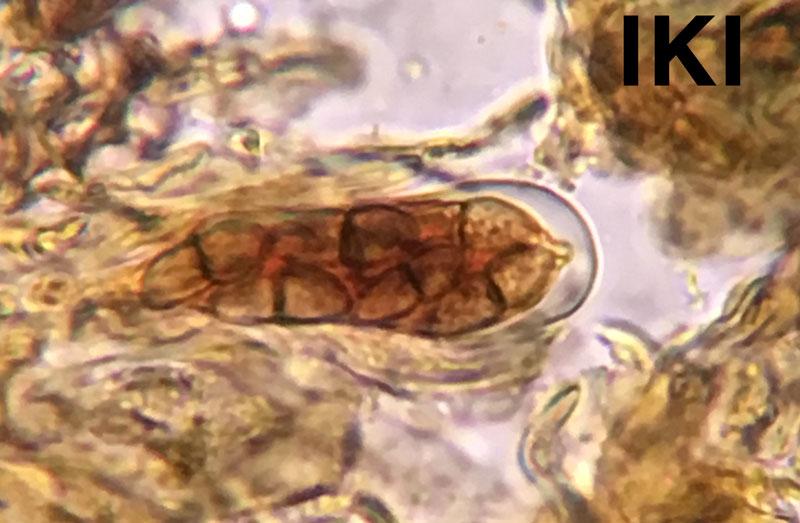
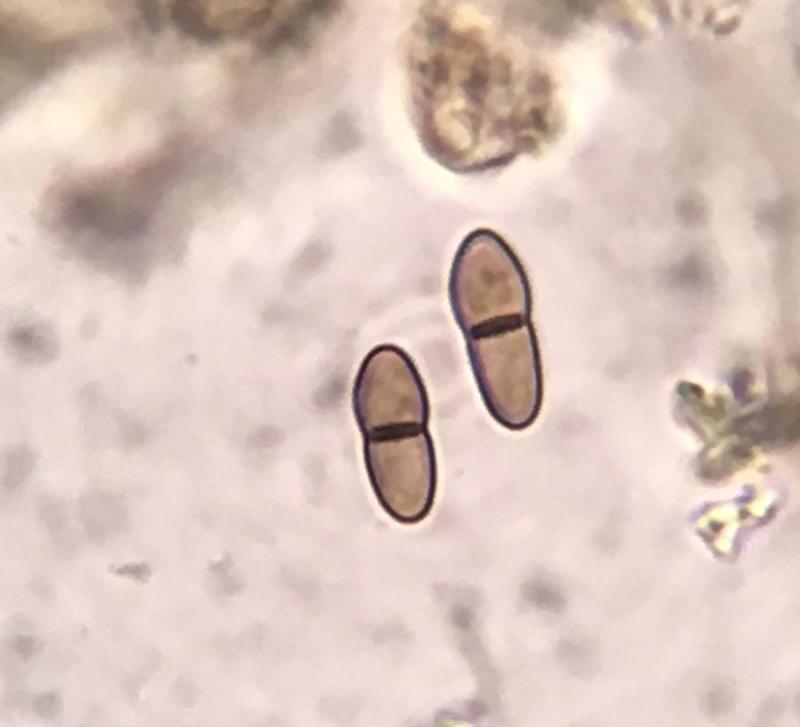
Spores are brown, one septate, smooth, 9-10.5 x 3.7-4µm
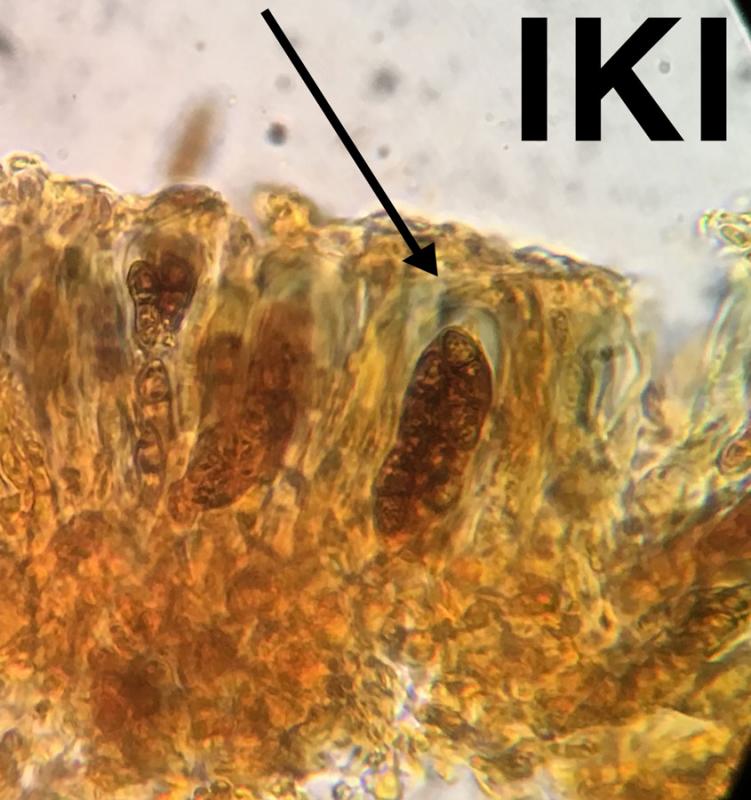
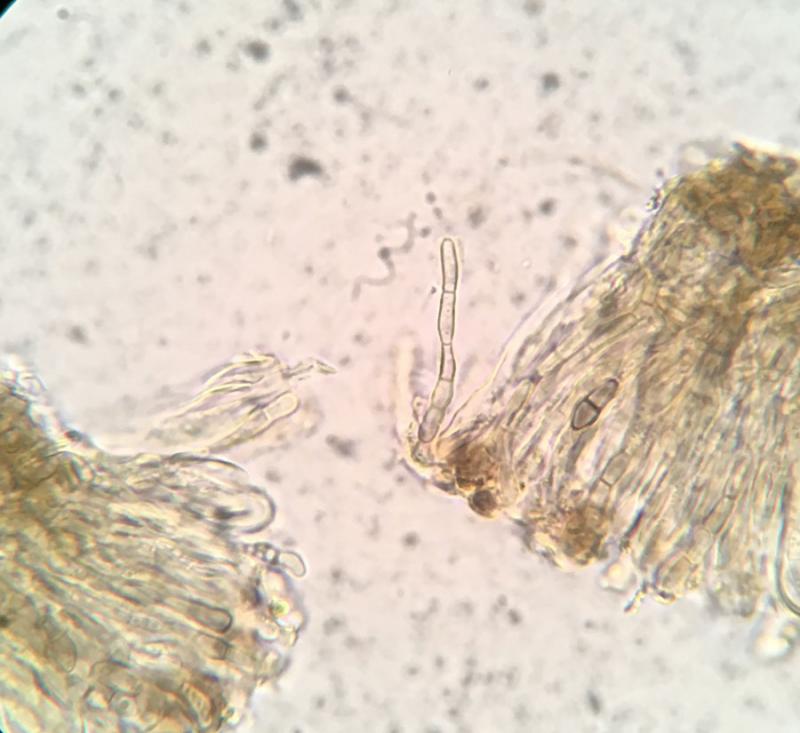
Asci bitunicate, clavate, very faintly IKI+ staining blue over much of the upper surface, 44-56 x 9-10µm
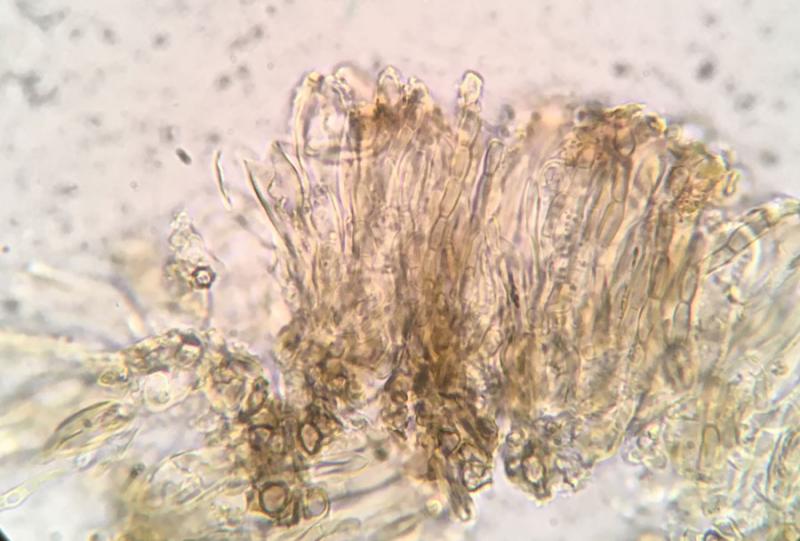
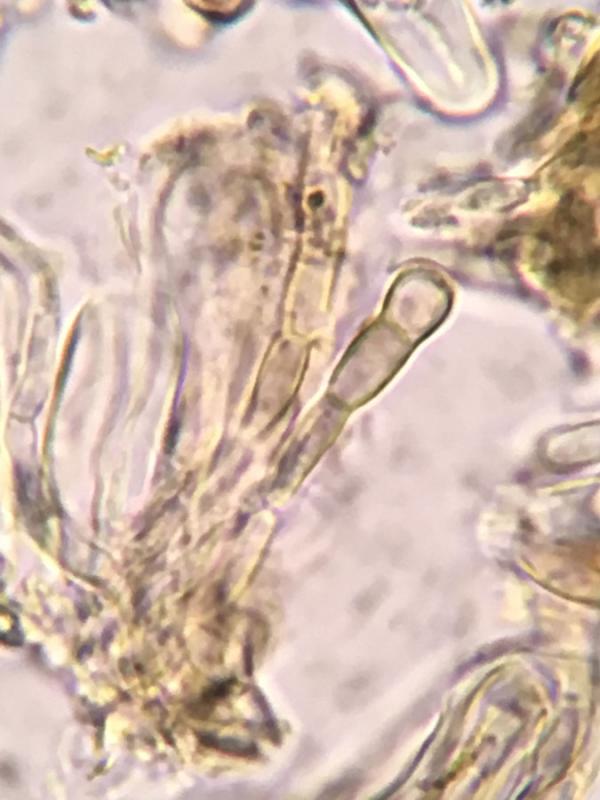
Paraphyses septate, slightly constricted at the septa, up to 4.3µm wide at the tips.
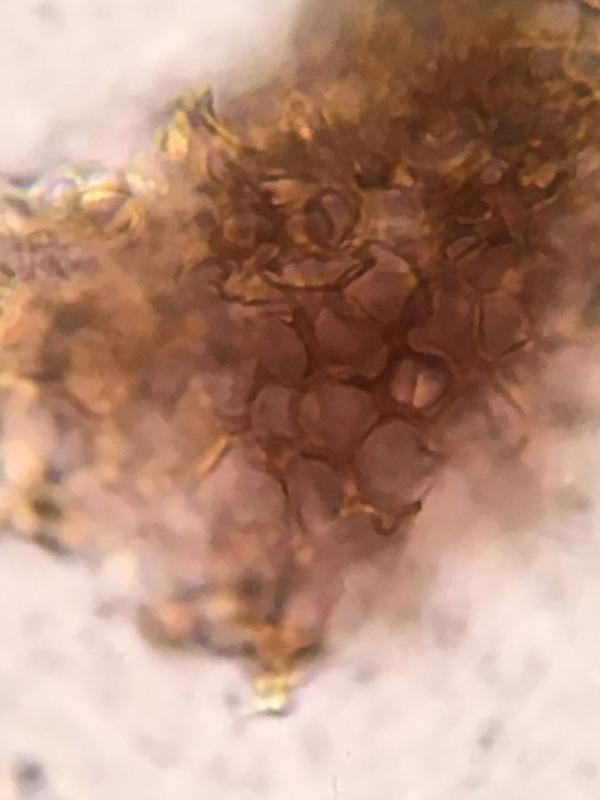
Excipulum textura angularis
Thanks in advance,
Ethan
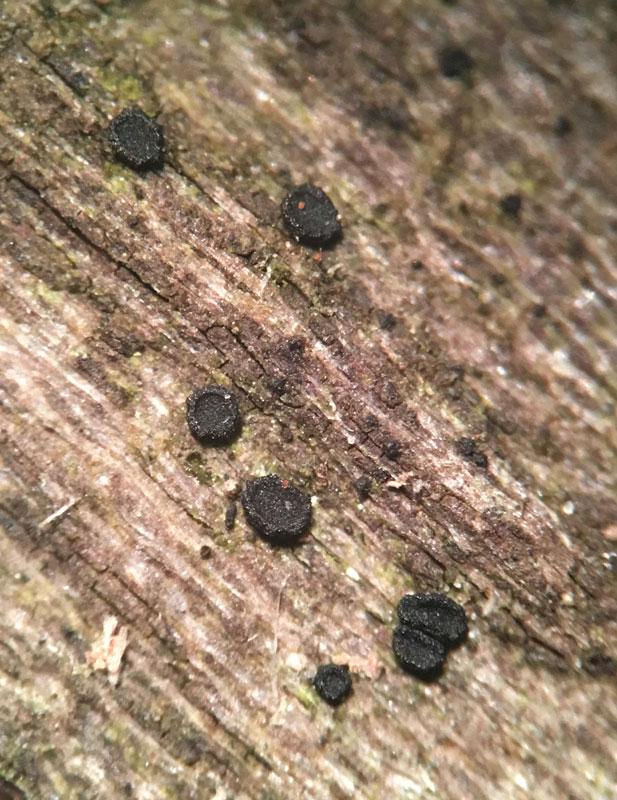
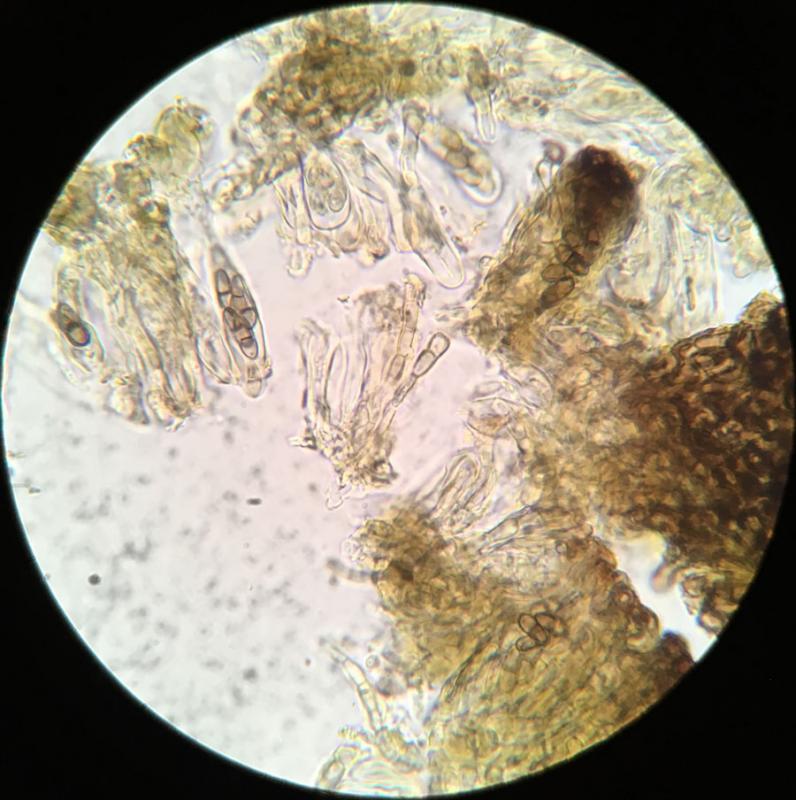
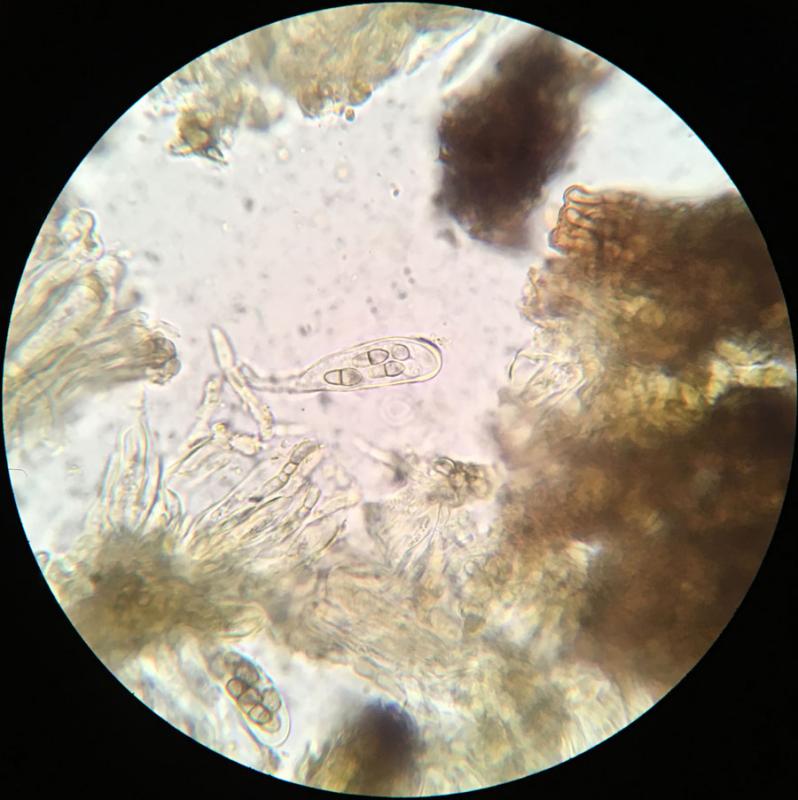
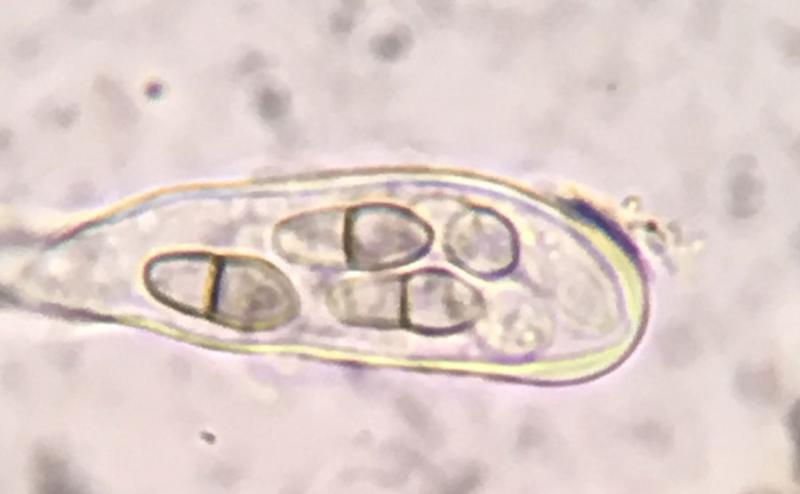
Hans-Otto Baral,
13-02-2023 18:51

Re : Rhizodiscina lignyota ?
I see no objection to your ID. Abundant brown anchoring hyphae should be there, which gave rise to the name Rhizodiscina. The species is really common.
Ethan Crenson,
13-02-2023 18:57
Re : Rhizodiscina lignyota ?
Thank you, Zotto! in my experience, here in the Northeastern US, it isn't all that common. I have found the very similar Patellaria crassispora and (occasionally) P. atrata at least 70 times (I checked my records), but I have never seen Rhizodiscina until now.
I will look for the anchoring hyphae for extra credit.