10-06-2026 21:16
 François Freléchoux
Bonsoir,Le dernier du jour, en attendant votre avi
11-06-2026 19:01
 William Slosse
Hello all,In an attempt to make a culture of a sus
11-06-2026 19:03
 Nicolas VAN VOOREN
Chers membres d'Ascofrance,Le site sera placé en

09-06-2026 18:32
Camille MertensSur morceau de roseau immergé 0,5 - 0,7 mm de dia
10-06-2026 12:54
Steve ClementsBonjour encore, Pouvez-vous m'aider, s'il vous pl
10-06-2026 21:07
François Freléchoux
Toutes les tiges de gentianes jaunes de l'an passÃ
10-06-2026 13:41
François Freléchoux
Bonjour à nouveau, Voici une trouvaille d'hier.
10-06-2026 11:53
Steve ClementsBonjour, This disco is abundant on dead stems of
Octospora lilacina?
Georges Greiff,
25-11-2021 13:47
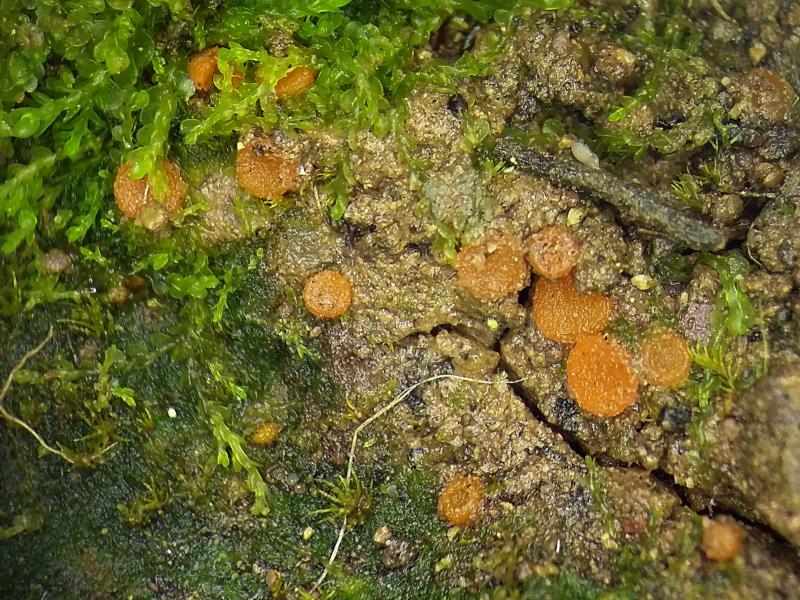
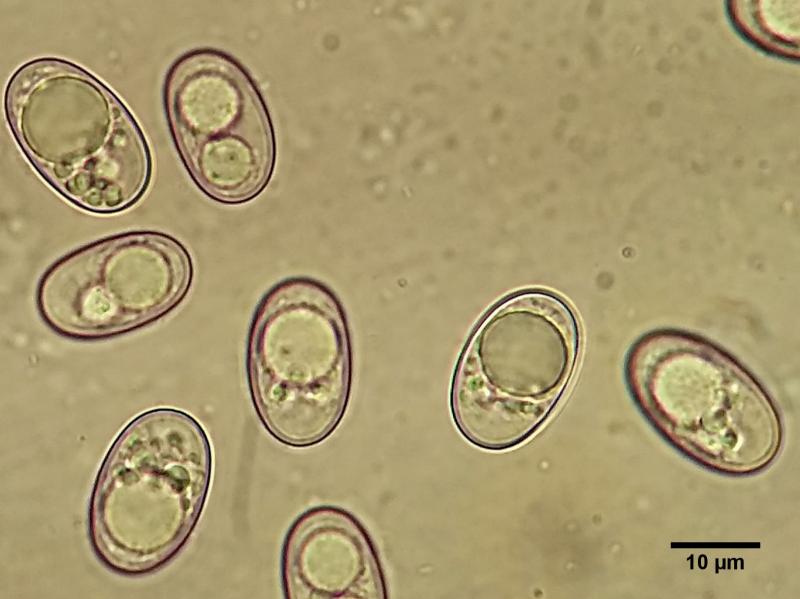
I have been sent an interesting Octospora from acidic soil in south west England, growing beside a large patch of the leafy liverwort Solenostoma gracillima and moss protonema (Dicranaceae sp.).
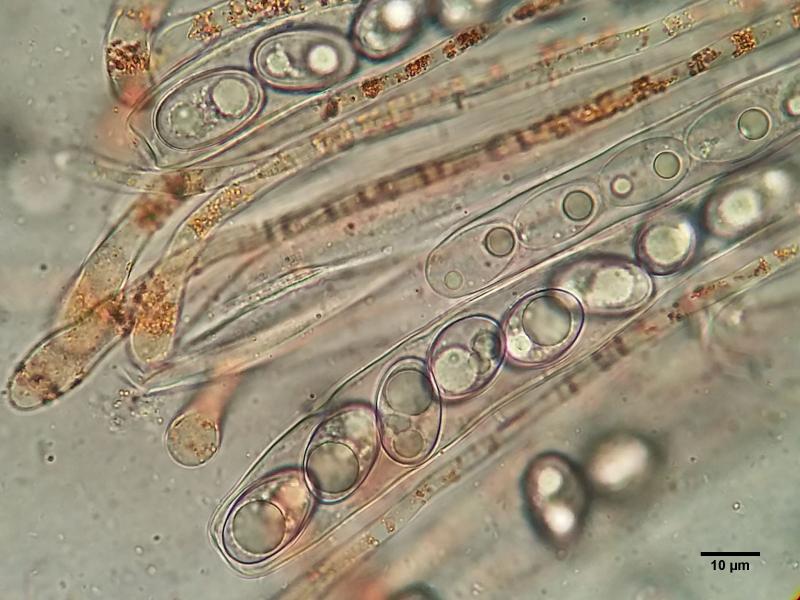
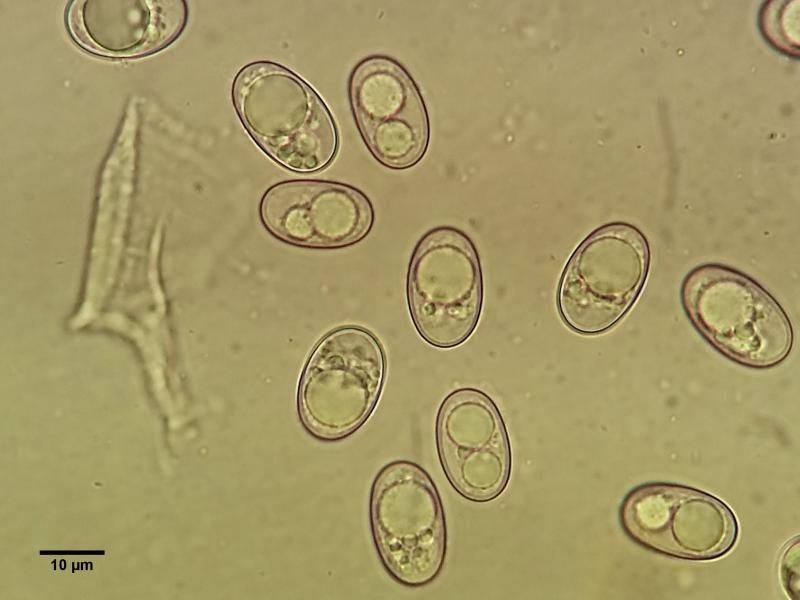
Apothecia orange, margins poorly developed, up to ±1.5mm diam. Asci 8-spored with flat apices. Paraphyses with wide, swollen tips lacking VBs. Ascospores 17.5 - 19.5 x 10.5 - 12.0, with inconspicuously reticulate surface (I think - I have no LCB at the moment to stain).
The best match seems to be O. lilacina, but the apothecia are orange rather than lilac. Other than that, it fits pretty well. Any comments welcome.
Best wishes,
George
Hans-Otto Baral,
25-11-2021 16:25

Re : Octospora lilacina?
My first idea was O. humosa but the apo size and associated mosses contradict this. O. lilacina has hyaline VBs instead of carotenoids.
Georges Greiff,
25-11-2021 16:28
Re : Octospora lilacina?
Thanks, Zotto. Perhaps the host protonema is Pogonatum aloides, where leafy shoots are absent. I agree that it is an odd one.
Jan Eckstein,
31-01-2022 14:37
Re : Octospora lilacina?
Dear George,
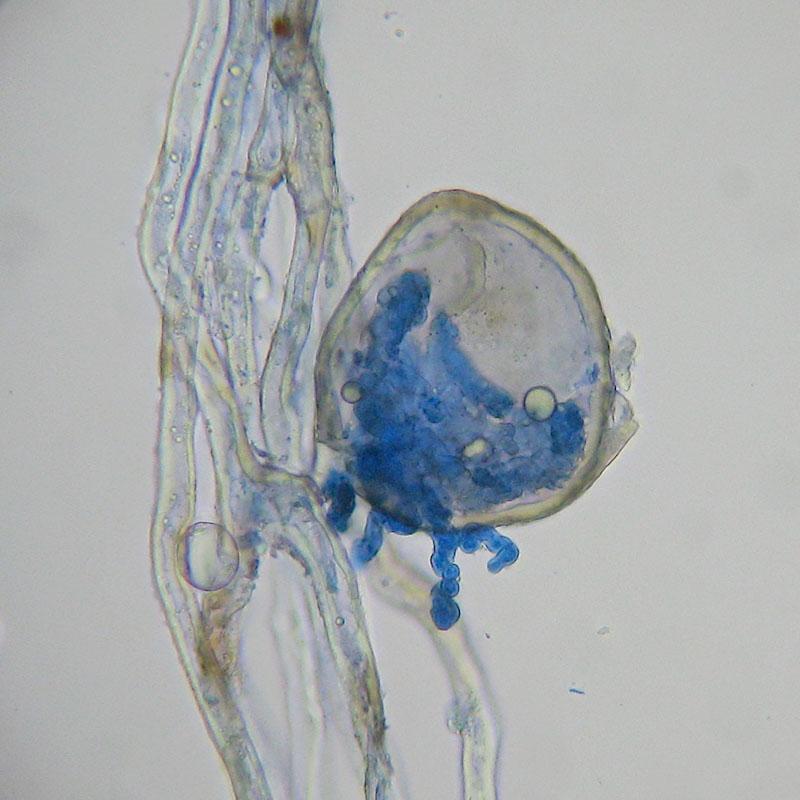
your find certainly belongs to the Octospora humosa complex. O. humosa s.str. grows on Polytrichum piliferum but I also know related collections on Atrichum undulatum, Polytrichum formosum, P. longisetum, Pogonatum aloides,P. urnigerum, Oligotrichum hercynicum and even Pogonatum pensylvanicum in North America. Preliminary DNA-studies group the collections according to their host species suggesting a different taxon for each host. Unfortunately, the apothecia can grow with the moss still in protonemal stage, making the identification of the host sometimes impossible. The whole O. humosa complex has a unique infection structure of large globose galls on the rhizoids, whereas the gall surface is free of hyphae (see image). When you find these galls you can be certain it belongs to this group.
With best wishes
Jan