02-06-2026 14:33
 Nicolas VAN VOOREN
Hello.I'm searching for a PDF copy of the followin
18-10-2022 00:12
Valencia Lopez Francisco JavierHola amigos/asRecientemente encontré esta colecci
02-06-2026 17:58
Louis DENYBonjour forum, Sur feuille de Populus tremula, en

28-07-2011 18:31
 Alex Akulov
Dear FriendsToday I made the pdf file of Velenovsk
11-09-2025 16:57
 Jason Karakehian
Our revision of Marthamycetales (Leotiomycetes) is
12-11-2019 10:32
 Miguel Ángel Ribes
Hi againExactly at the same place than my previous
Bertia-related pyrenomycete?
Hans-Otto Baral,
11-03-2009 22:48
 Hi
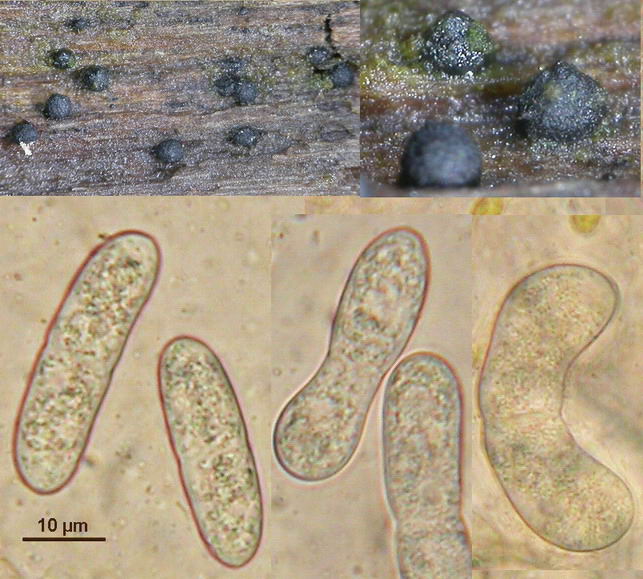
HiI have here a pyreno with unitunicate asci that dissolve during maturity, the spores of which remind me of Bertia latispora. But the perithecia are smooth.
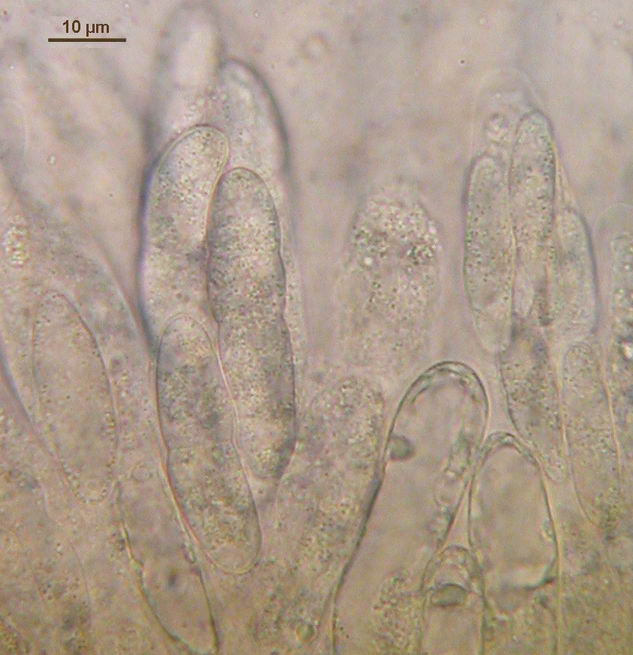
Descr.: 0.3-0.5 mm diam. Asci 6-8-spored, unitunicate, IKI-. Spores 23-35 x 8-11 µm, containing many minute LBs, 1-septate, very variable in shape.
Subaquatic on very rotten wood of Salix (or Populus), N-Germany (near Rehna, leg. T. Richter).
Zotto
Hans-Otto Baral,
11-03-2009 22:51
Re:Bertia-related pyrenomycete?
Most of the perithecia collapsing when dry, often laterally flattened, not from top as in Nitschkia.
any idea?
any idea?
Hans-Otto Baral,
13-03-2009 22:17
Re:Bertia-related pyrenomycete?
Sorry, I corrected in the previous message that the perithecia often collapse.
Zotto
Zotto
MARIA VIRGINIA BIANCHINOTTI,
17-03-2009 21:10
Re:Bertia-related pyrenomycete?
Dear Zotto,
Have you seen Munk pores? Your ascospores are slightly similar to those of Bertia pulneyensis.
Virginia
Have you seen Munk pores? Your ascospores are slightly similar to those of Bertia pulneyensis.
Virginia
Hans-Otto Baral,
17-03-2009 22:32
Re:Bertia-related pyrenomycete?
Dear Maria
thanks, is it an Indian species? Where is it described? What do you mean with Munk pores?
Zotto
thanks, is it an Indian species? Where is it described? What do you mean with Munk pores?
Zotto
MARIA VIRGINIA BIANCHINOTTI,
18-03-2009 15:15
Re:Bertia-related pyrenomycete?
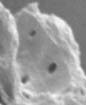
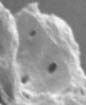
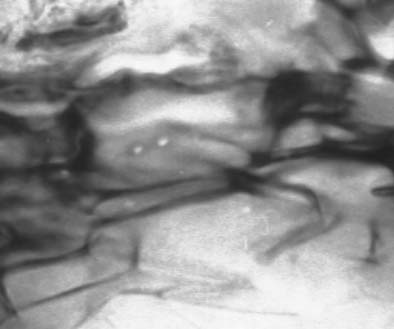
Yes, it is an Indian species described by Subramanian & Sekar in Kavaka 18: 19-90 (1990). Munk pores are small perforations that appear in the ascomatal cells. they are typical (but not exclusive) of the Coronophorales. Here are 2 photos of them.
 7145.pdf
MARIA VIRGINIA BIANCHINOTTI,
18-03-2009 15:15
Re:Bertia-related pyrenomycete?
Yes, it is an Indian species described by Subramanian & Sekar in Kavaka 18: 19-90 (1990). Munk pores are small perforations that appear in the ascomatal cells. they are typical (but not exclusive) of the Coronophorales. Here are 2 photos of them.
Virginia
Virginia
MARIA VIRGINIA BIANCHINOTTI,
18-03-2009 15:17
Re:Bertia-related pyrenomycete?
sorry Zotto I attached just one taken with SEM. Here goes the second
Hans-Otto Baral,
18-03-2009 18:45
Re:Bertia-related pyrenomycete?
Dear Maria
so they are pores in the wall of the peridial cells? Are they in the lateral wall between the peridial cells? Present in every cell or only locally? I will try to locate this feature.
Zotto
so they are pores in the wall of the peridial cells? Are they in the lateral wall between the peridial cells? Present in every cell or only locally? I will try to locate this feature.
Zotto
MARIA VIRGINIA BIANCHINOTTI,
18-03-2009 18:57
Re:Bertia-related pyrenomycete?
Dear Zotto, yes they are pores, not in every cell, randomly, 1 or2, sometimes more per cell, also in the lateral wall between cells. I´ve put a pdf of a paper in which you´d see more images.
Virginia
Virginia
Hans-Otto Baral,
22-03-2009 21:46
Re:Bertia-related pyrenomycete?
Dear Virginia
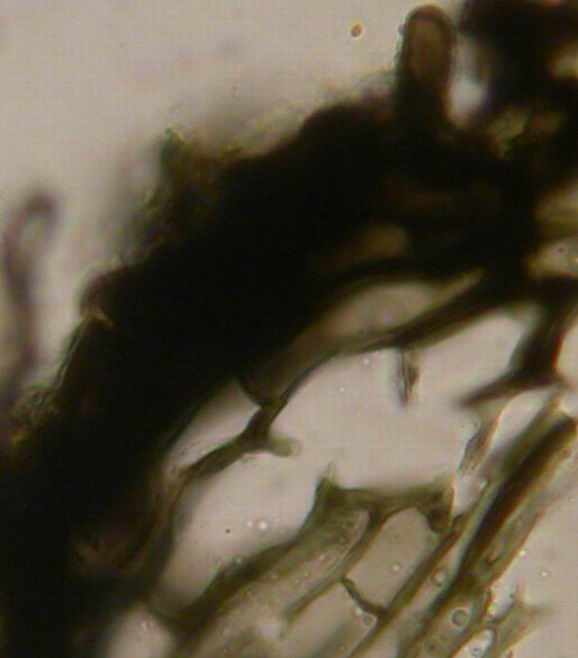
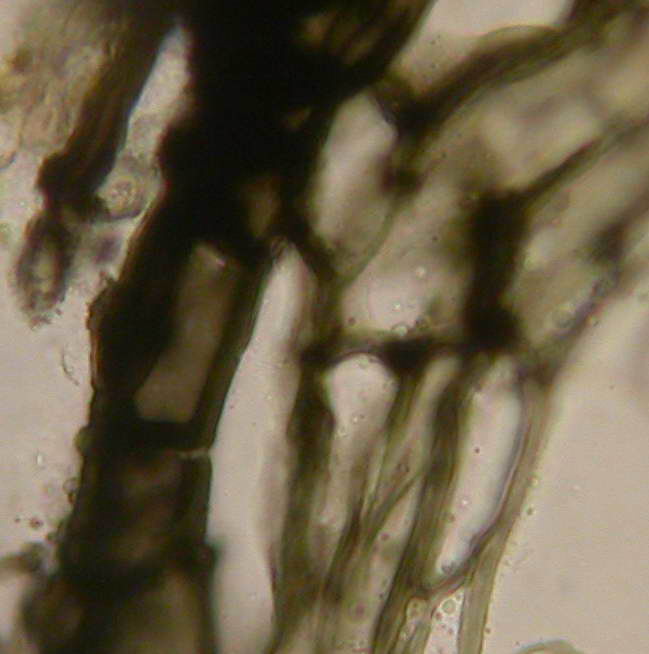
I tried some photos but I could not verify Munk-pores. The problem is that oil drops can easily be taken for pores. Mounts are in KOH.
I tried some photos but I could not verify Munk-pores. The problem is that oil drops can easily be taken for pores. Mounts are in KOH.
Hans-Otto Baral,
22-03-2009 21:46
Re:Bertia-related pyrenomycete?
another