
12-06-2026 14:50
 François Freléchoux
Bonjour, Voici la brève description d'une Mollis
10-06-2026 21:16
François Freléchoux
Bonsoir,Le dernier du jour, en attendant votre avi
11-06-2026 19:01
 William Slosse
Hello all,In an attempt to make a culture of a sus
11-06-2026 19:03
 Nicolas VAN VOOREN
Chers membres d'Ascofrance,Le site sera placé en

09-06-2026 18:32
Camille MertensSur morceau de roseau immergé 0,5 - 0,7 mm de dia
10-06-2026 12:54
Steve ClementsBonjour encore, Pouvez-vous m'aider, s'il vous pl
10-06-2026 21:07
François Freléchoux
Toutes les tiges de gentianes jaunes de l'an passÃ
10-06-2026 13:41
François Freléchoux
Bonjour à nouveau, Voici une trouvaille d'hier.
Hymenoscyphus sp.
William de Jong,
13-11-2020 14:14
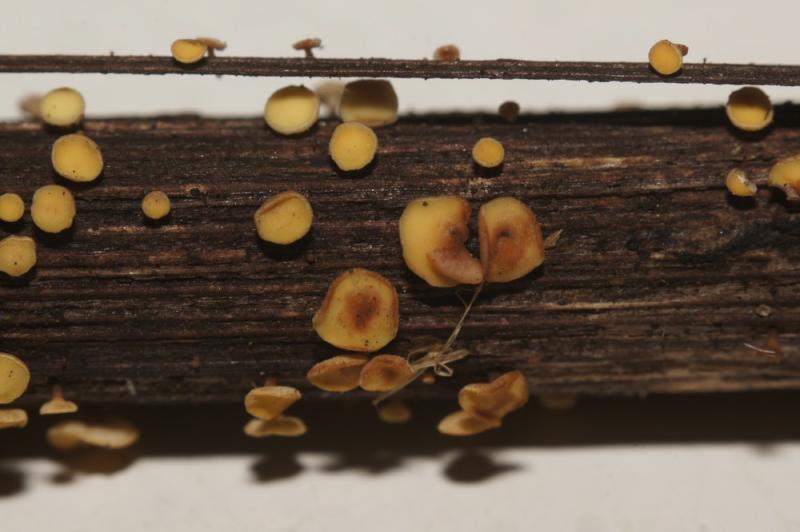
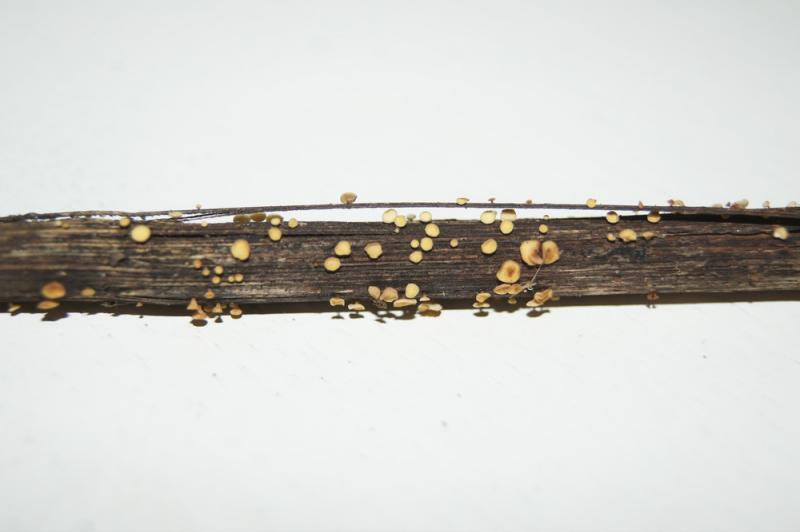
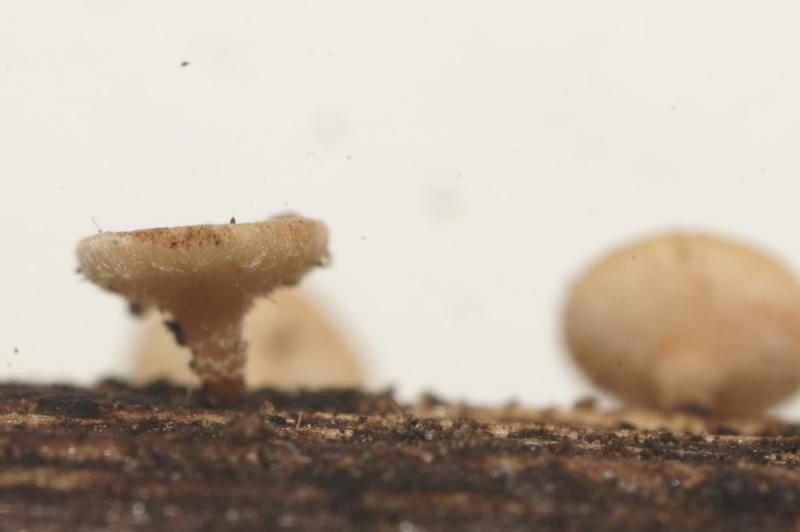
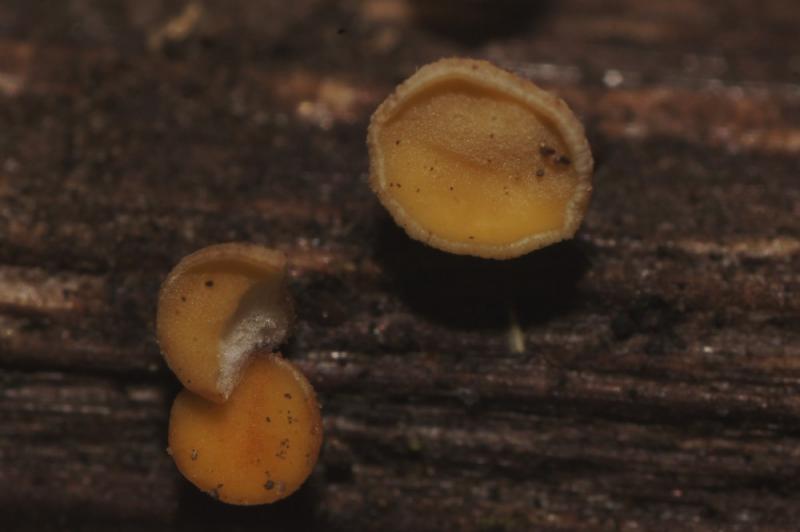
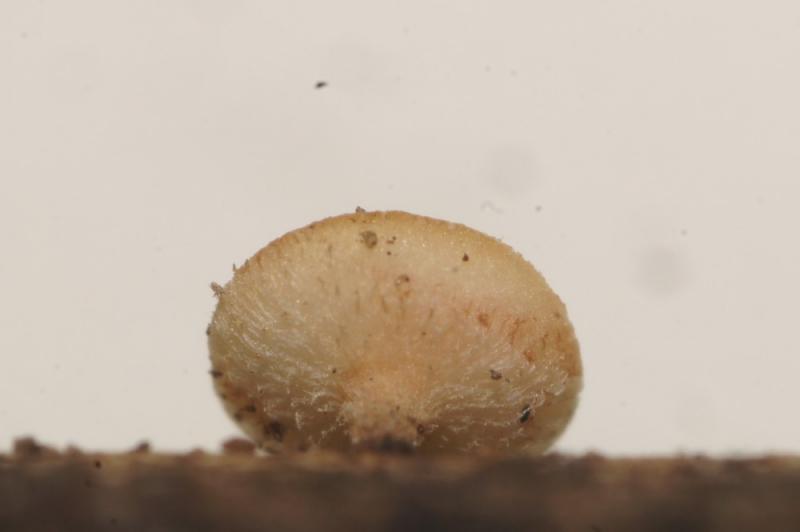
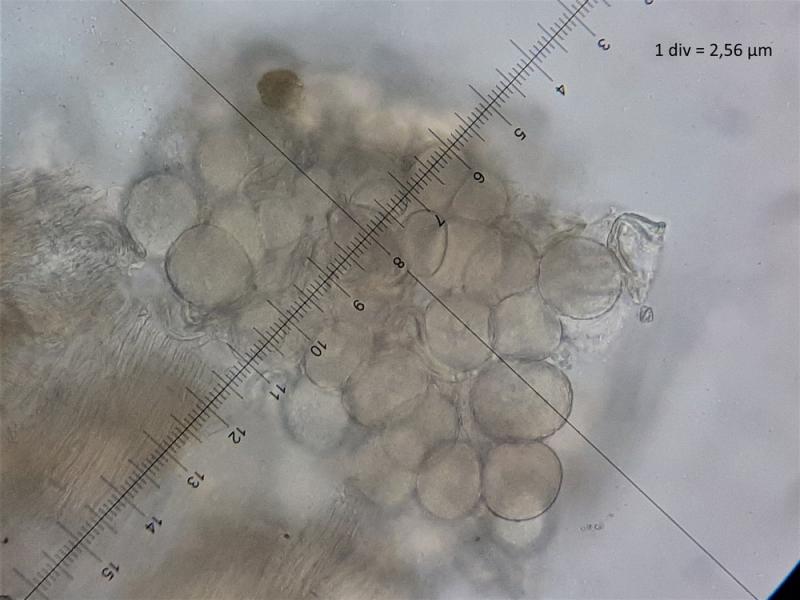
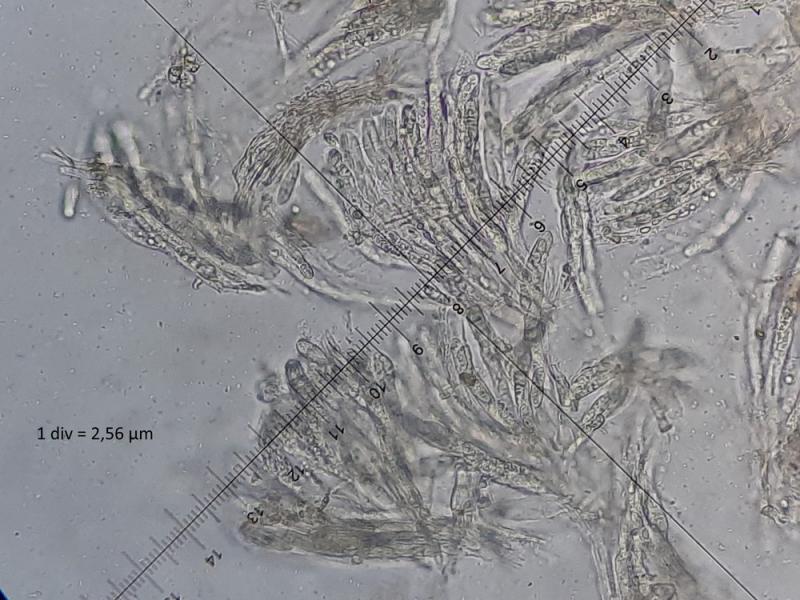
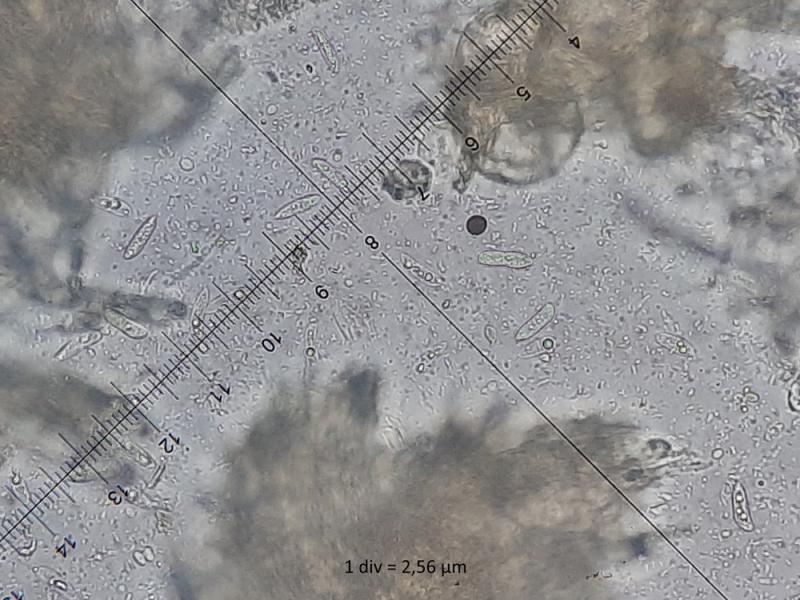
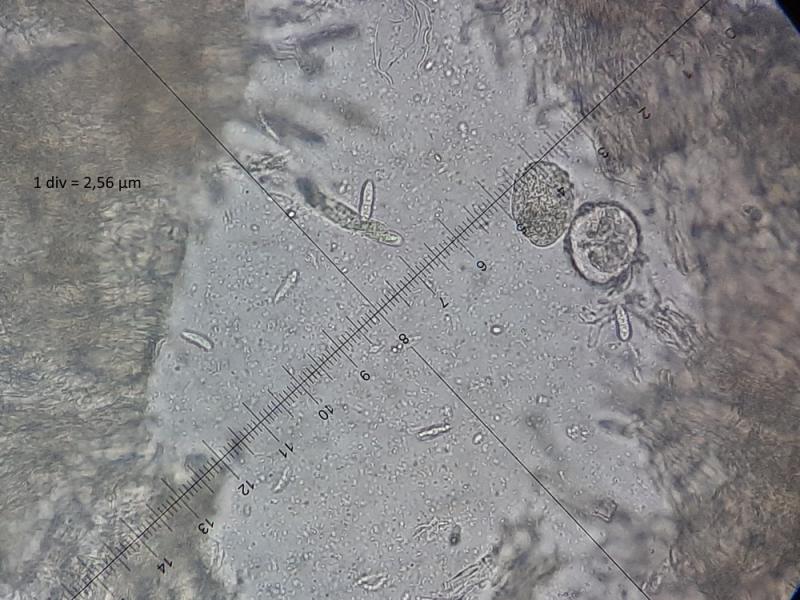
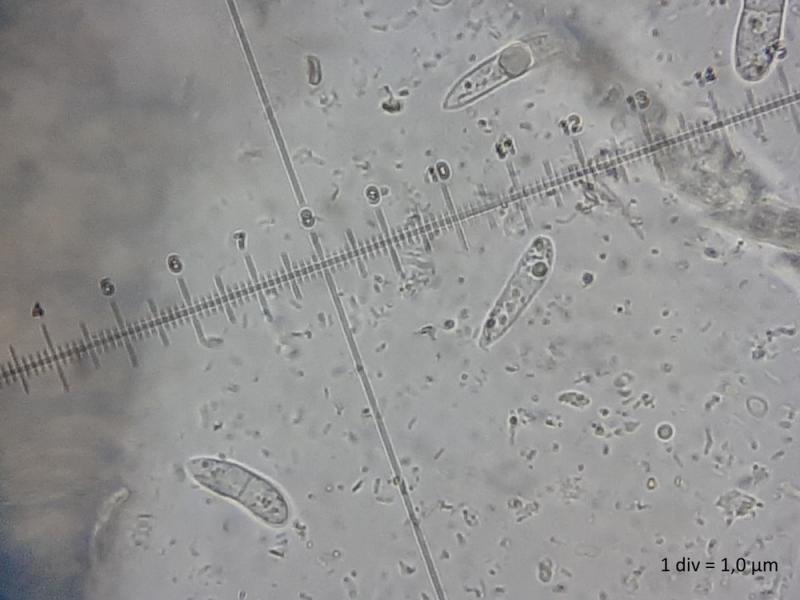
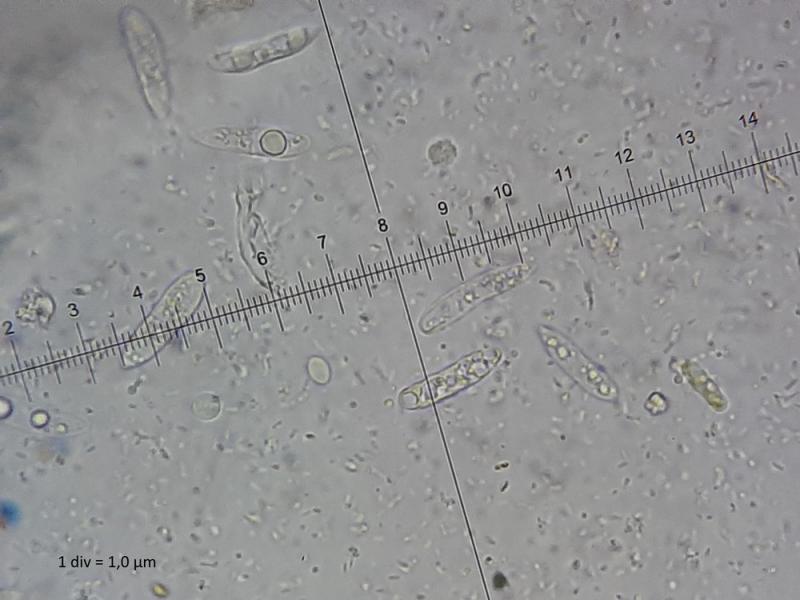
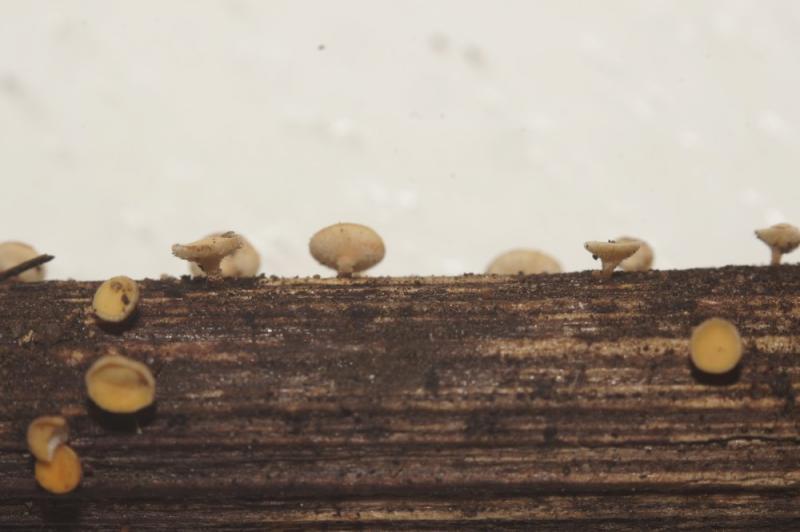
I'm quite new in working with a microscope. Can anyone help me with the identification of this Hymenoscyphus-species? Location: The Netherlands. Substrate a decaying herbacious stem, maybe Rubus stem, but certainly not woody. Asci: 90-115 micrometer long. Spores: 16,6-20,5 x 4,6-5,6 micrometer, measured 6 spores, average: 18,8 x 5,2 micrometer.
Thanks in advance, kind regards,
William

Hans-Otto Baral,
13-11-2020 16:28

Re : Hymenoscyphus sp.
Hi William
it is not an easy way to learn microscopy, mainly making good preparations. And it is another difficulty to study living cells. Your collection is perhaps overmature and largely dead, it seems to me.
Hymenoscyphus seems right but the magnification (oil immersion?) could be better.
Start looking for Hymenoscyphus scutula, which is a variable species or aggregate, including e.g. H. vitellinus.
Do you use my folders?
Go to Ascomycetes illustrations, 7f Helotiales, 5a Helotiaceae
Zotto
William de Jong,
13-11-2020 19:51
Re : Hymenoscyphus sp.
Thank you very much for your reply, Hans-Otto / Zotto! I found this Hymenoscyphus in my garden, so I wanted to give it a try. This material was indeed already 5 days old after I got the chance to watch it under the microscope... That's probably why the asci are so wrinkled??
I worked the last weeks with rust fungi, for which it doesn't matter to dry out. So for Hymenoscyphus (and probably most fungi?) I have to use fresh material. Probably there is still some material in my garden, I will have a look.
But maybe I should work with more easy stuff first. Any suggestions?
The photo's are taken with a smartphone, a microscope camera is on it's way.
Thank you for showing me your folders, that's a lot of very interesting info/pictures!!
I worked the last weeks with rust fungi, for which it doesn't matter to dry out. So for Hymenoscyphus (and probably most fungi?) I have to use fresh material. Probably there is still some material in my garden, I will have a look.
But maybe I should work with more easy stuff first. Any suggestions?
The photo's are taken with a smartphone, a microscope camera is on it's way.
Thank you for showing me your folders, that's a lot of very interesting info/pictures!!
Hans-Otto Baral,
13-11-2020 20:32
Re : Hymenoscyphus sp.
Did you let it dry during these 5 days? That would explain it.
Hymenoscyphus is not a bad fungus to start. But the excipulum is a bit tough, so it is not easy to carefully squash which is necessary to keep the cells alive. Any stronger pressure kills them. Good is to try a section with a razor blade but whith such thin-stalked apos this is difficult. Try with a needle to take out a small amount of hymenium for a water preparation and do not apply any pressure on the coverslip.
Rusts surely also belong to the living fungi :-) Similar as lichens. But their spores probably survive drying for a reasonable time.
Characters of the living cells have been neglected in all groups of fungi.
William de Jong,
16-11-2020 13:06
Re : Hymenoscyphus sp.
Unfortunately, I couldn't find any of this Hymenoscyphus anymore (in my garden). But good to know how to handle it next time. Thank you very much!