
17-04-2026 19:16
 Enrique Rubio
Hi to everybodyI would appreciate any assistance r
14-04-2026 05:32
Ethan CrensonHi all, A few weeks back a friend pointed out som
17-04-2026 15:14
 Bruno Coué
Bonjour.Récoltes du 16/04/2026, sur feuilles mort
12-04-2026 15:52
Gernot FriebesHi,I'm looking for help with this anamorph collect
14-04-2026 21:52
Gernot FriebesHi,found on dead leaves of Carex elata. Conidia: 4
16-04-2026 22:09
Buckwheat PeteHello, I'd like to ask about this older specimen:
15-04-2026 19:33
Fátima Durán ManzanequeHi!! I need help, I found this Ascomycete but I d
14-04-2026 20:31
Gernot FriebesHi,can this be Psilachnum lateritioalbum on Phragm
12-04-2026 17:56
 Hardware Tony
Found on dead stems in February earlier this year
12-04-2026 12:22
 William Slosse
In a dune grassland in Oostduinkerke (Belgium), on
Hymenoscyphus sp.
Mirek Gryc,
14-10-2020 07:52
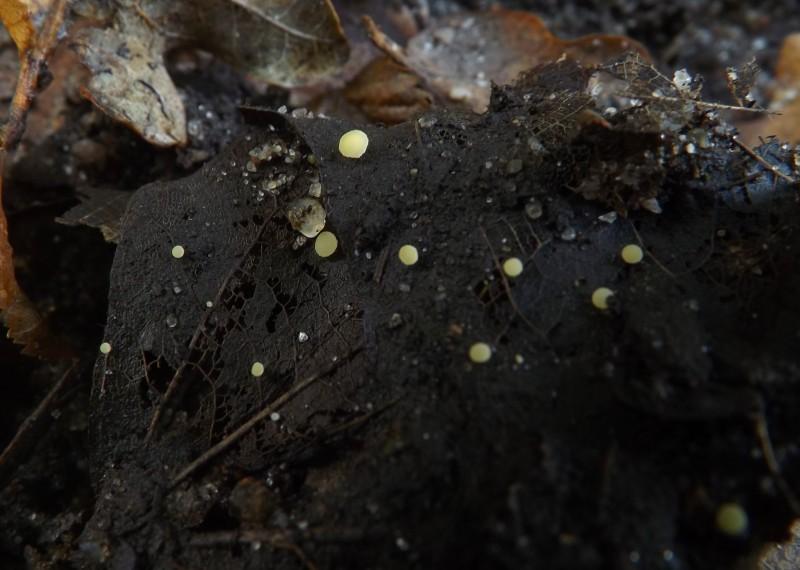
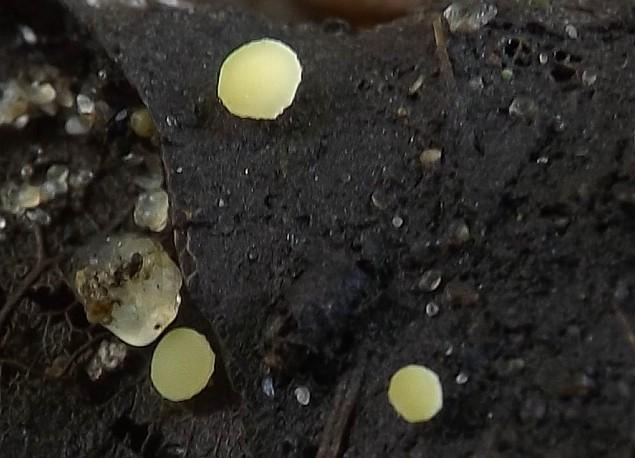
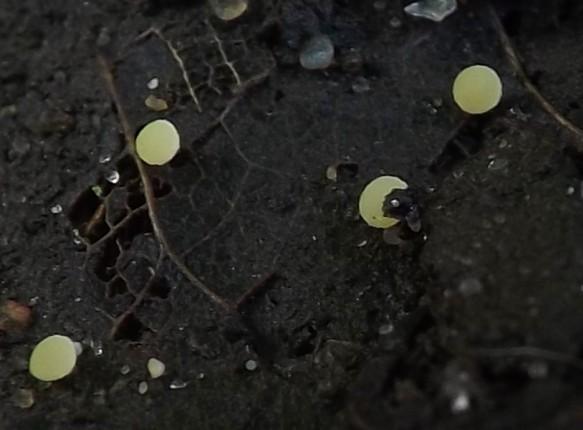
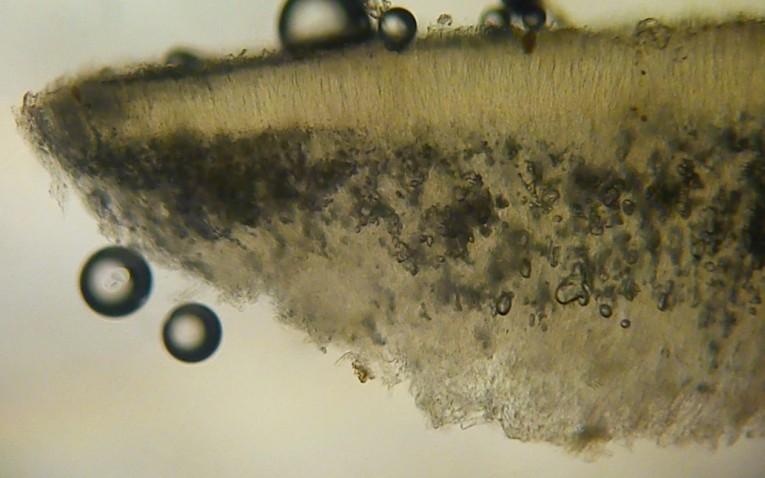
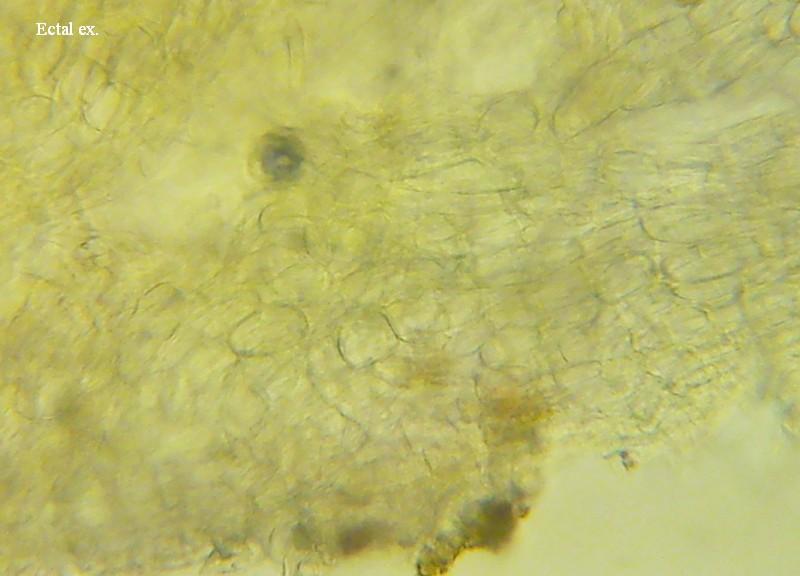
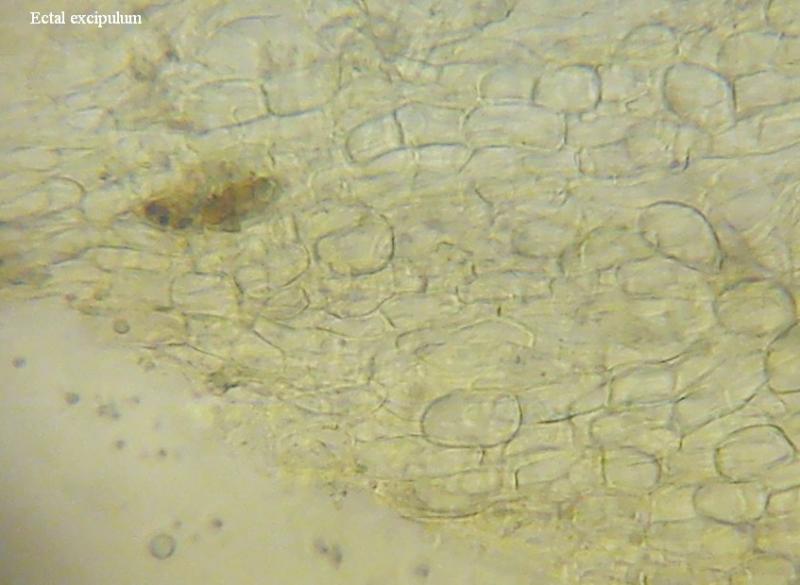
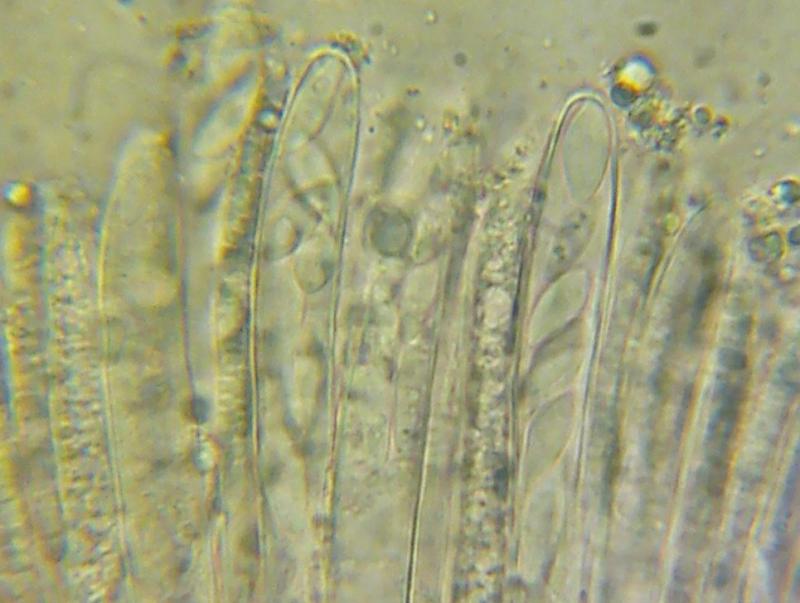
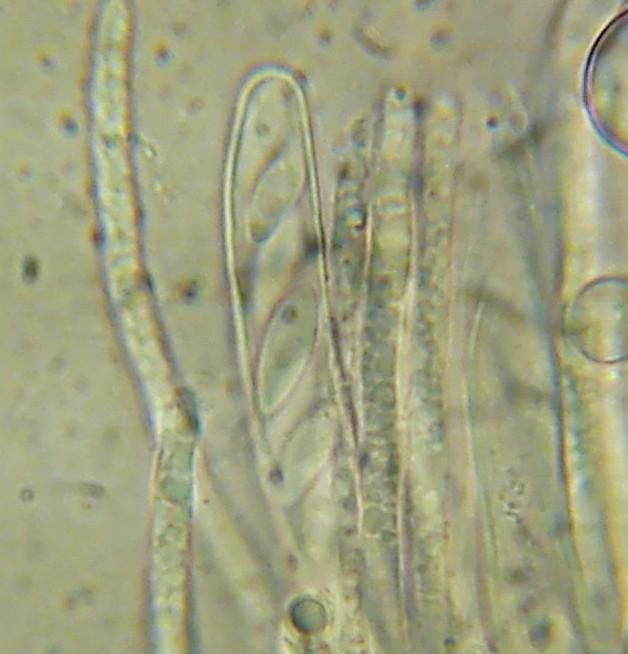
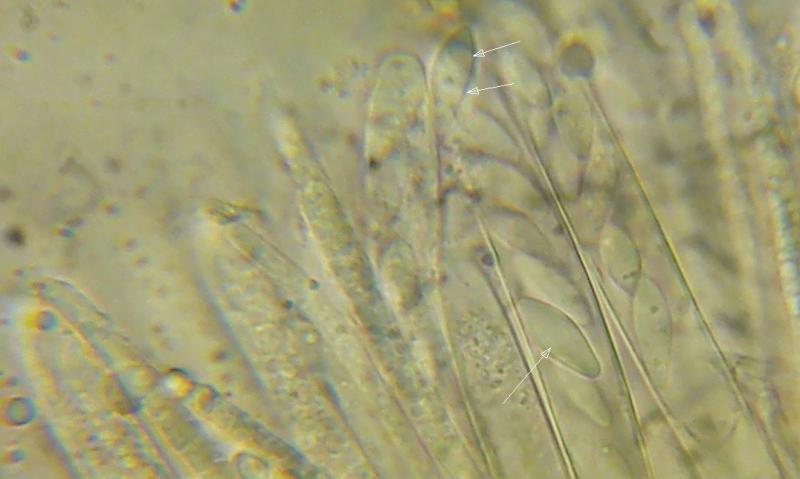
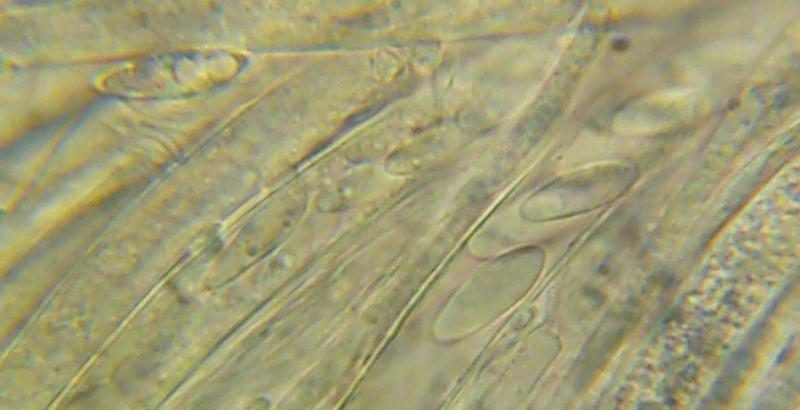
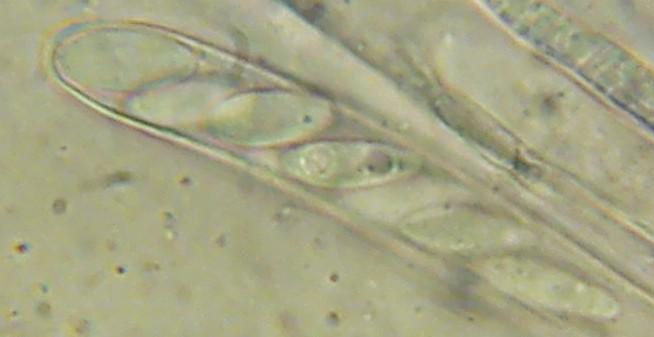
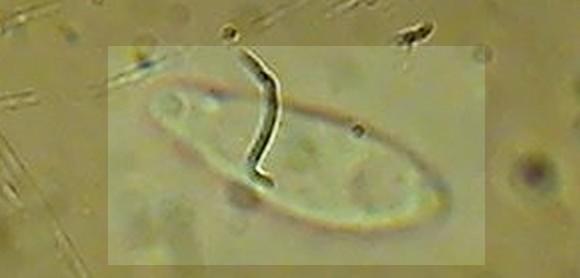
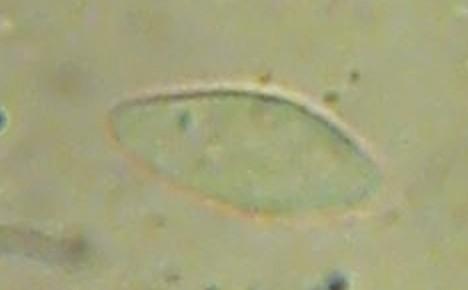
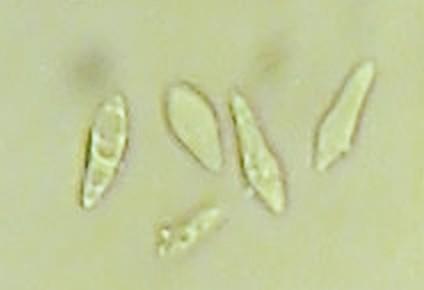
Last Sunday I found this Hymeoscyphus growing on leaves lying on the muddy ground. multi-species forest, including Populus. Due to time constraints, I only took a few photos. The spores didn't want to release from the ascus so I put the collection in the ripening room. Unfortunately, I moistened too little and the ascomata gently dried up. Further breeding attempts did not give adequate results. However, looking at the photos taken just after the harvest, I came to the conclusion that it may be quite an interesting species. Similar to H. imberbias but certainly not.
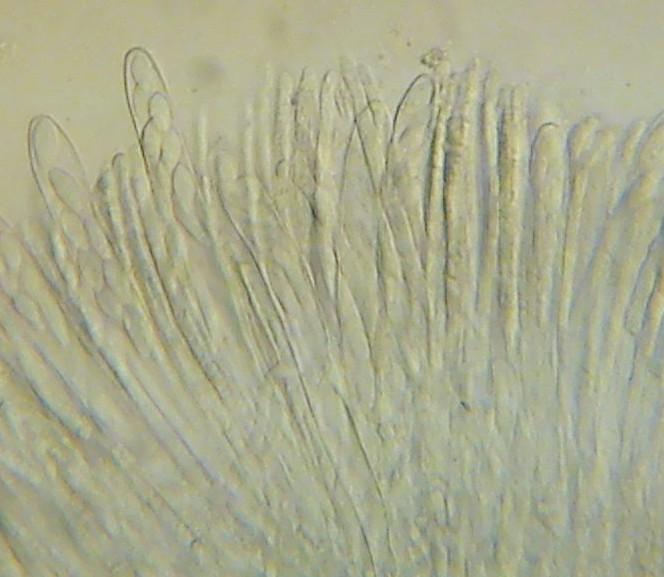
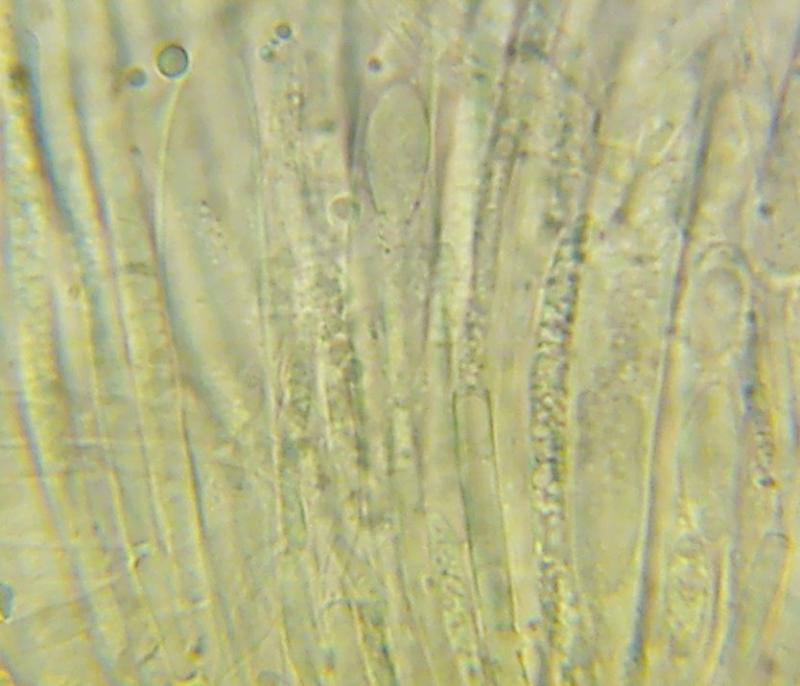
The content of paraffins is very weakly refracting light and tends to blend together. Ascus much longer than that of H. Imberbis. A few measured slightly exceeded 100 µm.
The only similar one that I could find in the literature is Phaeohelotium binucleatum. The problem is, I didn't capture the nucleic droplets in the photos. Some spores show something similar to them, but I'm not sure if it's them?
Anyway, I am posting photos hoping for your opinion.
Spores:
(9.5) 10.2 - 11.2 (12.2) × (3.7) 3.8 - 4.1 (4.3) µm
Q = (2.4) 2.7 - 2.8 ; N = 6
Me = 10.9 × 4 µm ; Qe = 2.7
Q = (2.4) 2.7 - 2.8 ; N = 6
Me = 10.9 × 4 µm ; Qe = 2.7
9.53 4.03
10.78 3.79
12.23 4.32
10.25 3.70
11.25 3.99
11.08 4.14
10.78 3.79
12.23 4.32
10.25 3.70
11.25 3.99
11.08 4.14
greetings
Mirek
Lothar Krieglsteiner,
14-10-2020 08:15

Re : Hymenoscyphus sp.
Hello Mirek,
without fully comparing the measurements (no time), I see some similiarities with Hymenoscyphus immutabilis.
Best, Lothar
without fully comparing the measurements (no time), I see some similiarities with Hymenoscyphus immutabilis.
Best, Lothar
Mirek Gryc,
14-10-2020 08:36
Re : Hymenoscyphus sp.
Hi Lothar
I didn't know this genre but it seems it will be this genre.
Many thanks
Mirek
I didn't know this genre but it seems it will be this genre.
Many thanks
Mirek
Hans-Otto Baral,
14-10-2020 10:20

Re : Hymenoscyphus sp.
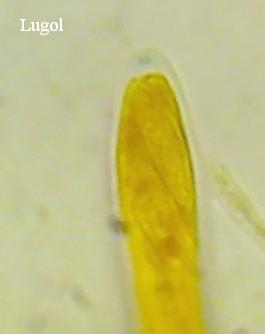
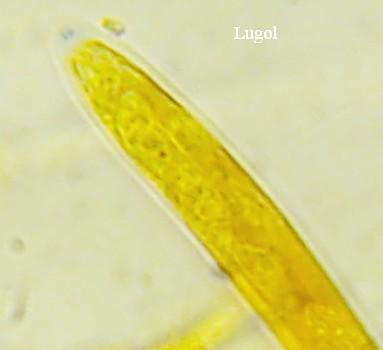
I agree. The apos are probably over 1 mm? H. immutabilis is comparatively large. The paraphysis content is perfect, not at all as refractive as in imberbis. But with IKI it causes a strong red reaction with extruding minute granules.
Mirek Gryc,
14-10-2020 10:26
Re : Hymenoscyphus sp.
Hi Zotto
The Ascomats were quite small, about 1mm, probably because, as I said, the fruiting bodies were not yet mature enough.
The contents of the paraphyses, exactly as you say :)
Thank you
Mirek
The Ascomats were quite small, about 1mm, probably because, as I said, the fruiting bodies were not yet mature enough.
The contents of the paraphyses, exactly as you say :)
Thank you
Mirek