
17-04-2026 19:16
 Enrique Rubio
Hi to everybodyI would appreciate any assistance r
14-04-2026 05:32
Ethan CrensonHi all, A few weeks back a friend pointed out som
17-04-2026 15:14
 Bruno Coué
Bonjour.Récoltes du 16/04/2026, sur feuilles mort
12-04-2026 15:52
Gernot FriebesHi,I'm looking for help with this anamorph collect
14-04-2026 21:52
Gernot FriebesHi,found on dead leaves of Carex elata. Conidia: 4
16-04-2026 22:09
Buckwheat PeteHello, I'd like to ask about this older specimen:
15-04-2026 19:33
Fátima Durán ManzanequeHi!! I need help, I found this Ascomycete but I d
14-04-2026 20:31
Gernot FriebesHi,can this be Psilachnum lateritioalbum on Phragm
12-04-2026 17:56
 Hardware Tony
Found on dead stems in February earlier this year
12-04-2026 12:22
 William Slosse
In a dune grassland in Oostduinkerke (Belgium), on
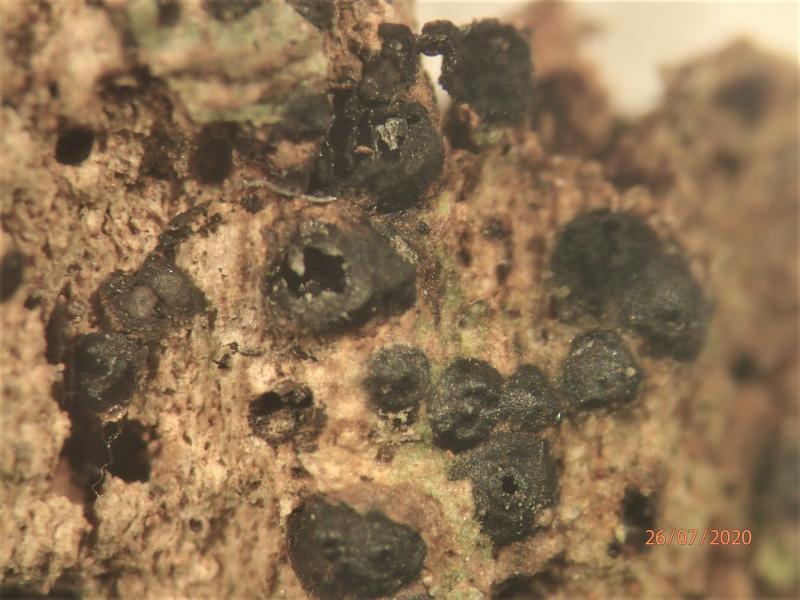
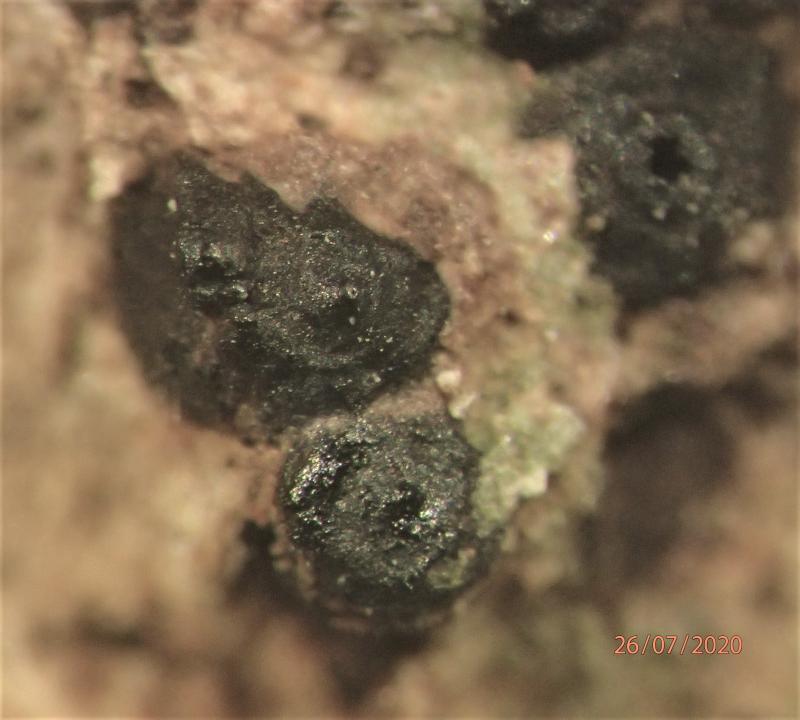
Uni- or bitunicate? On Ulmus glabra bark.
Edvin Johannesen,
26-07-2020 21:59

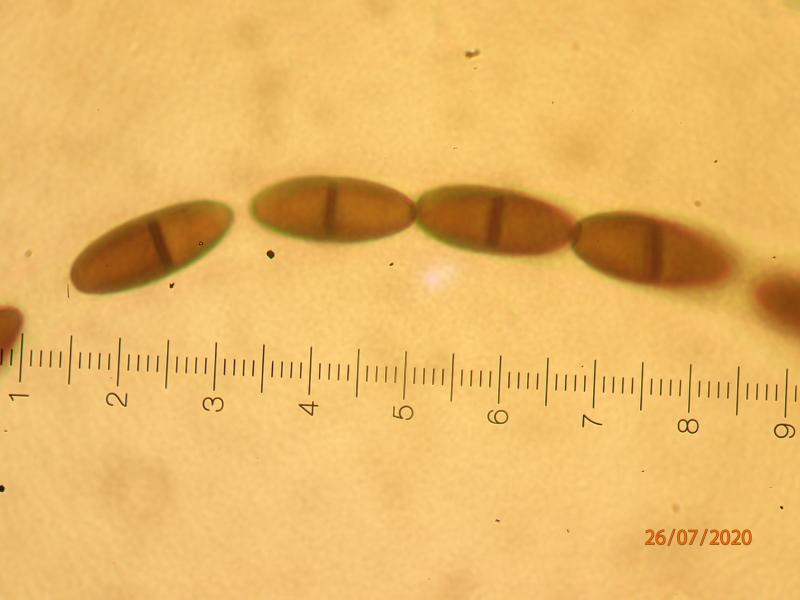
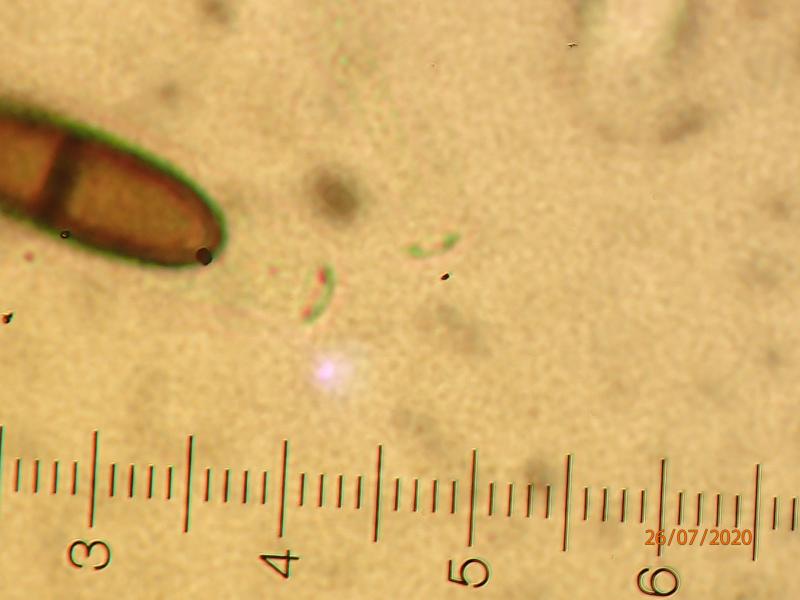
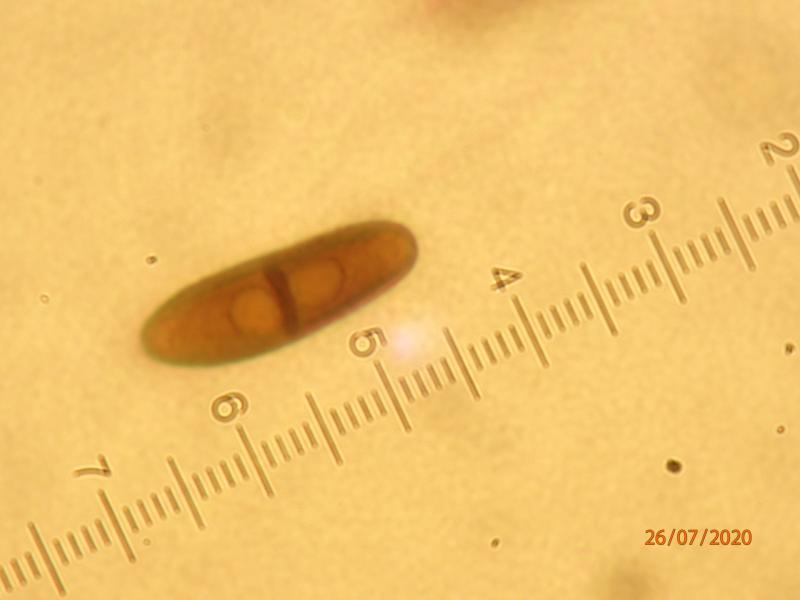
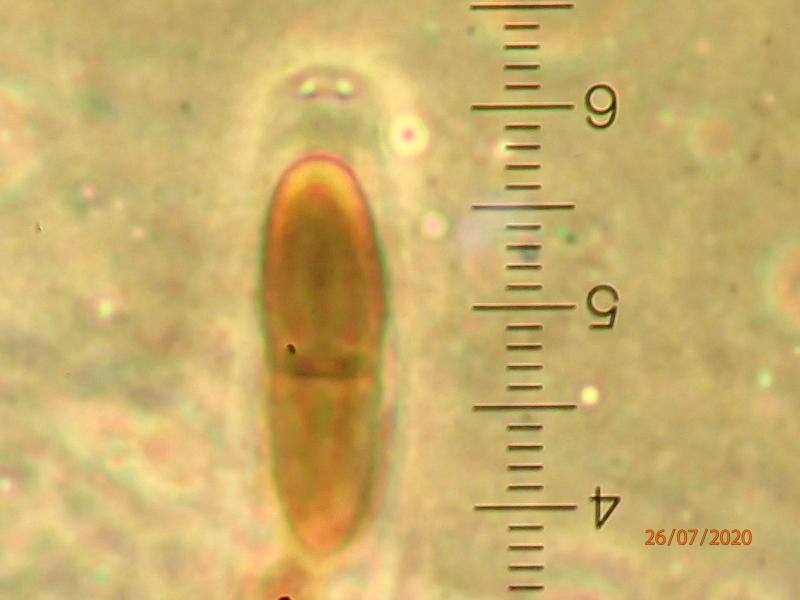
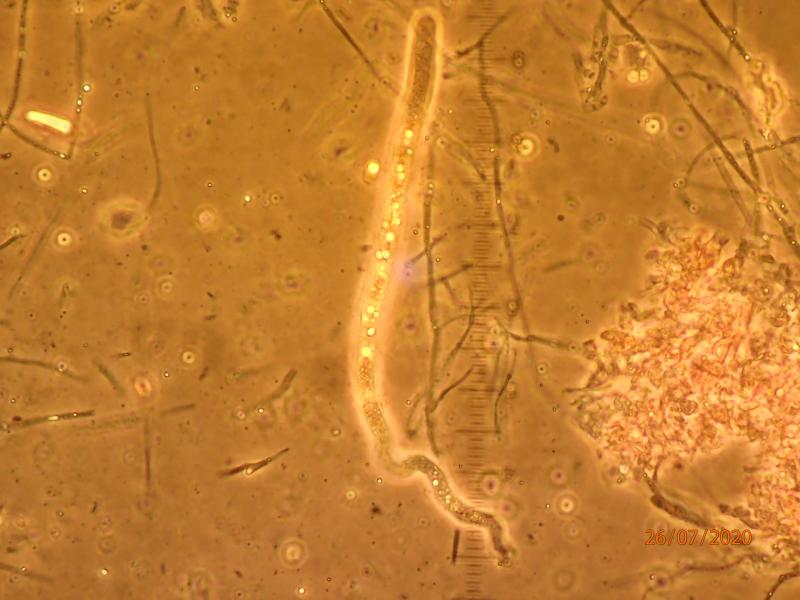
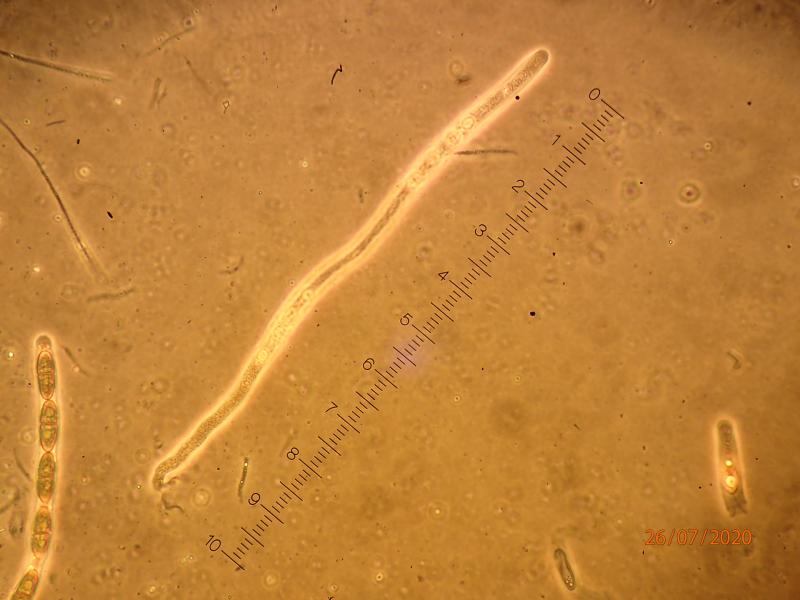
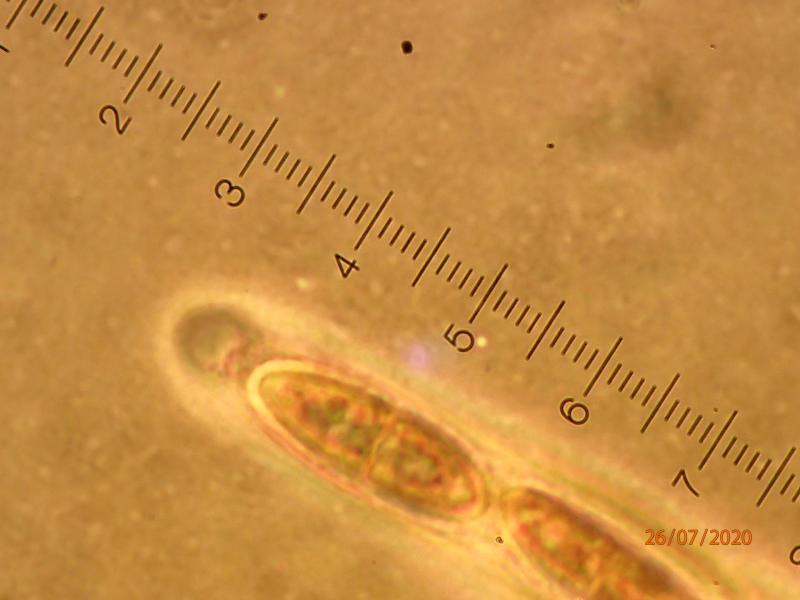
This one was growing on bark of an elm tree in Western Norway. The brown 1-septate spores measure 16-22 x 11-12 microns. Asci very long, ranging from 120-250 microns (7-10 thick). Apically thickened up to 5 microns. Ascus apparatus ring-shaped, staining blue in Lugol after KOH pre-treatment and water rinsing. I think I see a very faint striation on the spores, but impossible to photograph. Are we in Pleosporales or perhaps Amphisphaeriales? Asci too long and slim to be bi-tunicate? Can Pleosporales (e.g. Didymosphaeria) have IKI+ asci? Any suggestions?
Thanks.
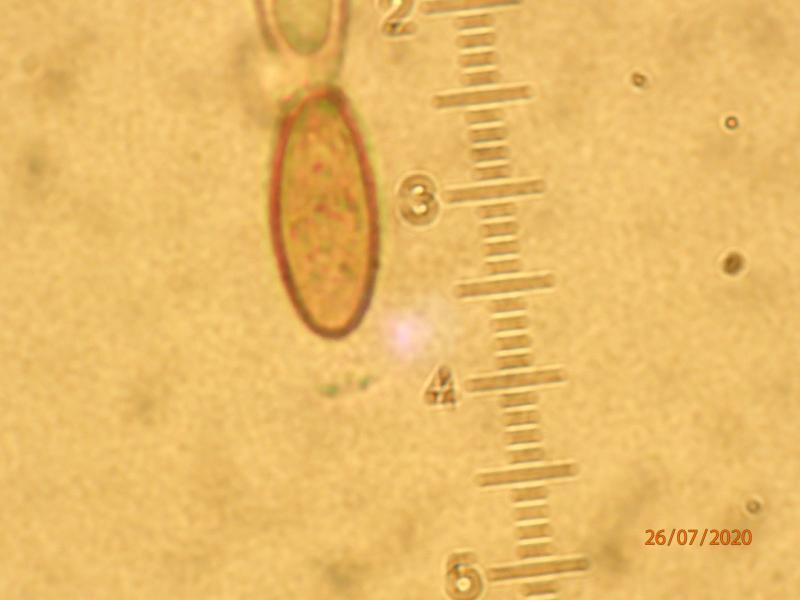
Edvin Johannesen,
26-07-2020 22:00
Re : Uni- or bitunicate? On Ulmus glabra bark.
Some more photos.
Edvin Johannesen,
27-07-2020 15:48
Re : Uni- or bitunicate? On Ulmus glabra bark.
Turns out to be Amphisphaeria umbrina. Thanks to Björn Nordén.