22-04-2026 20:17
 Marian Jagers
Is anyone familiar with the Hyphomycetes genus Pse
22-04-2026 20:54
 Enrique Rubio
Hi to everybody.This Pyrenopeziza grew in moist le
22-04-2026 01:06
 Richard VALERI
Bonjour à tous.Je vous présente cette Nectria s.
21-04-2026 13:36
Gernot FriebesHi,I am out of ideas for this one. I collected Sal
21-04-2026 13:19
Gernot FriebesHi,this Lophodermium on Typha has ascospores measu
21-04-2026 13:05
Gernot FriebesHi,this hyphomycete feels familiar but I was not a
20-04-2026 22:00
 Malcolm Greaves
These pale yellow, hairy ascos were growing on cul

Bonjour,
Je me souviens de la phrase : Namen sind halt Schall und Rauch répondant à la question d'Elisabeth dans http://www.ascofrance.fr/search_forum/55278 ...
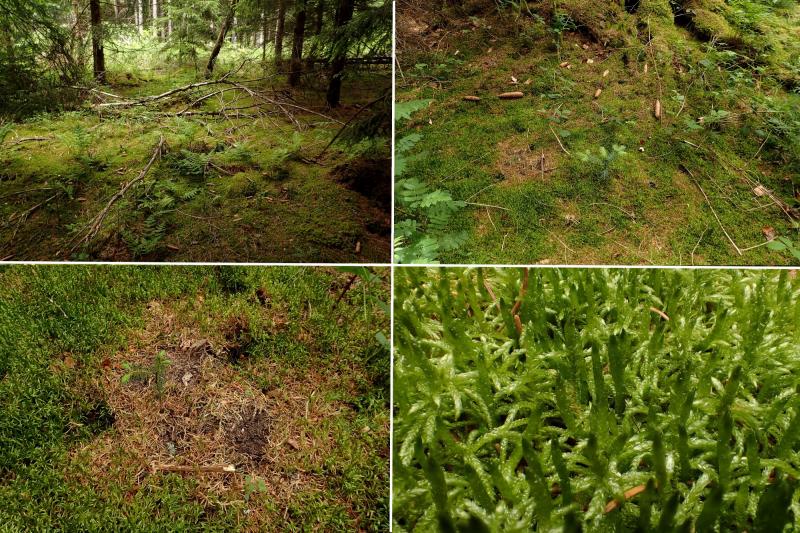
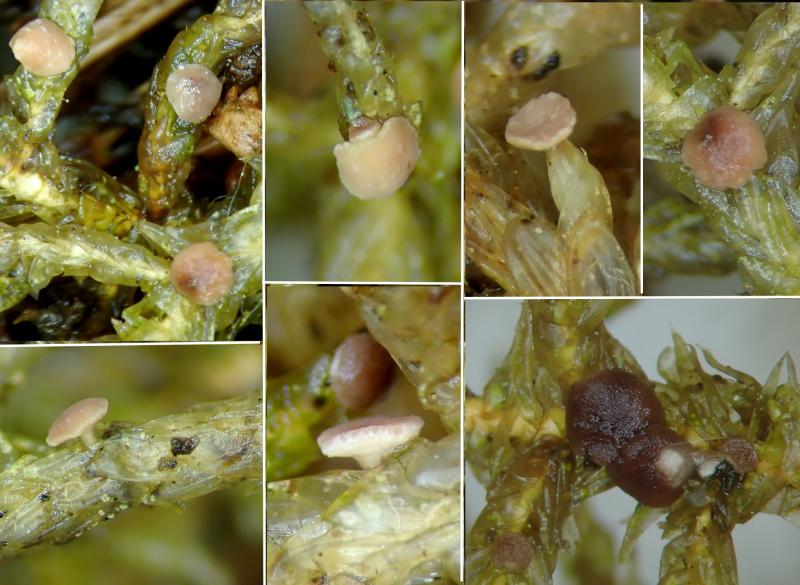
Voici une nouvelle récolte de cette belle espèce , sur la mousse déterminée par Christian Hurtado comme Pleuroscleropodium purum.
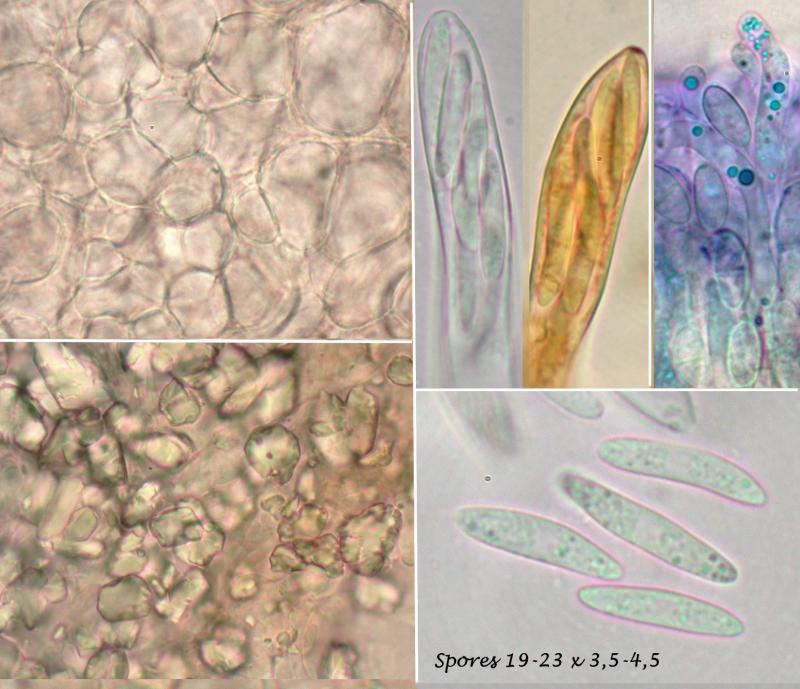
Asques 80-1000 x 9-10 , H-, IKI R, Calycina-type. Spores 17-20 (23) x 3,5-4 Paraphyses x 3-4,5 with round VBs inly conspicuous in CRB, often forked. Extal globulosa , crystals ++.
I agree with a placement outside Bryoscyphus , including for morphological reasons . I did not clearly understand from former discussions on Ascofrance whether sequences have benn actually compared with Arachno scypha/peziza species.
Amitiés
Michel