
17-04-2026 19:16
 Enrique Rubio
Hi to everybodyI would appreciate any assistance r
14-04-2026 05:32
Ethan CrensonHi all, A few weeks back a friend pointed out som
17-04-2026 15:14
 Bruno Coué
Bonjour.Récoltes du 16/04/2026, sur feuilles mort
12-04-2026 15:52
Gernot FriebesHi,I'm looking for help with this anamorph collect
14-04-2026 21:52
Gernot FriebesHi,found on dead leaves of Carex elata. Conidia: 4
16-04-2026 22:09
Buckwheat PeteHello, I'd like to ask about this older specimen:
15-04-2026 19:33
Fátima Durán ManzanequeHi!! I need help, I found this Ascomycete but I d
14-04-2026 20:31
Gernot FriebesHi,can this be Psilachnum lateritioalbum on Phragm
12-04-2026 17:56
 Hardware Tony
Found on dead stems in February earlier this year
12-04-2026 12:22
 William Slosse
In a dune grassland in Oostduinkerke (Belgium), on
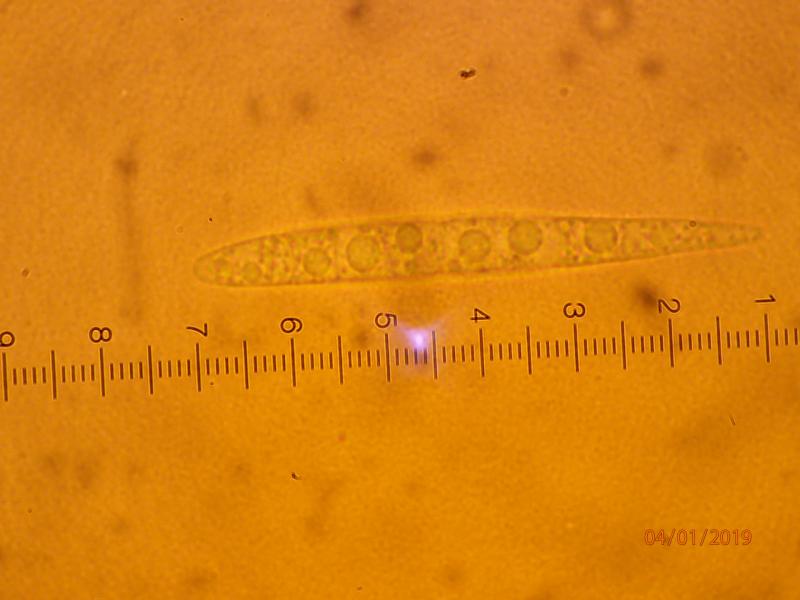
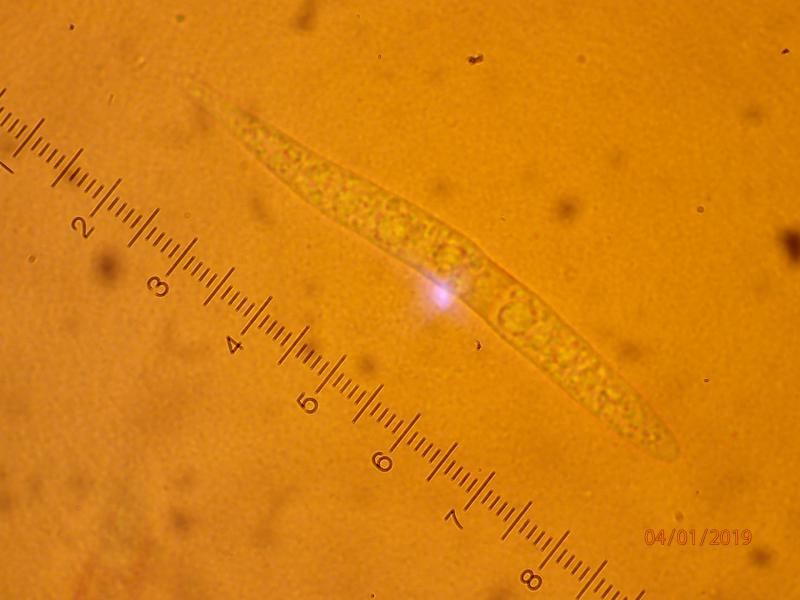
 These orange "jelly"-like apothecia grow at the apex of the moss Ulota crispa. Spores measure 60-70 x 11 microns. Multiseptate. Multiguttulate. Any suggestion?
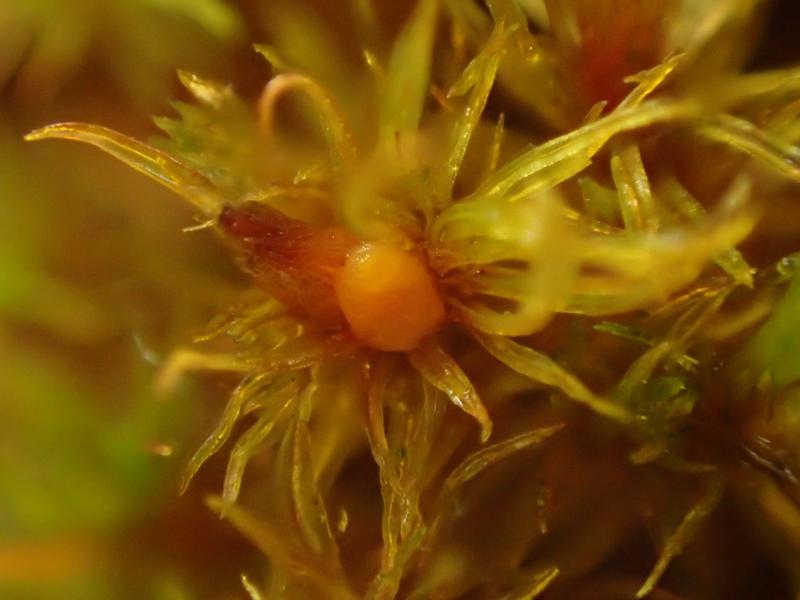
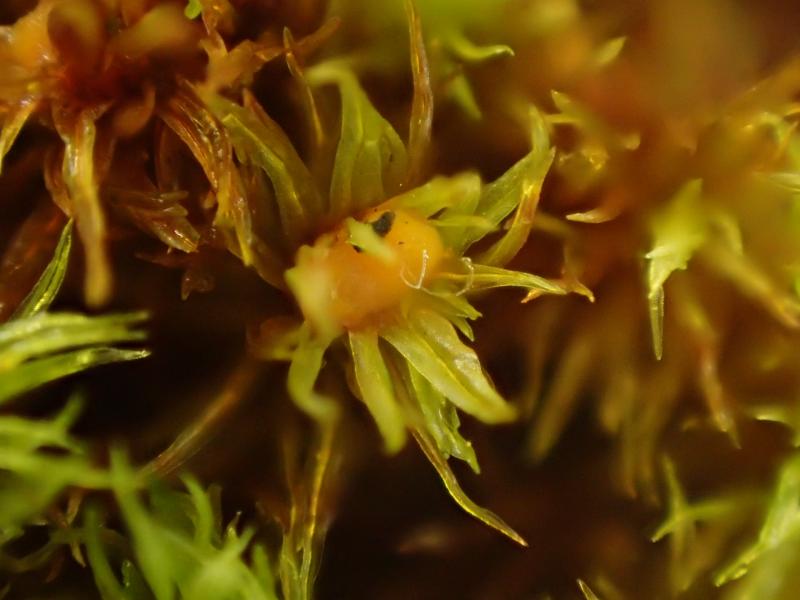
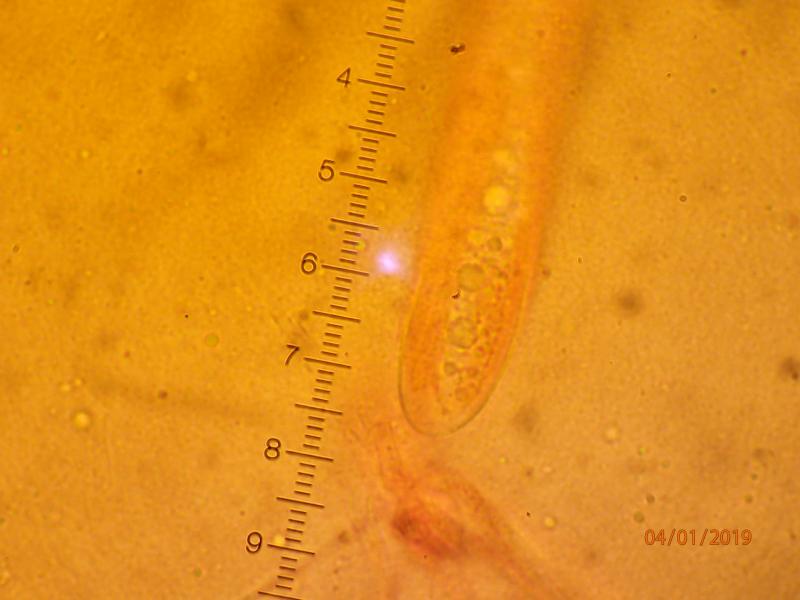
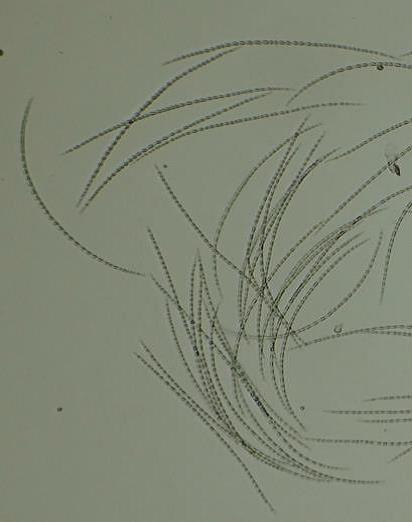
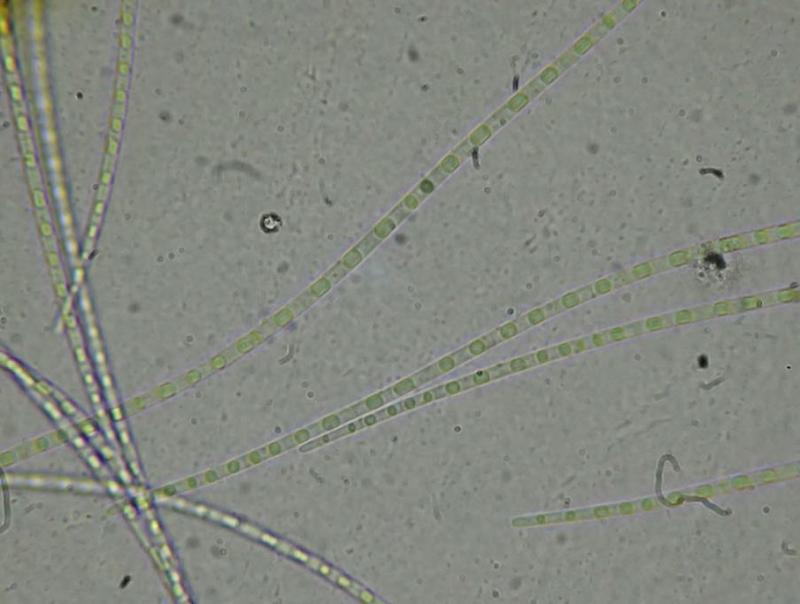

Hello Edvin,
whatever this is - no apothecia.
Oddly enough: there is no Octospora known from Ulota by now (as far as I know).
Best regards, Lothar

Sorry, I was too fast - and did not see the foto of the ascus first - and thought the second fotos (the very long spores, which more likely are conidia) would be the spores of the fungus.
So - this could be apothecia. Maybe of a species of Octosporella or something similar.
Best, Lothar
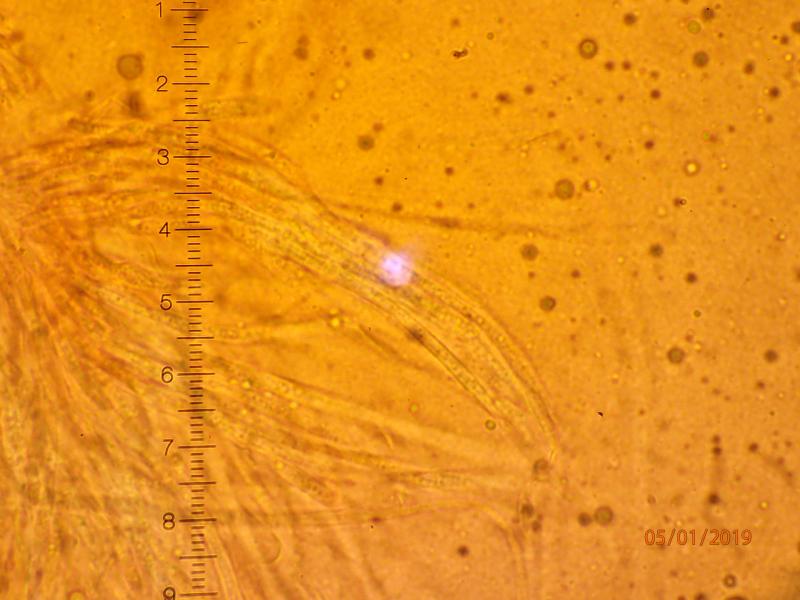
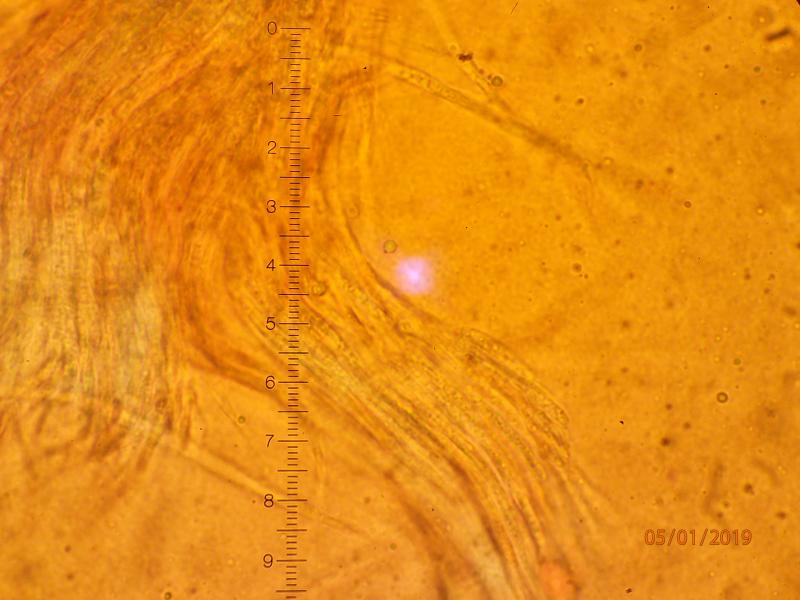
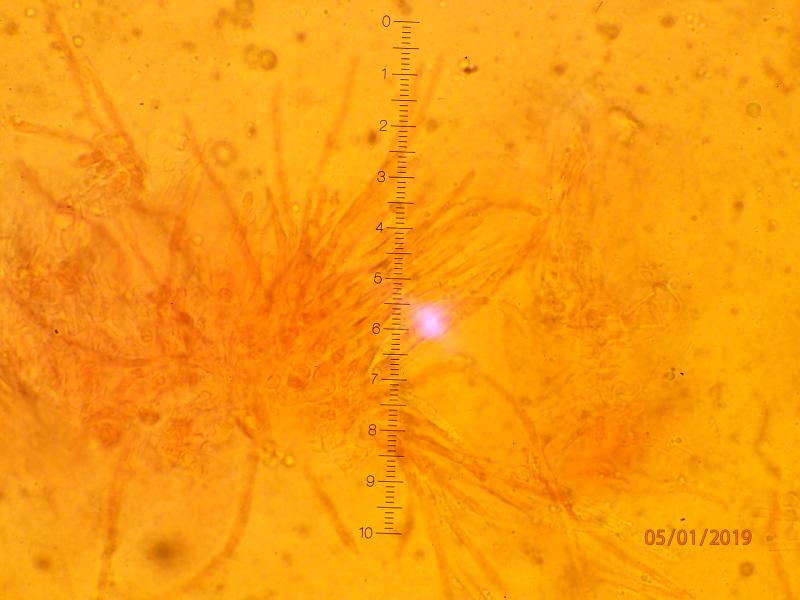
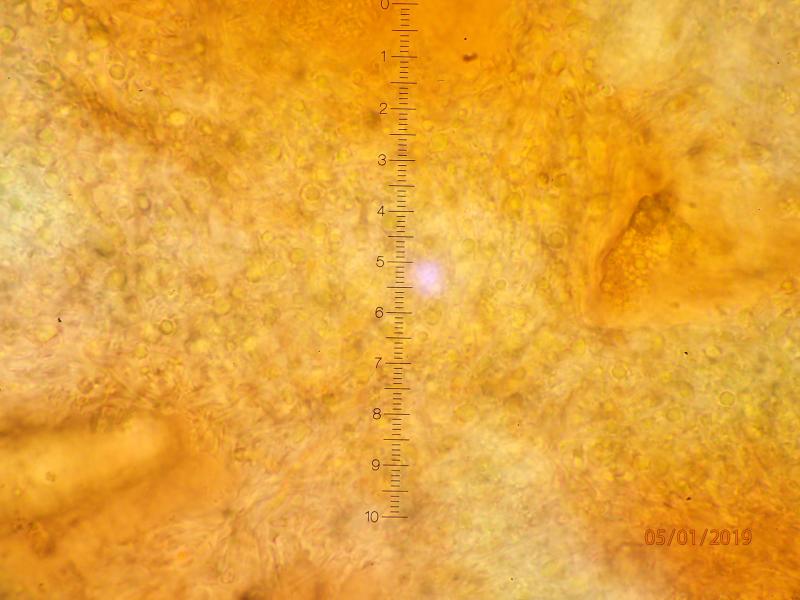
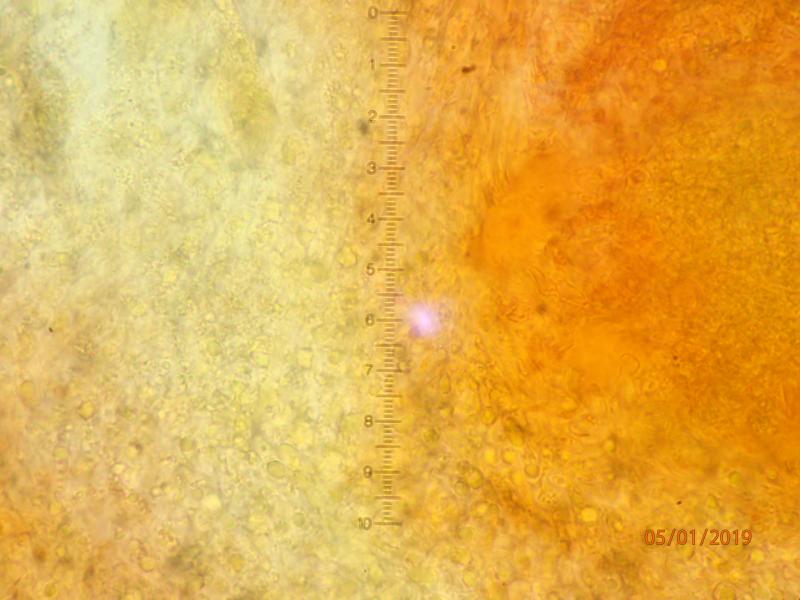
Best
Björn
I also do not believe in a myxo - if there is a bet between you I go with Edvin.
Best, Lothar


I wonder if this collection could be related to Belonium coroniforme (in Zotto's folder under Belonioscyphella here: https://drive.google.com/drive/u/0/folders/0B5SeyOEkxxZhaG11dlBYTDZtREk ). The spore shape and contents and apothecium structure look similar to me, however spore size is different and no septa there.
Viktorie
"Helotiales, 18.V.2012-4k, ectexc.jpg" ectexc fide Raul
"Helotiales, 18.V.2012-4l2, ectexc.jpg" ectexc?"
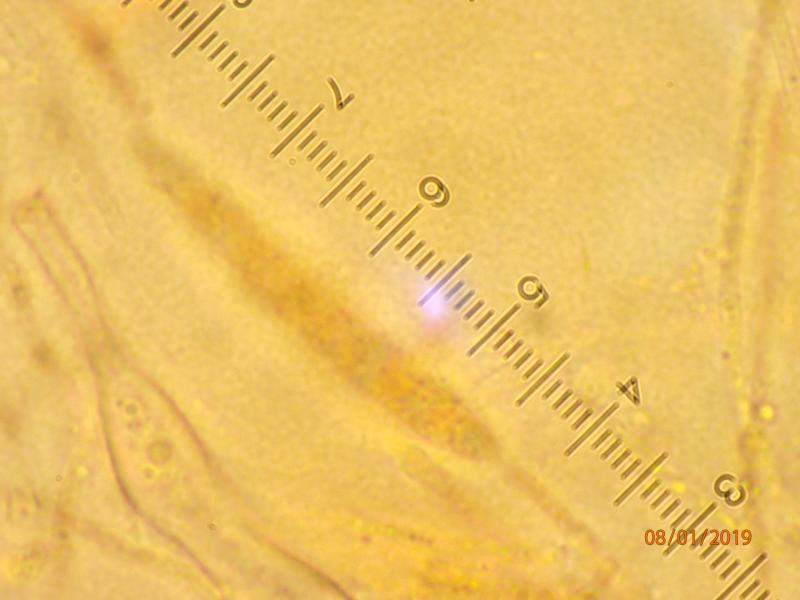
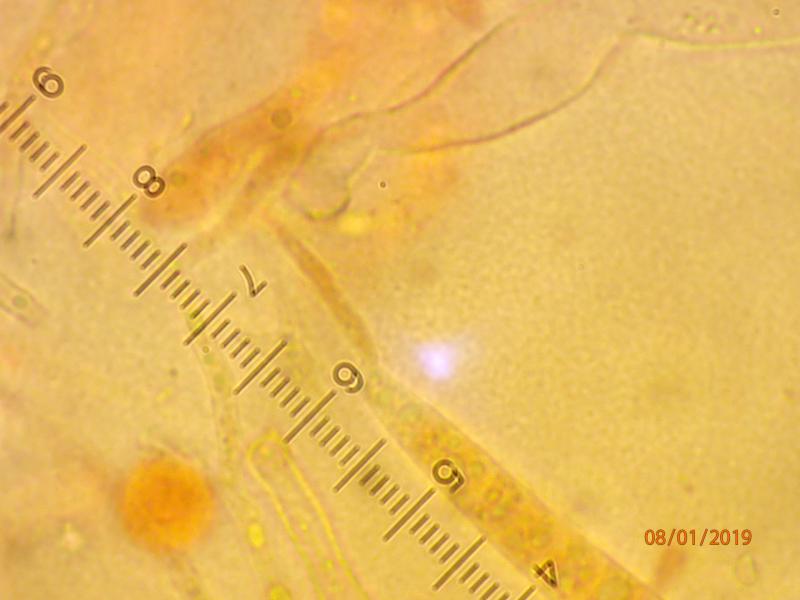
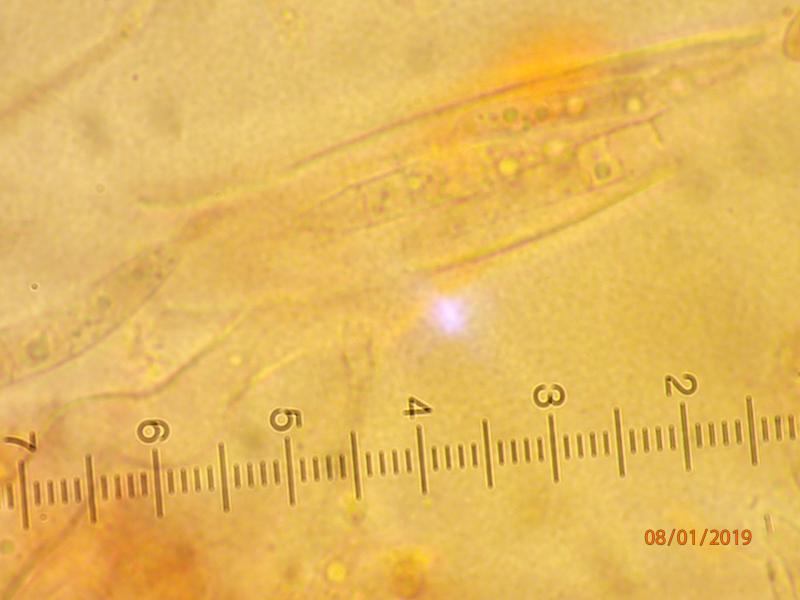
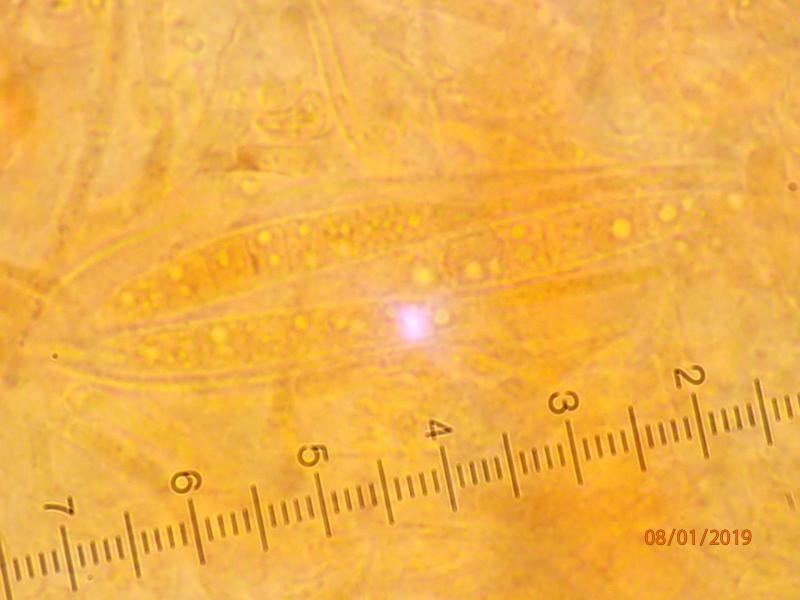
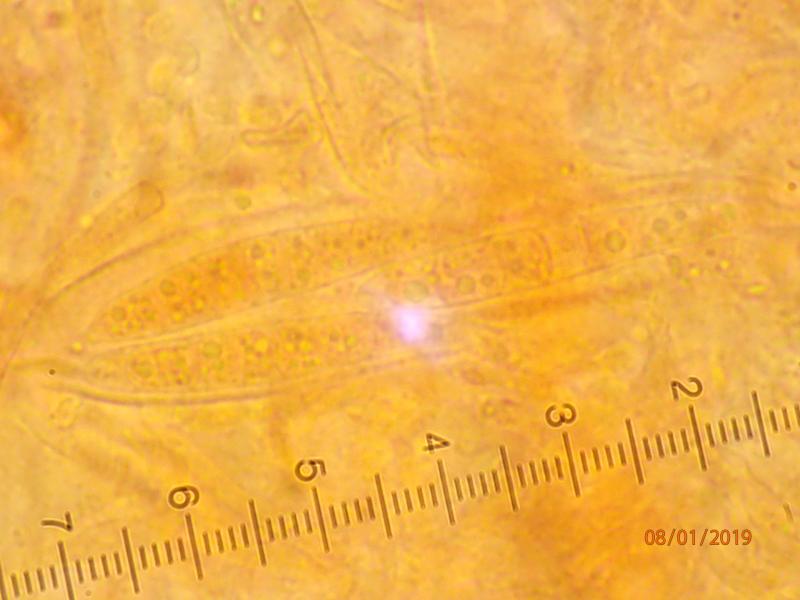
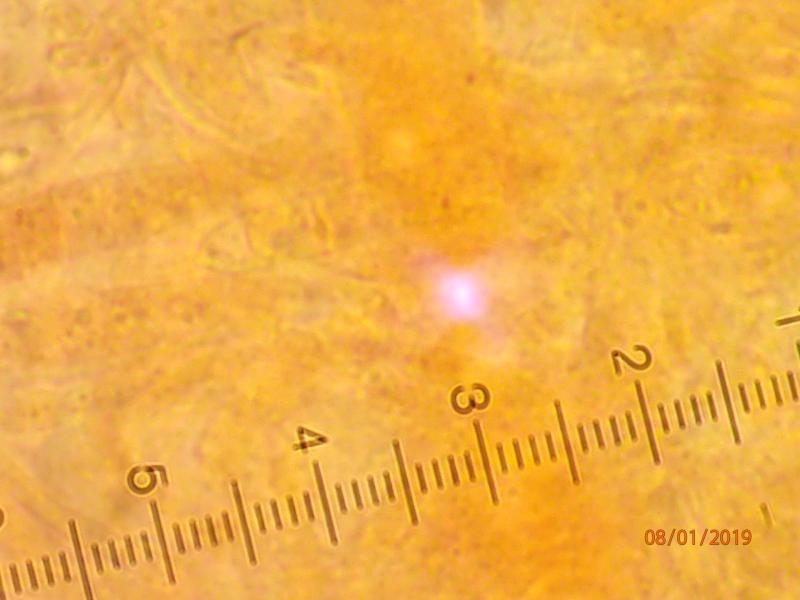
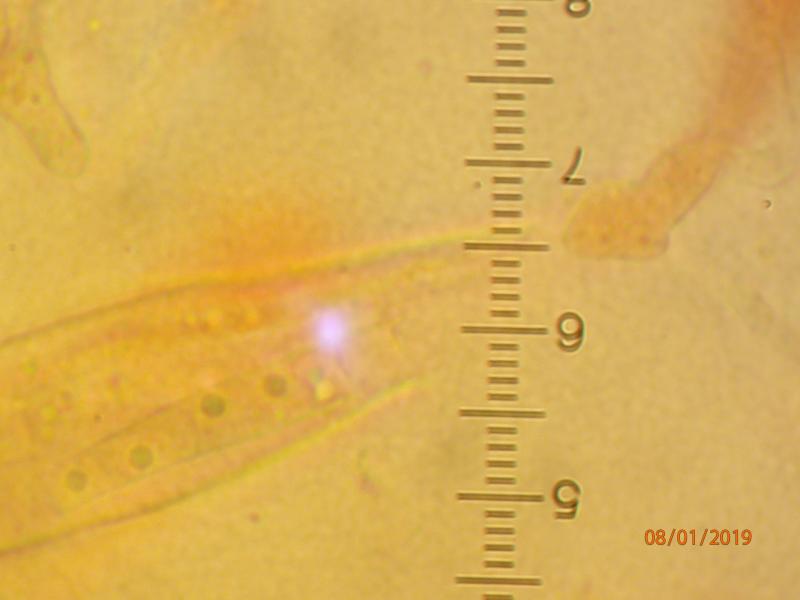
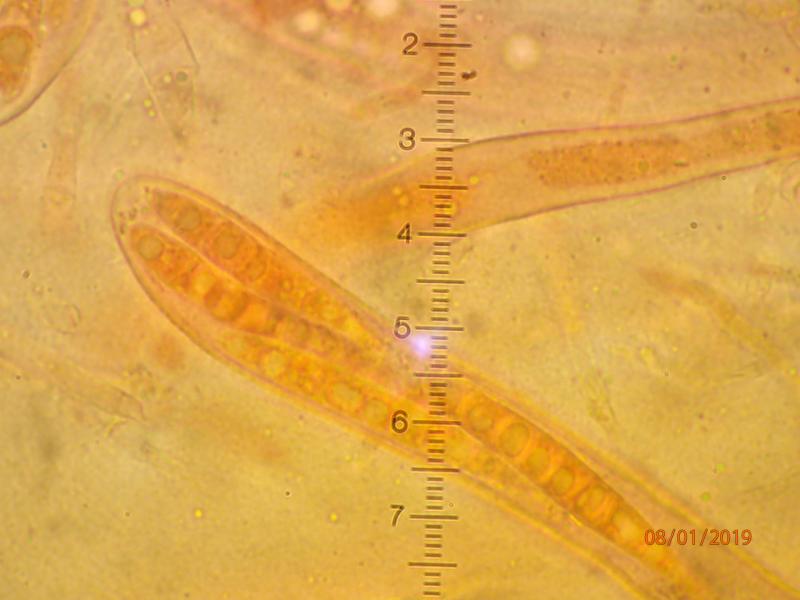
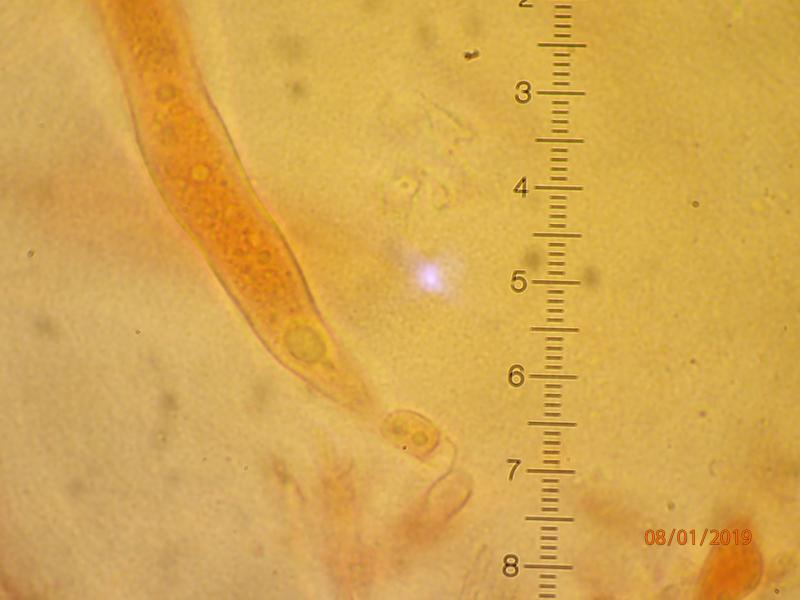
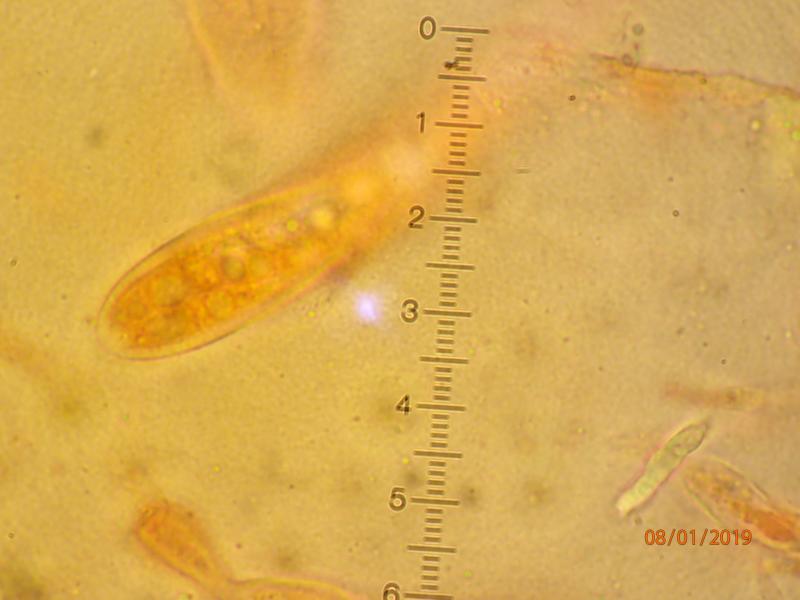
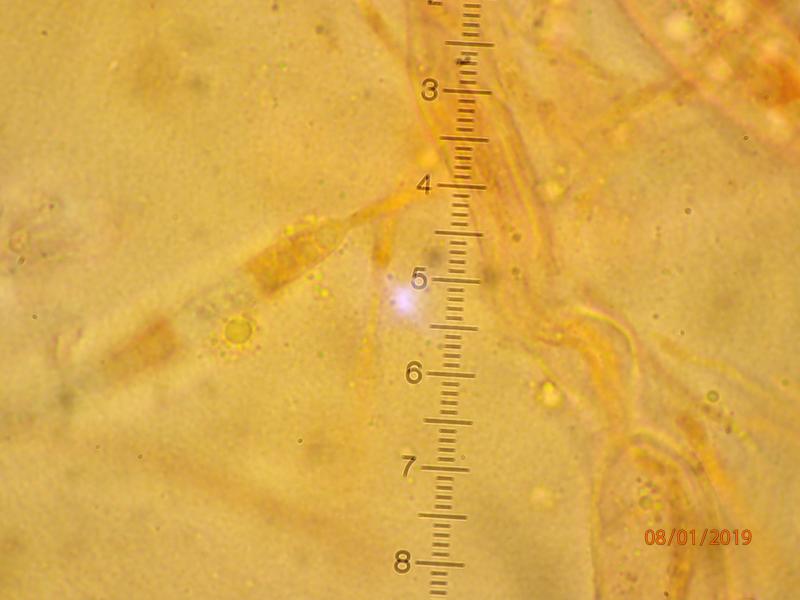
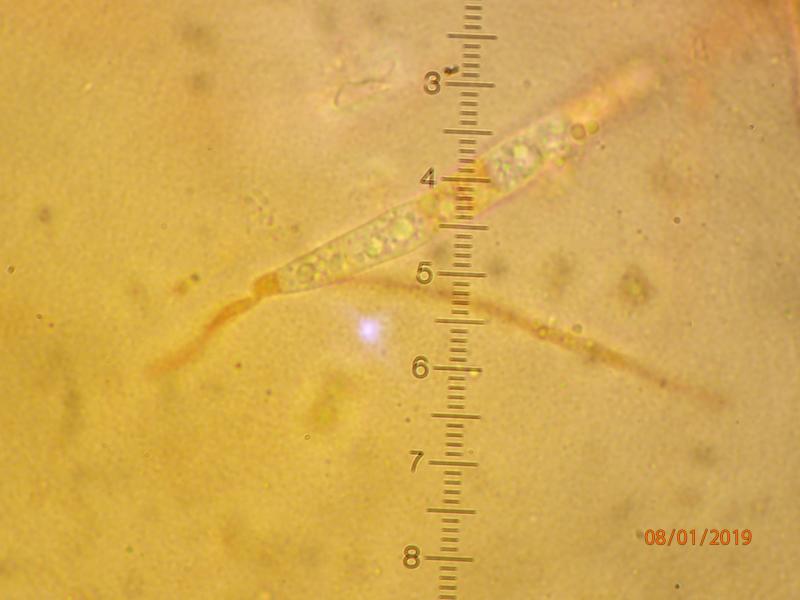
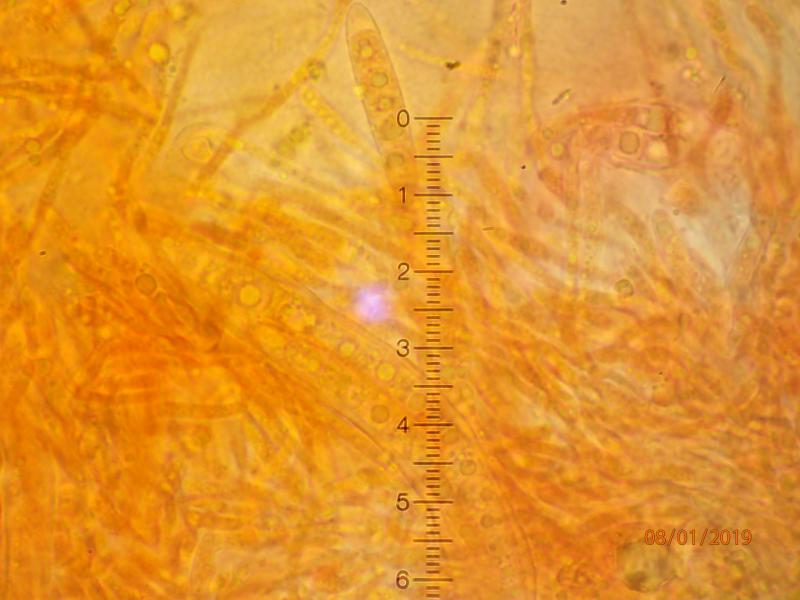
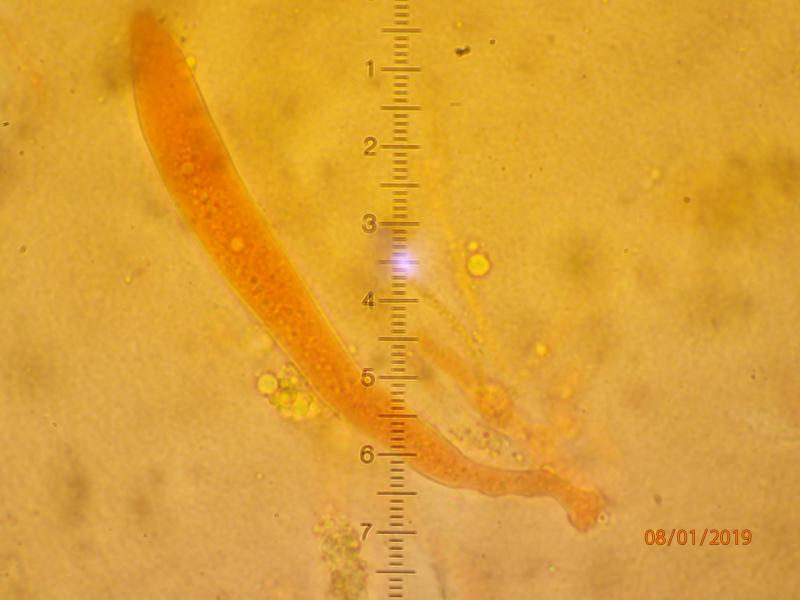
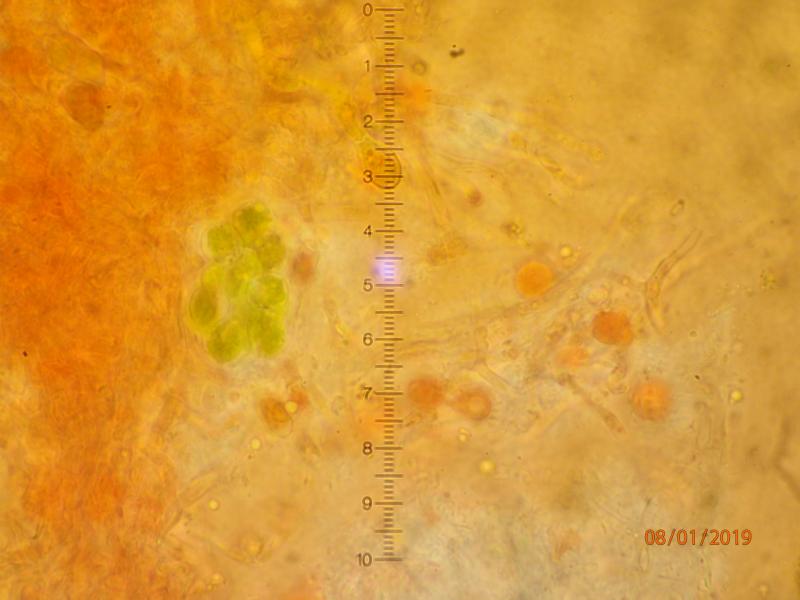
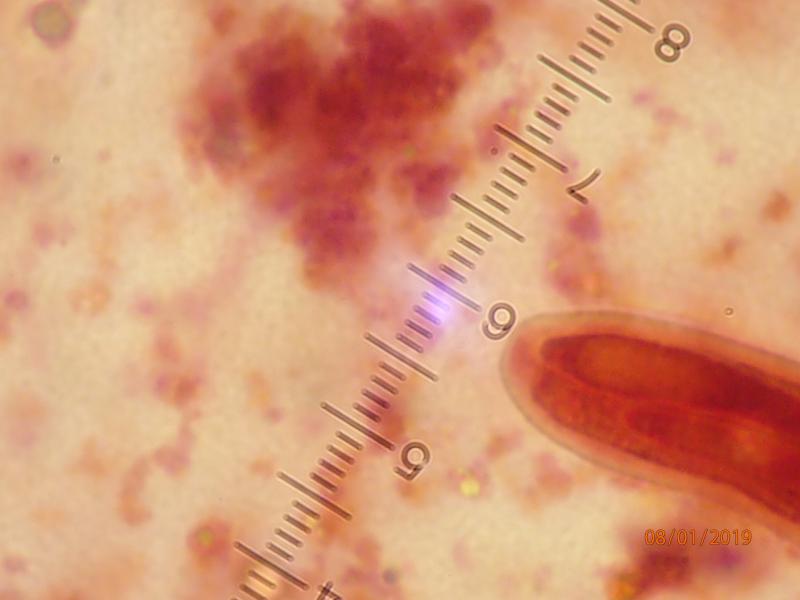
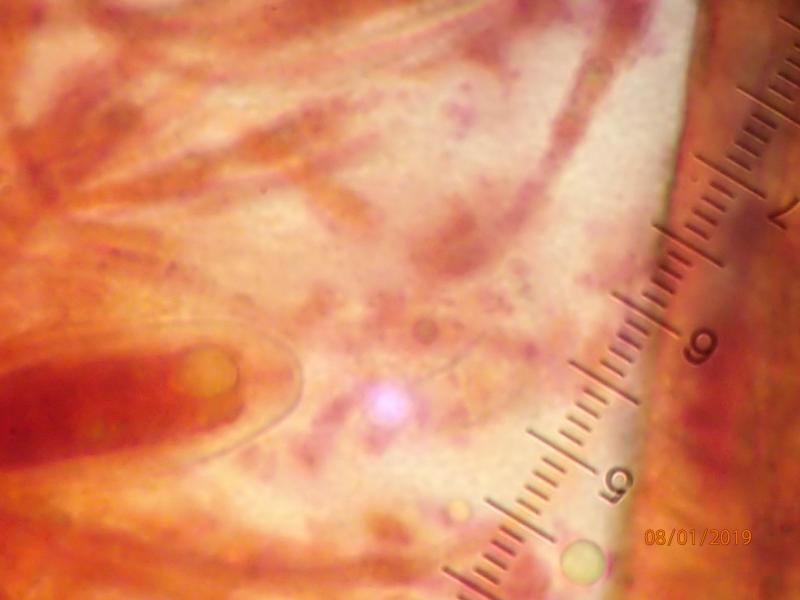
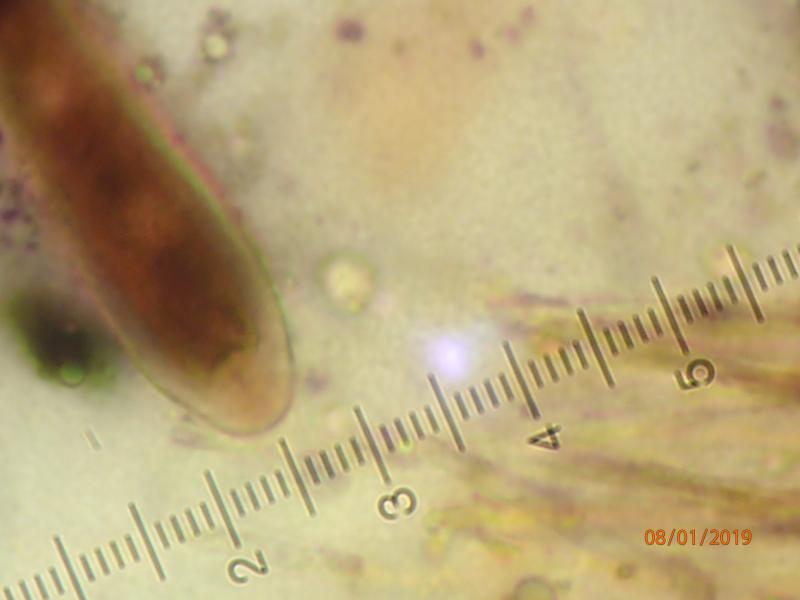
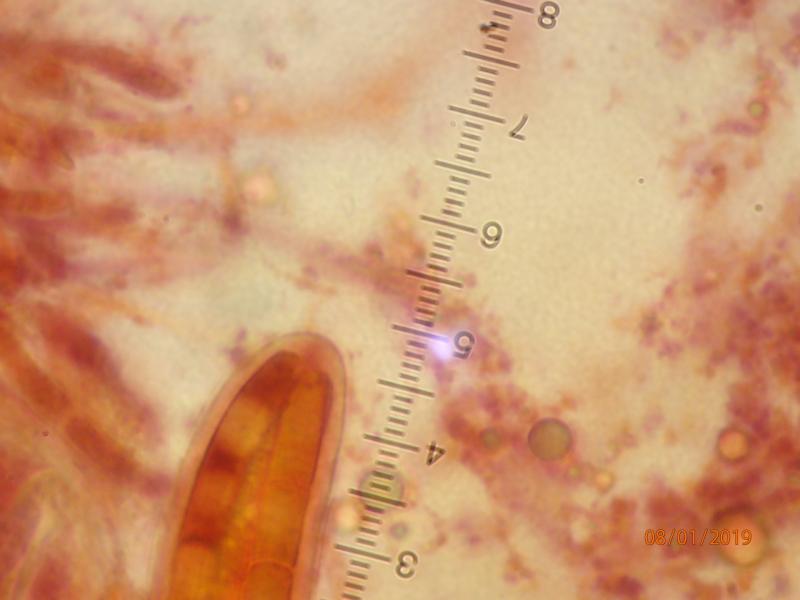
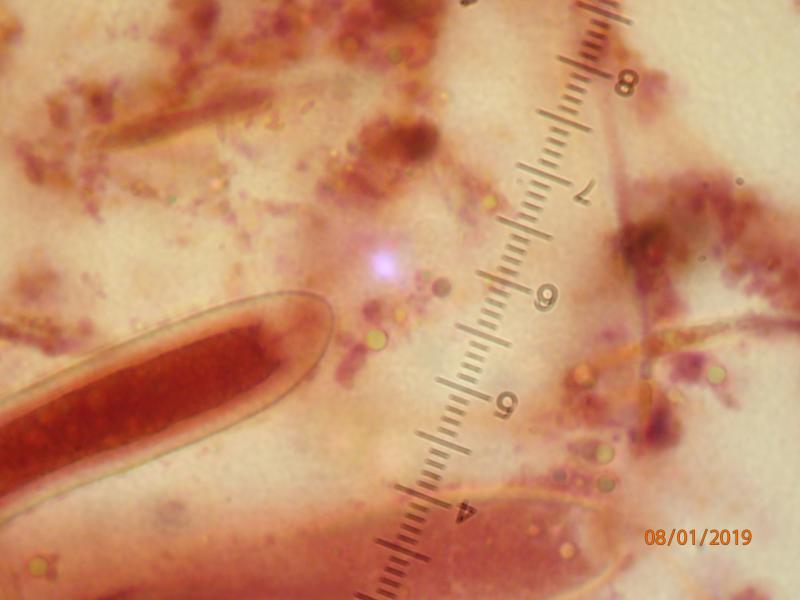
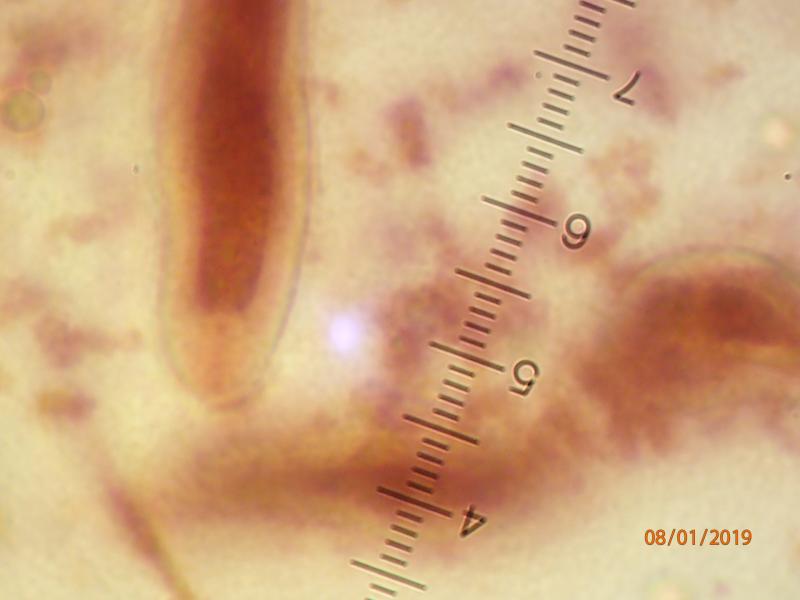
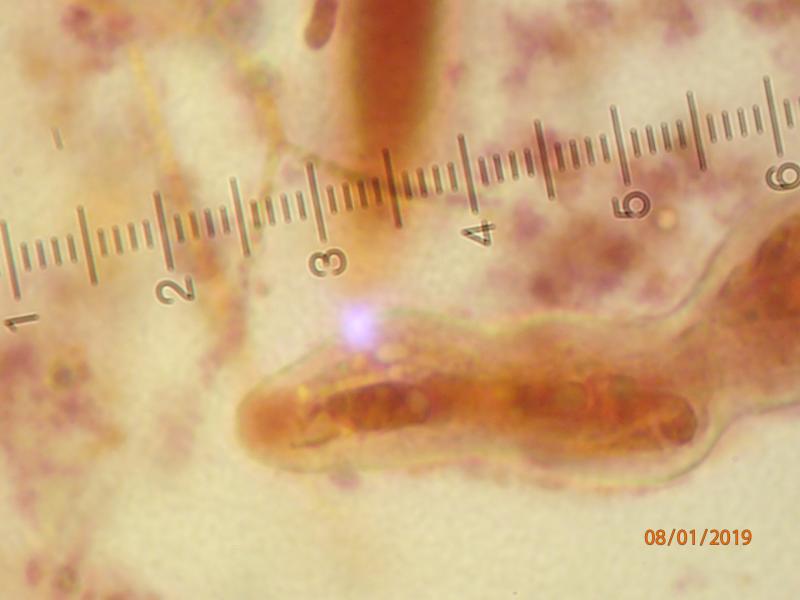
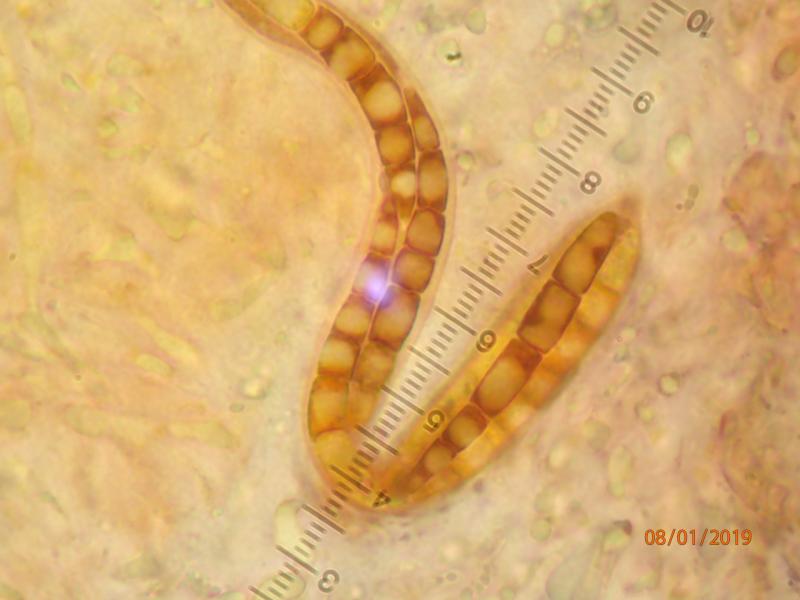
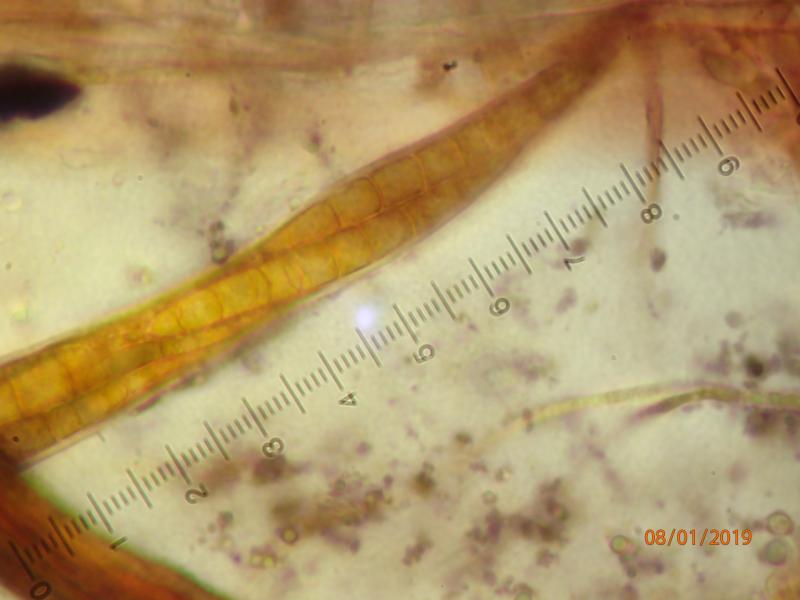
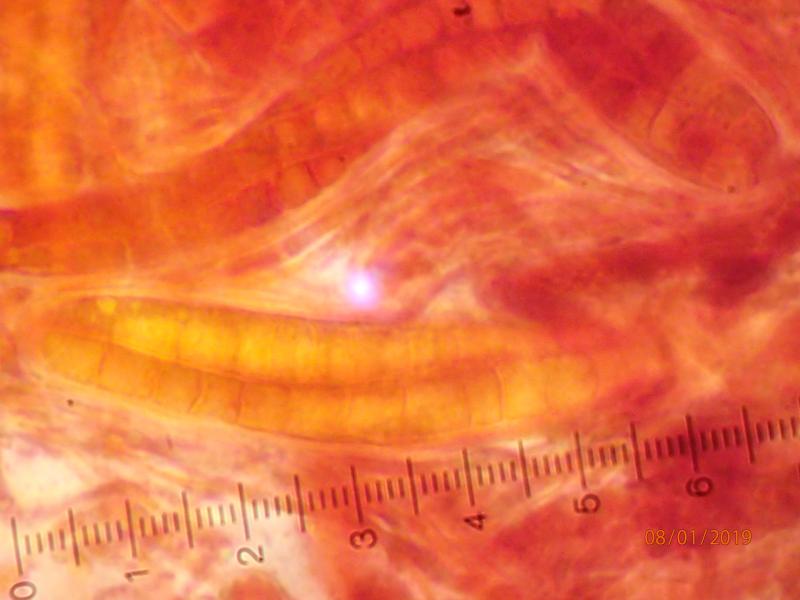
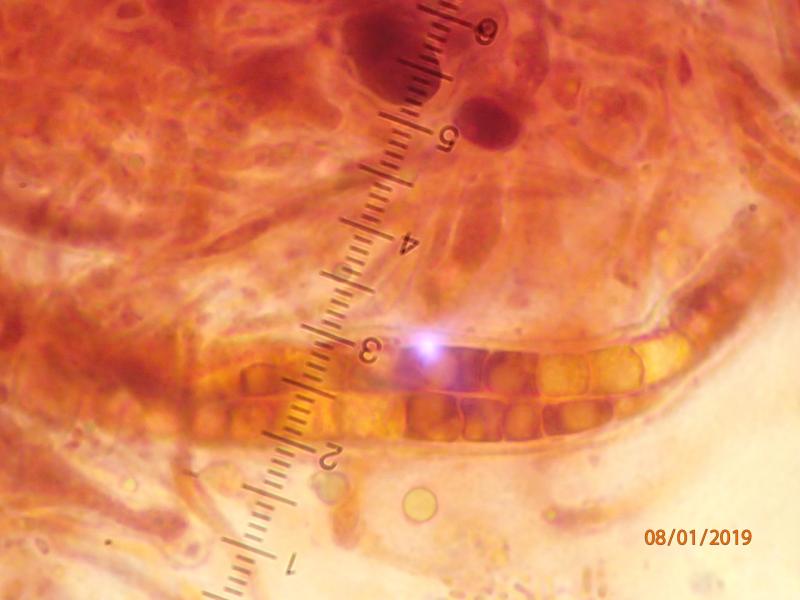
For the iodine reaction I think one ascus shows the red very well. Interesting would be to try a KOH-pretreatment. The Congo might disturb a bit the test, mut mot much. After adding 2-5% KOH for some seconds and removal of the KOH with water, add again IKI or MLZ and, apart from the blue apical ring you should see a distinctly light blue hymenium as figured by Raul.
Indeed Rehm's remark of inamyloid asci is surprising because he used IKI, not MLZ, which was not in use at that time, and he described the red (hemiamyloid) reaction as violet when he saw it.
A DNA result would be great of course.
Zotto
is it possible to access that google disc resource for anyone, or is it restricted?
best
Björn
do you get a problem when clicking on the link?
You can also try via my homepage, but maybe the same will happen.
www.in-vivo-veritas.de
Martin, the type label is interesting, I am surprised to see large globose oil drops which look like in a living spore! In Raul's photos I only see many small droplets. These large drops Rehm did not mention, instead he described the dead spores with their obvious septa.
Zottto
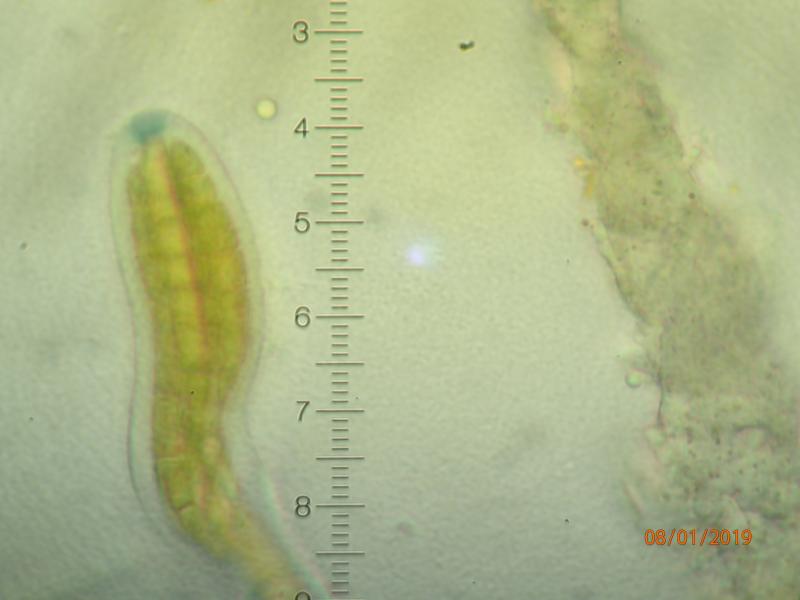
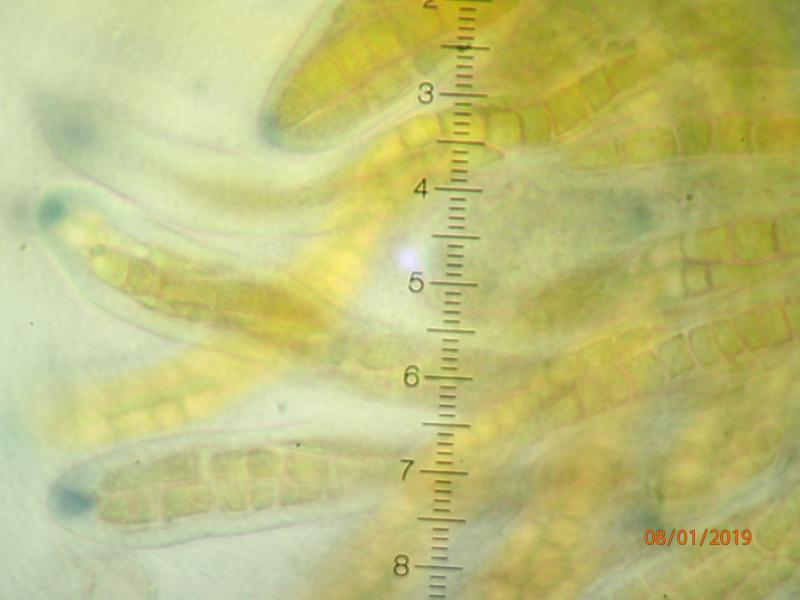
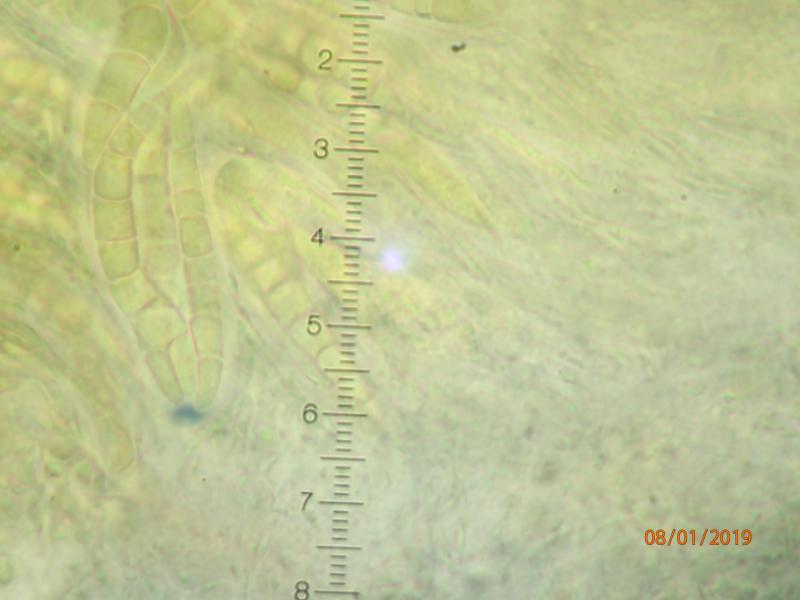
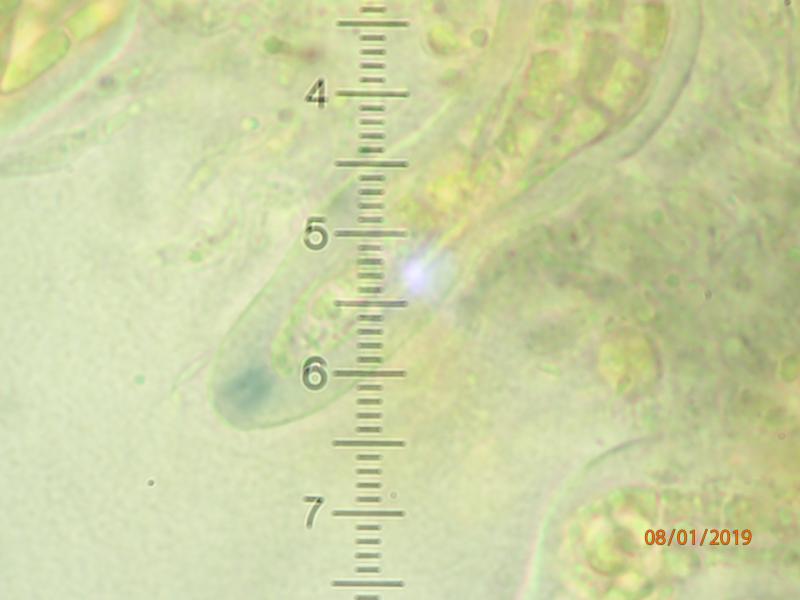
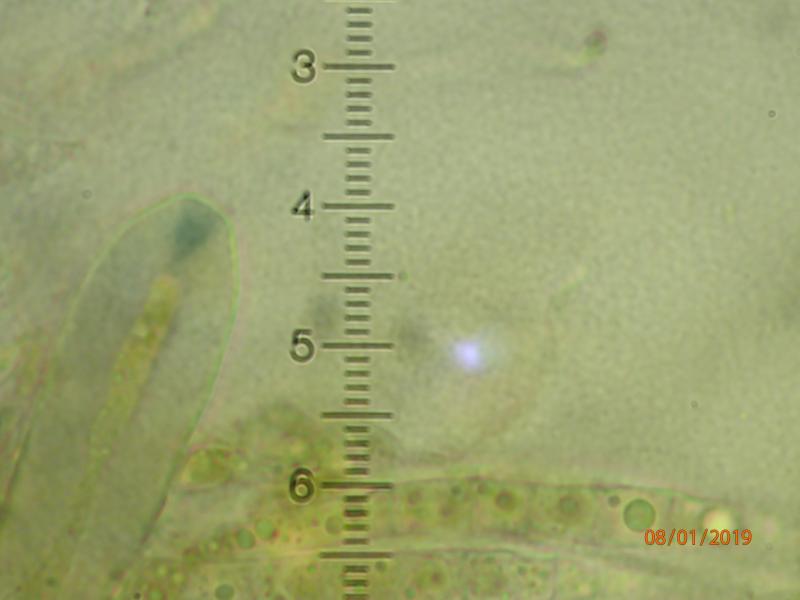
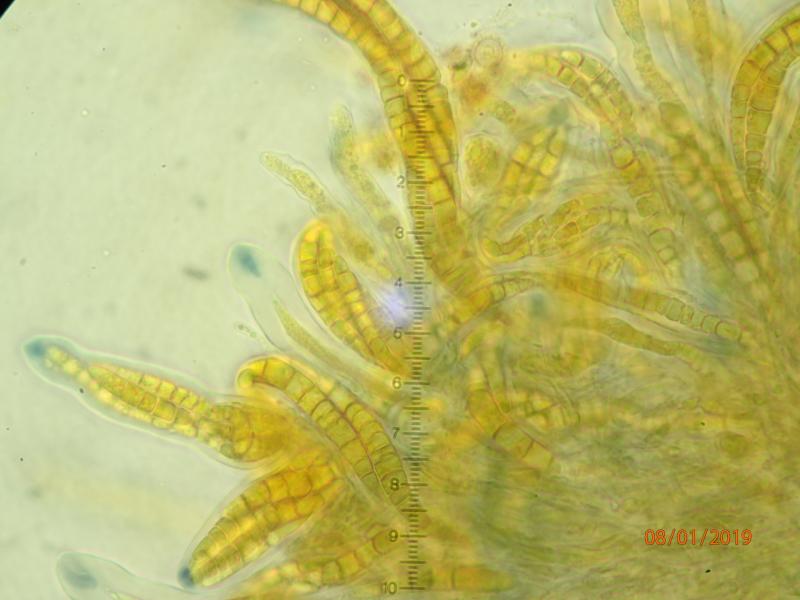
But now I realized in your living spore the large drops just as Rehm had drawn them!

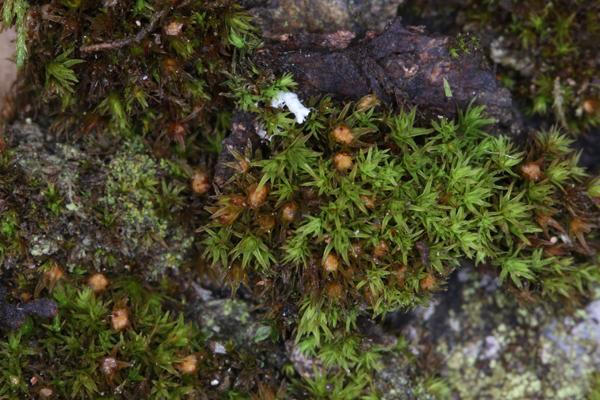
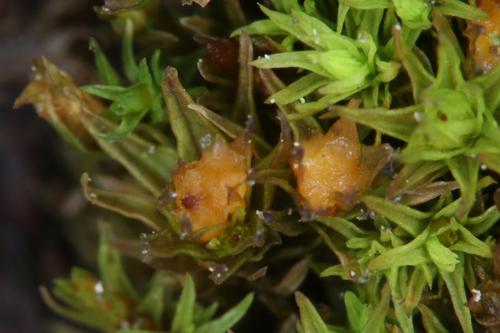
Belonioscyphella hypnorum is very difficult to put in a family. There is ITS, LSU and Ef1 in GenBank by Z. Egertova. Zuzana, did you compare your LSU? What is next in Blast?
Zotto
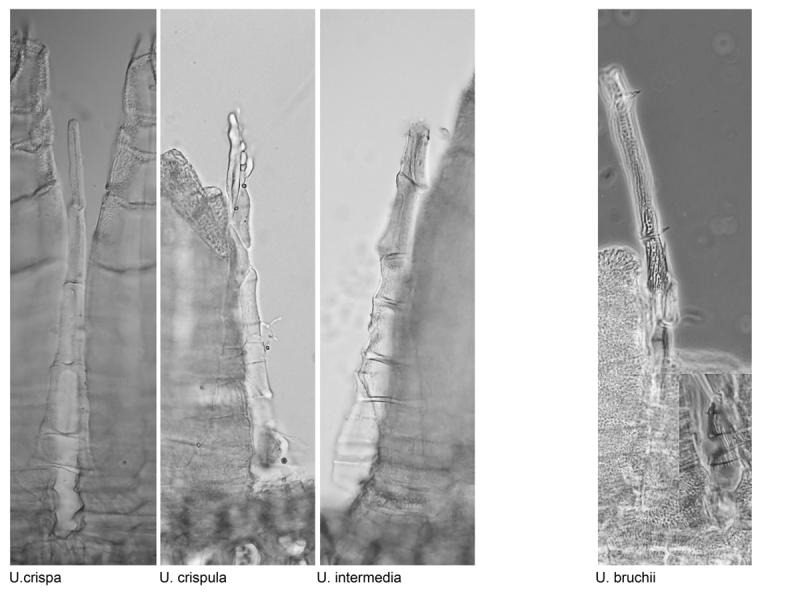
ich bin neu hier im Forum. Im speziellen intressiert mich die Diskussion um B. coroniforme und um seine Trägermoose. Darf ich fragen: Auf Grund welcher relevanten Merkmale wurde diese Probe als Ulota crispa bestimmt? Lagen gut ausgebildete Sporophyten vor?
Besten Dank!
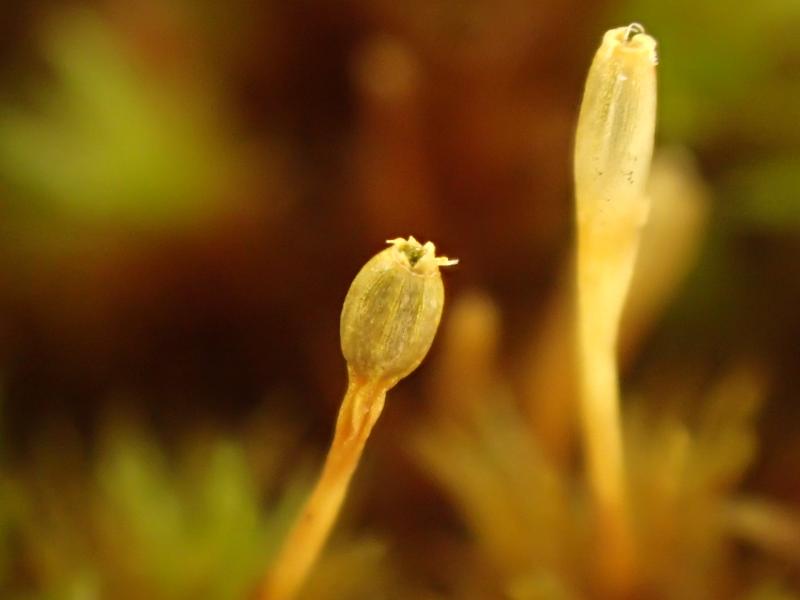
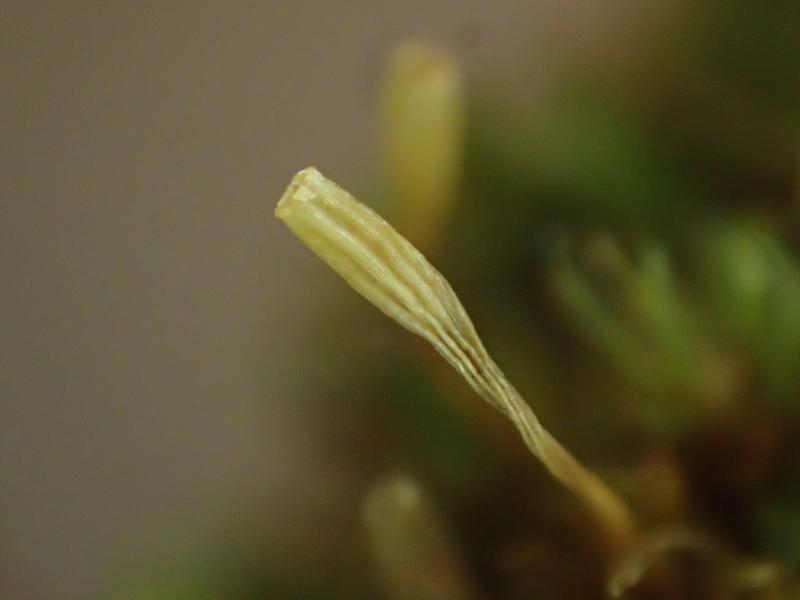
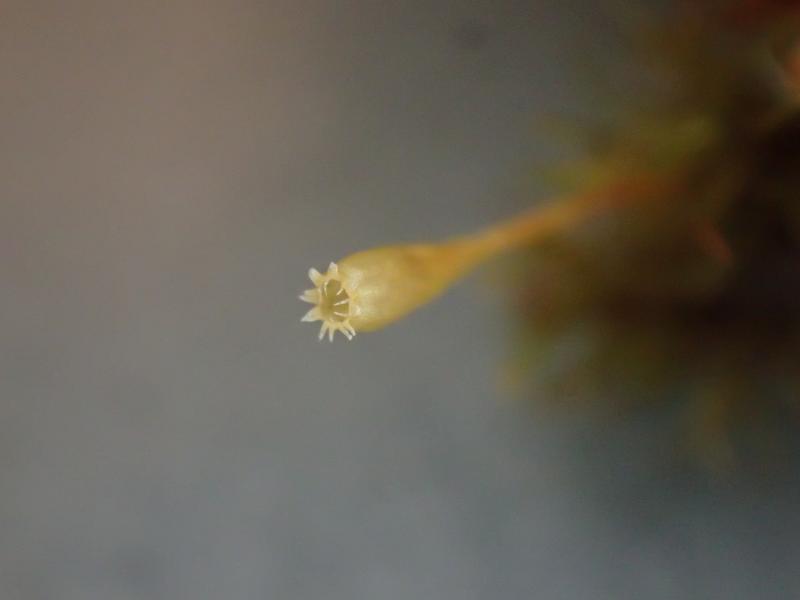
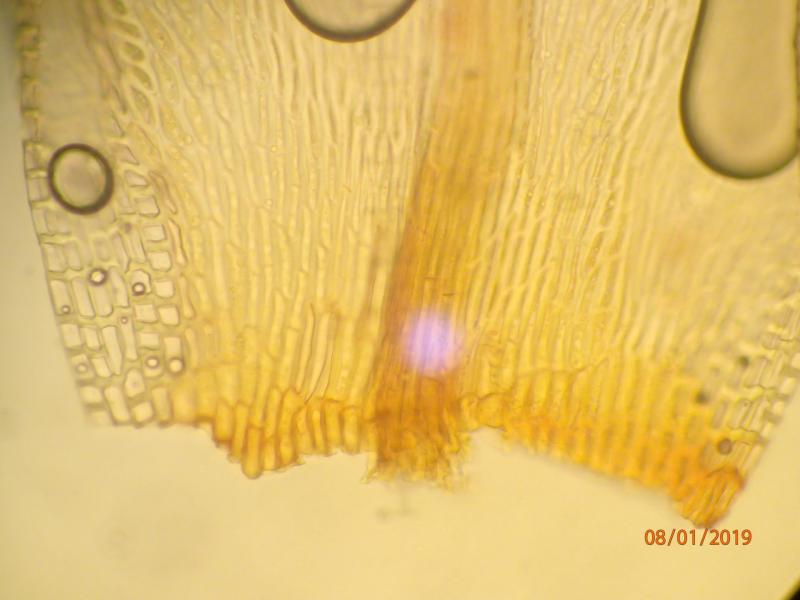
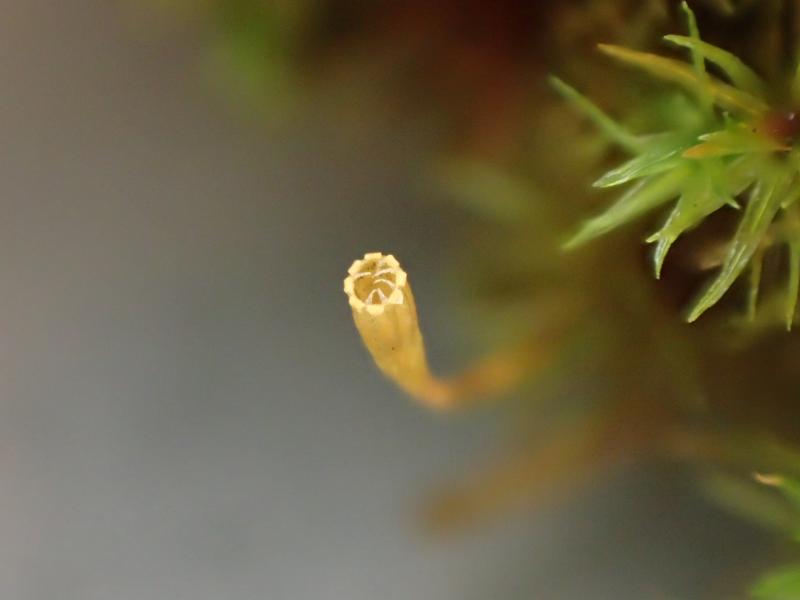
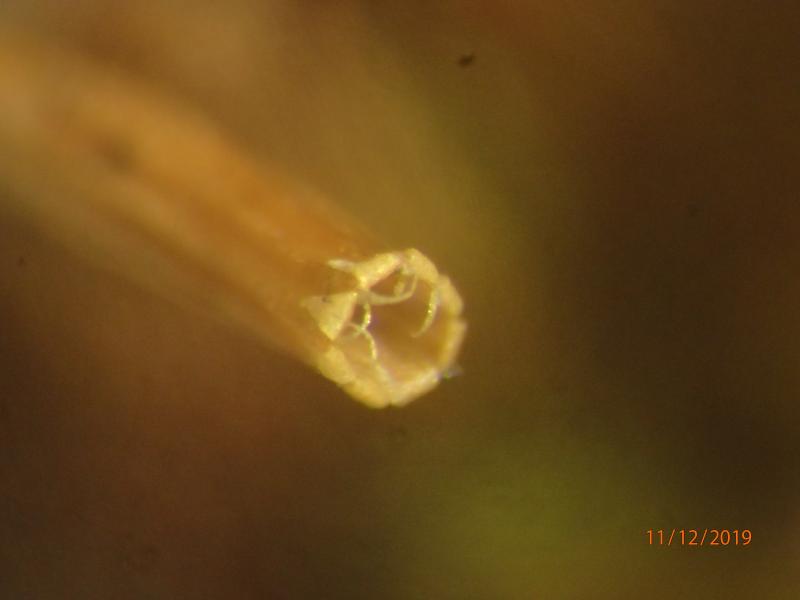
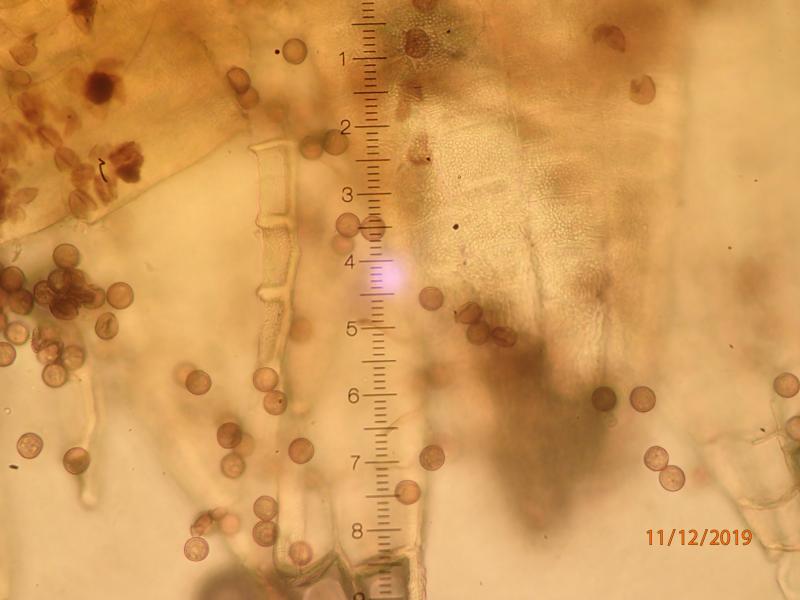
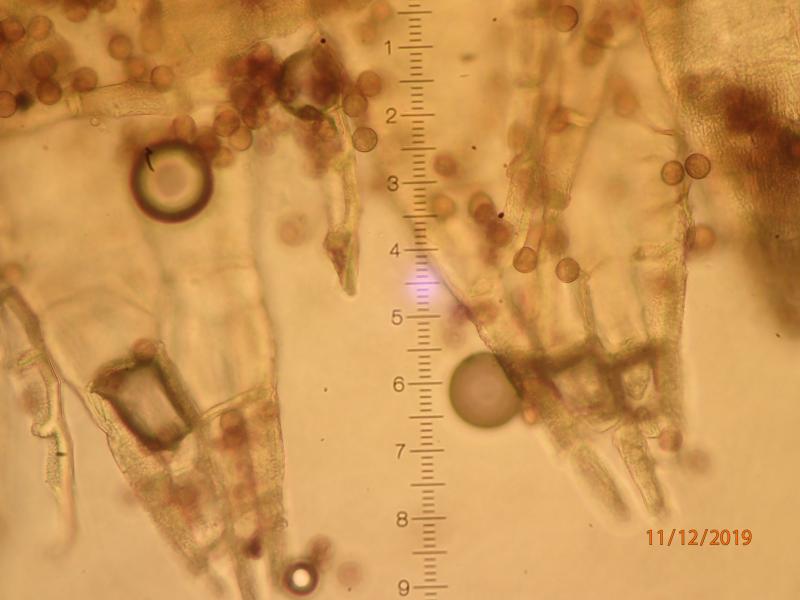
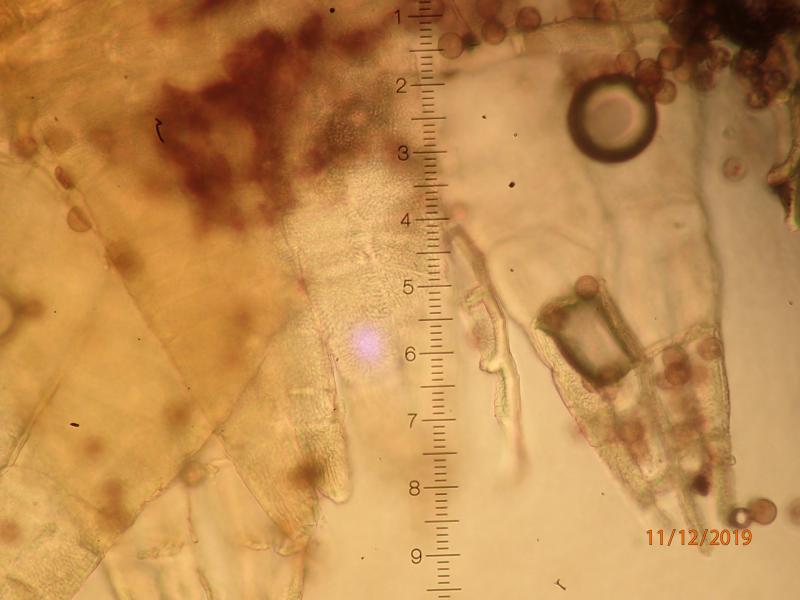
Wenn es erwünscht ist, kann ein Bild mit dem inneren Peristom der 4 Ulota-Arten die auf den ersten Blick verwechselt werden können, zeigen.
B. coroniforme auf U. crispa ist sehr interessant. Die Funde von B. coroniforme in der Schweiz sind bis jetz alle auf Orthotrichum pallens gefunden worden.

A just found the same fungus as you in the Pyrenees, also on Ulota apex. Have you finaly concluded with the help of colleagues and/or DNA analysis ?
If so, I would be interested in the conclusion.Thank you very much.
Gilles
Edvin