11-05-2016 20:37
 Zuzana Sochorová (Egertová)
Hi,this very little ascomycete grew on soil in a m
08-05-2026 11:55
Gernot FriebesHi,found on a decorticated Picea abies branch stil

05-05-2026 22:40
Gernot FriebesHi,I believe this is a Plagiostoma growing on a Sa
06-05-2026 11:25
 Castillo Joseba
Me mandan el material seco de Galicia (España) re
06-05-2026 17:23
Thomas Læssøehttps://svampe.databasen.org/observations/10594257
28-04-2026 20:07
 Lothar Krieglsteiner
... on twig in the air at standing Ceratonia siliq
04-05-2026 18:13
 Stephen Martin Mifsud
ID request for what seems to be a true aquatic fun
04-05-2026 16:39
Stephen Martin Mifsud
ID request: This specimen was collected in Malta o
28-07-2011 18:31
 Alex Akulov
Dear FriendsToday I made the pdf file of Velenovsk
Yet another Ascobolus
Christopher Engelhardt,
30-10-2016 20:46
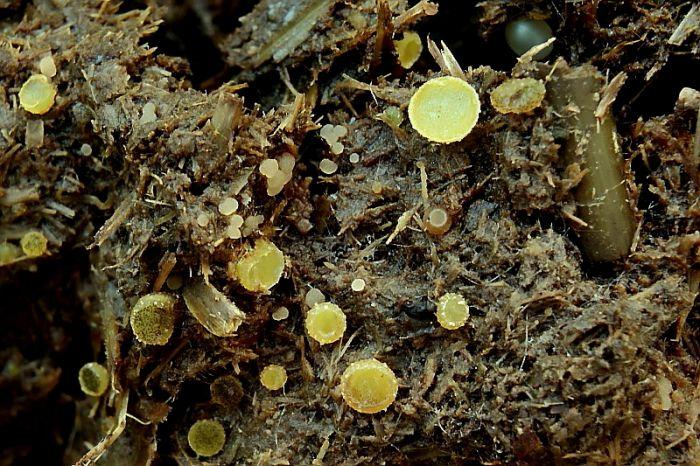
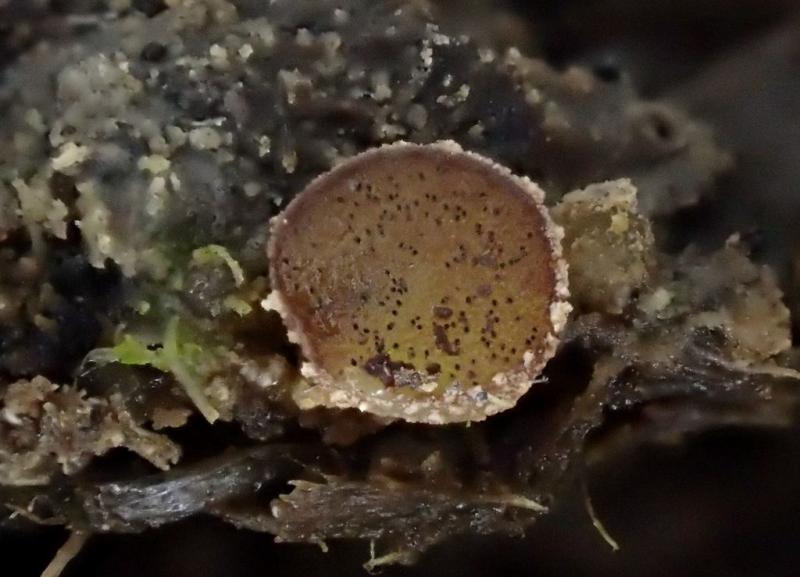
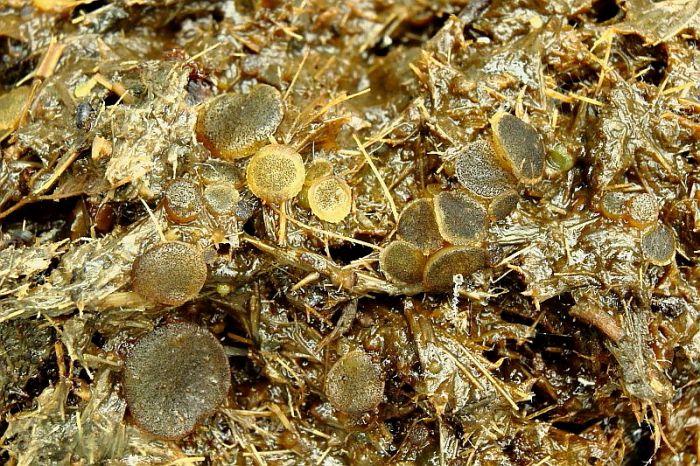
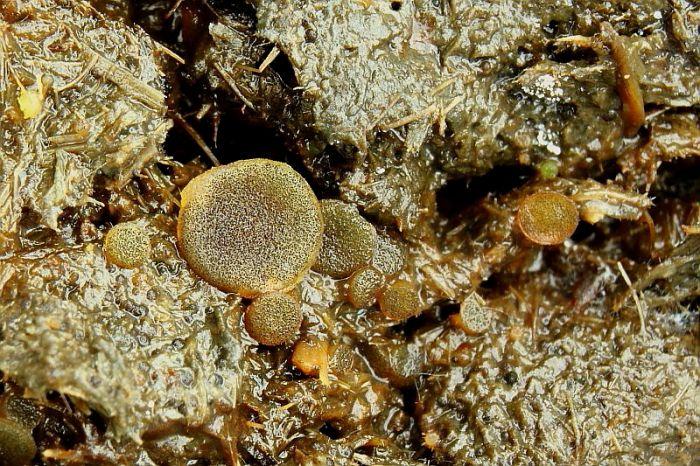
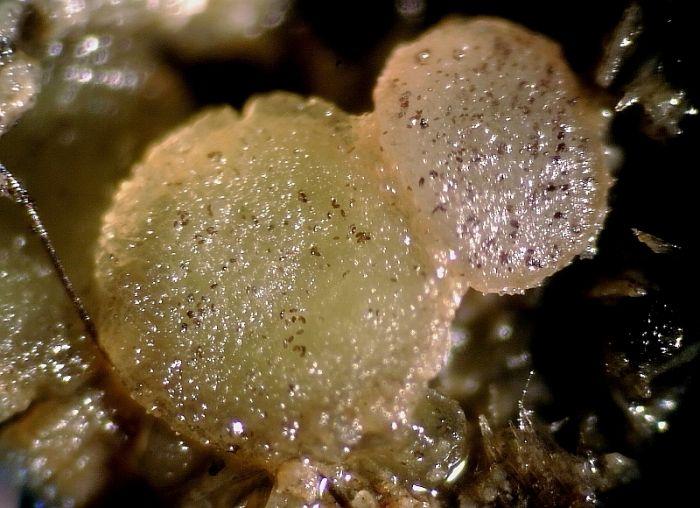
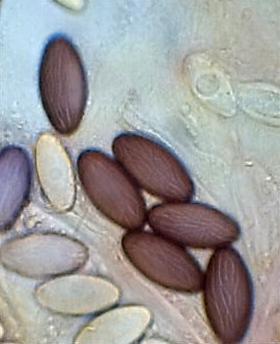
 today, yellowish flat cups on cow dung
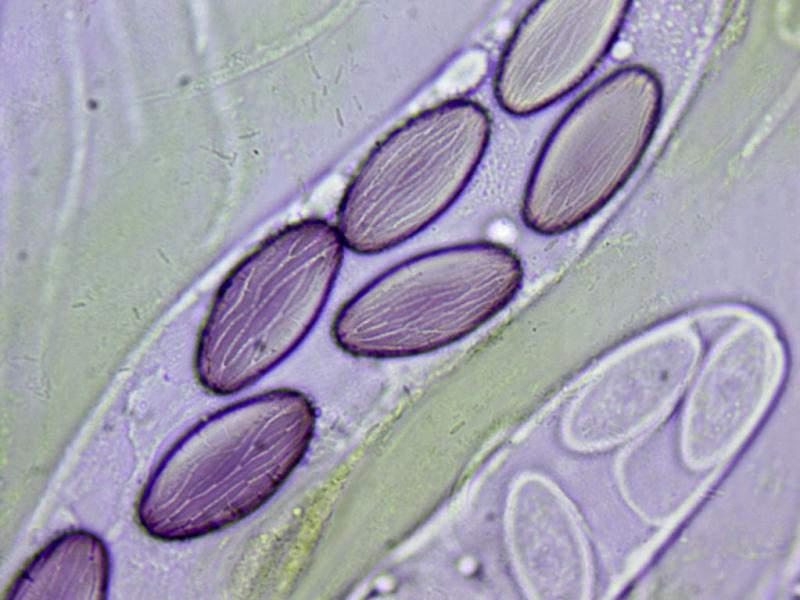
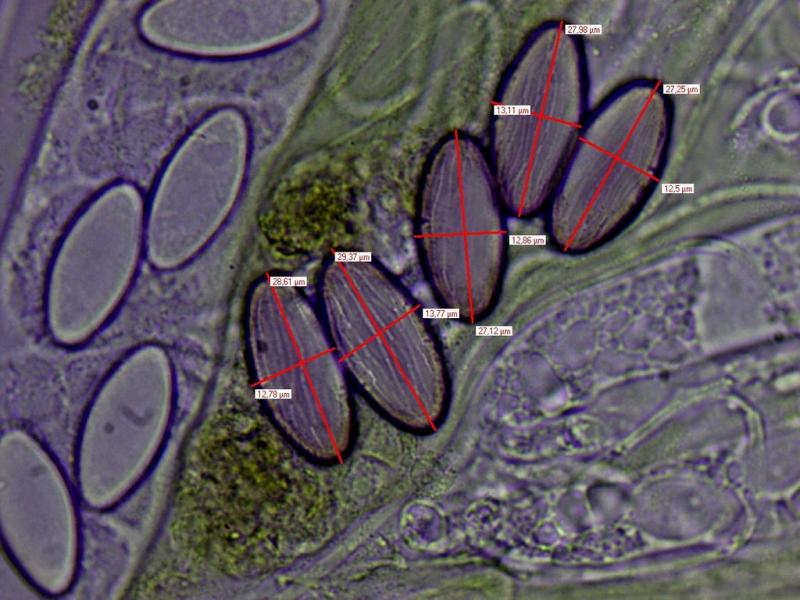
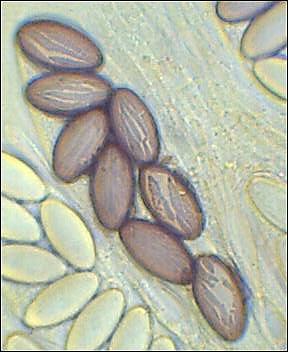
Spores 26-29 x 11,5-13,5 µ
see photographs
Thank you!!!
Chris
Peter Püwert,
30-10-2016 22:43

Re : Yet another Ascobolus
Hello Christoph,
this is Ascobolus furfuraceus, a common species on dung of cow, but also on other dung.
Greetings Peter.
this is Ascobolus furfuraceus, a common species on dung of cow, but also on other dung.
Greetings Peter.
Christopher Engelhardt,
31-10-2016 07:18
Re : And this one?
Thank you Peter - merci - danke!
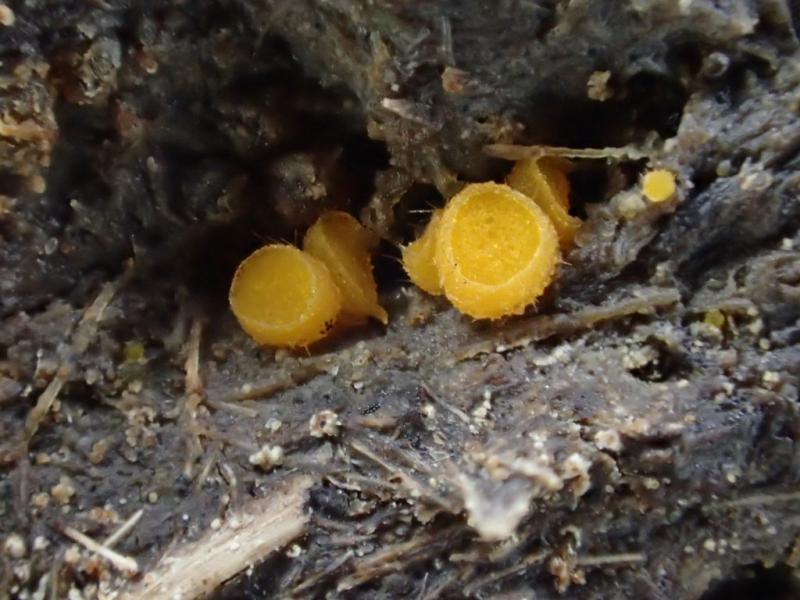
There were also other fruitbodies on the same cow dropping, but I didn't re-find these in my material when microscoping. So I only have this photograph.
Could this be the same Ascobolus (furfuraceus / stercorarius) in a younger stage?
Chris
There were also other fruitbodies on the same cow dropping, but I didn't re-find these in my material when microscoping. So I only have this photograph.
Could this be the same Ascobolus (furfuraceus / stercorarius) in a younger stage?
Chris
Peter Püwert,
31-10-2016 10:21
Re : Yet another Ascobolus
Hi Christopher,
if one can allows to mature the Apos them also microscopic as an Ascobolus furfuraceus are recognized. Possibly in the middle Pseudombrophila coprina and Coprotus disculus are to be seen still.
Greetings Peter.
Edit: I had considered your photo too superficially, there Cheilymenia could also hide itself.
if one can allows to mature the Apos them also microscopic as an Ascobolus furfuraceus are recognized. Possibly in the middle Pseudombrophila coprina and Coprotus disculus are to be seen still.
Greetings Peter.
Edit: I had considered your photo too superficially, there Cheilymenia could also hide itself.