
28-04-2026 20:07
 Lothar Krieglsteiner
... on twig in the air at standing Ceratonia siliq
04-05-2026 18:13
 Stephen Martin Mifsud
ID request for what seems to be a true aquatic fun
04-05-2026 16:39
Stephen Martin Mifsud
ID request: This specimen was collected in Malta o
04-05-2026 09:50
 Castillo Joseba
Me mandan el material seco de Galicia,(España) re
02-05-2026 12:42
Alain BRISSARDBonjour à tousJeuidi 30 avril dernier on m'a remi
02-05-2026 13:06
Pauline. PennaBonjour Please can someone help me with this id
01-05-2026 22:45
 Thierry Blondelle
Bonjour à tous, Une récolte sur bouse séchée d
14-04-2026 05:32
Ethan CrensonHi all, A few weeks back a friend pointed out som
28-04-2026 20:33
Vitus SchäfftleinHello, I found Trochila ilicina on Ilex aquifoliu
Xylariaceae?
Lepista Zacarias,
18-03-2016 20:22
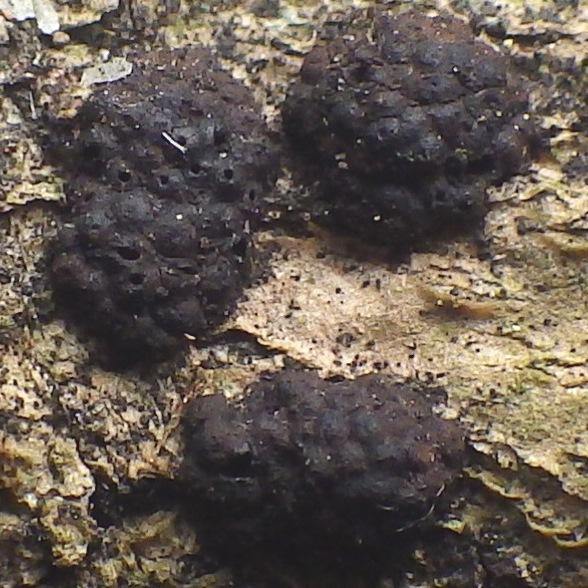
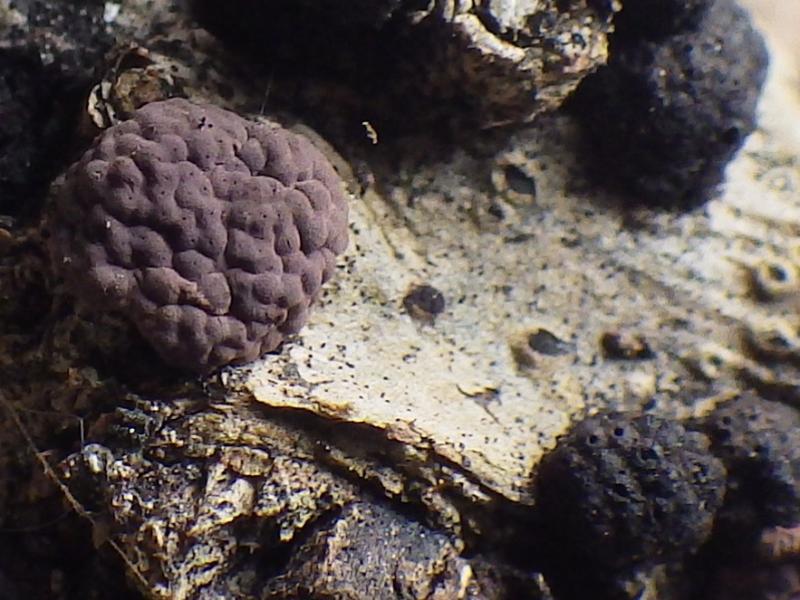
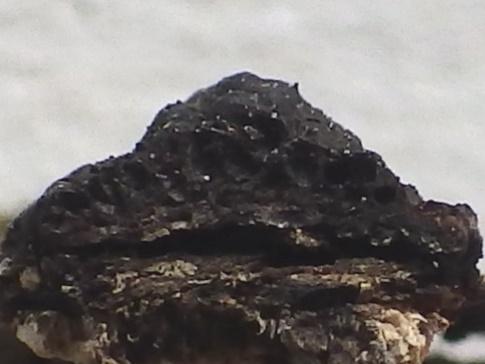
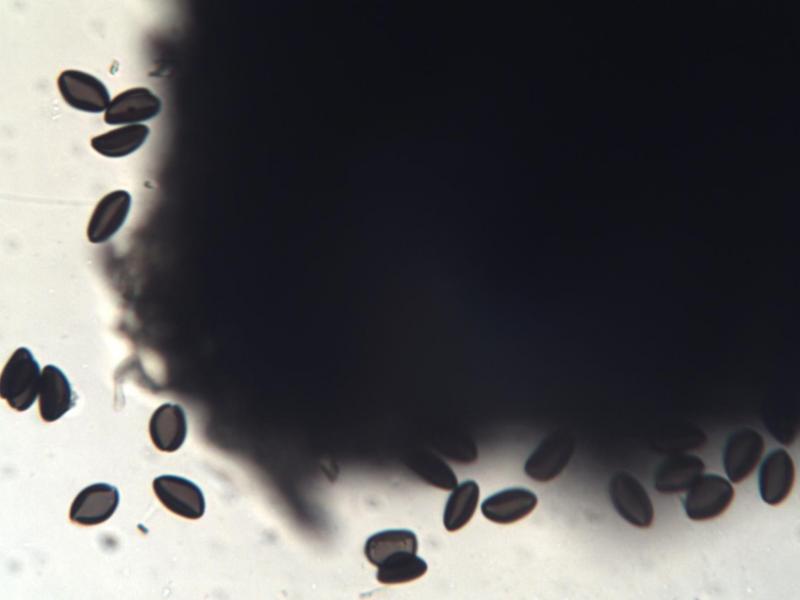
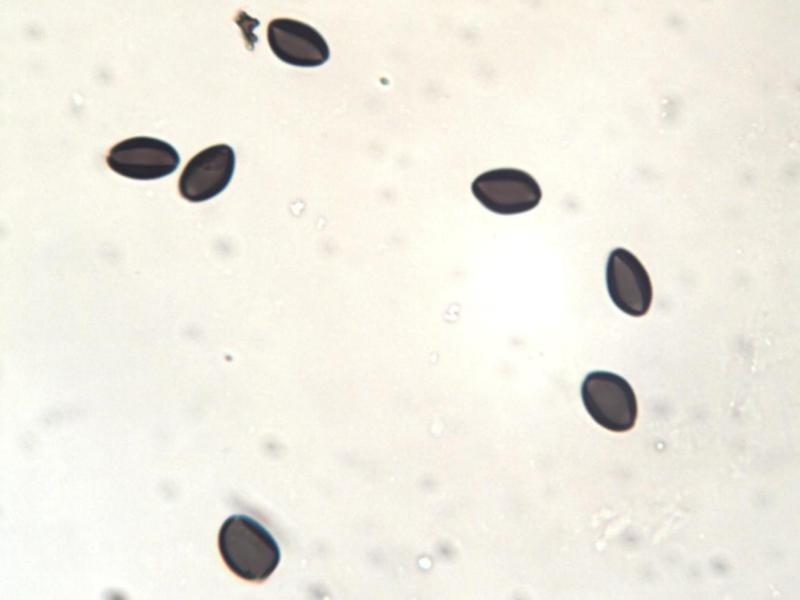
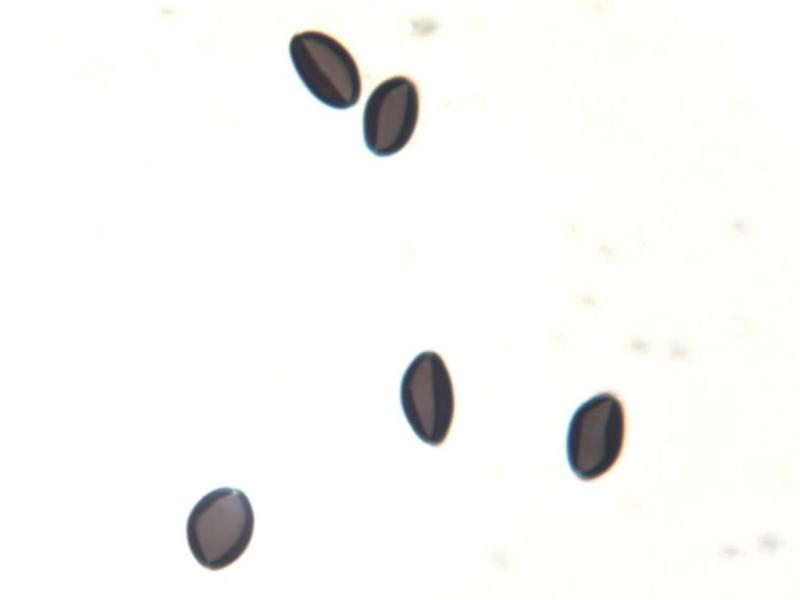
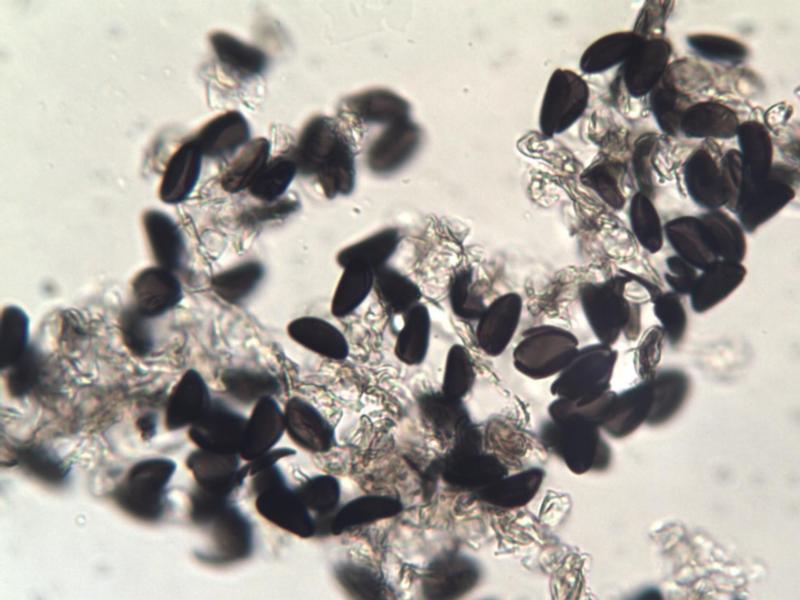
I was not able to see any asci, but the spores are distinctive, with the following dimensions:
(13.5) 14 - 15.3 (15.6) × (7) 7.6 - 9.7 (11) µm
Q = (1.3) 1.4 - 2 (2.1) ; N = 26
Me = 14.6 × 8.5 µm ; Qe = 1.7.
I would apppreciate some help for its classification.
Thanks,
zaca
Jacques Fournier,
18-03-2016 21:55

Re : Xylariaceae?
Hi Zaca,
the substrate looks like bark, not herbaceous and the ascospores are not intact, most of them are burst with the germ slit wide open. I agree it is xylariaceous, likely Hypoxylon fuscum.
Cheers,
Jacques
the substrate looks like bark, not herbaceous and the ascospores are not intact, most of them are burst with the germ slit wide open. I agree it is xylariaceous, likely Hypoxylon fuscum.
Cheers,
Jacques
Lepista Zacarias,
18-03-2016 22:15
Re : Xylariaceae?
Merci Jacques,
For your opinion . It has the overall appearance of Hypoxylon , but I do not know how to separate it from the other Xylareaceae . You must be right Also about the host, but the observation was made at a place with tropical vegetation (tropical garden inside the city) and I don't know how to classify the plant ; It was not a tree or shrub but it has some bulbous base where the fungus developed.
Thanks again for your help,
Grateful,
zaca
For your opinion . It has the overall appearance of Hypoxylon , but I do not know how to separate it from the other Xylareaceae . You must be right Also about the host, but the observation was made at a place with tropical vegetation (tropical garden inside the city) and I don't know how to classify the plant ; It was not a tree or shrub but it has some bulbous base where the fungus developed.
Thanks again for your help,
Grateful,
zaca
Lepista Zacarias,
20-03-2016 00:25
Re : Xylariaceae?
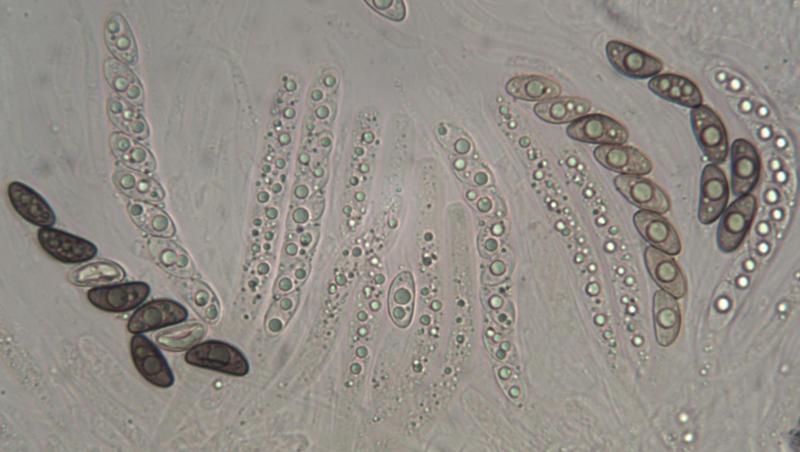
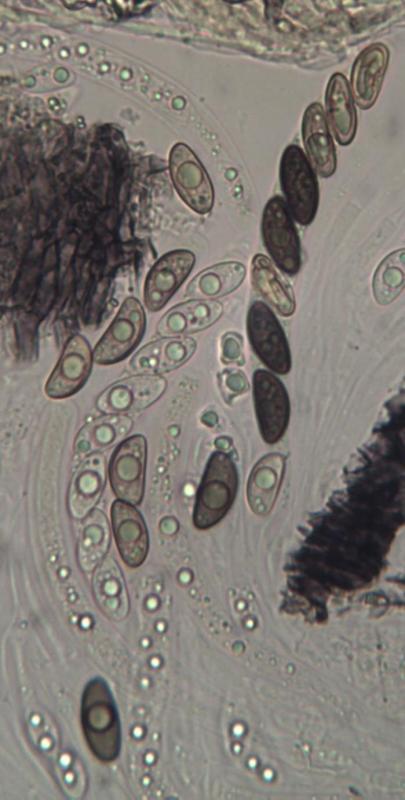
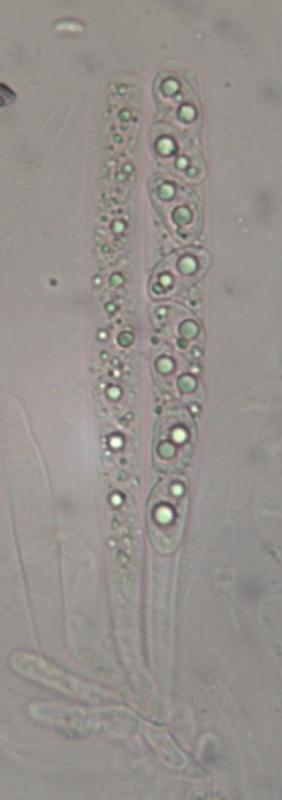
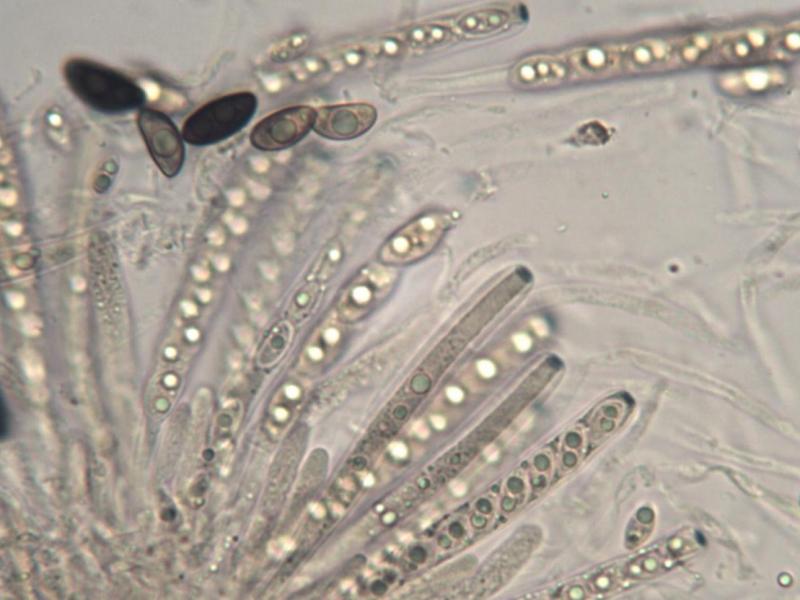
Dear all,This time I could see the spores well and at all stages of development. The dimensions are a bit different than previously:
(14) 14.8 - 16.5 (17.7) × (6.7) 6.8 - 7.9 (8) µm
Q = (1.9) 2 - 2.28 (2.3) ; N = 31
Me = 15.5 × 7.3 µm ; Qe = 2.1
I add a set of photos.
(14) 14.8 - 16.5 (17.7) × (6.7) 6.8 - 7.9 (8) µm
Q = (1.9) 2 - 2.28 (2.3) ; N = 31
Me = 15.5 × 7.3 µm ; Qe = 2.1
I add a set of photos.
Best wishes,
zaca
Jacques Fournier,
21-03-2016 09:01
Re : Xylariaceae?
Hi Zaca,
now that you have seen asci which are unitunicate, cylindrical, with an amyloid apical apparatus and brown one-celled ascospores you are indeed dealing with a Xylariaceae. The stroma surface is coloured, inside is homogeneous, a small chip of external stroma should yield pigments in a drop of 10% KOH. If the pigment is greenish yellow to dark olivaceous, depending on how big is the chip of stroma and if ascospores have a sigmoid germ slit and a perispore dehiscing in 10% KOH, you can consider H. fuscum.
The fact you found it in a tropical environment expands considerably the range of possible species, especially if there are tropical shrubs and plants imported from tropics.
Now check the pigments, the perispore and the germ slit and get back to the forum.
Cheers,
Jacques
now that you have seen asci which are unitunicate, cylindrical, with an amyloid apical apparatus and brown one-celled ascospores you are indeed dealing with a Xylariaceae. The stroma surface is coloured, inside is homogeneous, a small chip of external stroma should yield pigments in a drop of 10% KOH. If the pigment is greenish yellow to dark olivaceous, depending on how big is the chip of stroma and if ascospores have a sigmoid germ slit and a perispore dehiscing in 10% KOH, you can consider H. fuscum.
The fact you found it in a tropical environment expands considerably the range of possible species, especially if there are tropical shrubs and plants imported from tropics.
Now check the pigments, the perispore and the germ slit and get back to the forum.
Cheers,
Jacques