
28-07-2011 18:31
 Alex Akulov
Dear FriendsToday I made the pdf file of Velenovsk
28-04-2026 20:07
 Lothar Krieglsteiner
... on twig in the air at standing Ceratonia siliq
04-05-2026 18:13
 Stephen Martin Mifsud
ID request for what seems to be a true aquatic fun
04-05-2026 16:39
Stephen Martin Mifsud
ID request: This specimen was collected in Malta o
04-05-2026 09:50
 Castillo Joseba
Me mandan el material seco de Galicia,(España) re
02-05-2026 12:42
Alain BRISSARDBonjour à tousJeuidi 30 avril dernier on m'a remi
02-05-2026 13:06
Pauline. PennaBonjour Please can someone help me with this id
01-05-2026 22:45
 Thierry Blondelle
Bonjour à tous, Une récolte sur bouse séchée d
14-04-2026 05:32
Ethan CrensonHi all, A few weeks back a friend pointed out som

Hola a todos.
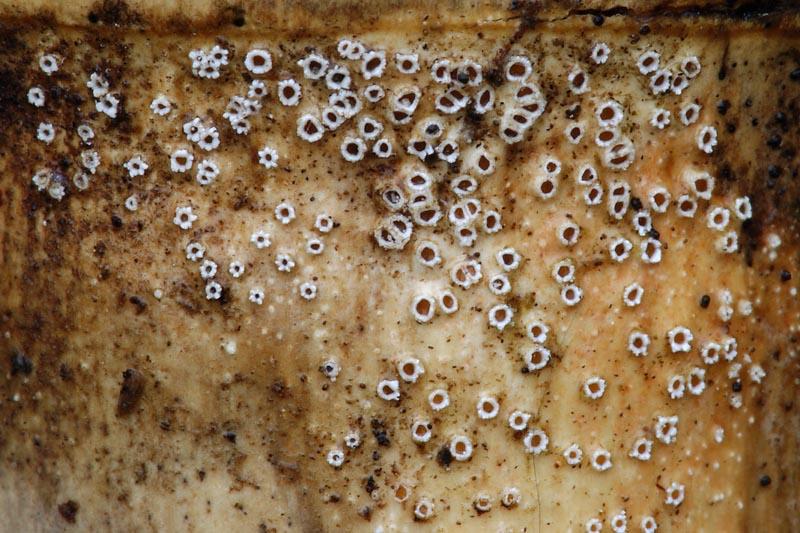
Ayer encontramos este asco sobre cañas (Arundo) en la orilla de un riachuelo.
Miden unas 750 micras de diámetro.
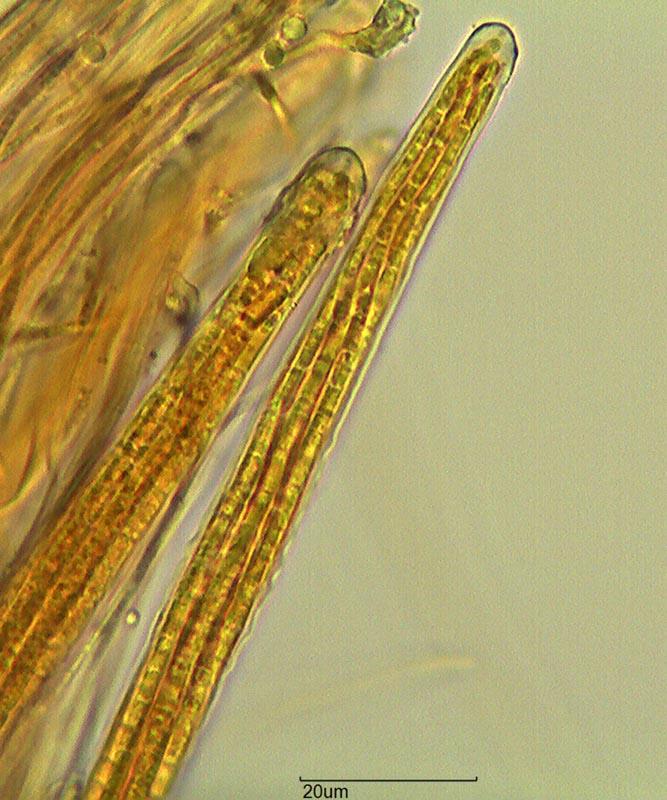
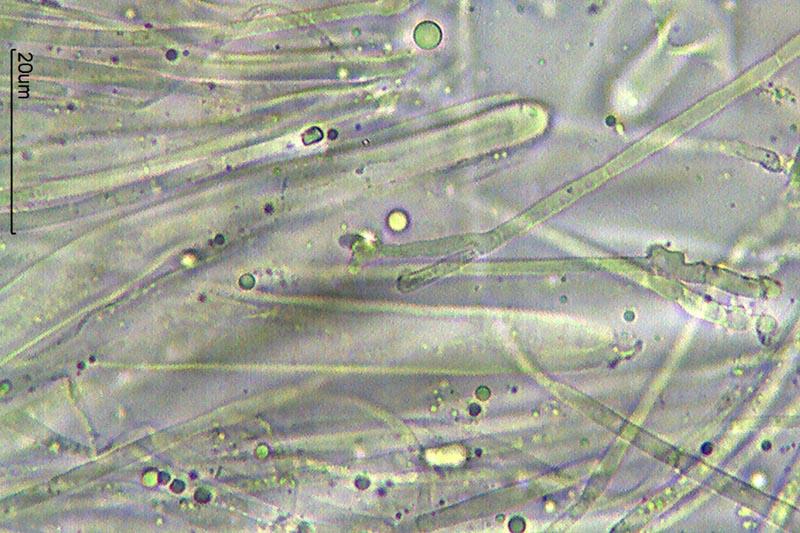
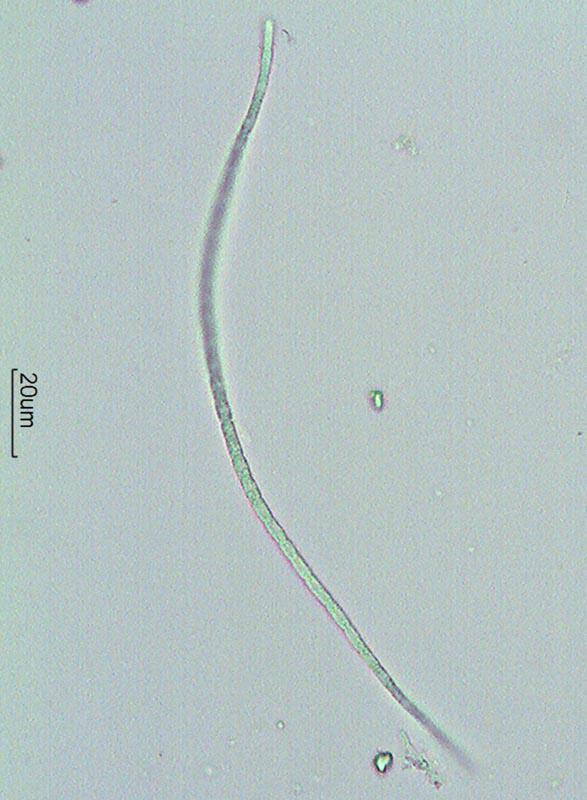
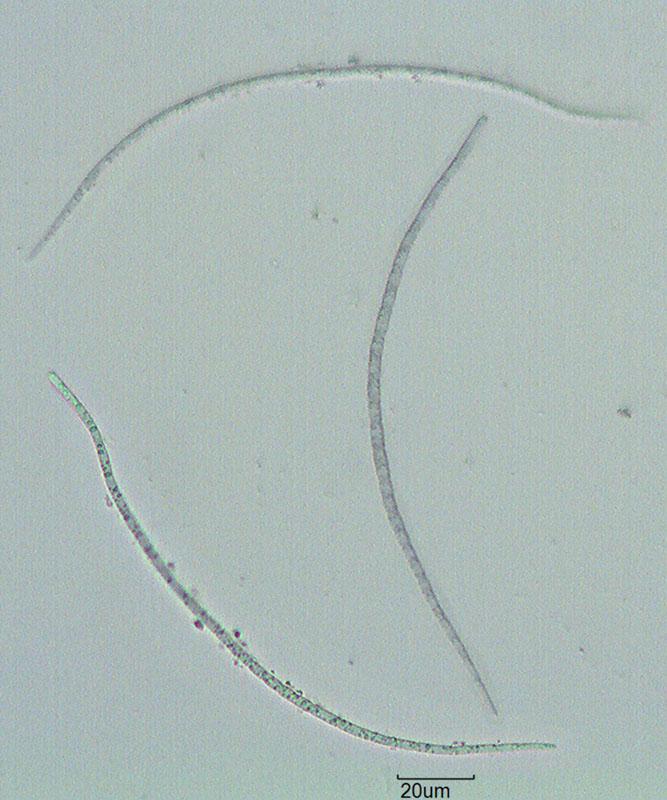
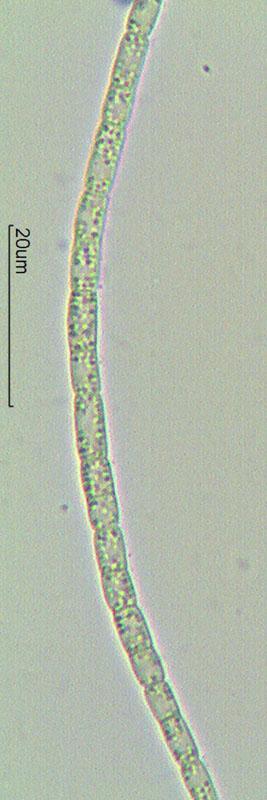
Esporas filiformes multiseptadas de 170-200 x 2,3-3,2 micras.
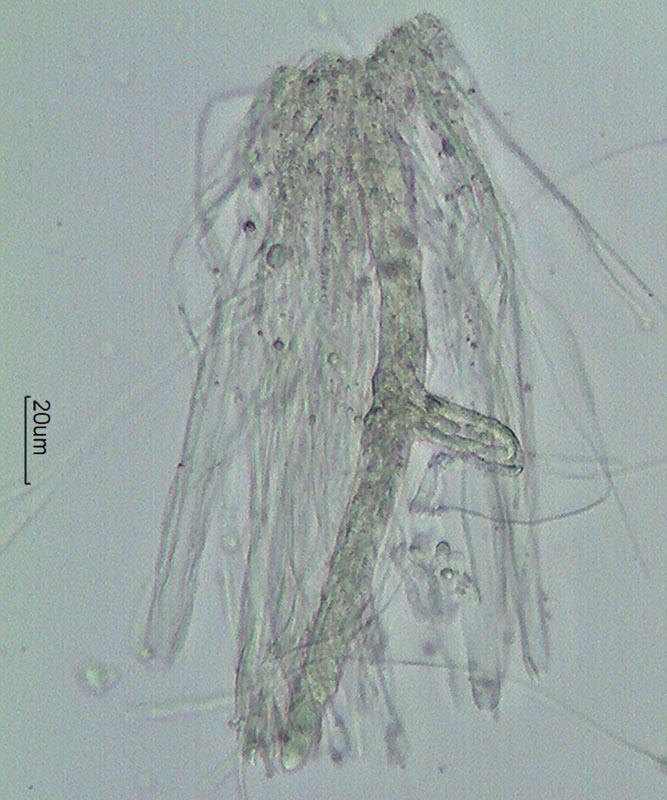
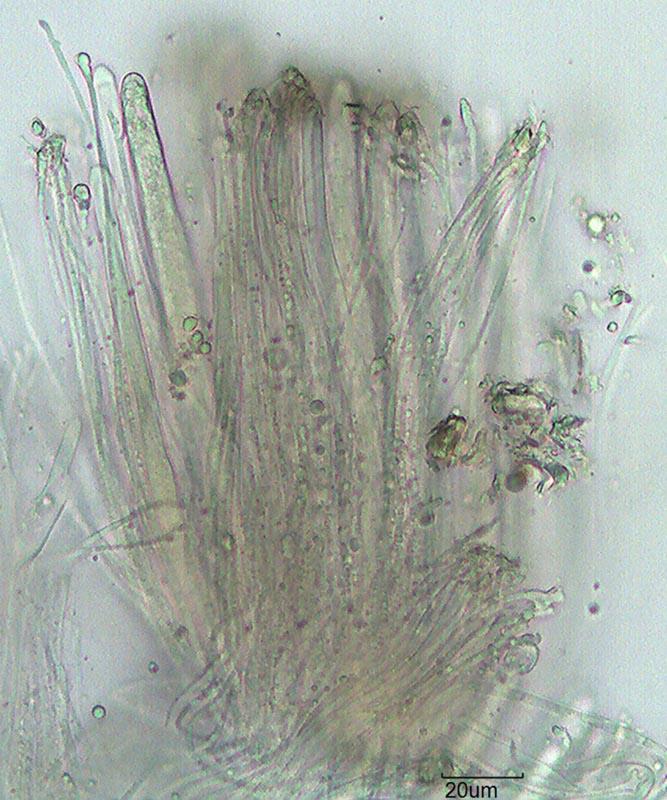
Ascas no amiloides.
Pensé en Stictis radiata, ¿Qué les parece?
¿Qué diferencias hay entre S. radiata y S. stellata? ¿Largo y sobretodo ancho esporal?
Gracias por sus respuestas.
Rubén

Following Dennis' British Ascomycetes, whether the hymenium reacts to Iodine is critical and you have said "Ascas no amiloides" (he will have used Melzer, rather than Lugol - I don't know if it makes a difference). See attached file.
For a wider review see "Sherwood, M.A. The ostropalean fungi II: Schizoxylon, with notes on Stictis, Acarosporina, Coccopeziza, and Carestiella" in Mycotaxon VI(2) 1977, pp. 215-260 - available through http://www.cybertruffle.org.uk/cyberliber/
Also Zotto's Cubby files may be very useful to you: https://www.cubbyusercontent.com/pl/CC%2bAscomycota/_1354d48ffaad4b59bd3ffdbb35915d1f#CC%20Ascomycota
6b Ostropomycetidae > Stictidaceae > Stictis
kind regards
Chris
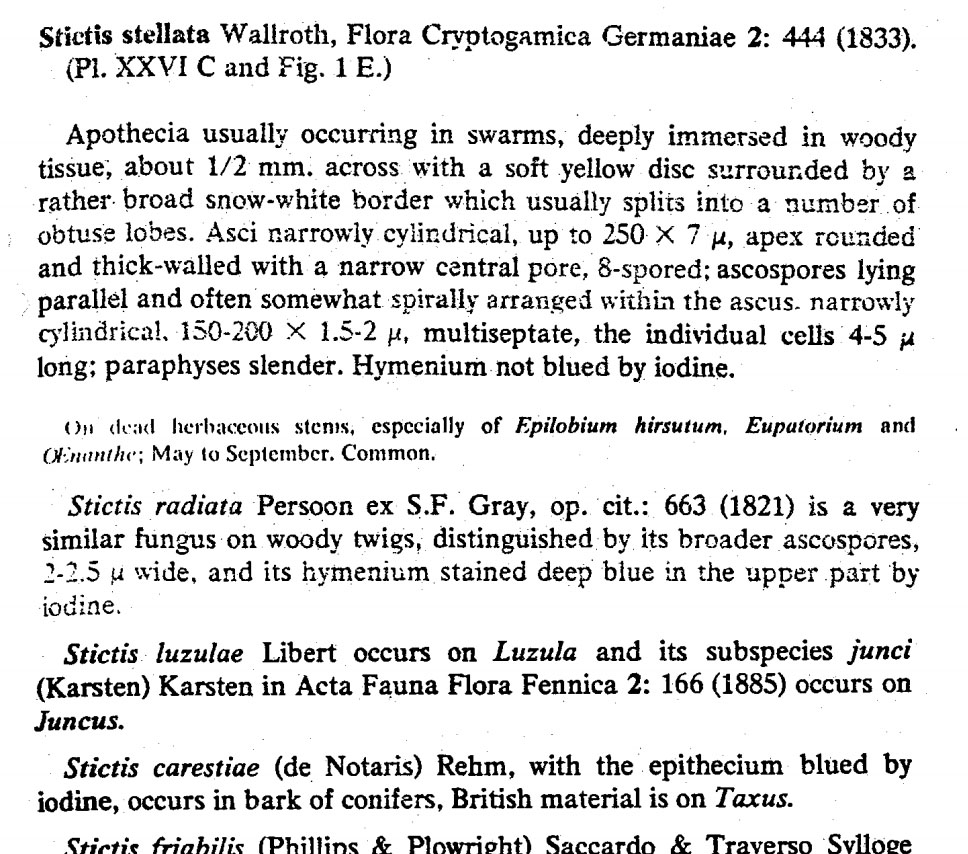 Stictis1-0001.jpg
Gracias por su ayuda, Chris.
He mirado la muestra con Melzer, con IKI y después de tratarla con KOH y no aprecio que sea amiloide.
Saludos
Rubén
si no hay reacción de yodo, entonces no será S. radiata
Los mejores deseos
Chris