02-05-2026 12:42
Alain BRISSARDBonjour à tousJeuidi 30 avril dernier on m'a remi
02-05-2026 13:06
Pauline. PennaBonjour Please can someone help me with this id
01-05-2026 22:45
 Thierry Blondelle
Bonjour à tous, Une récolte sur bouse séchée d
28-04-2026 20:07
 Lothar Krieglsteiner
... on twig in the air at standing Ceratonia siliq
14-04-2026 05:32
Ethan CrensonHi all, A few weeks back a friend pointed out som
28-04-2026 20:33
Vitus SchäfftleinHello, I found Trochila ilicina on Ilex aquifoliu

30-04-2026 10:28
Rot BojanHello, by appearance I would say that I am dealing
27-04-2026 18:48
Tony MoverleyCollected 23rd April 2026, Norfolk, EnglandSwarms
27-04-2026 20:52
Lothar Krieglsteiner
Found on hanging tiwg of Olea europaea in dried-ou
 growing on fallen dead branches of birch in old dunearea.
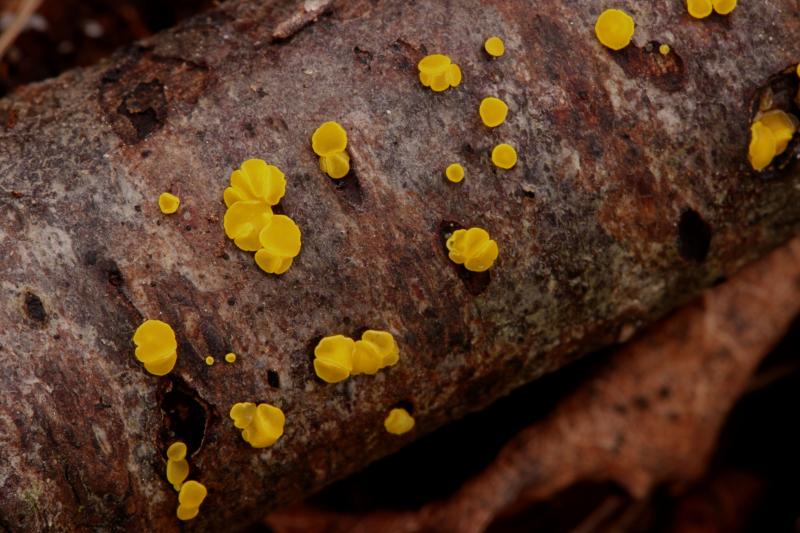
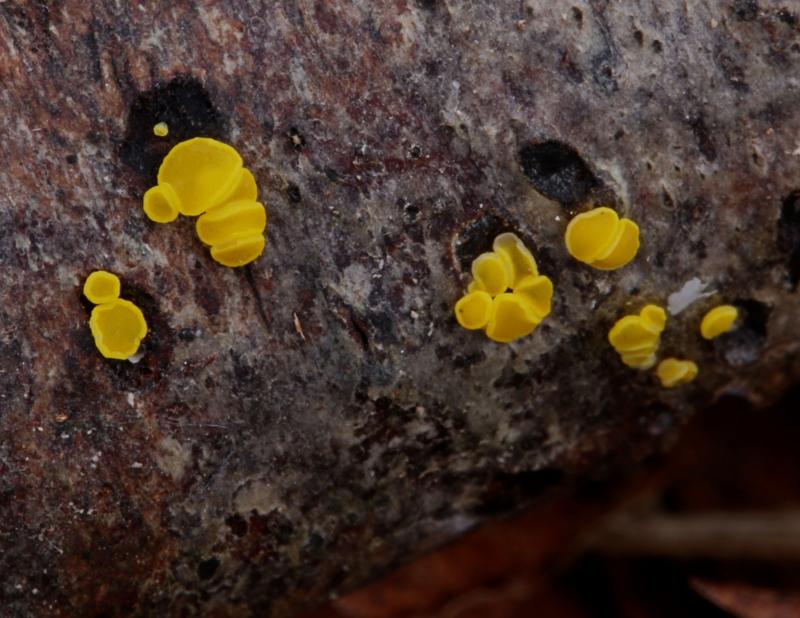
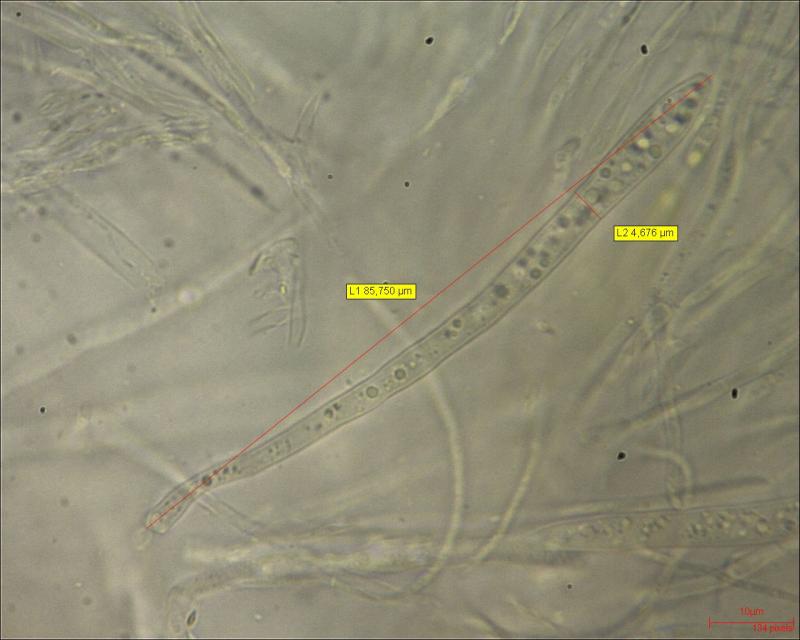
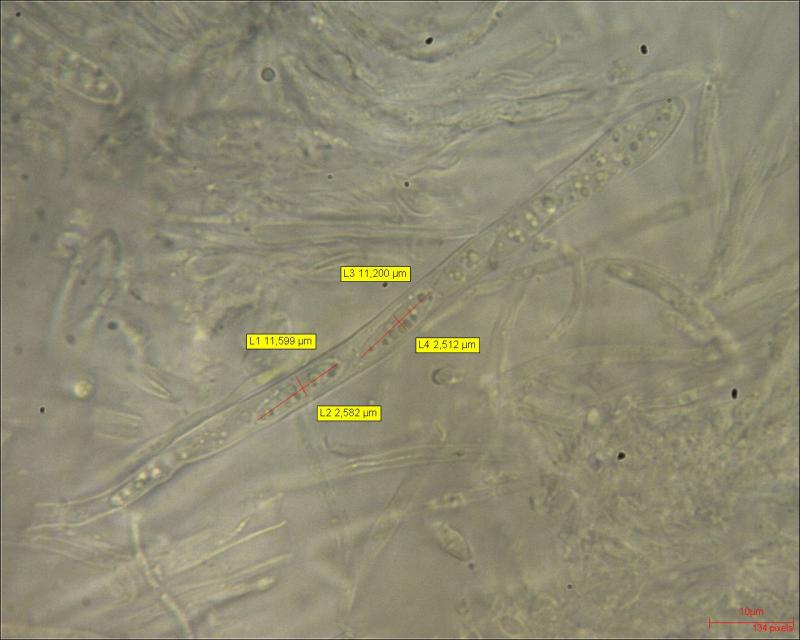
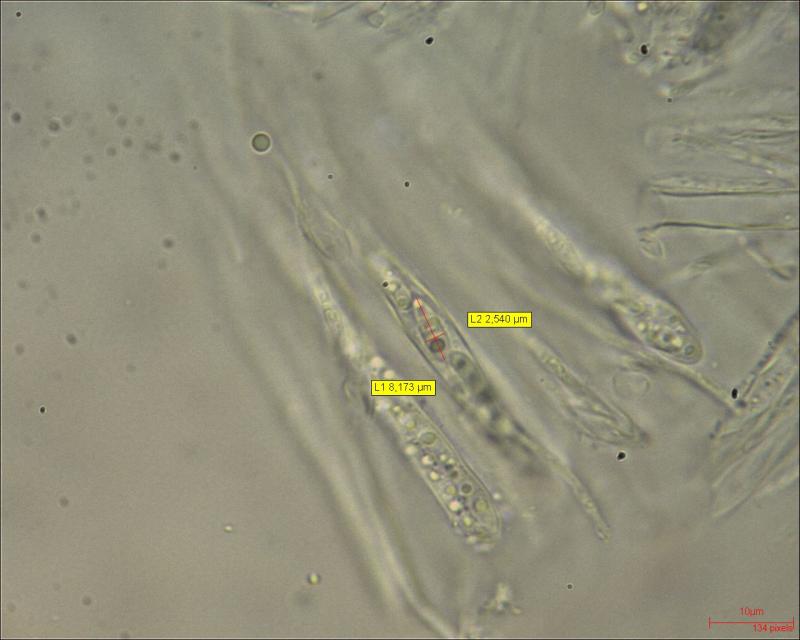
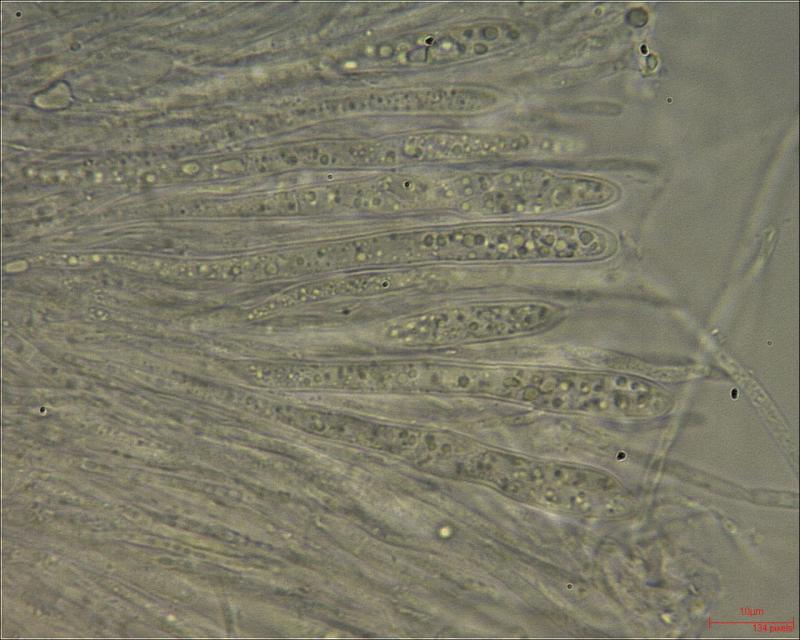

If you check the iodine reaction it should be negative. C/B. citrina has larger spores and amyloid asci.
Thx for your reaction, Hans-Otto.
I'm new on this forum, but very pleased with this quick response.
I have still a fresh specimen in collection and I will check the reaction with Meltzer's reagens.
I found not a (good) key to convince me if it's citrina or sulfurina so I thought why not putting the question on this forum.
Nice to become some very interesting information from experts.
Btw, it is better to use Lugol/IKI for testing ascus reactions.
http://invivoveritas.de/articles/iodine-reaction-in-ascomycetes-why-is-lugols-solution-superior-to-melzers-reagent/
best regards
Zotto
The habitus of croziers is indeed for me something difficult to recognize.
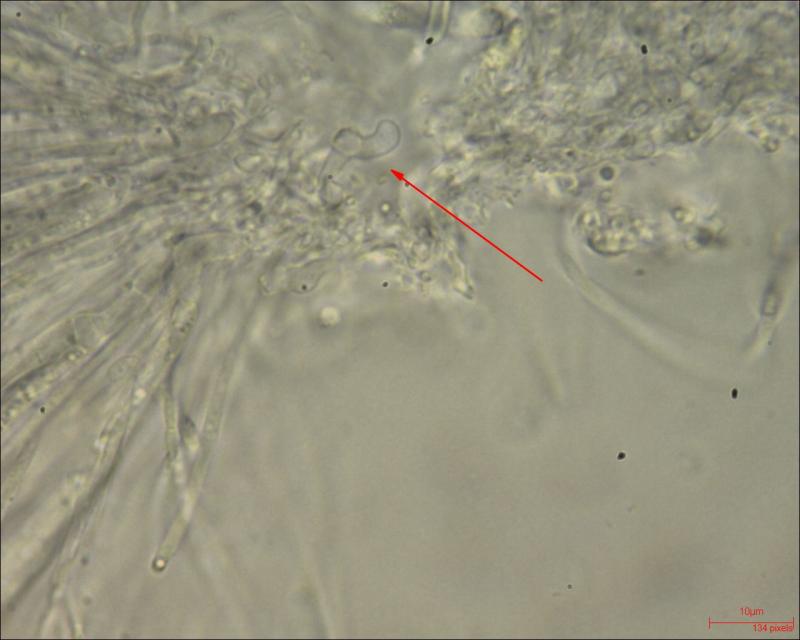
I detected following structure while searching for asci etc. Can this be a crozier?