28-07-2011 18:31
 Alex Akulov
Dear FriendsToday I made the pdf file of Velenovsk
25-12-2019 17:54
Valencia Lopez Francisco JavierHola a todos/asEstas supuestas pezizas estaban en
12-07-2015 00:05
 Nedim Jukic
This one from the same locality as the previous on
12-11-2019 10:32
 Miguel Ángel Ribes
Hi againExactly at the same place than my previous


30-05-2026 21:12
Philippe PELLICIERSur branche de mélèze (Larix) près de la neige,
31-05-2026 10:35
Hulda Caroline HolteHello,I collected this species growing on a rather
25-05-2026 16:35
 Bernard CLESSE
Bonjour à toutes et tous,J'ai trouvé récemment,
29-05-2026 15:35
daniel FERREBonjour à tous,Je voudrais votre aide pour cette

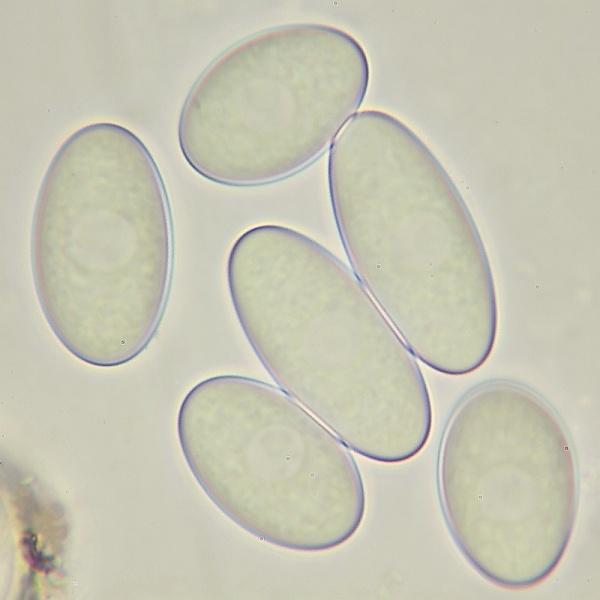
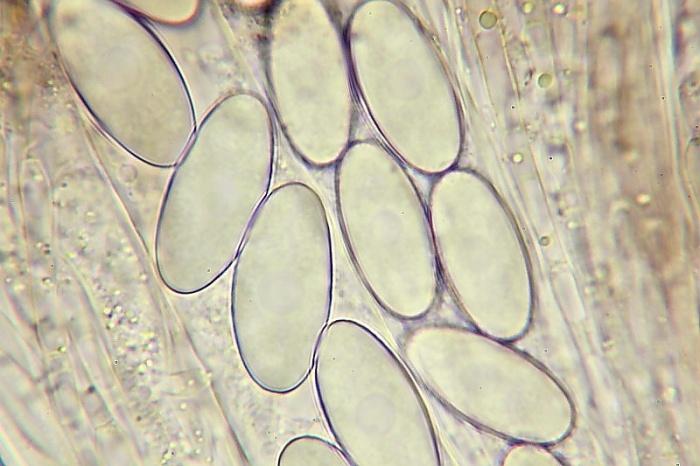
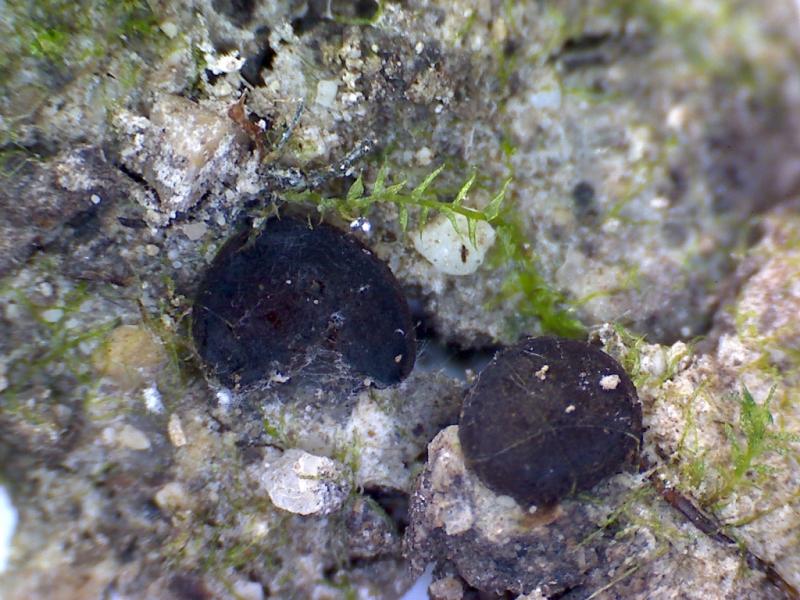
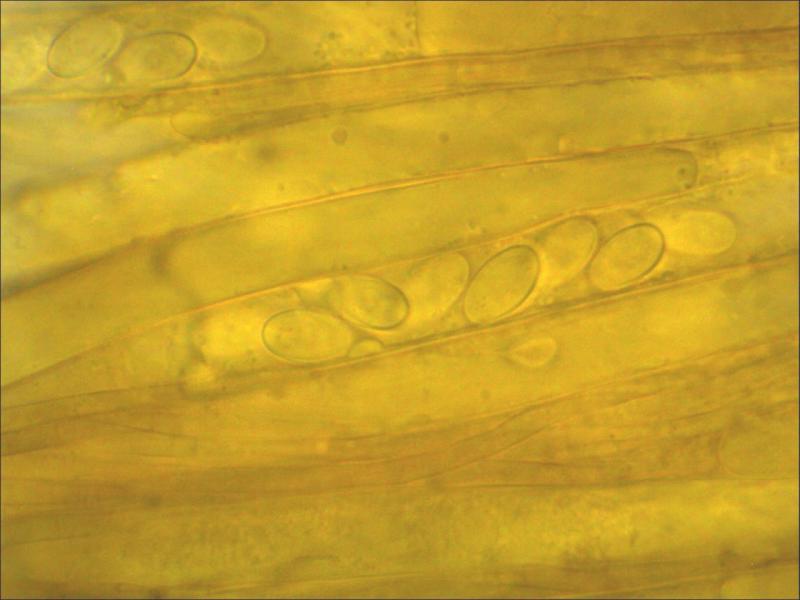
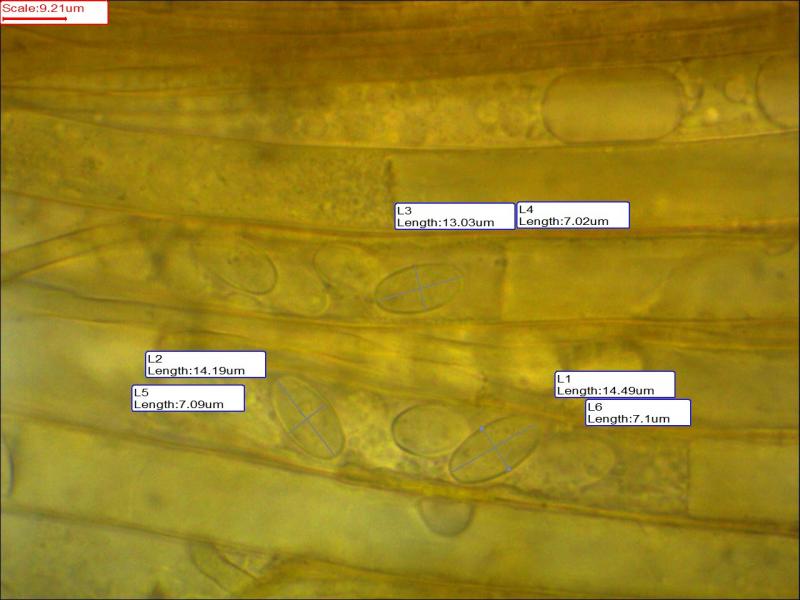
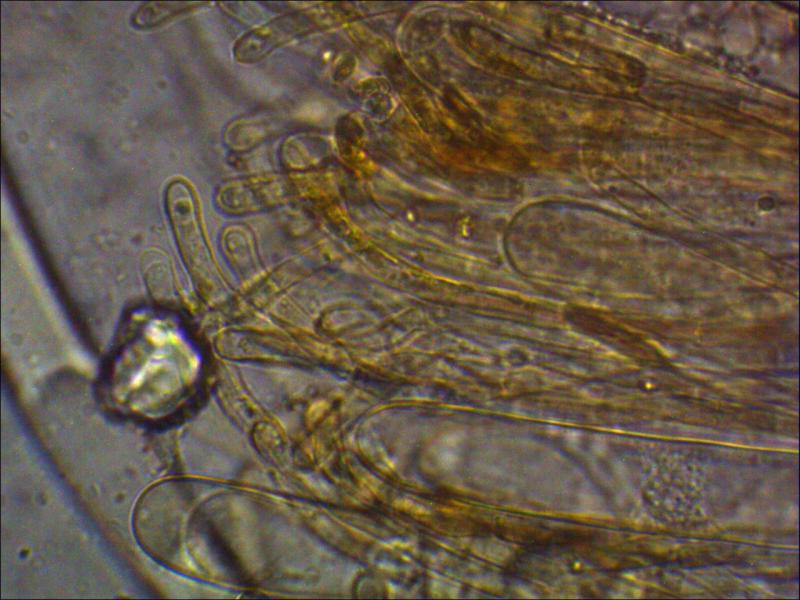
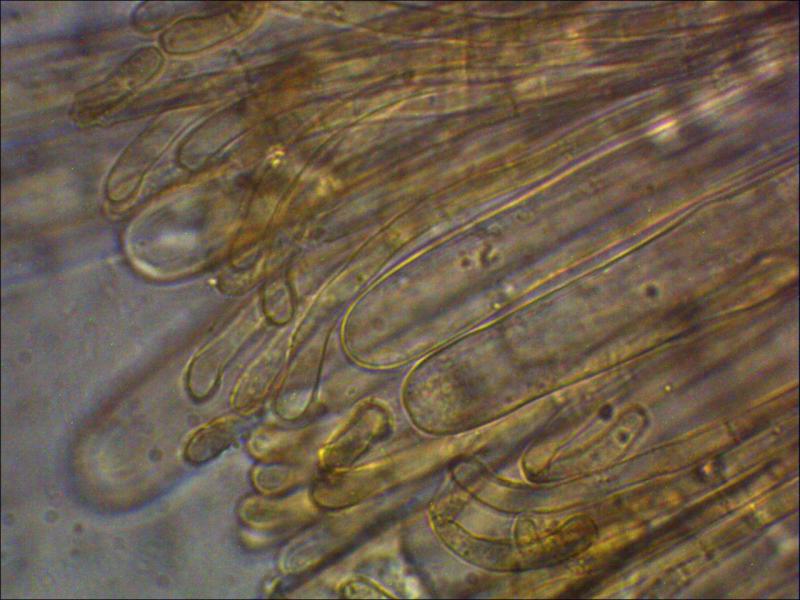
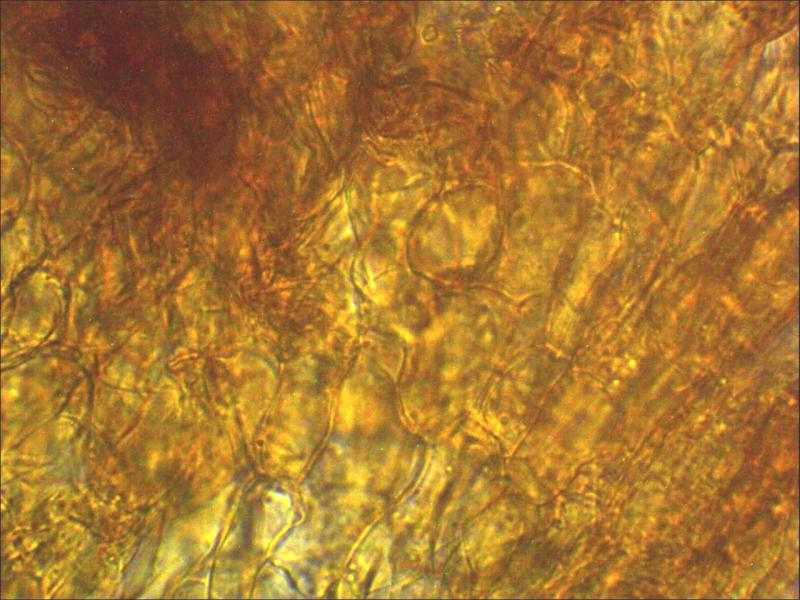
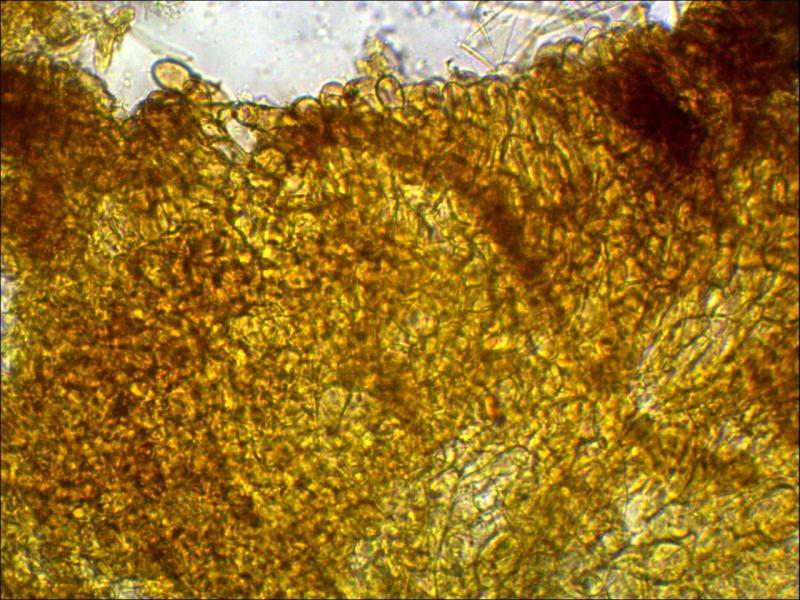
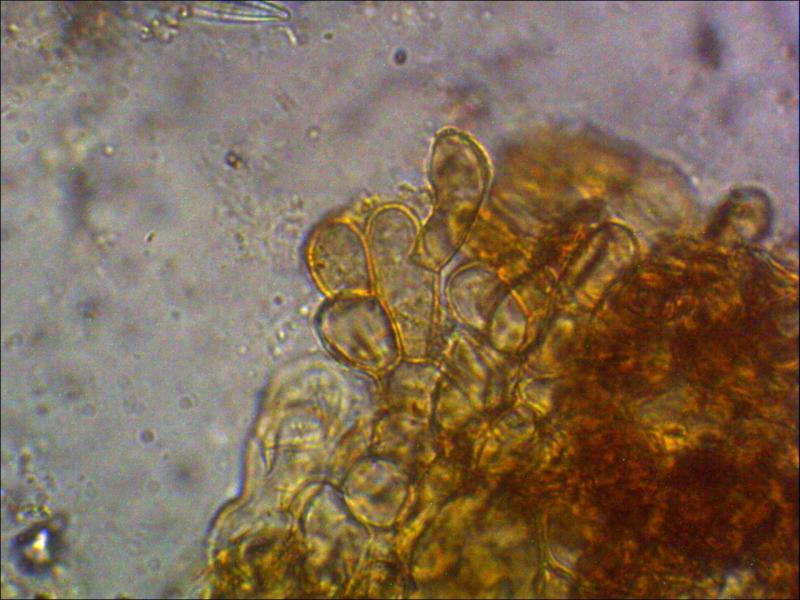
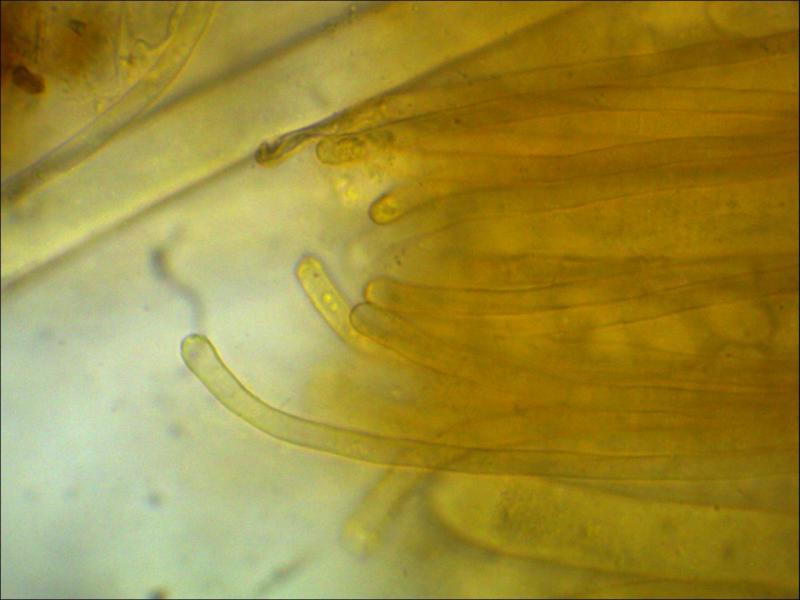
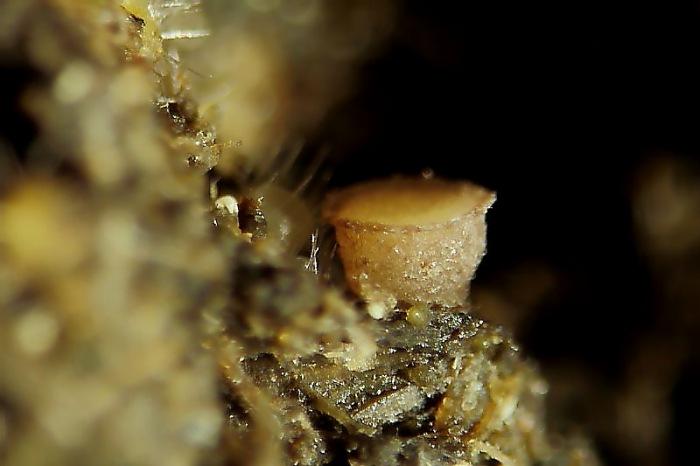
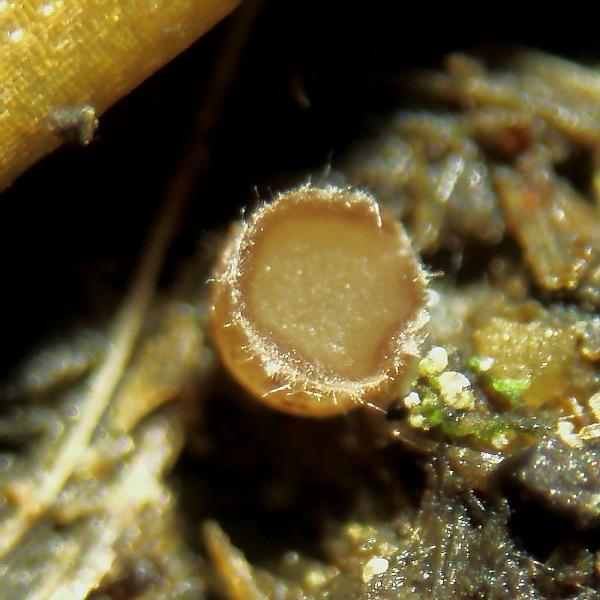
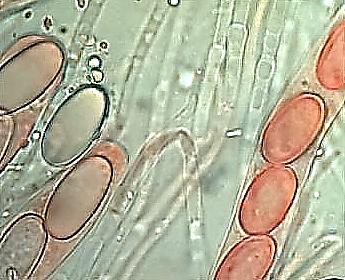
found in 30.7.2015, Germany, Baden-Wuerttemberg, Schwäbisch-Fränkischer Wald near Schotthof. Grew on naked soil in the vicinity of a small rivulet, together with Trichophaea hybrida (gregaria). Apothecia are small (maybe 2-4 mm or so, I forgot to take a measure). First I thought of a Boudiera, but the spores are smooth and elongate. IKI-reaction is negative.
Can somebody help?
Regards from Lothar
Gilbert

Are you sure the specimens are mature? Your measures made on ascospores in asci might be not significant...
The color remains me P. hepatica, but of course the spores should be greater!

rather not. There would become me how already mentioned, the color, the form, the paraphysis....... interfere.
Greetings Peter.
I mean the answer from Gilbert.
Hi Nicolas,
thank you very much for your suggestion. I think it is a good one. What bewildered me a little is the growth on naked soil, without any noticeable dung in the vicinity. P. hepatica indeed looks very similar macroscopically - I found it a few times, always on and besides mouse dung in acid habitats. Yes, the collection seemed to be not fully ripe - so I had no fotos of spores outside the asci.
Best regards from Lothar
Hello Gilbert and Peter,
thank you very much for your contributions, too!
Best regards from Lothar
Même si ici, elles ne sont pas totalement à maturité, il m'étonnerait beaucoup qu'elles atteignent cette taile...
Gilbert
Hi Gilbert,
your objections are good.
So - what remains could be perhaps P. cervaria.
P. theioleuca has a different macroscopical appearance (light-coloured disc, strongly pronounced margo).
Best regards from Lothar
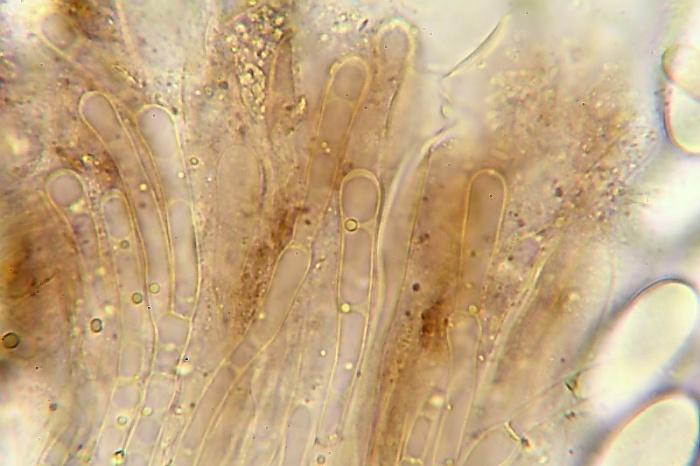
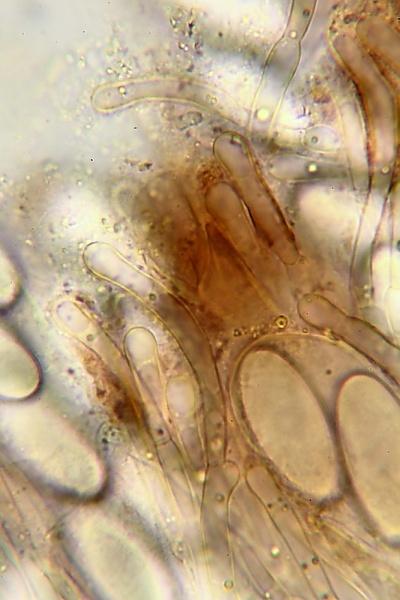
so surely I also did not believe in P. hepatica. I have done the examination just now still in fresh material, the spores are 20-28 x 11-12 µ m, still in the ascus. Striking are also the septate paraphysis and the brownish pigment in between.
Greetings Peter.