28-04-2026 20:07
 Lothar Krieglsteiner
... on twig in the air at standing Ceratonia siliq
04-05-2026 18:13
 Stephen Martin Mifsud
ID request for what seems to be a true aquatic fun
04-05-2026 16:39
Stephen Martin Mifsud
ID request: This specimen was collected in Malta o
04-05-2026 09:50
 Castillo Joseba
Me mandan el material seco de Galicia,(España) re
02-05-2026 12:42
Alain BRISSARDBonjour à tousJeuidi 30 avril dernier on m'a remi
02-05-2026 13:06
Pauline. PennaBonjour Please can someone help me with this id
01-05-2026 22:45
 Thierry Blondelle
Bonjour à tous, Une récolte sur bouse séchée d
14-04-2026 05:32
Ethan CrensonHi all, A few weeks back a friend pointed out som
28-04-2026 20:33
Vitus SchäfftleinHello, I found Trochila ilicina on Ilex aquifoliu
Hi!
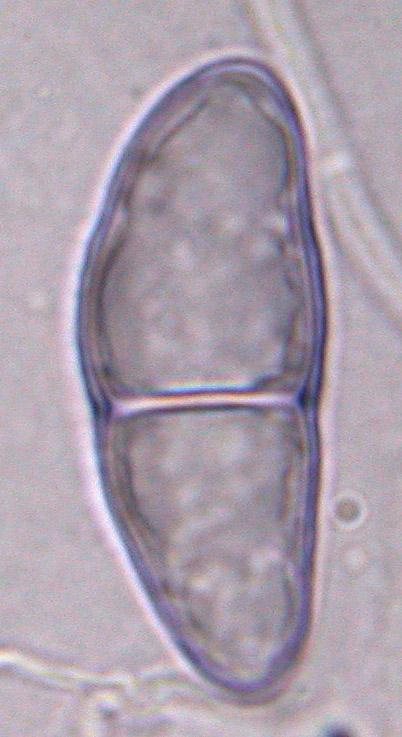
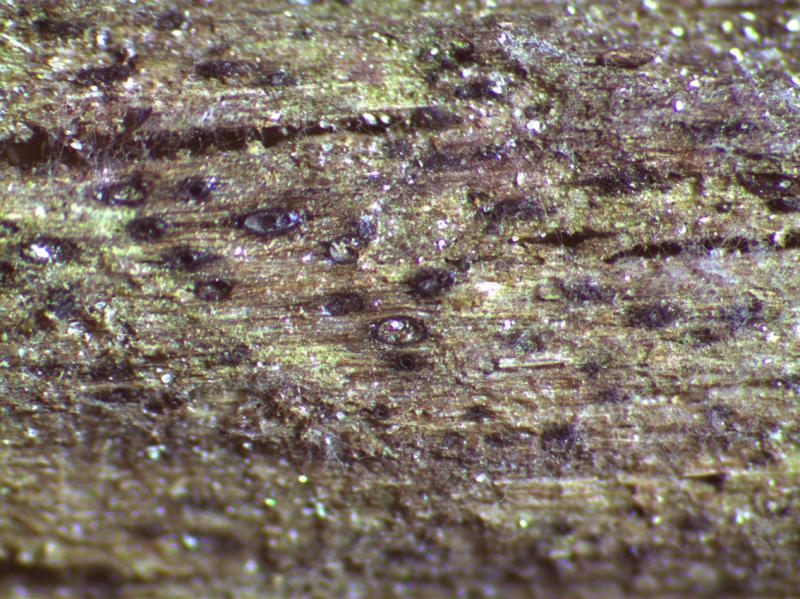
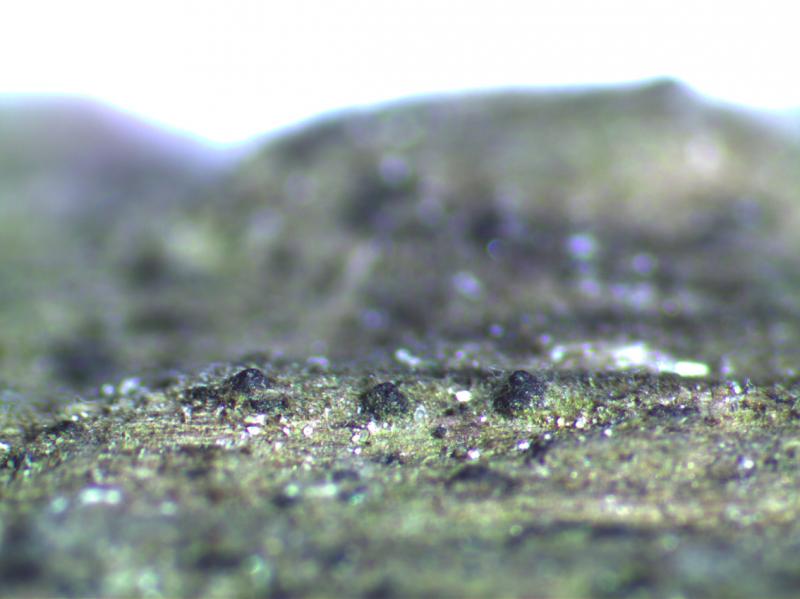
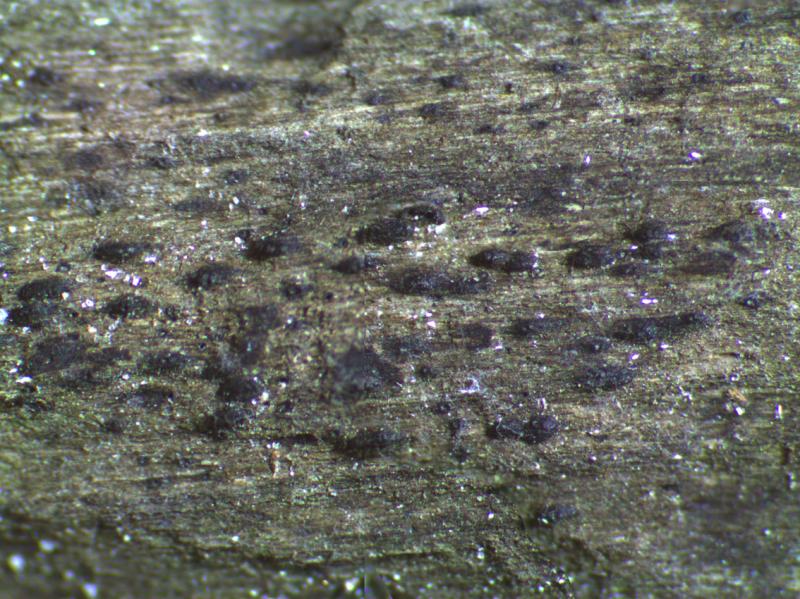
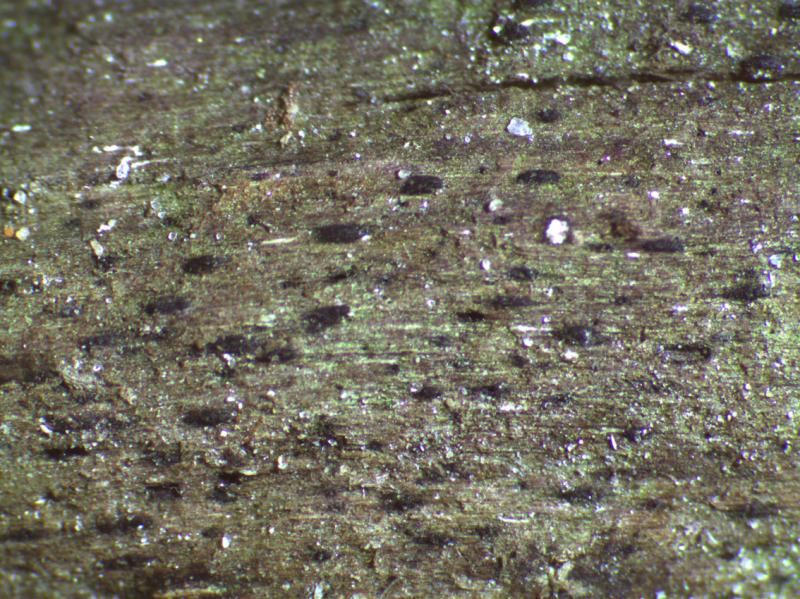
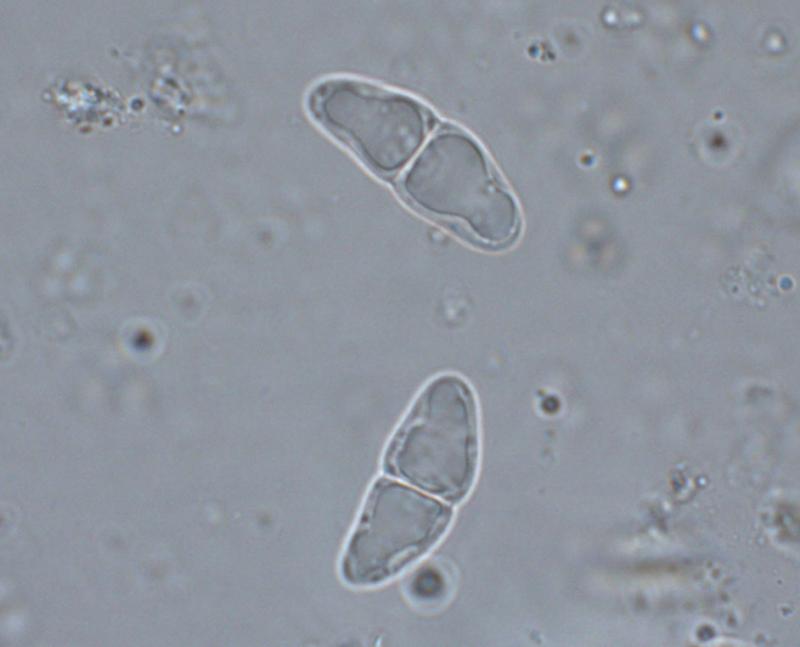
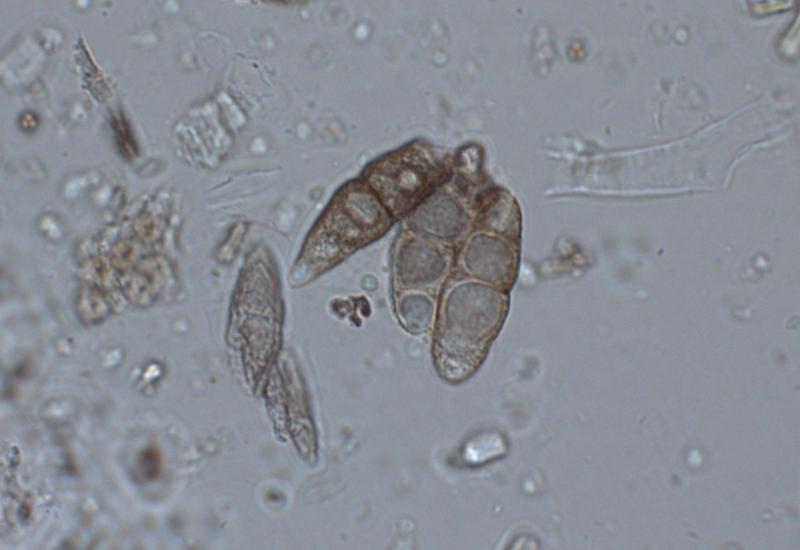
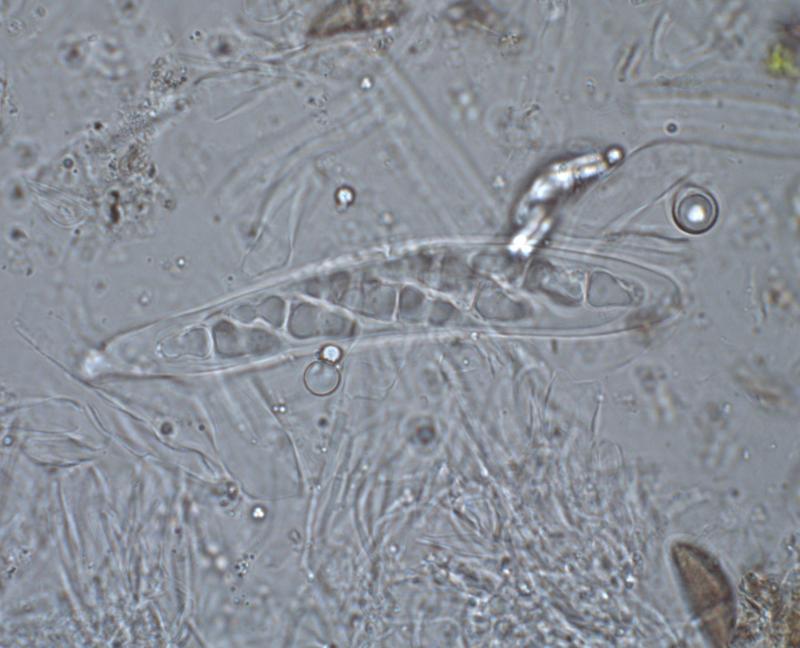
I was wondering if someone could help with this aquatic fungus, found on a deciduous branch in a stream in Sweden. Perithecia immersed, elongated, with a more or less elongated neck. It has two-celled spores, hyaline when they are inside the asci, but brown, 4-celled and finely warty when senescent, 24-28 x 9-10 µm. Hamathecial filaments are cylindrical as well. The photos I send are taken from dead material.
Looking at the available literature I have, I wonder if it might conform to Lentithecium fluviatile, but the spores did not have any sheath when I looked at it fresh (I only used water) and the perithecia seem more elongated like in some Lophiotrema. Any other possibility?
Thank you in advance!
Cheers,
Ibai.
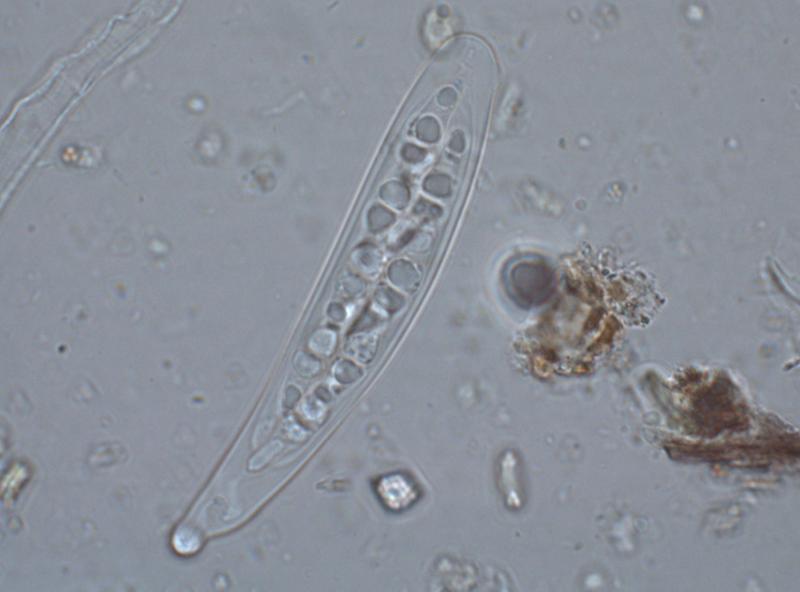

It reminds me more L. aquaticum then L. fluviatile.
The wood around ascomata seems to be dark-grey colored. Spores dimensions fits well : 25-30x8-12um in Zhang & Co. : http://www.fungaldiversity.org/fdp/sfdp/FD38-13.pdf
They are broadly fusiform with rounded ends, hyaline, 2-celled and four celled with age, constricted at the septum, they should have four refractive guttules before beeing dried.
You should check the presence or not of gel sheat in Indian ink. Not easy to see. Impossible to see in water only, I think.
We have here in France many recolts of Lentithecium cf. aquaticum lacking sheat around spores. Is it possible for you to send me a part of your recolt ?
Yannick
Thank you Yannick!
I meant in fact aquaticum, that was my conclusion but I then switched the names. You are right, the spores had 4 guttules when alive and the wood was grey tinged (but I see that colour often when I collect on wood pieces in streams).
Sure, I will try to make the material available to you. I will email you privately.
Cheers,
Ibai.

clearly L. aquaticum. The sheath around the ascospores is most often visible in water but it stains readily in aqueous nigrosin (photo attached).
The brown verrucose senescent ascospores are rarely encountered and may be misleading.
Cheers,
Jacques