
15-05-2026 13:33
Sylvie Le GoffBonjour à tousJe serais très reconnaissante enve
16-03-2011 14:31
roman vargas albertoHi. I would like some opinion about this Peziza
14-05-2026 05:36
Ethan CrensonHi all, I haven't paid much attention to Lachnu
10-05-2026 23:17
 Andreas Gminder
Hello,today we found in a moist steep decidous for
11-05-2026 12:32
 Bernard CLESSE
Pourriez-vous m'aider à identifier cette héloti
13-05-2026 15:26
 François Freléchoux
Bonjour,Voici une récolte faite il y a quelques j
12-05-2026 15:41
 Nicolas VAN VOOREN
Dear Ascolovers, especially interested in Pezizale
13-05-2026 12:05
 Thierry Blondelle
Bonjour à tous,J'aimerais avoir confirmation de c
28-04-2026 20:07
 Lothar Krieglsteiner
... on twig in the air at standing Ceratonia siliq
27-04-2026 20:52
Lothar Krieglsteiner
Found on hanging tiwg of Olea europaea in dried-ou
Hi all
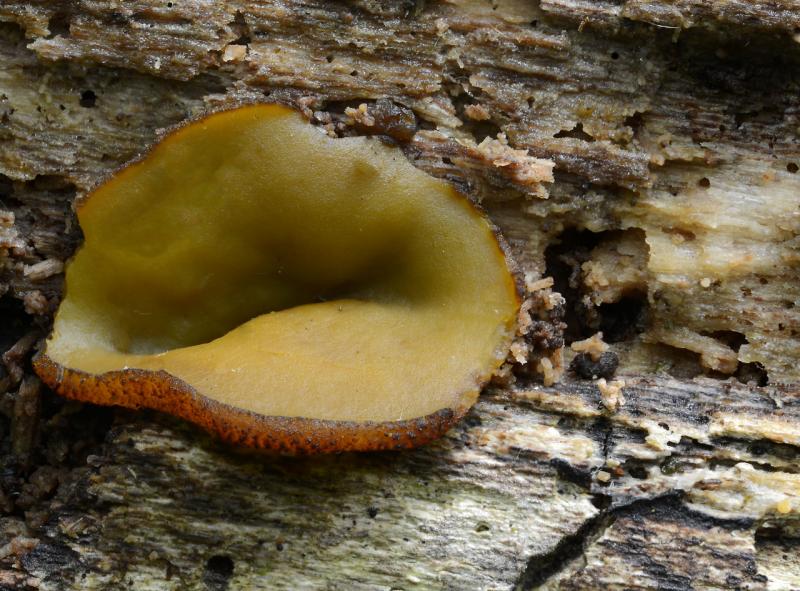
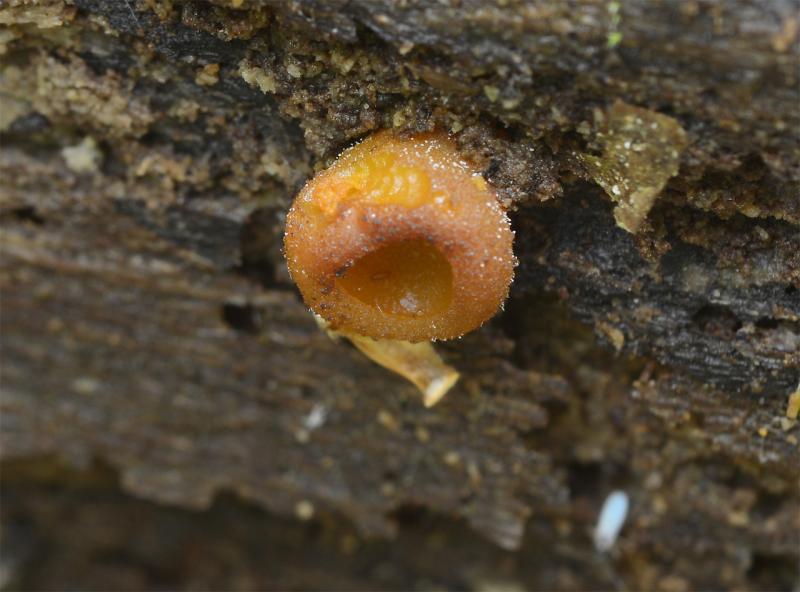
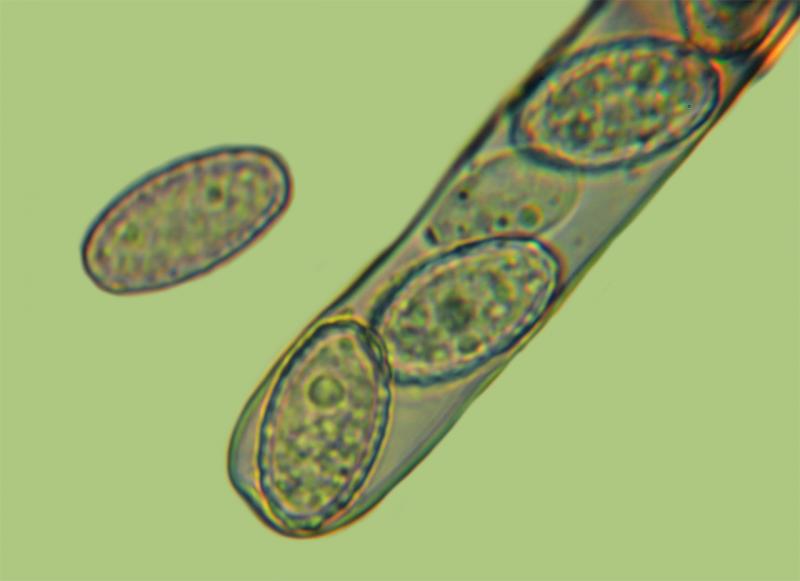
I recently found this Ascomycete in Anston Stones Wood growing on the underside of a very wet 'rotting' Fraxinus log.
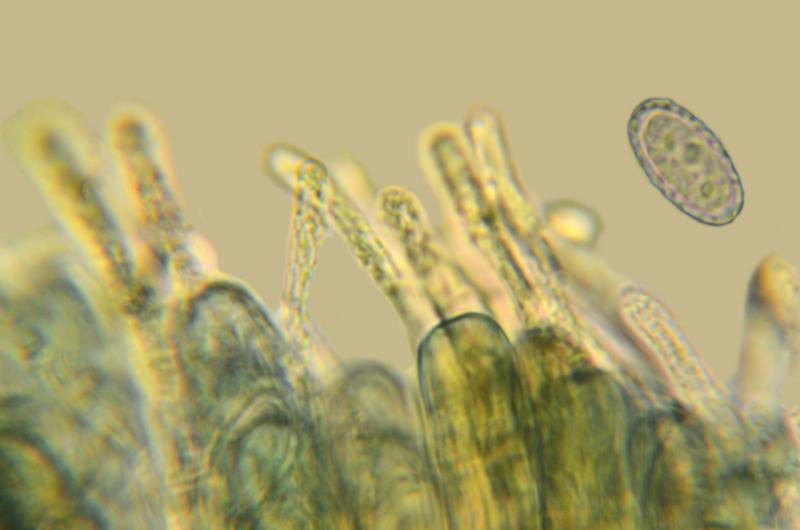
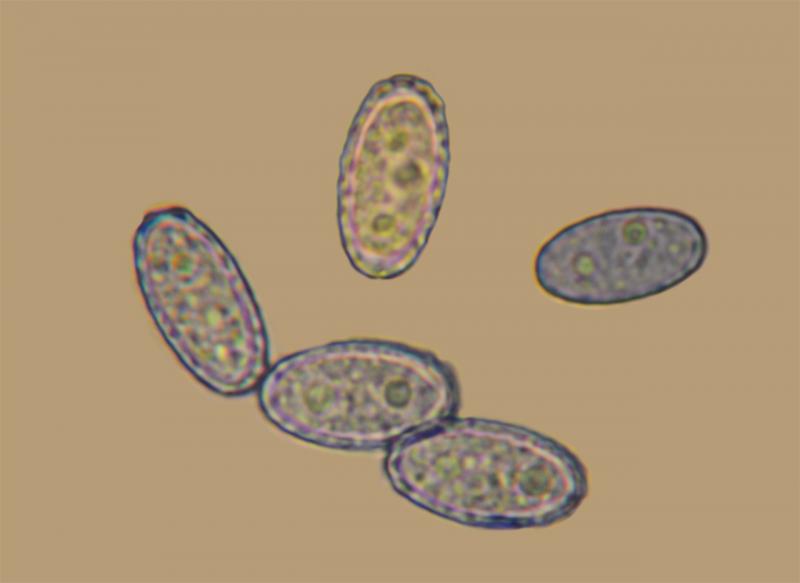
The Spores measured 17 x 8 microns. Ascus tips blue in Melzers,
Any help, comments much appreciated as always.
Best Wishes - John
Hello,
very probably yes.
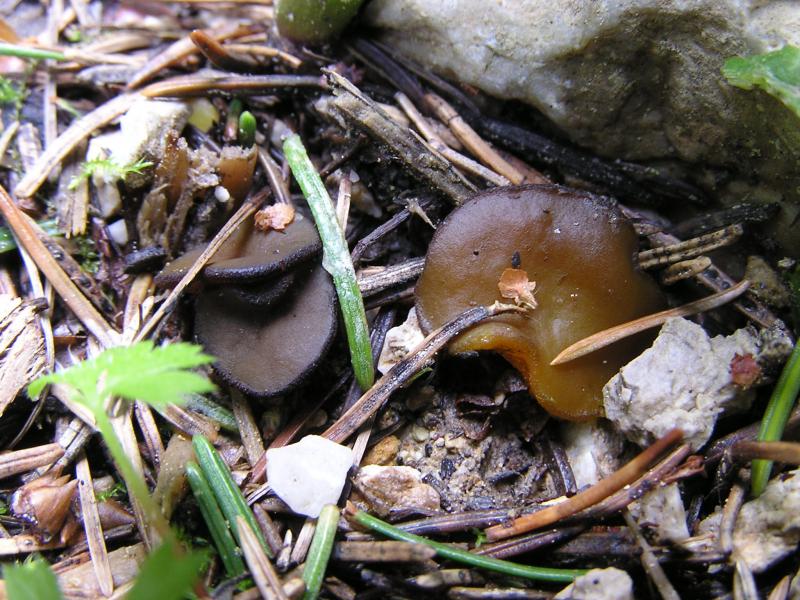
The colour change (olivaceous to ochraceous) and the shape (somewhat umbilicate) are typical for the "apiculati"-group. But to be certain we need to see mature spores and how the ornamentation looks like then. Best coloured by cotton blue.
best regards,
Andreas
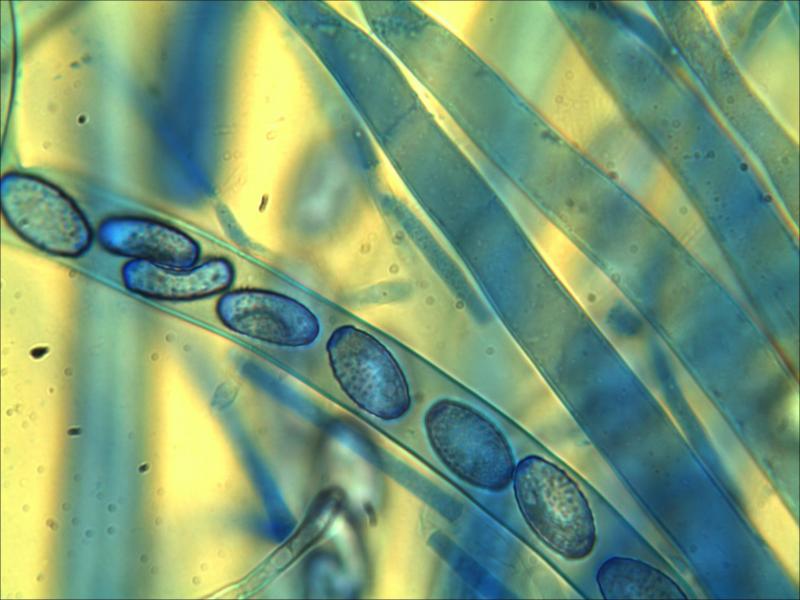
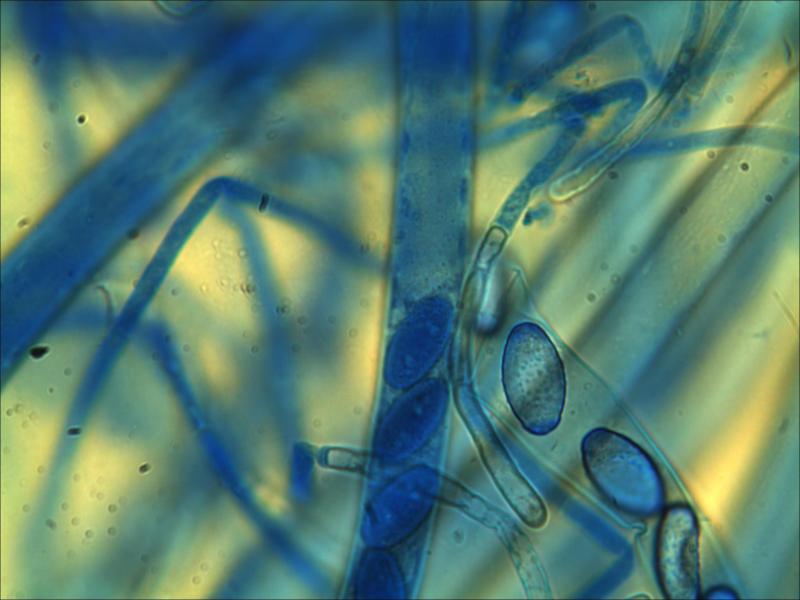
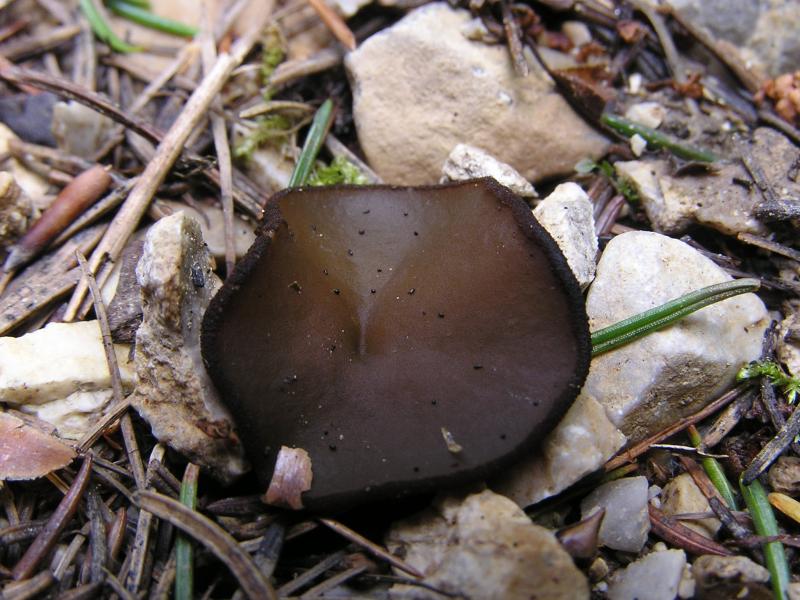
Thank you for your reply and examples. I shall have a look at the material as you suggest and update.
Very Best Wishes -John
Hello
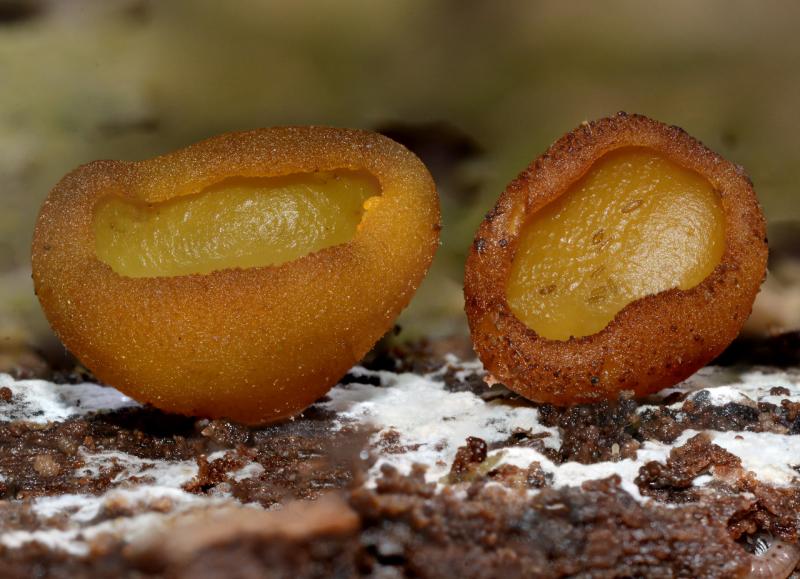
Sorry for the delay in reply but I needed to get more material. Even after a thorough search I only managed to find another 2 small Apothica 8 to 11mm dia.
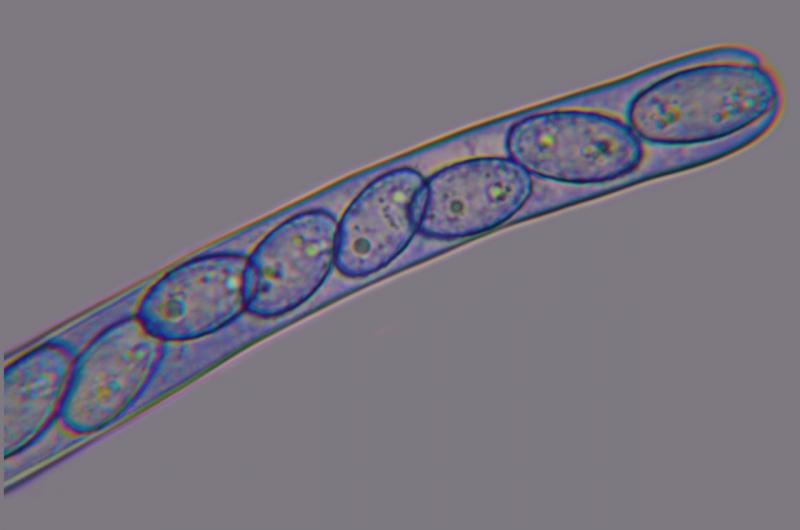
I did as you suggested but still can't replicate the spore characteristic as in your images. Maybe I did not soak in CB for long enough. Should I leave longer perhaps?
Best Wishes - John
Hello John,
the two apothecia shown are very likely to be too young to have mature spores. The characteristic ornamentation is only to bee seen at really mature spores.
best regards,
Andreas
Hello Andreas.
Yes I think I only have very young material as you suggest. I'll keep an eye on the 'log' for any further development but will name the fungus cf Peziza polaripapulata for now.
Thanks again for all your help.
Best Wishes - John