
16-03-2011 14:31
roman vargas albertoHi. I would like some opinion about this Peziza
14-05-2026 05:36
Ethan CrensonHi all, I haven't paid much attention to Lachnu
10-05-2026 23:17
 Andreas Gminder
Hello,today we found in a moist steep decidous for
11-05-2026 12:32
 Bernard CLESSE
Pourriez-vous m'aider à identifier cette héloti
13-05-2026 15:26
 François Freléchoux
Bonjour,Voici une récolte faite il y a quelques j
12-05-2026 15:41
 Nicolas VAN VOOREN
Dear Ascolovers, especially interested in Pezizale
13-05-2026 12:05
 Thierry Blondelle
Bonjour à tous,J'aimerais avoir confirmation de c
28-04-2026 20:07
 Lothar Krieglsteiner
... on twig in the air at standing Ceratonia siliq
27-04-2026 20:52
Lothar Krieglsteiner
Found on hanging tiwg of Olea europaea in dried-ou
11-05-2026 20:22
Lothar Krieglsteiner
on attached twig of standing Ficus caricaquite uns
 Hi,
Hi,I am new to this site, so please forgive any mistakes.
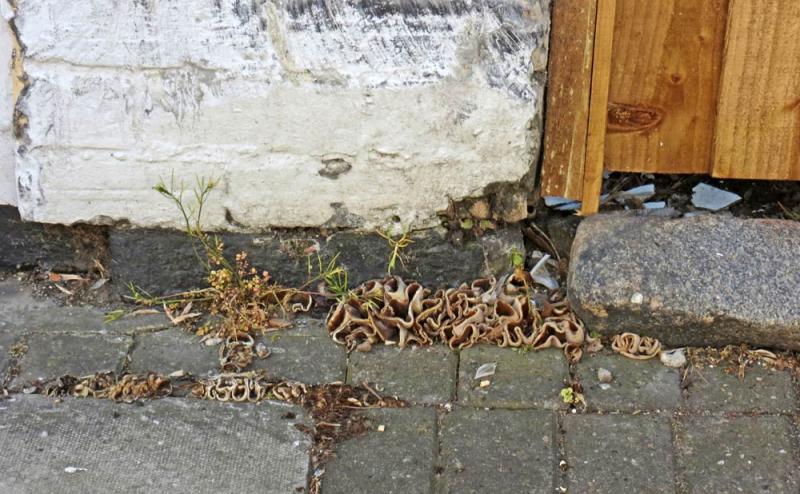
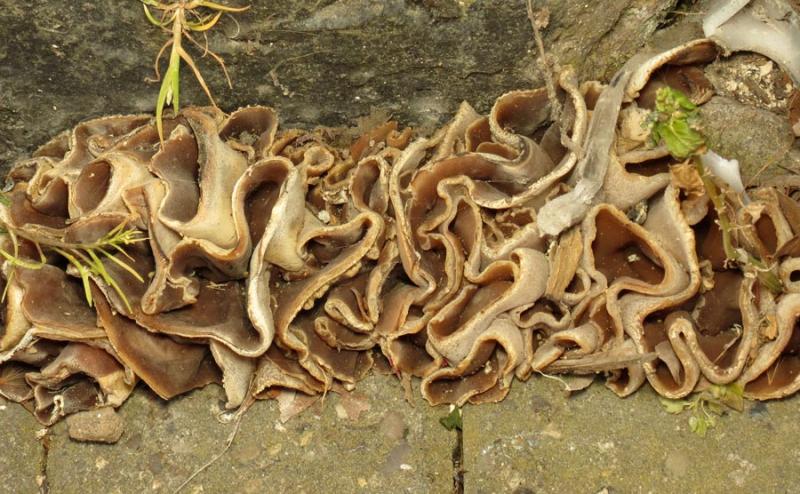
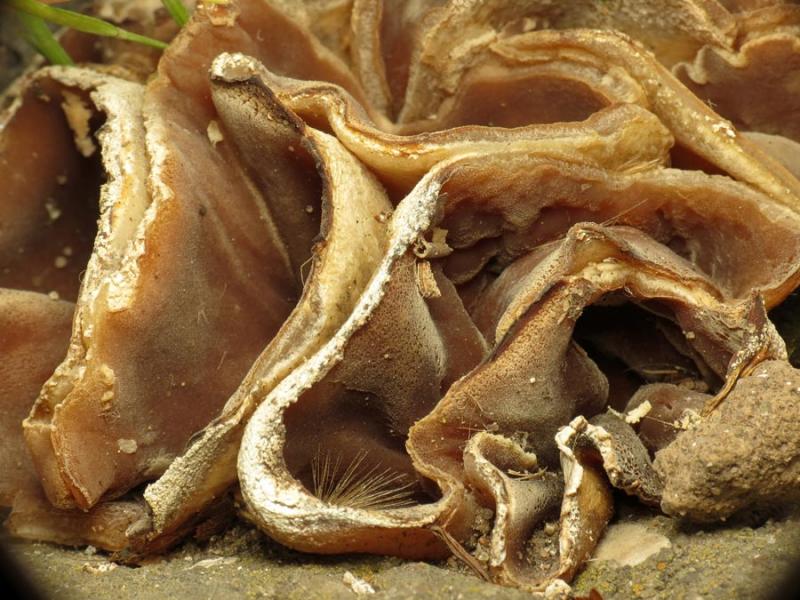
I think this fungus is Peziza cerea.
Is that correct?
Best wishes,
Martin

Hi Martin,
bienvenue sur le forum Ascofrance !
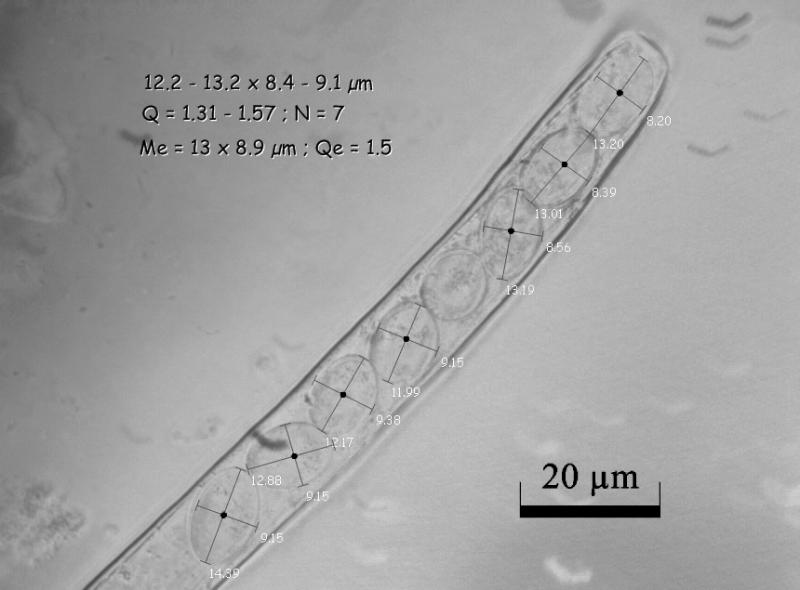
If you follow Hansen & al. 2002 , P. cerea is synonymous to P. varia.
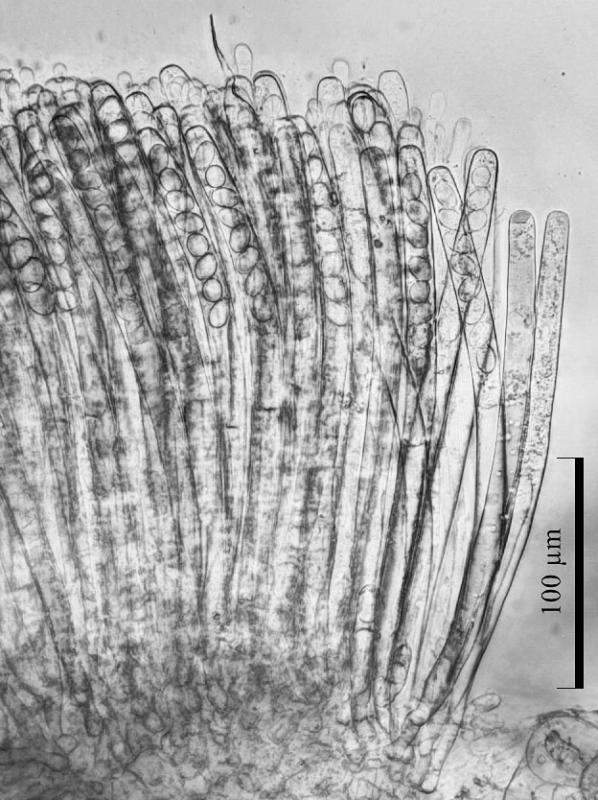
I wonder whether the measured spores are mature as they are still in the ascus , which may explain they are shorter as they should be for P. varia
Amitiés
Michel
Amitiés
Martin
The Piximetre data is as follows (Classical formula, 80% of measurements):
(13.8) 14.7 - 15.9 (17) x (7.8) 9.2 - 10.6 (10.9) µm
Q = (1.4) 1.43 - 1.7 (1.9) ; N = 50
Me = 15.3 x 10 µm ; Qe = 1.5
From that can we say it is definitely Peziza varia (= cerea)?
Best wishes,
Martin
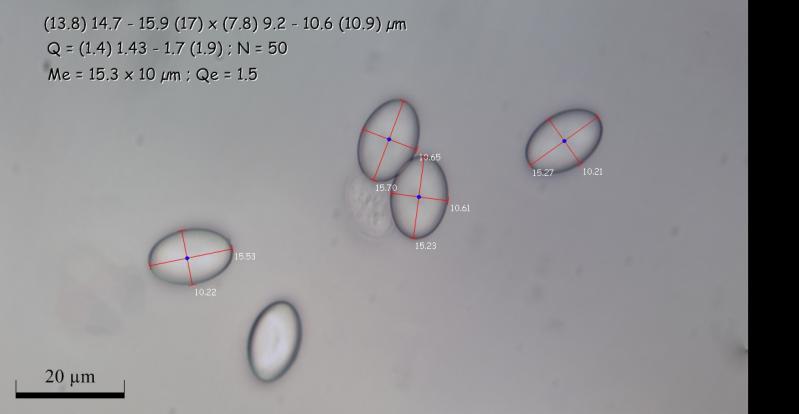
Martin, these measurements actually match P. varia's, to my knowledge.
In many collections, fortoulism in paraphyses can be observed in P. varia, but this character (which I cannot observe on your pics ) is not compulsery
Amitiés
Michel