16-03-2011 14:31
roman vargas albertoHi. I would like some opinion about this Peziza
14-05-2026 05:36
Ethan CrensonHi all, I haven't paid much attention to Lachnu
10-05-2026 23:17
 Andreas Gminder
Hello,today we found in a moist steep decidous for
11-05-2026 12:32
 Bernard CLESSE
Pourriez-vous m'aider à identifier cette héloti
13-05-2026 15:26
 François Freléchoux
Bonjour,Voici une récolte faite il y a quelques j
12-05-2026 15:41
 Nicolas VAN VOOREN
Dear Ascolovers, especially interested in Pezizale
13-05-2026 12:05
 Thierry Blondelle
Bonjour à tous,J'aimerais avoir confirmation de c
28-04-2026 20:07
 Lothar Krieglsteiner
... on twig in the air at standing Ceratonia siliq
27-04-2026 20:52
Lothar Krieglsteiner
Found on hanging tiwg of Olea europaea in dried-ou
11-05-2026 20:22
Lothar Krieglsteiner
on attached twig of standing Ficus caricaquite uns
these very rich apothecia were found on fruit catkins of Salix sp. on wet soil after snow melt. I would appreciate your help with prior identification.
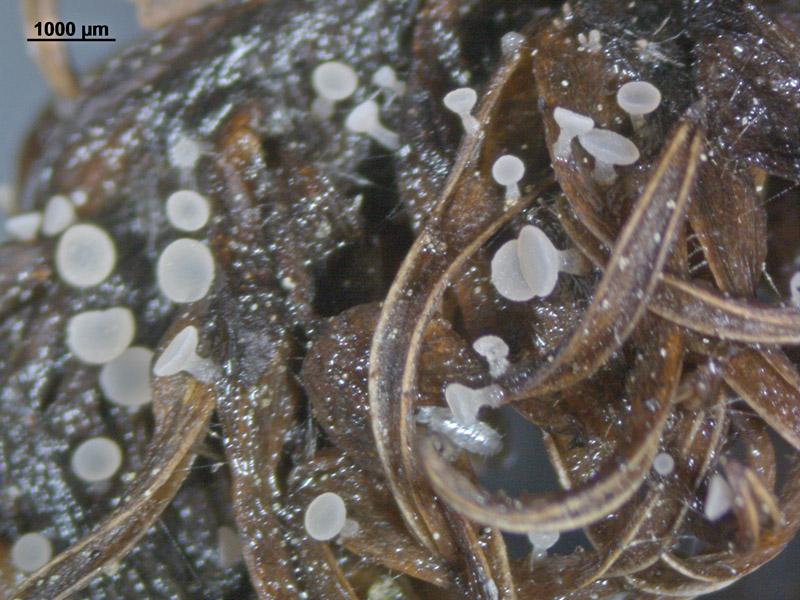
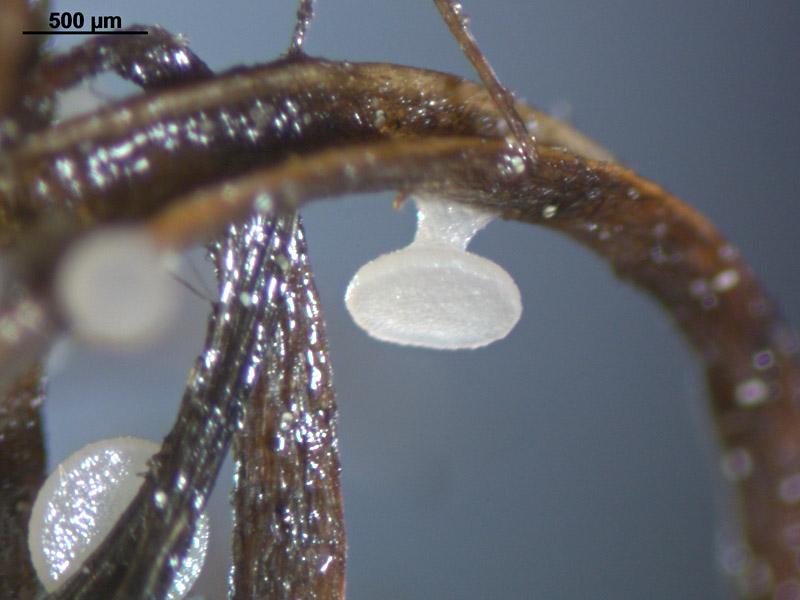
Apothecia stipitate, white to translucent, hymenium and outer surface the same color, up to 0.5 mm high, 0.7 mm broad (disc) and stem 0.2-0.3 mm thick, outer surface shortly pubescent, edge without pronounced hairs; crowded on last year fallen fruit catkins of Salix sp.
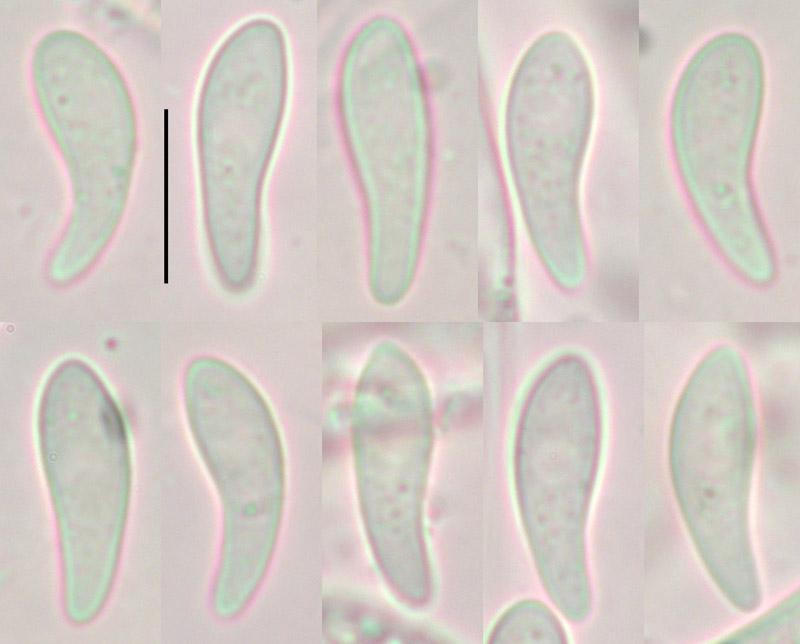
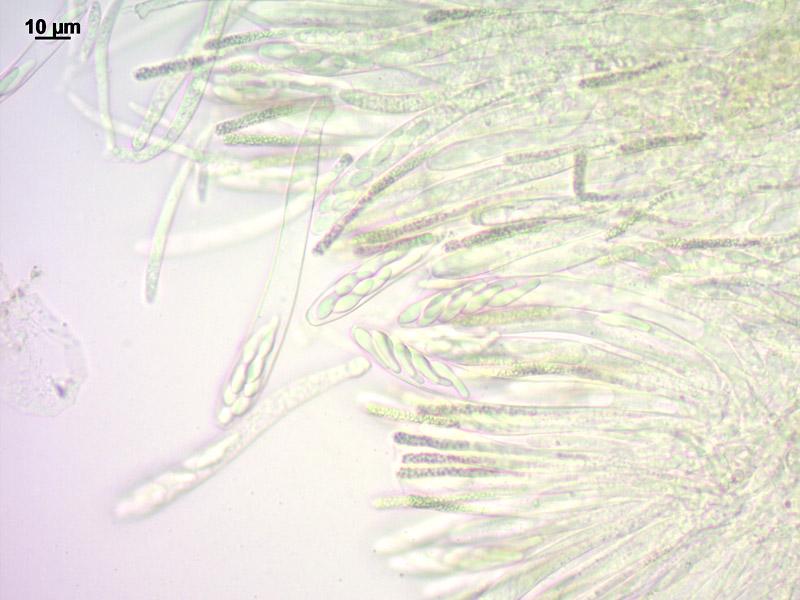
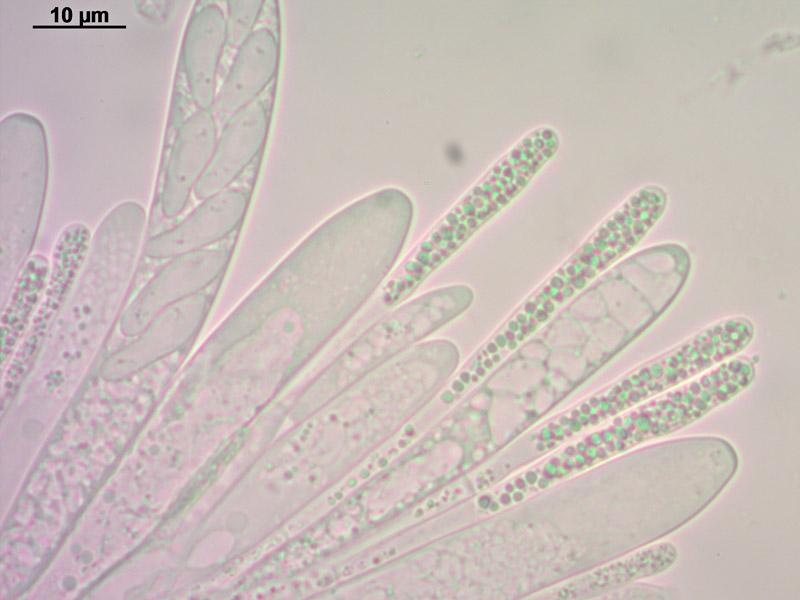
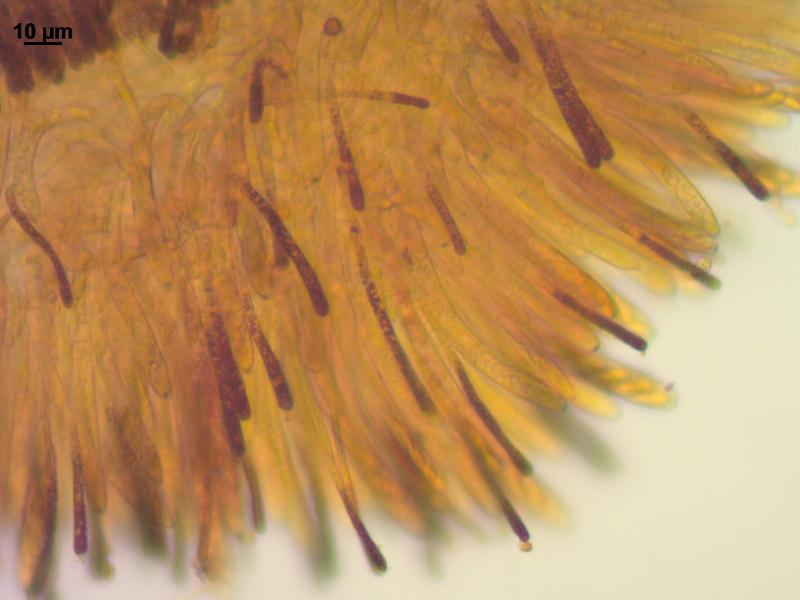
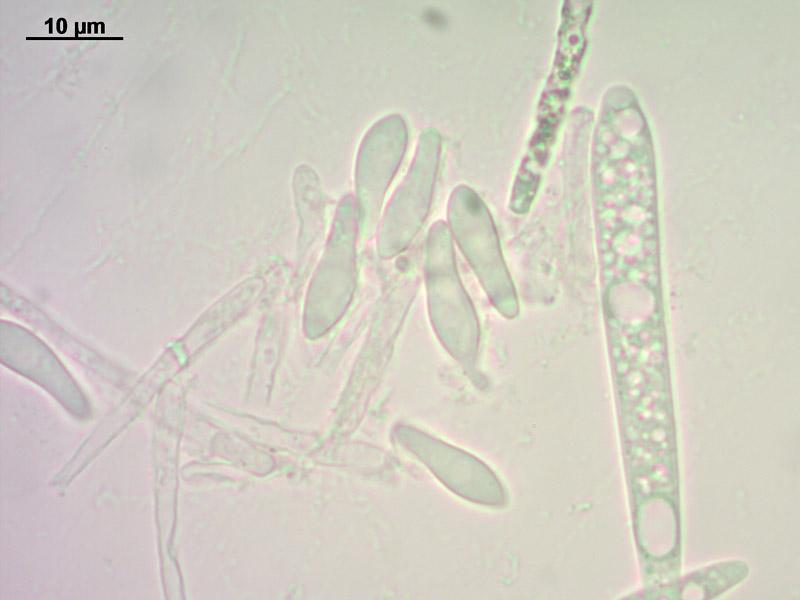
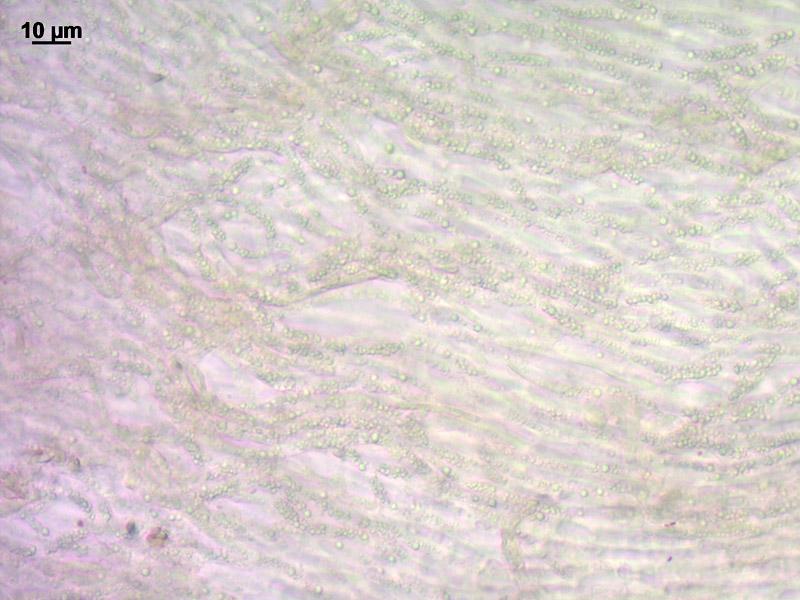
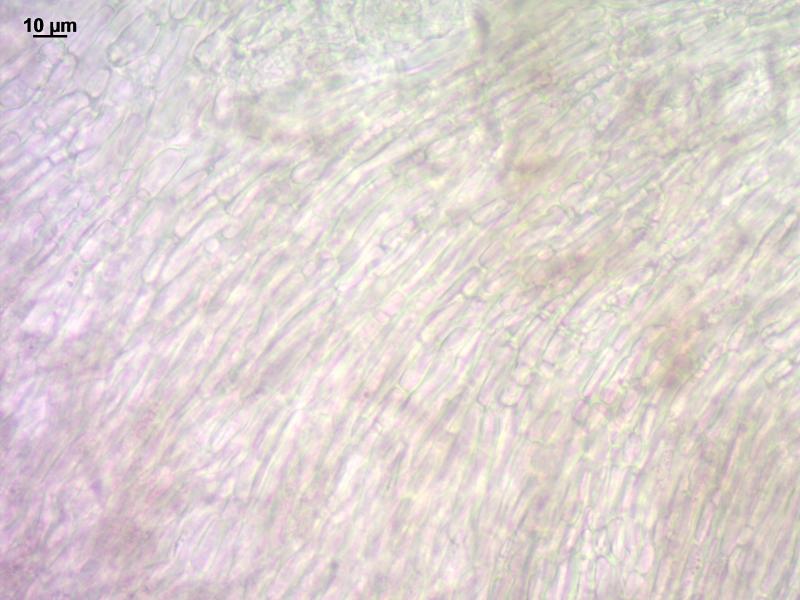
Excipulum from textura porrecta, the outer layer mady by cylindrical obtuse thin-walled hyphae filled with refractive valuoles, inner layer of prismatic cells with thickened walls; asci cylindrical, bent, with crozier, with euamyloid pore, 100-120 x 9-12 in vital state; paraphyses cylindrical, evenly enlarged to upper part, where 4 broad, with abundant small VBs in upper part, reacting reddish-brown with IKI; spores subfusoid, heteropolar, slightly bent, 15 (12-15.7) x 4.7 (4-5.4).
Nina.
Hi Nina,
why not Calycina amenti? (Pezizella amenti, Cyathicula amenti).
Best regards from Lothar

this one looks like Crocicreas amenti (Batch) Carpenter, now I dont have a good generic position present.
cheers,
Stip

I do not know why you have such large asci and long spores, but this can only be Cyathicula amenti (formerly Pezizella amenti). Typical spore size is about 9-11 x 3.5-4 µm.
Zotto
Zotto, i have measured additionally another two apothecia and spore size decreased, but not very much (and my microscope calibration checked recently):
13.7 (11.5-15.7) x 4.6 (4-5.4) (n=36).
Nina.
Forgot to say that the apical ring is of the Hymenoscyphus type.
today i have collected this species from another location 1 km apart from the first, and checked the spores again. They are that large too:
Spores 15 (13.5-16.4) x 4.6 (4.2-5), n=20.
That seems that our population of the species has larger spores. Other features are very similar to shown in Zotto's collection.
Here the picture of spores (bar=10 mk).