
11-01-2022 16:36
 Jason Karakehian
Hi does anyone have a digital copy of Raitviir A (
20-05-2026 17:47
Margot en Geert VullingsWe found this Mollisia on dead Juncus stems mown l
22-05-2026 14:47
Gernot FriebesHi,superficial ascomata collected on bark of a liv
22-05-2026 14:44
 Lothar Krieglsteiner
in unripe condition citrine yellow, then soon fadi
22-05-2026 13:29
Gernot FriebesHi,I am curious to hear your opinion on this mater
22-05-2026 10:59
 Nicolas VAN VOOREN
Trouvé sur Phragmites, ce que je pense être un L
20-05-2026 21:49
Margot en Geert VullingsWe found this Lachnum on Juncus stems mown last ye
21-05-2026 17:01
Pierre RepellinBonjour à toutes et à tous,Je recherche l'articl
20-05-2026 20:08
 Andreas Millinger
Good evening,another quite distinctive find from M
20-05-2026 12:57
 Ingo Ibelshäuser
Hello everybody, on decayed hardwood e.g. Quercus
Rhodotarzetta's anamorph ?
Nina Filippova,
01-03-2015 13:22
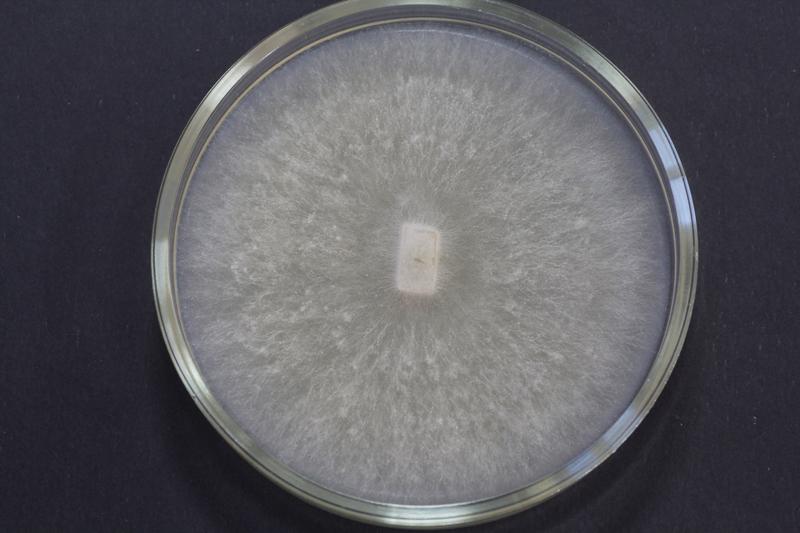
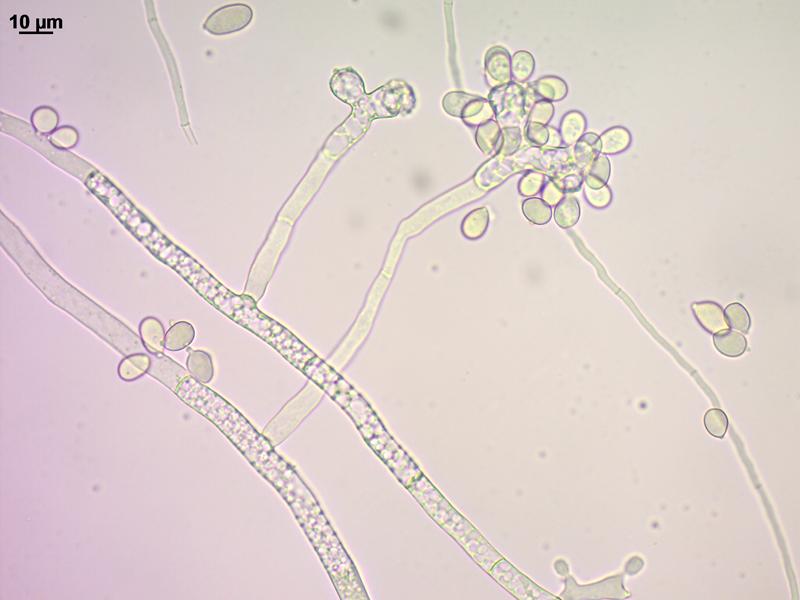
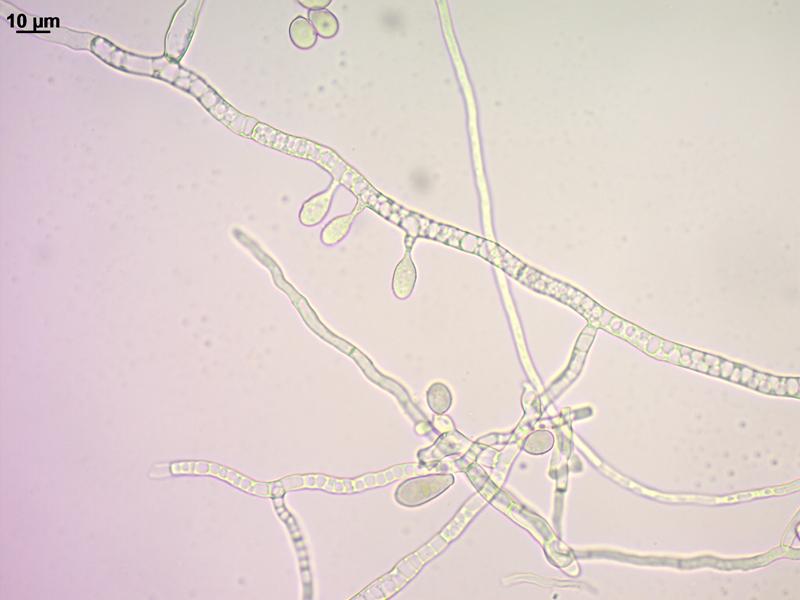
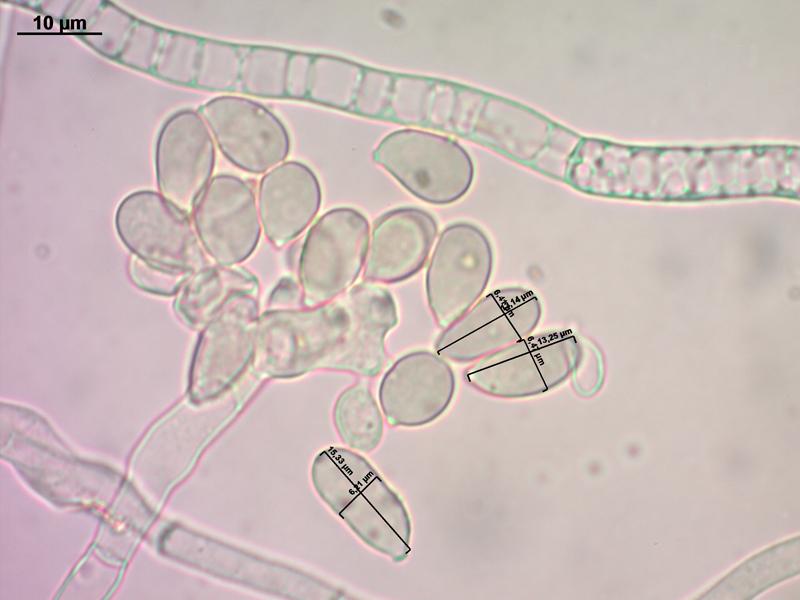
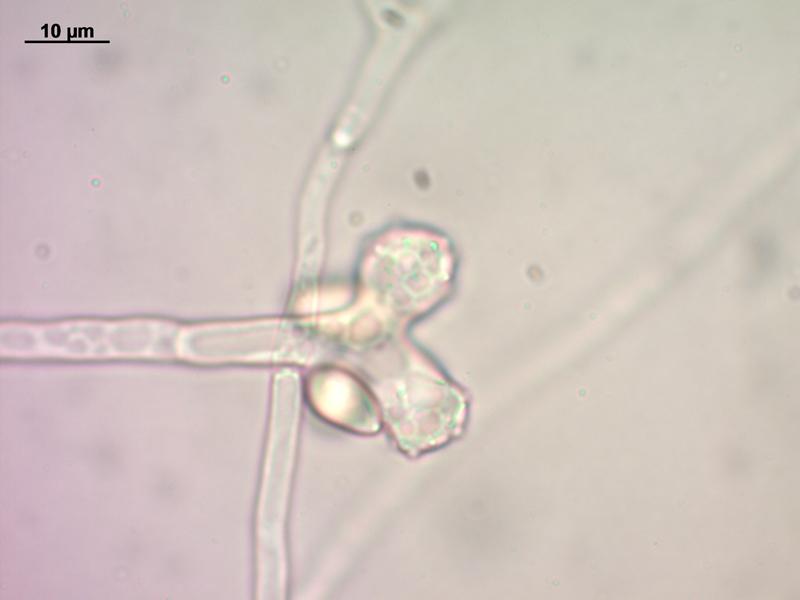
I have something Botrytis- like that may by an anamorph of Rhodotarzetta rosea in culture but i am not sure. I have inoculated dried pieces of apothecia and there were similar looking colonia in all Petri dishes. I am only learning in cultivation technique (it is still winter, therefore i use dried material) and thefore could have mistakes. Please, if you have some suggestion about this anamorphic species, it would be wonderful to know.
Potato-glucose-yeast-agar-charcoal (PH7): Colonia fast growing (9 cm in 3 days), grayish, with brownish conidial mass, pubescent, floccose and forming small sclerotia-like blobs, with not distinct radial zonation.
Yeast-agar-charcoal (PH7): Similar characteristics, but colonia much thinner, slowly growing and conidia barely forming.
Conidiophores about 5 broad, dichotomously branched, terminal fertile cells inflated up to 12 in diameter, producing conidia on short stalks; conidia ellipsoid, with short stalk, pale colored, light brownish in mass by naked eye, *13.7 (9,8-16.2) [17.7] x 6.7 (6-7.7), n=15.
The inoculation of a swan (sand-bran-charcoal) produced extensive growth, all volume was colonized in a week; no apothecia formed so far.
Hans-Otto Baral,
01-03-2015 15:24

Re : Rhodotarzetta's anamorph ?
Did you compare Oedocephalum? I am not familiar here but this would be my first idea.
Zotto
Zotto