
23-05-2026 11:44
 Charles Grapinet
Hello, I am having trouble identifying this copro
25-05-2026 16:44
François BartholomeeusenHi forum members,During an excursion organised by
25-05-2026 16:35
 Bernard CLESSE
Bonjour à toutes et tous,J'ai trouvé récemment,
22-05-2026 13:29
Gernot FriebesHi,I am curious to hear your opinion on this mater
23-05-2026 18:57
Sylvie Le GoffBonjour à tousRécolté sur une branchette de Sal
22-05-2026 14:44
 Lothar Krieglsteiner
in unripe condition citrine yellow, then soon fadi
22-05-2026 21:35
Steve ClementsBonjour, I expected this find on old wood on our
22-05-2026 18:12
Lothar Krieglsteiner
... in moist chamber from Portugal.As the fungus s
22-05-2026 20:08
Ethan CrensonHello all, Yesterday in NYC I was visiting an e
 bonjour
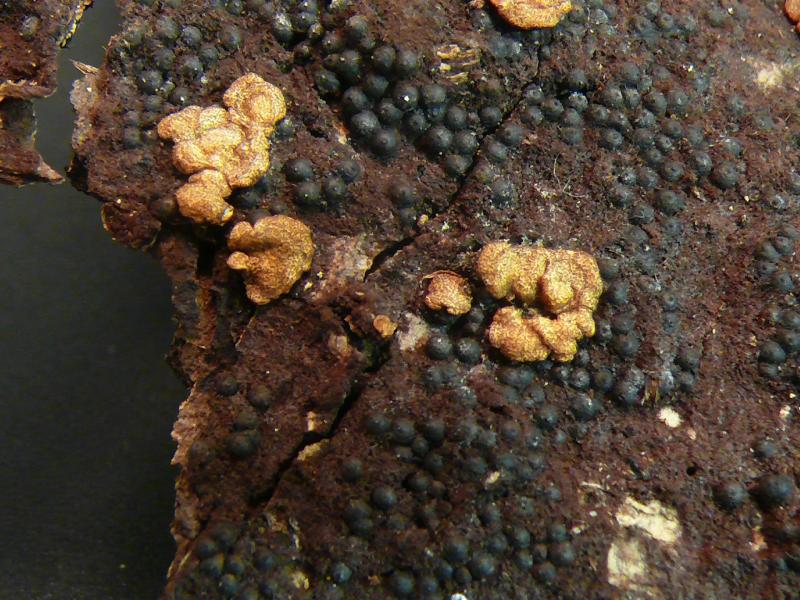
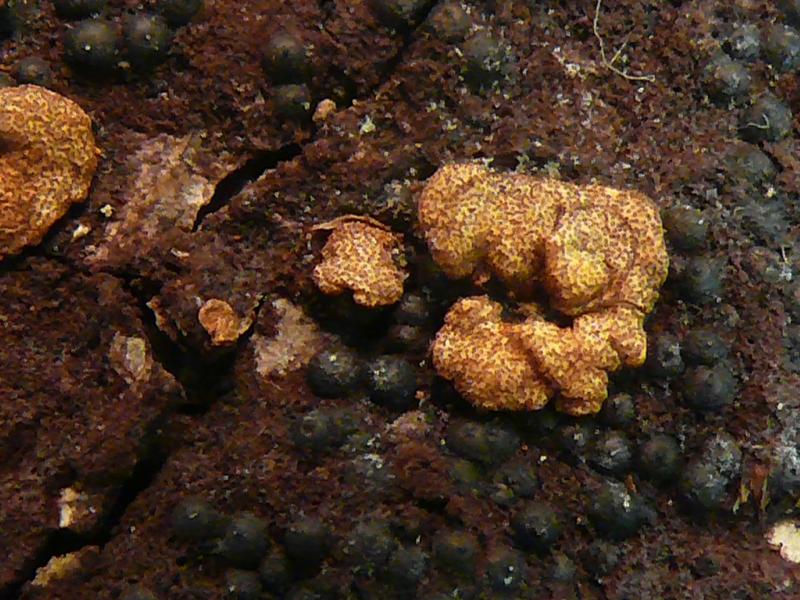
 j'ai trouvé la semaine dernière a Mayotte des hypocrea sur rosellinia cf corticium
J'ai vu dans "european species od hypocrea part II species with hyaline ascospores" qu'il existe HYpocrea stilbohypoxyli venant sur rosellinia corticium (holotypr puerto rico)
Existe t'il d'autres espèces d'hypocrea venant sur le même support ???
Voici la description de mes spécimens Carpophore :
d'abord en forme de demi sphère de 1 à 32 mm de couleur jaunâtre piquetées de point noirs (ostioles ???) poussant sur les stromas ou le subiculum de rosellinia corticium, isolés ou agglomérés, en vieillissant sous forme variable circulaire ou irrégulièrement lobé
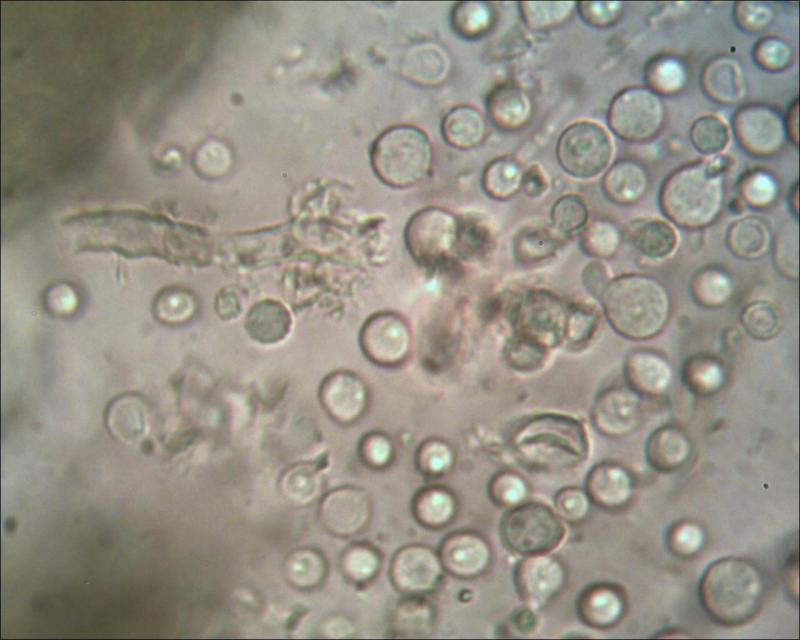
Spores hyalines rondes verruqueuses 3.7 – 4.2 – 4.7 – 5.1
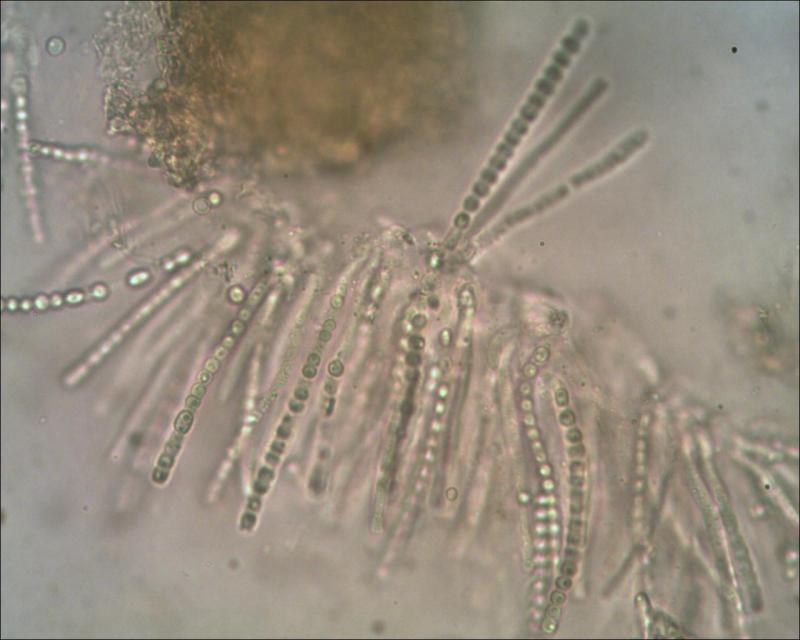
Asques 16 spores rondes verruqueuses ; à l'origine 8 chacune se scindant en deux 73 – 85 x 4,8 aps de paraphyses
?
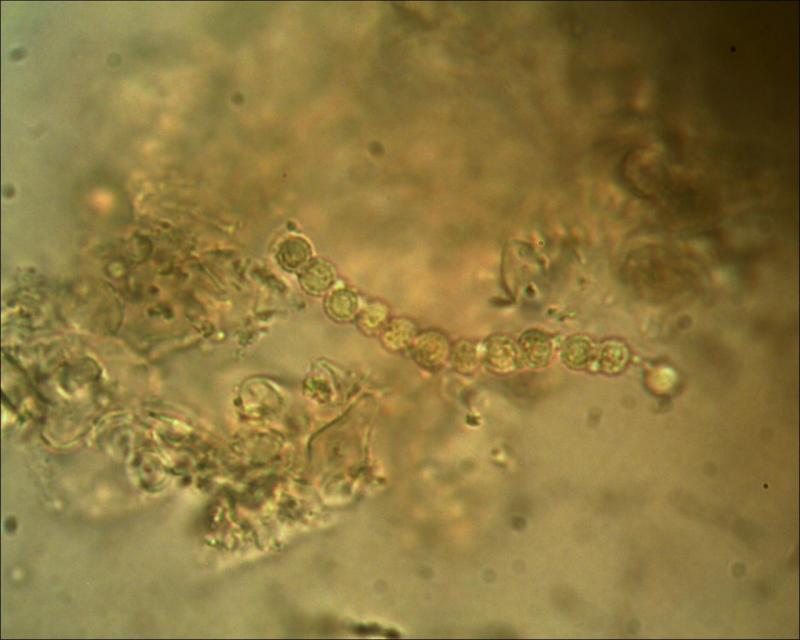
I have seen a similar thing several times, but it did not grow, therefore I did not describe it. Perhaps it grows from your specimen. So, if you wish, send it to me.
Best regards, Walter
Here is my address:
Dr. Walter Jaklitsch
Faculty Centre of Biodiversity
University of Vienna
Rennweg 14
A-1030 Vienna
Austria

I received Maurice's specimen three days ago, it is in culture and the ascospores germinated.
If you need of this culture, I can send you two plates (and the specimen) as soon as possible.
Regards,
Christian
I sent the specimen now they come within a fortnight
cordially
thanks for the nice material and cultures. The Hypocrea is H. jecorina, also known as Trichoderma reesei. This is a common tropical species, but as the Longibrachiatum clade now contains 21 species, sequencing is required, which in this case clearly supports its identity.
Cheers,
Walter
Thank you very much.
Cheers,
Christian
Merci christian