09-06-2026 18:32
Camille MertensSur morceau de roseau immergé 0,5 - 0,7 mm de dia
08-06-2026 10:16
 Spooren Marco
I don`t have a clou about this fungus,it is not in
08-06-2026 17:00
François BartholomeeusenGood day everyone, On June 5 2026, I collected de
07-06-2026 15:10
 William Slosse
Hello everyone,On 05-06-26, I found following asco
05-06-2026 11:02
Thomas Læssøehttps://svampe.databasen.org/observations/10596691
07-06-2026 12:09
 François Freléchoux
Bonjour, Voici une brève description de ce qui m
07-06-2026 12:43
Steve ClementsBojour. This was a strange find on a stick on my
12-07-2015 00:05
 Nedim Jukic
This one from the same locality as the previous on
06-06-2026 17:44
Steve ClementsBonjour, This disco was on planed wood 3 x 1.5 cm
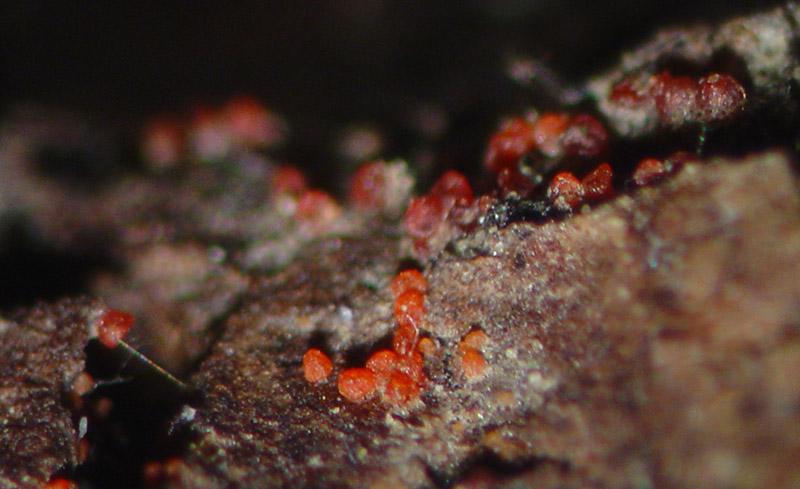
He encontrado estos pequeños peritecios sobre la corteza de una rama de planifolio (Navarra, España).
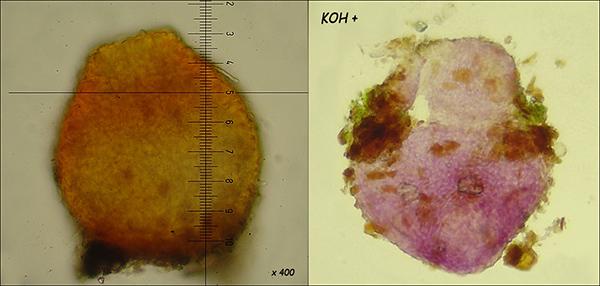
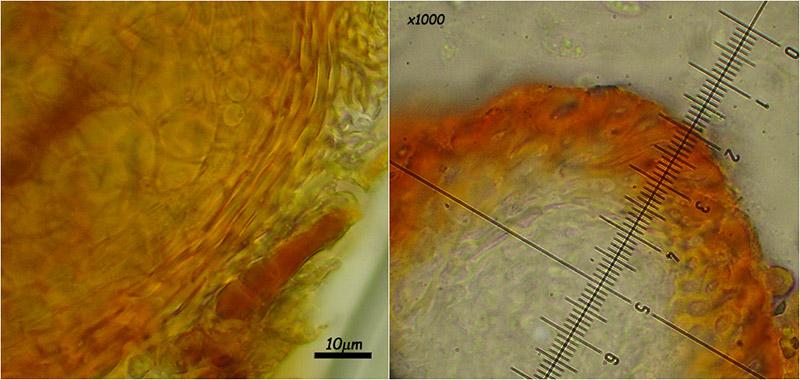
El sustrato está muy deteriorado, y no se decir si crece sobre corteza o sobre algun viejo e irreconocible pyrenomycete.El tamaño de los peritecios es de hasta 300 x 260um.
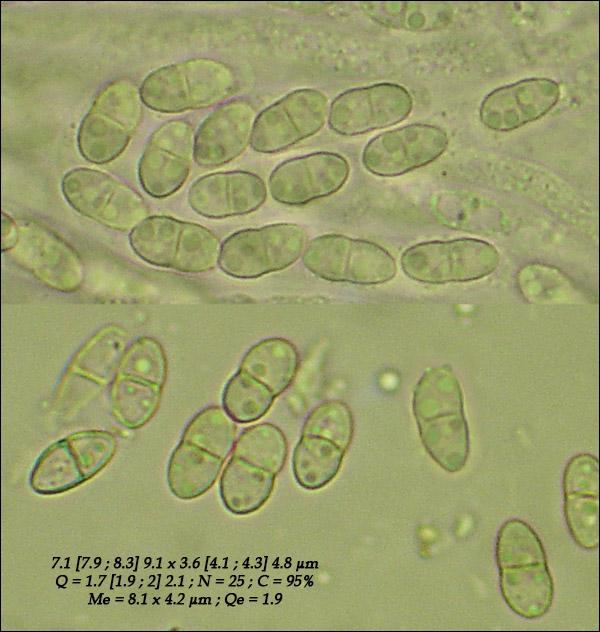
Esporas con 1 septo, verrugosas al madurar.
Podría ser Cosmospora?
Gracias, un saludo
Susana
Hi all:
I found these small perithecia on the bark of a branch of hardwood (Navarra-Spain)
The substrate is very deteriorated, and not say if it grows on bark or on some old and unrecognizable pyrenomycete.
Perithecia size is up to 300 x 260um.
Spores with one septum, warted when mature.
Could be Cosmospora?
Thanks, greetings
Susana
?