
28-04-2026 20:07
 Lothar Krieglsteiner
... on twig in the air at standing Ceratonia siliq
04-05-2026 18:13
 Stephen Martin Mifsud
ID request for what seems to be a true aquatic fun
04-05-2026 16:39
Stephen Martin Mifsud
ID request: This specimen was collected in Malta o
04-05-2026 09:50
 Castillo Joseba
Me mandan el material seco de Galicia,(España) re
02-05-2026 12:42
Alain BRISSARDBonjour à tousJeuidi 30 avril dernier on m'a remi
02-05-2026 13:06
Pauline. PennaBonjour Please can someone help me with this id
01-05-2026 22:45
 Thierry Blondelle
Bonjour à tous, Une récolte sur bouse séchée d
14-04-2026 05:32
Ethan CrensonHi all, A few weeks back a friend pointed out som
28-04-2026 20:33
Vitus SchäfftleinHello, I found Trochila ilicina on Ilex aquifoliu
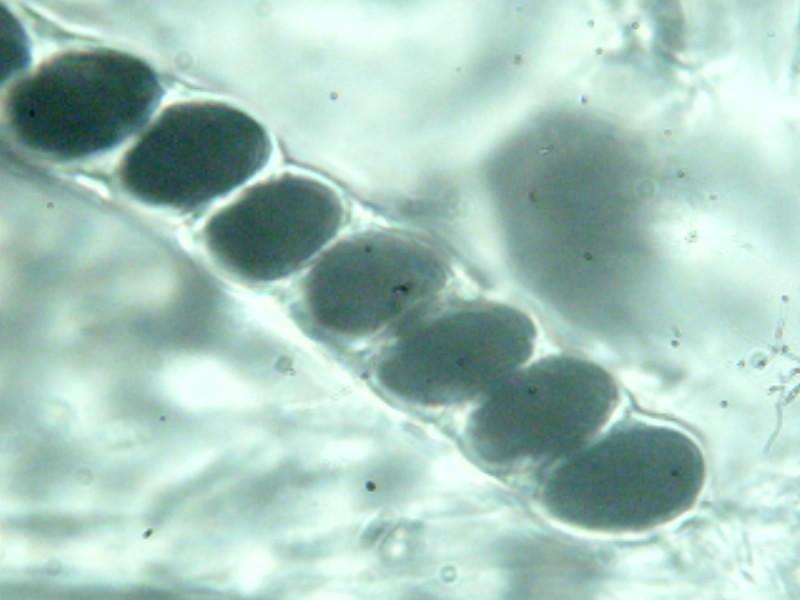
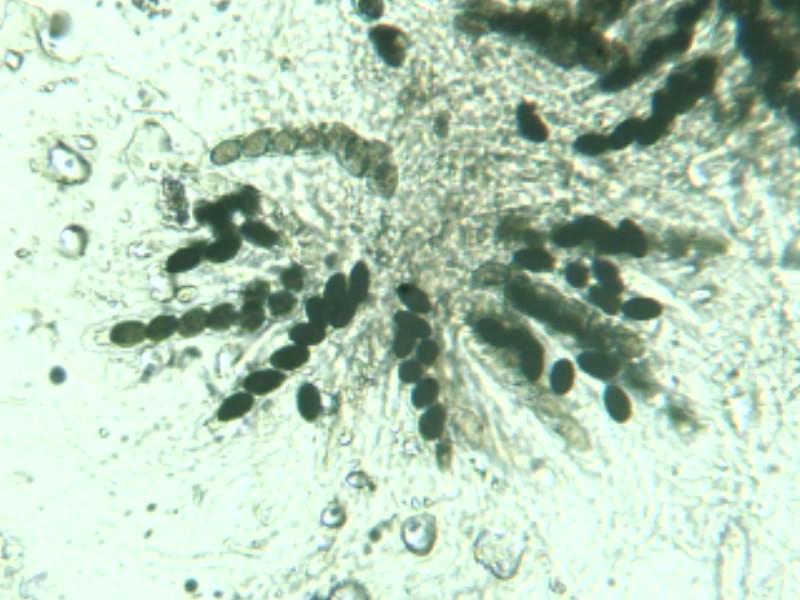
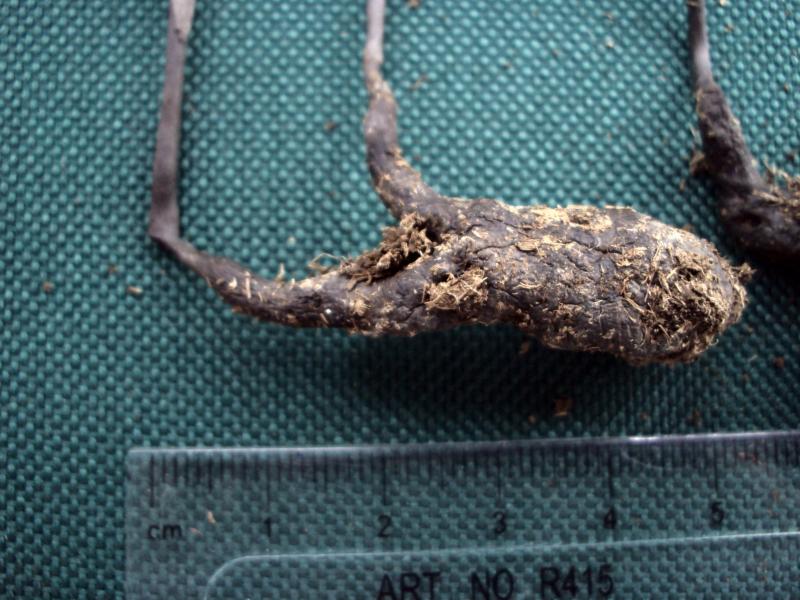
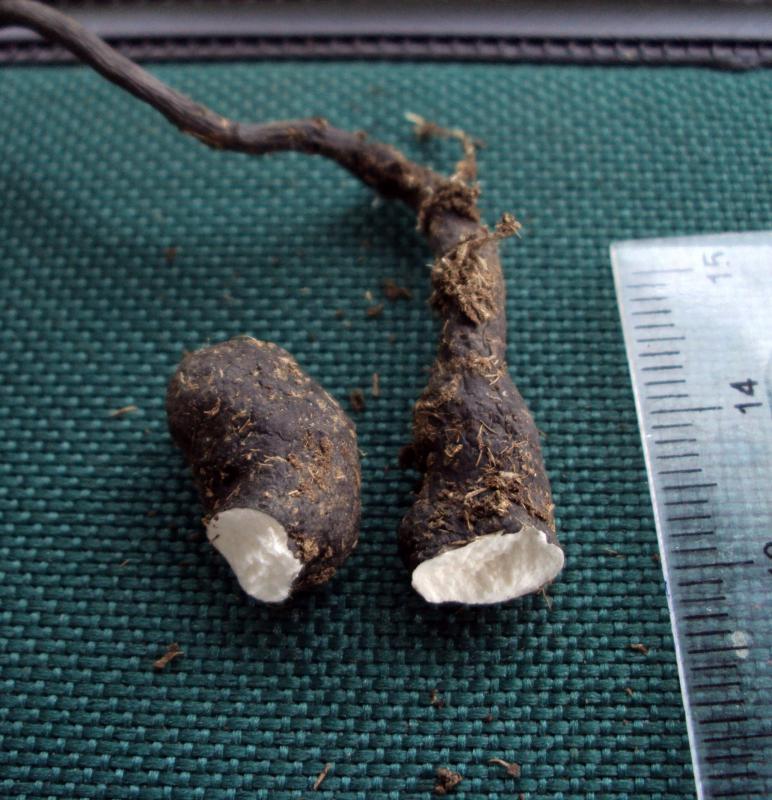
I found this Poronia in cow dung, have a large sclerotia between the dung and soil, first have a conical cap but later is flat with peritecias in the upper surface. May be any can help in the species.
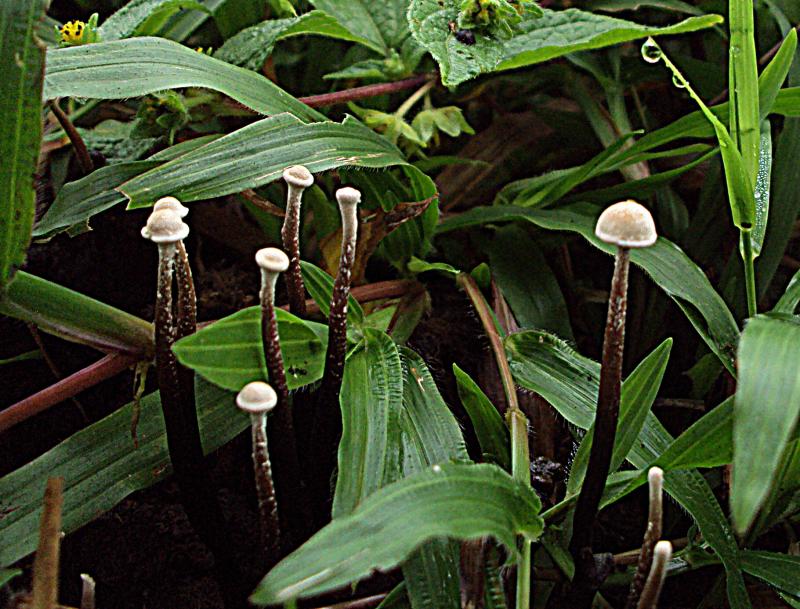
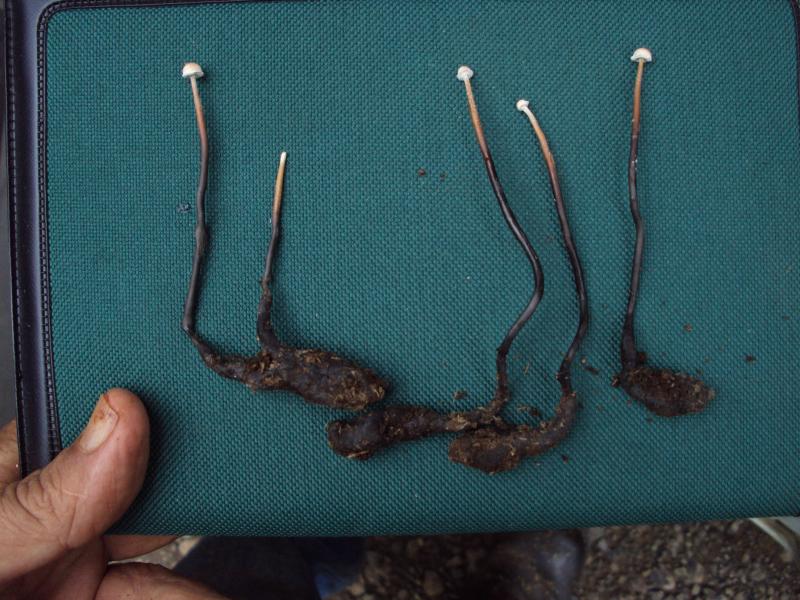
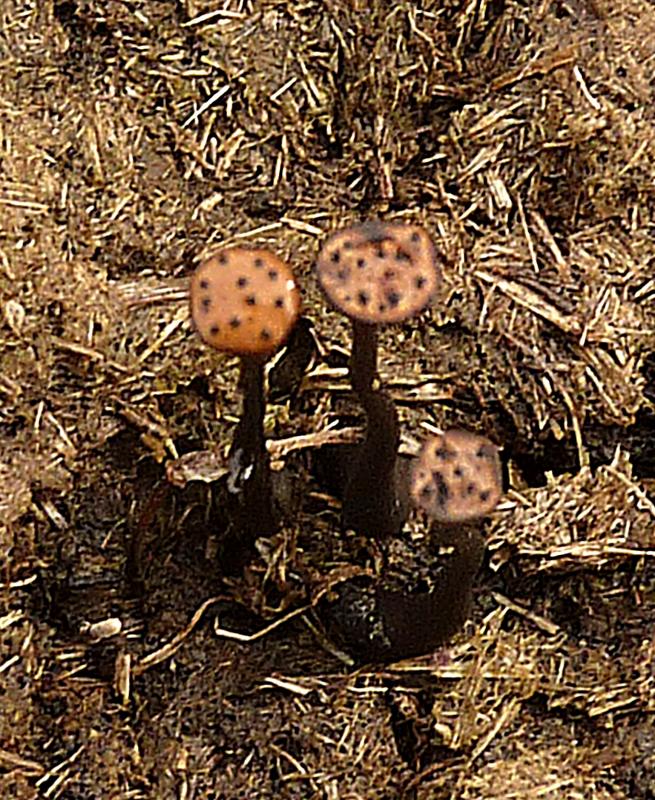
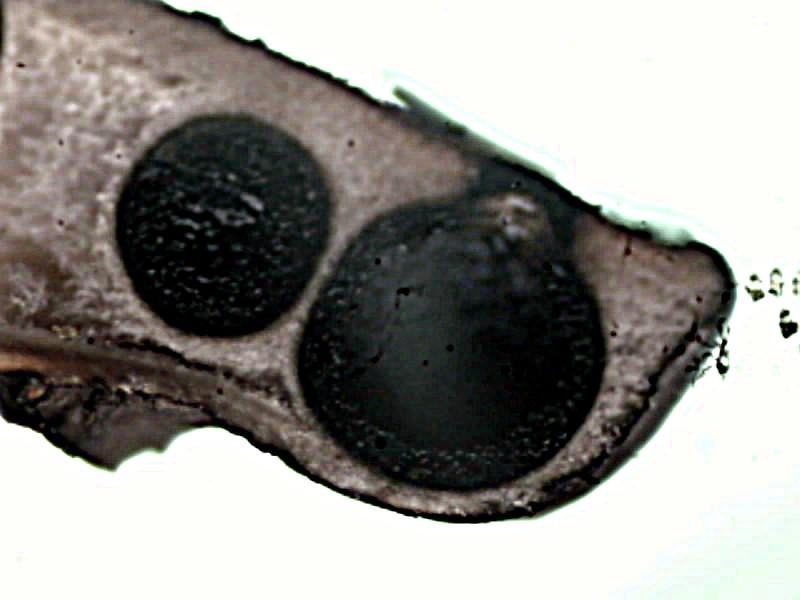

a long stalked species of Poronia is P. oedipus.
it is recorded from Panama: http://www.pnwfungi.org/pdf_files/manuscripts_volume_4/naf20093.pdf?
Regards
Martin
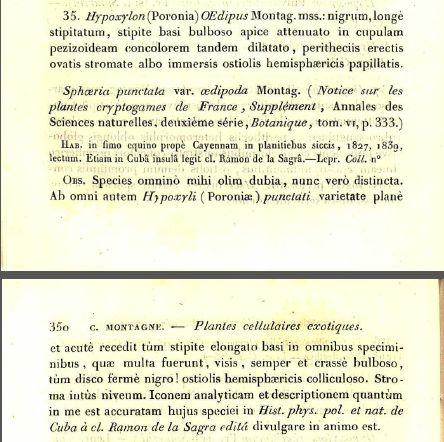
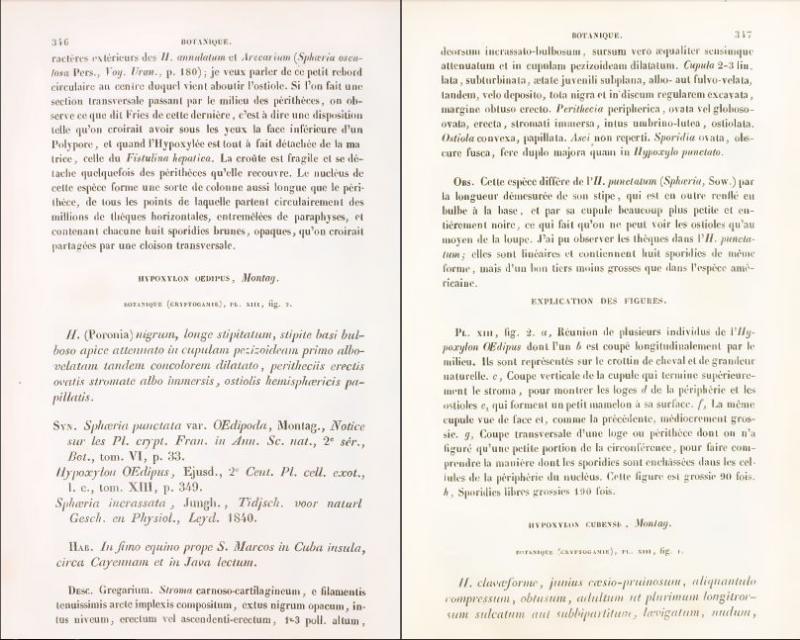
However, here is the protologue of P. oedipus by Montagne (1840) attached.
Regards
Martin

And see:Mycol. Res. 104 (12). 2000. Pag. 1417.

http://www.ascofrance.com/forum/11959/xylaria-guepini
Poronia oedipus (Mont.) Mont is smaller and has no bulb.
We have received a record from Panama Mrs Piepenbring.
Peter
Saludos.
of course I also know that for the determination of the type many factors are important. However, there are to my knowledge only such a great kind to manure, which I would describe as Poronia pileiformis . You got yourself but Xylaria (Acta Botanica Mexicana 42, 1998) called. Do you now have a another opinion?
Peter
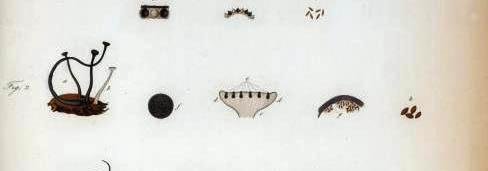
I attach the description by Montagne on Poronia oedipus (little more extended as in the protologue) as he gave it in de la Sagras volumes on the natural history of Cuba (for quotation I add the title too). I only have a poor copy of the figures to it. (who has a higher resolution copy of the "Atlas" ?). This one is from the New York Public Library site: http://tiny.cc/pxazlw?
My impression is that what he describes as the bulbous base of the stipe is merely the sclerotium. What do you think?
Regards
Martin
Greetings!
Saludos!!!