
09-06-2026 18:32
Camille MertensSur morceau de roseau immergé 0,5 - 0,7 mm de dia
08-06-2026 10:16
 Spooren Marco
I don`t have a clou about this fungus,it is not in
08-06-2026 17:00
François BartholomeeusenGood day everyone, On June 5 2026, I collected de
07-06-2026 15:10
 William Slosse
Hello everyone,On 05-06-26, I found following asco
05-06-2026 11:02
Thomas Læssøehttps://svampe.databasen.org/observations/10596691
07-06-2026 12:09
 François Freléchoux
Bonjour, Voici une brève description de ce qui m
07-06-2026 12:43
Steve ClementsBojour. This was a strange find on a stick on my
12-07-2015 00:05
 Nedim Jukic
This one from the same locality as the previous on
06-06-2026 17:44
Steve ClementsBonjour, This disco was on planed wood 3 x 1.5 cm
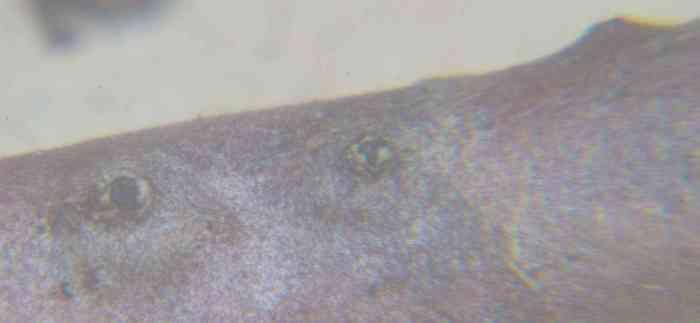
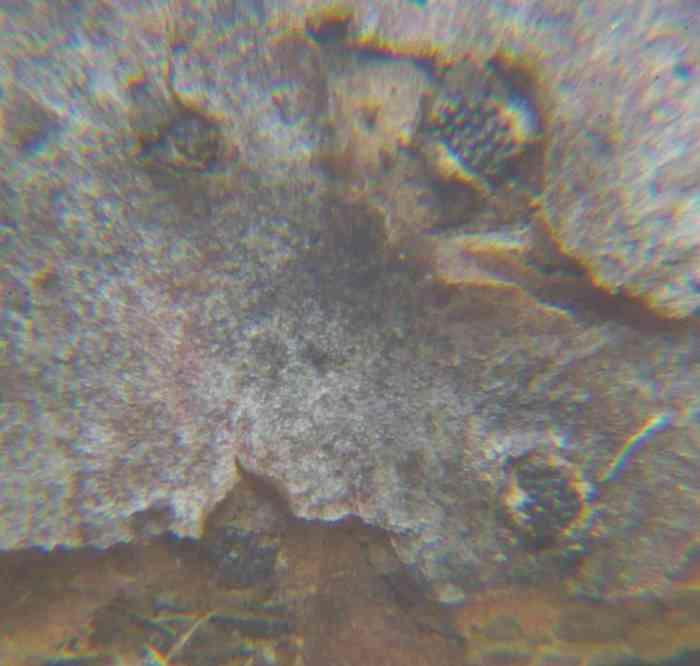
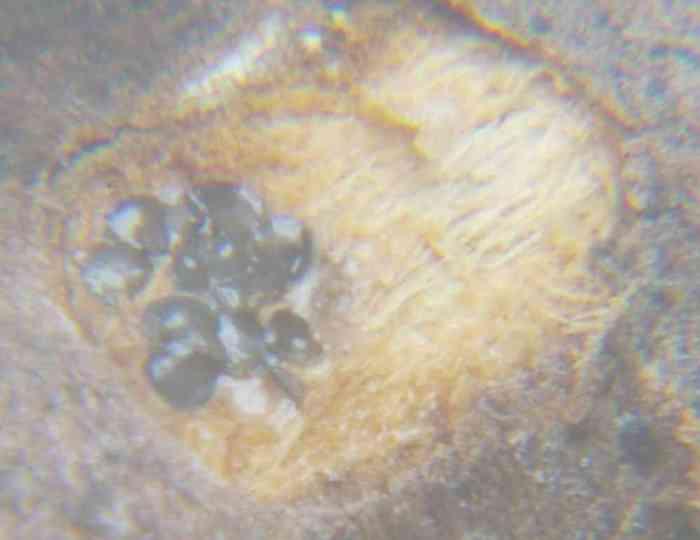
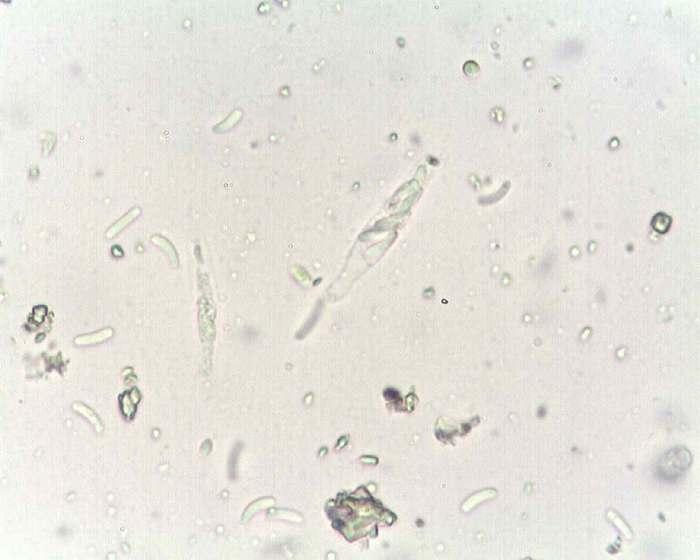
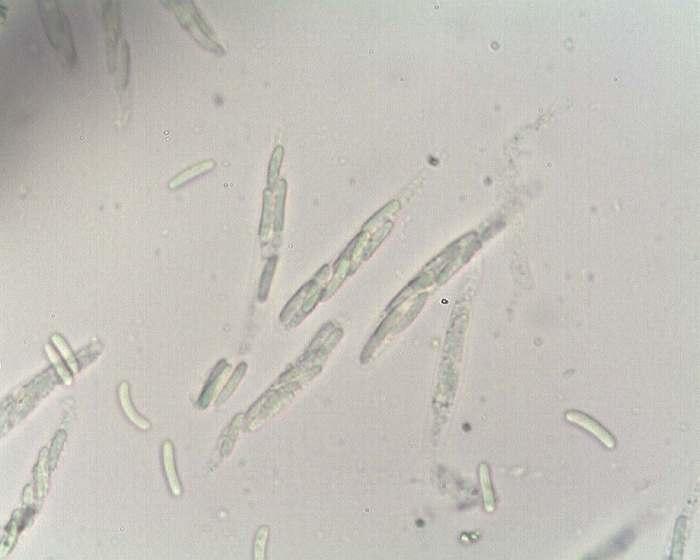
I am not able to locate this Valsacea (I presume). I hope that the following data and the photoes are enough for the location. Asci are 33-45(50)x5-6 micron about (only 8-spored) and ascospores (hyaline and without septa) are 8-12x2-2,5 micron about. In each stroma (whitish and 0,6-1 mm in diameter about) from 8 to 22 necks are visible. It is on dead and land branches of Cupressaceae in the month of November.
Erio

Below are data from ARS database.
May be it helps.
Alex
Leucostoma kunzei:
Cupressus macrocarpa: Ukraine
Valsa abietis:
Cupressus macrocarpa: Portugal
Valsa ambiens - (Valsa ambiens subsp. ambiens):
Cupressus sargentii: Ukraine
Valsa friesii:
Cupressus sempervirens: Ukraine
Valsa sp.:
Cupressus duclouxiana: China
= Valsa kunzei (Fr.) Fr., (1846)
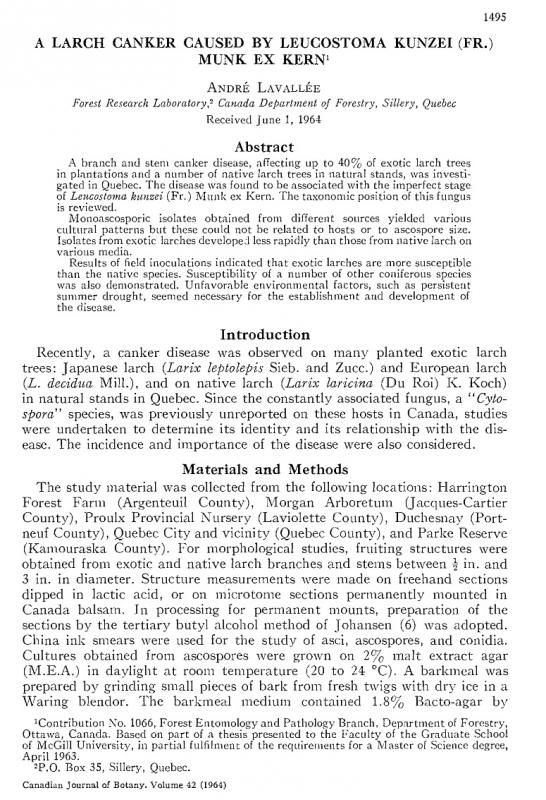
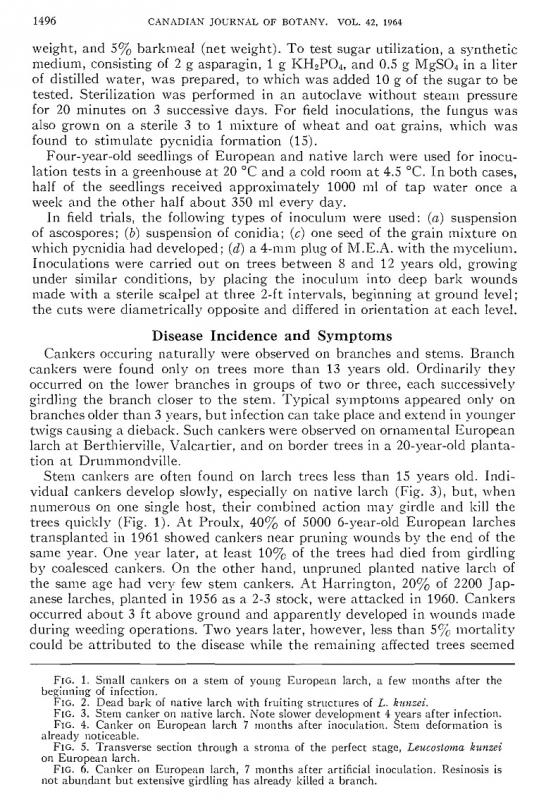
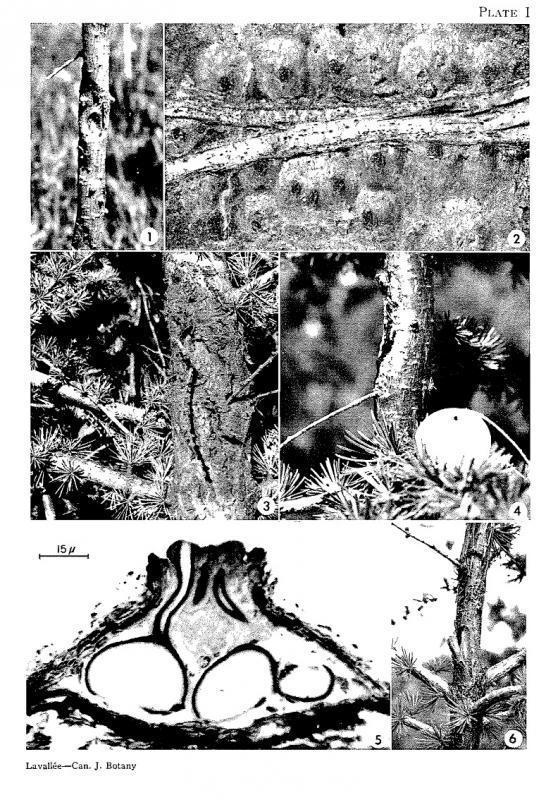
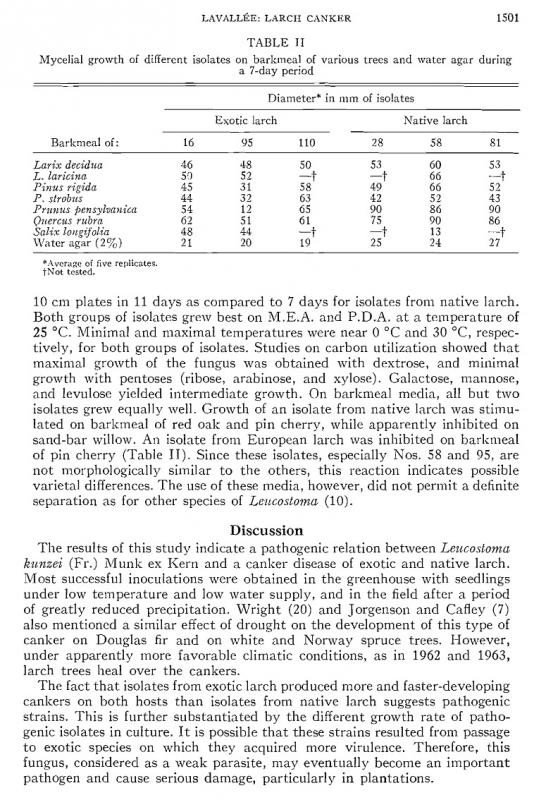
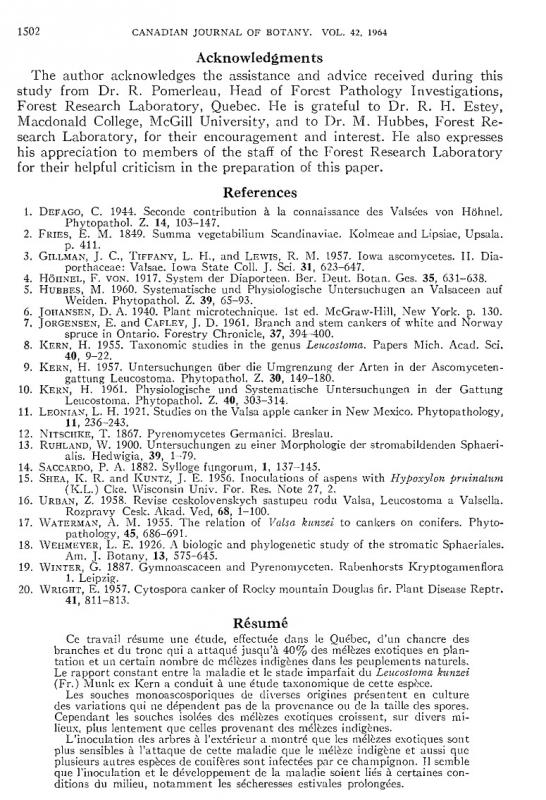
The pathogenic fungus, Leucostoma kunzei is the causal agent of Leucostoma canker (also known as Cytospora canker or spruce canker) a disease of spruce trees found in the Northern Hemisphere, predominantly on Norway spruce (Picea abies) and Colorado blue spruce (Picea pungens). This disease is one of the most common and detrimental stem diseases of Picea species in the northeastern United States, yet it also affects other coniferous species. Rarely does it kill its host tree; however, the disease does disfigure by killing host branches and causing resin exudation from perennial lesions on branches or trunks
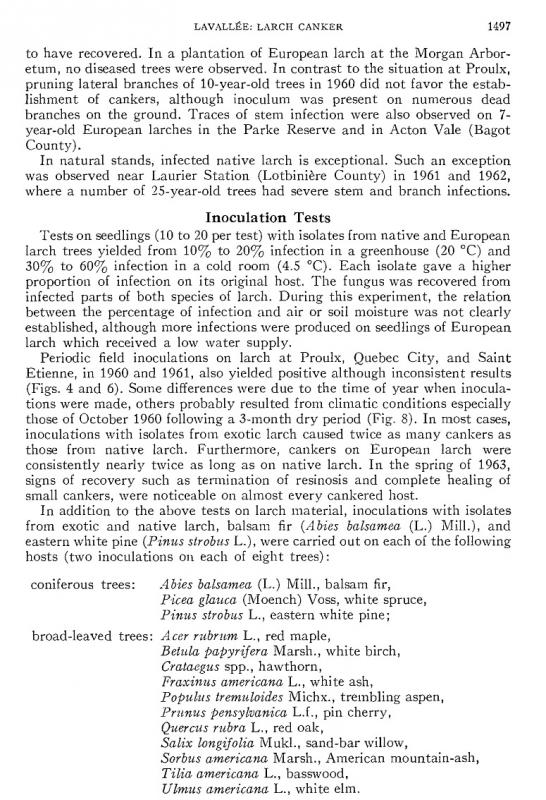
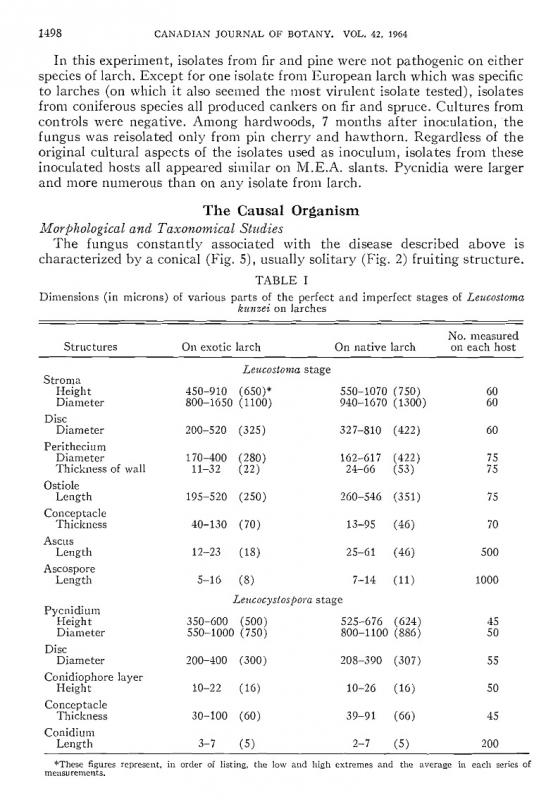
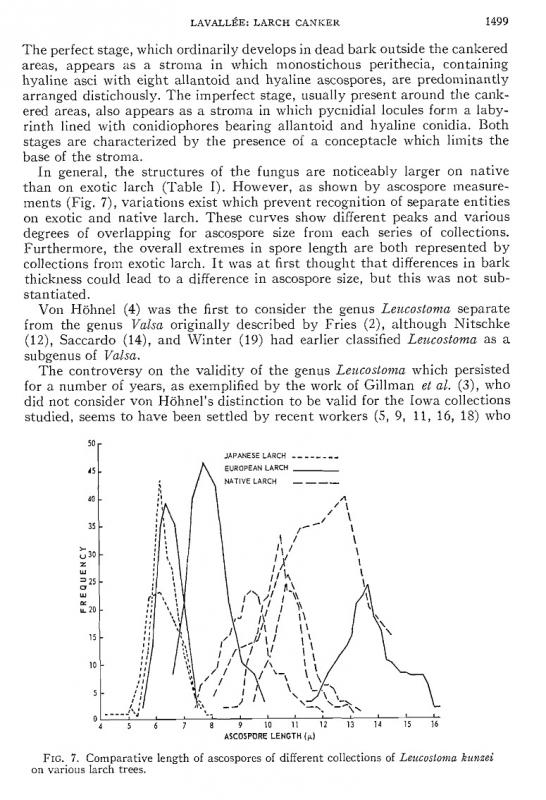
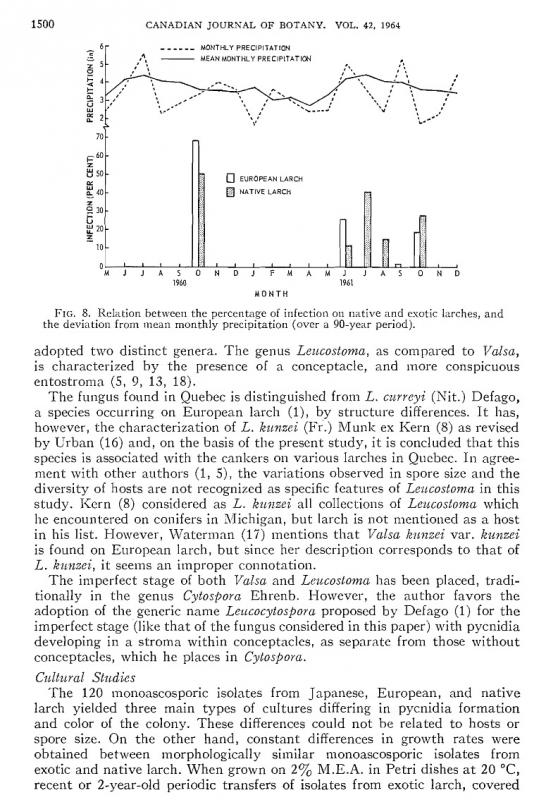
 Leucostoma-kunzei-0001.pdf
Hi Alex,
thank you very much for the help.
Erio
Your specimen is most probably (99%) Valsa friesii (Duby) Fuckel. To make sure, look if you can find on the same twig (or on others) its anamorph, Cytospora pinastri Fr., which has conidiomata with a single (rarely two) erumpent ostioles and numerous non-isolated embedded chambers. Both conidiomata and ascomata have no black line (conceptaculum) underneath, so it cannot be a Leucostoma.
The host looks like a Juniperus sp., no?
Could you please specify locality for your specimen as I am compiling info on distiribution of this species in Europe and beyond. Thank you.
Vera
I collected this Valsacea four times: three on Cupressus glabra and once on Chamaecyparis lawsoniana. In the collections there is some small difference in the sporal-dimensions , but the taxon appears substantially the same. I think to have never seen the anamorph Cytospora pinastri on such hosts (in November or in other months of the year) and neither the black line underneath. The collections are from Forlì FC - Italy.
Erio
How different was spore size in other your collections? On Cupressaceae another species occurs, V. abietis Fr. It has quite similar stromata but smaller spores (about 5-8 x 1.5-2 mkm) and asci (up to 35 mkm long), and additional distinguishing characters of the anamorph.
Vera
the width of the ascospores is almost the same, the average of the length doesn't exceed 1,5-2 micron between a collection and another collection.
Erio
Then it all should be V. friesii. In these two species spore length almost don't overlap. PLus, asci dimension and anamorphs are reliable characters.
Vera
thank you very much for your help too!!
Erio
Dear Erio
Here is the description about which you asked me (from Munk, 1957)
Alex
thank you very much again!!
Ciao
Erio